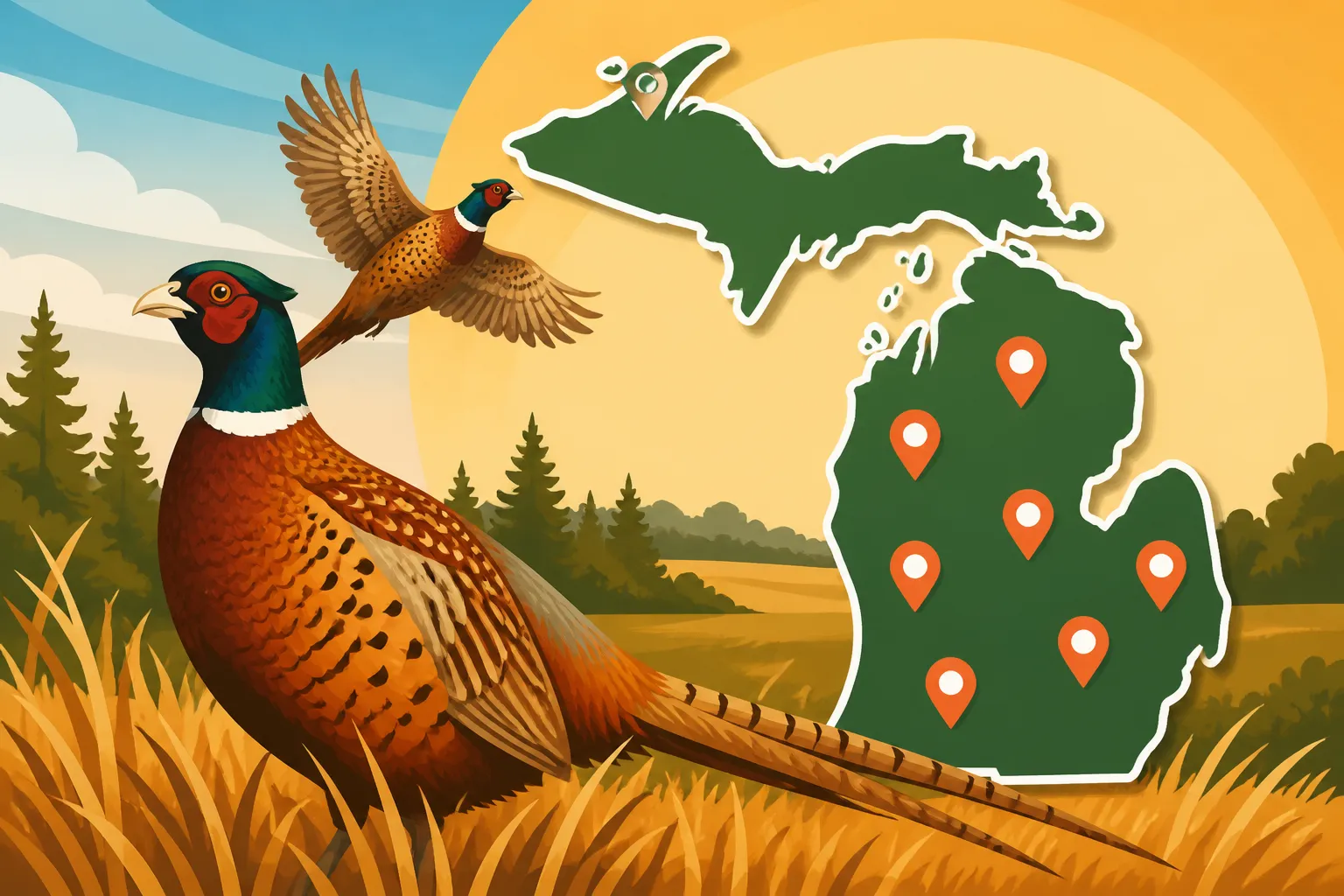
Michigan Pheasant Release Sites
For many Michigan hunters, the thought of a flushing pheasant brings back memories of vibrant autumn days, but let's be honest, wild pheasant populations have faced some tough times in our state. It can be incredibly frustrating to scout prime habitat only to find it devoid of birds. That's why Michigan's pheasant release sites have become a go-to for those yearning for the thrill of a rooster pheasant exploding from cover, offering a more predictable and often more fruitful hunting experience, and this guide will walk you through everything you need to know to make the most of them.
Understanding Michigan's Pheasant Release Program
Hunting pheasants in Michigan isn't what it used to be for many of us who remember booming wild populations across the southern agricultural landscape. Habitat loss, changing farming practices, and brutal winters have all taken their toll. It’s a real shame, a piece of our hunting heritage that feels diminished. Recognizing this, and the strong desire many hunters still have for pheasant hunting, the Michigan Department of Natural Resources (DNR) developed the pheasant release program. This isn't about re-establishing wild birds, but rather providing direct opportunities for hunters to pursue pen-raised pheasants on public lands.
Why Release Sites Exist
The primary goal of these release sites is to provide accessible, quality pheasant hunting opportunities where wild birds might be scarce or non-existent. Think about it: without these programs, many hunters, especially those in the southern Lower Peninsula, would have very few places to experience pheasant hunting without traveling out of state or gaining access to increasingly exclusive private land. It's about bridging that gap and keeping a beloved hunting tradition alive, even if it's a slightly different experience than hunting truly wild birds. The DNR manages these sites to enhance recreational value, ensuring hunters have a place to go and that there's game to pursue. It helps introduce new hunters to upland bird hunting, too, which is fantastic for the future of our sport.
How the Program Operates
The DNR, often in partnership with local conservation groups, raises or purchases pheasants and releases them at designated locations during the pheasant hunting season. These aren't just random dumps; careful consideration goes into selecting sites with suitable cover that can hold birds for a reasonable period. The number of birds released and the frequency can vary, but the intent is always to provide a consistent opportunity. Hunters need a valid Michigan small game license and the appropriate pheasant endorsement to participate. It's a structured program, and understanding the rules and regulations is key to having a successful and legal hunt. For specific season dates and bag limits, always consult the Michigan Pheasant Season Dates as these can shift slightly year to year.
Locating Michigan's Pheasant Release Sites
Finding these pheasant release sites is often the first hurdle for many hunters. You might have heard whispers of a local spot, or perhaps seen a sign, but getting reliable, up-to-date information is crucial. These aren't always sprawling, well-marked areas, and knowing exactly where the boundaries lie can save you a lot of frustration and ensure you're hunting legally and effectively.
Official DNR Resources
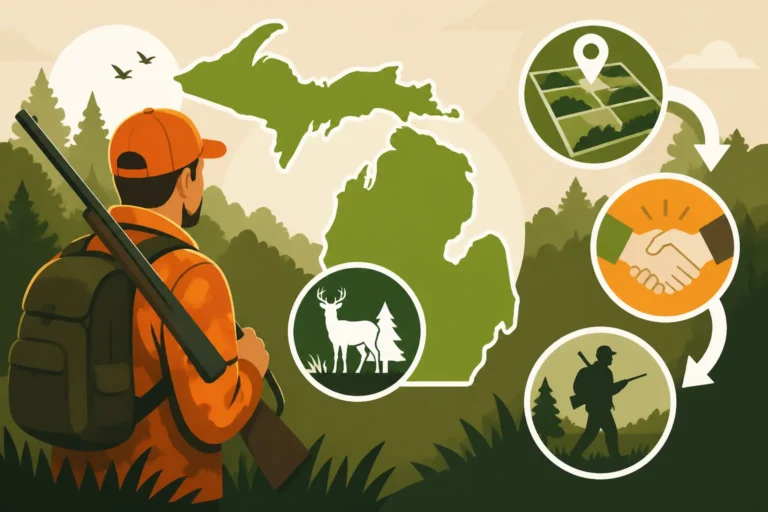
The absolute best place to start your search is the Michigan DNR website. They maintain an updated list and often provide detailed maps of the designated pheasant release sites. Don't just assume what you remember from last year is still valid; boundaries can shift, and new sites might be added or old ones removed. These maps are invaluable for understanding the specific areas where birds are released and where hunting is permitted. It’s not just about knowing the name of a game area; it’s about understanding the specific fields or sections within that game area. Looking at the official maps can give you a better idea of the lay of the land, showing you ideal access points and potential cover.
Using Digital Mapping Tools
This is where modern technology really shines. Tools like onX Hunt are game-changers for identifying and navigating public hunting land, especially when it comes to specific programs like pheasant release sites. You can overlay different map layers that show public land boundaries, property ownership, and often even specific management unit lines. Once you've identified a release site from the DNR list, you can pinpoint its exact location on a detailed satellite or topographical map.
Here's how onX Hunt can be a lifesaver:
- Pinpointing Boundaries: You can clearly see where the public land ends and private land begins, preventing accidental trespassing. This is vital in farm country where public and private parcels can be a checkerboard.
- Identifying Cover: Satellite imagery allows you to scout from your couch, looking for prime habitat within the release zone – think thick stands of switchgrass, cattail marshes, or brushy fencelines.
- Access Points and Parking: You can mark potential parking areas and plan your walk-in routes, avoiding unnecessary road walking or conflicts with other hunters.
- Tracking Your Movement: During the hunt, the GPS feature tracks your movement, helping you systematically work cover and avoid getting disoriented, especially in dense habitat.
I've personally used onX Hunt to scope out new spots, and it dramatically cuts down on wasted time driving around blindly. It's like having a local guide in your pocket, especially when you're trying to figure out how to hunt Michigan's vast public lands.
Characteristics of a Good Pheasant Release Site
Not all release sites are created equal, and knowing what to look for can significantly improve your chances of success. It’s not just about where the birds are put out, but also about the quality of the habitat and how it holds birds. A "good" site isn't just one that gets a lot of birds; it's one where those birds have a chance to act like pheasants for a little while, providing a more exciting hunt.
Ideal Habitat and Cover
Pheasants, even pen-raised ones, prefer dense cover where they can hide from predators and hunters. Think tall grasses like switchgrass, cattails, thick brush, multiflora rose patches, and dense stands of native warm-season grasses. These types of cover provide both thermal protection and concealment. Areas with a mix of these habitat types are often the best, offering variety that keeps birds moving and hiding. Adjacent food sources, even small ones like waste grain in nearby farm fields (if public access is permitted), can also draw and hold birds.
Consider sites that have:
- Tall Grasses: Provides excellent concealment and makes birds hold tighter.
- Brushy Edges/Fencelines: Offer escape routes and thick cover for running birds.
- Wetlands/Cattail Marshes: These are often overlooked by hunters and can hold birds even on cold days.
- Cropland Edges: If these border public land, pheasants will often utilize them for food.
Areas with consistent, diverse cover tend to hold birds longer and offer better hunting. This is particularly true for released birds, which, while not wild, still seek refuge in dense cover. A little scouting using a mapping app like onX Hunt can reveal these prime cover types before you even step foot on the ground.
Accessibility and Pressure Considerations
While more accessible sites might seem convenient, they often come with higher hunter pressure. It's a trade-off many hunters face. A site with a large parking lot right off a main road is easy to get to, but you might be sharing it with several other hunting parties, especially on weekends. This pressure can cause birds to be flushed out quickly, or to run and flush wilder, making for tougher shooting.
Conversely, sites that require a bit of a walk, or are nestled in more remote corners of public land, tend to see less pressure. These can be golden opportunities for a more peaceful hunt and often yield more cooperative birds. It’s worth the extra effort to walk further than most, especially on crowded opening days. This is where Finding Ground Others Walk Past comes into play. The Michigan DNR also aims to spread out release sites to distribute pressure, but some areas are naturally more popular due to their location.
| Feature Type | Advantages | Disadvantages |
|---|---|---|
| Dense Tall Grasses | Excellent concealment, holds birds tight | Can be exhausting to walk, hard to spot flushed birds |
| Brushy Thickets | Great escape cover, good for pushing | Difficult to penetrate, can snag dogs/gear |
| Cattail Marshes | Holds birds in cold/wet weather, less pressure | Very wet, challenging footing, hard for dogs |
| Cropland Edges | Food source, good travel corridors | Often borders private land, high visibility |
| High Accessibility | Easy to reach, less walking | High hunter pressure, birds flush wild |
| Low Accessibility | Less hunter pressure, birds hold better | Requires more effort to access, longer walks |
Effective Hunting Tactics for Release Sites
Hunting pheasants at release sites requires a slightly different approach than hunting truly wild birds. These birds might be a bit disoriented or less wary initially, but they quickly learn to run and hide. The key is to be systematic, safe, and adaptable. Remember, you're not just strolling through a field; you're actively working to put birds in the air.
Working with a Bird Dog
Without a doubt, a good bird dog is your best asset when hunting pheasants, especially at release sites. They have the nose to find birds hidden deep in cover that you would walk right past. Flushed birds from release sites tend to run more than fly, and a dog's ability to scent-trail and pin a bird down is invaluable.
If you're hunting with a flushing dog (like a Springer Spaniel or Labrador Retriever), work them in a systematic pattern across the cover, allowing them to thoroughly investigate every clump of grass and every brush pile. For pointing breeds (like a German Shorthaired Pointer or English Setter), trust their nose. When they lock up on a point, be ready for the flush. Walk in quickly and be prepared for a bird to explode skyward. Always pay attention to your dog's body language; they'll often tell you a bird is close before you ever see it. Having a GPS collar can also be a huge help in dense cover, so you always know where your dog is.
Hunting Without a Dog
It's entirely possible to have a successful pheasant hunt without a dog, but it requires more effort and a different strategy. You'll need to rely on methodical movements and understanding pheasant behavior.
- Slow and Steady: Instead of striding quickly, take deliberate, slow steps, pausing frequently. This stop-and-go motion often makes pheasants nervous and encourages them to flush rather than run endlessly.
- Pushing Cover: Focus on pushing through the densest cover available. Pheasants love thick stuff, and you need to get in there to bump them out. Walk zig-zag patterns to cover as much ground as possible.
- Hunting with Partners: The best way to hunt without a dog is with a group of hunters. Form a line and walk through the cover, with one or two "blockers" positioned at the end of the field or along escape routes. The blockers can intercept birds that try to run out of the cover without flushing. This is similar to Deer Drives With Three or Four Hunters, but on a smaller scale.
- Utilize Terrain: Pheasants often prefer to run uphill rather than down, and they'll try to get to the thickest cover or escape a field by running along fencelines or ditches. Anticipate these escape routes.
Regardless of whether you have a dog, always be mindful of other hunters, especially on popular release sites. Safety is paramount, and knowing your shooting lanes is critical.
Shotgun and Ammunition Selection
For pheasant hunting, a 12-gauge or 20-gauge shotgun is typically preferred. A modified or improved cylinder choke is a good all-around choice, providing a decent pattern for both close-flushing birds and those that get up a bit further out. As for ammunition, lead shot is generally legal for pheasants, unlike waterfowl, but always double-check current regulations.
Here's a breakdown:
- Shot Size: #4, #5, or #6 lead shot are common choices. #5 is often considered the sweet spot, providing enough pellets for good pattern density and enough energy for clean kills.
- Shot Shell Type: High-brass, heavier loads are often preferred for pheasants due to their tough constitution.
- Choke: Modified is a versatile choice. Improved Cylinder might be better for very dense cover where shots are close, while Full might be useful if you expect longer shots at running birds.
Always pattern your shotgun with your chosen loads before heading to the field. This gives you confidence in your setup and helps you understand your effective range.
What to Expect and Common Challenges
Hunting pheasant release sites can be incredibly rewarding, but it’s essential to go into it with realistic expectations. These aren't wild hunts, and the experience can be quite different from pursuing truly wild birds. Understanding the common scenarios and potential frustrations will help you prepare mentally and maximize your enjoyment.
Hunter Crowds and Etiquette
One of the biggest realities of pheasant release sites, especially popular ones, is the potential for crowds. Weekends, particularly early in the season, can see multiple hunting parties working the same fields. This can lead to birds being pushed around a lot, flushing wild, or even conflicts if hunters aren't respectful.
To navigate crowds:
- Arrive Early: Getting to the site before first light can give you a head start on working a field or finding a less-pressured area.
- Communicate: If you encounter another hunting party, a friendly wave or quick chat can help establish safe zones and avoid accidentally cutting off another group's hunt.
- Give Space: Don't crowd other hunters. If a group is already working a field, find another area or wait your turn.
- Retrieve Quickly: If you drop a bird, retrieve it swiftly to avoid other hunters or dogs accidentally picking it up.
- Practice Safe Shooting Angles: Always know what's beyond your target, especially with multiple hunters in the field. This is paramount for safety. Michigan Hunter Orange Rules mandate specific visibility during firearm season, which applies here.
Being courteous and patient goes a long way. Most hunters are out there to have a good time, and mutual respect ensures everyone has a better experience.
Bird Behavior and Quality
Released pheasants behave differently than their wild counterparts. Initially, they might be somewhat docile or confused, but they quickly adapt. They are still pheasants, and their instinct to run and hide kicks in rapidly. They often prefer to run rather than fly, making them challenging to flush without a good dog or a coordinated group effort.
- Running Birds: Be prepared for birds that would rather sprint across a field than take to the air. This is why methodical hunting, working edges, and having blockers are effective.
- Flushing Wild: Especially after they've been pressured, birds might flush far ahead of you, making for longer shots or missed opportunities.
- Variable Flight: Some birds will fly strongly, while others might have a weaker, shorter flight. Be ready for either.
- Meat Quality: The meat from released birds can sometimes be a bit milder than wild pheasants, but it's still delicious table fare. Handle it properly after the shot, especially on warmer days, to ensure optimal quality.
Don't expect every bird to sit tight until you're on top of it. Adapt your tactics to their behavior, and celebrate every flush and successful retrieve.
Preparing for Your Pheasant Hunt
A successful and enjoyable pheasant hunt at a release site hinges on good preparation. Beyond just knowing where to go, having the right gear, understanding the legalities, and taking care of your harvest are all crucial components.
Essential Gear and Clothing
Pheasant hunting can be physically demanding, involving a lot of walking through thick cover, often in unpredictable Michigan weather.
- Clothing: Dress in layers. Even on a cool autumn day, you'll work up a sweat walking, but then cool down when you stop. Wear durable brush pants or chaps to protect your legs from thorns and thick cover. A good upland vest with plenty of pockets for shells, water, and your harvested birds is invaluable. Most importantly, wear hunter orange. While not always required outside of specific firearm seasons for small game, it's highly recommended for visibility and safety, especially in crowded conditions. How Much Hunter Orange Michigan Requires gives you the specifics.
- Footwear: Comfortable, supportive, and waterproof boots are a must. You'll be covering miles, potentially through dew-soaked grass, muddy areas, or even shallow standing water.
- Shotgun and Ammunition: As discussed, a 12 or 20 gauge with #5 or #6 lead shot is standard. Carry enough shells for the hunt, but don't overpack.
- Water and Snacks: Stay hydrated, especially if you're working hard. A few snacks can keep your energy levels up.
- Game Bag/Vest: A good game vest or bag is essential for carrying harvested birds comfortably.
- First Aid Kit: Always a good idea, especially if hunting with a dog.
- Mapping Tool: Your phone with a reliable mapping app like onX Hunt, or a dedicated GPS unit, is vital for navigation, especially if you venture deep into larger game areas. It helps you stay within public boundaries and find your way back to your vehicle.
Licensing and Regulations
Before you even step into the field, ensure all your paperwork is in order. Hunting without the proper licenses or endorsements is a surefire way to ruin your day and potentially face fines.
- Michigan Base License: This is your foundation. All hunters need a valid Michigan base license. Michigan Hunting Licences and What They Cost details the various options.
- Small Game License: Pheasants fall under small game, so you'll need this endorsement.
- Pheasant Endorsement: Crucially, to hunt pheasants at release sites, you need a specific pheasant endorsement. This is typically a modest additional fee and helps fund the release program.
- HIP Certification: If you're hunting any migratory birds (though pheasants are resident game), you'd need the Harvest Information Program (HIP) certification. For pheasants specifically, double-check if this applies, though usually it's only for migratory birds like doves or waterfowl.
- Daily Bag Limits: Be aware of the daily bag limit for pheasants, which is often two male pheasants (roosters) per day on release sites. Always check the current year's hunting guide.
- Shooting Hours: Adhere strictly to Michigan Legal Shooting Hours. Hunting outside these hours is illegal.
Always carry your physical licenses or have them readily accessible on the Michigan DNR Hunt Fish App on your phone. Game wardens frequently check hunters at popular public access points, and being prepared makes their job, and your hunt, much smoother.
Post-Harvest Care
Successfully bagging a pheasant is only half the battle. Proper post-harvest care ensures the meat is excellent for the table.
- Field Dressing: While not strictly necessary immediately for pheasants, field dressing can help cool the bird down, especially on warmer days. However, many hunters simply remove the head and feet at home.
- Cooling: Get your birds cooled as quickly as possible. If it's a warm day, a small cooler with ice in your vehicle can prevent spoilage. Never leave birds piled up in a hot vehicle.
- Cleaning and Processing: Once home, clean your birds promptly. Pluck or skin them, remove the entrails, and rinse thoroughly. Many hunters choose to breast out pheasants, taking just the breast meat, while others enjoy the leg and thigh meat as well.
- Storage: Store cleaned pheasant meat in the refrigerator for a few days, or freeze it for longer-term storage. Properly wrapped, pheasant meat can last for months in the freezer.
Treat your harvest with respect; it's the culmination of your efforts and deserves to be cared for properly. Then comes the best part: enjoying the fruits of your labor!
Disclaimer
This article is for general informational purposes only and does not constitute professional advice. Laws, prices and regulations vary by location and change over time. Consult a qualified professional for guidance on your specific situation.