Drummond Island Hunting Access
For many Michigan hunters, the thought of heading to Drummond Island conjures images of remote, rugged wilderness, yet it’s an accessible destination offering unique hunting experiences that are often overlooked. The challenge lies in understanding its distinct landscape and navigating access, which can feel daunting compared to mainland hunting. This guide aims to break down the ins and outs of hunting access on Drummond Island, helping you prepare for a truly memorable Michigan adventure.
Discovering Drummond Island's Unique Wilderness
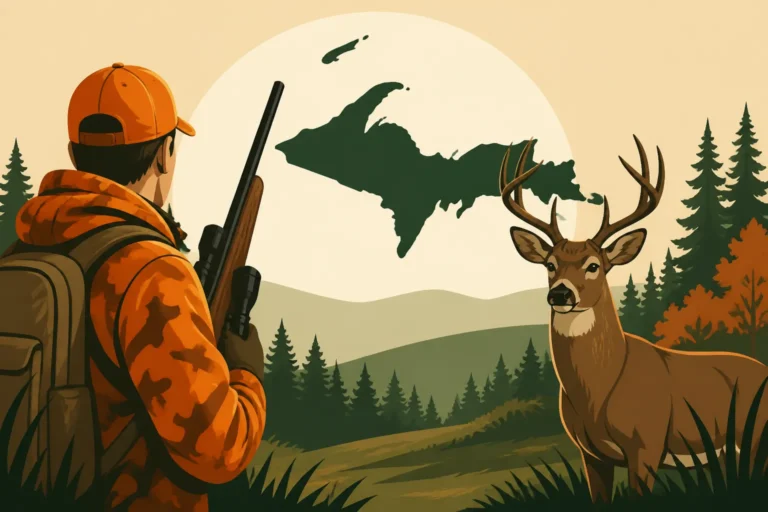
Drummond Island, nestled at the eastern tip of Michigan's Upper Peninsula, stands apart. It’s not just another patch of woods; it’s an island, accessible primarily by a car ferry from DeTour Village. This geographic isolation shapes its character, providing a sense of frontier adventure without being truly disconnected from civilization. The island boasts a diverse landscape, from dense cedar swamps and thick hardwoods to rocky shorelines and scattered open areas. It's a place where you can feel truly immersed in the wild, often without the constant pressure found on many mainland public lands.
The ferry ride itself is part of the experience, allowing you to shed the hustle and bustle of the mainland. Once on the island, you'll find a mix of year-round residents and seasonal visitors, but much of the interior remains vast and untamed. Roads can be rough, and cell service can be spotty, which means preparation and self-reliance are key. This isn't the place for a last-minute, ill-planned trip. You need to understand the lay of the land, literally and figuratively, before you even pack your first piece of gear. Think about that ferry schedule and the weight limits on your truck, especially if you plan on bringing an ORV or hauling out a large deer.
Public Hunting Opportunities on Drummond Island
One of the biggest draws of Drummond Island for hunters is the sheer amount of public land available. While some areas are privately owned, a significant portion of the island falls under state ownership, offering ample space for various hunting pursuits. This access is a true gift, allowing hunters to explore large tracts of undeveloped wilderness.
State Land and Forest Access
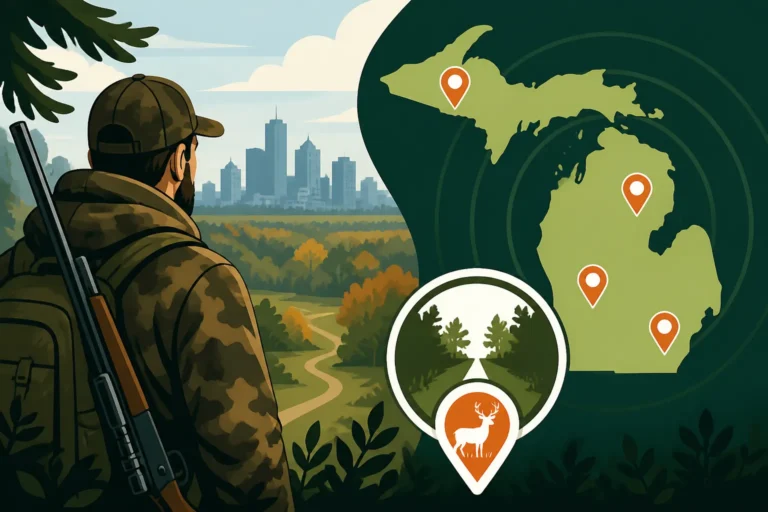
A large percentage of Drummond Island is managed by the State of Michigan, primarily as state forest land. This means vast expanses are open to public hunting, from the dense conifer stands that hug the wetlands to the higher, drier hardwood ridges. Finding these parcels is crucial, and mapping applications like onX Hunt or even the traditional Mi-HUNT map from the DNR are indispensable tools. Don't just show up and hope to find a spot; spend time studying topo maps and aerial imagery beforehand. Look for areas with diverse habitat, pinch points, or natural funnels created by changes in elevation or water features.
Hunting on state land comes with certain responsibilities and rules, of course. Respect for the land, other users, and local residents is paramount. Remember that things like permanent treestands or ground blinds are generally not permitted, and all temporary stands must be removed at the end of the season. Michigan State Forest Hunting Rules are pretty standard, but it’s always wise to refresh your memory. Accessing some of these state land parcels might require navigating unimproved two-tracks or even walking in a considerable distance, which is often where the most secluded hunting opportunities lie.
Commercial Forest Act (CFA) Lands
In addition to direct state ownership, Drummond Island also has parcels enrolled in Michigan's Commercial Forest Act (CFA) program. These are privately owned lands, typically timber company holdings, that are open to public hunting and fishing in exchange for a property tax reduction. This program is a fantastic resource, expanding the amount of available hunting ground significantly. The key is knowing where these parcels are. They are often marked with specific signage, but using a robust mapping app like onX Hunt is by far the easiest way to identify CFA lands and their boundaries.
Hunting CFA lands is similar to hunting state land, but it's important to remember that these are still privately owned and actively managed for timber. You might encounter logging operations, so be aware of heavy equipment and potential temporary closures. Always double-check current regulations and property boundaries. While you have the right to hunt, being respectful of the landowner's primary use of the property—timber production—helps ensure these valuable access programs continue.
Key Species and Hunting Strategies on Drummond Island
Drummond Island offers a range of hunting opportunities, but it's most renowned for its deer hunting. The isolation means deer can mature, and the challenging terrain often leads to less hunting pressure in deeper pockets of the woods. Bear hunting is also a significant pursuit, given the island's dense cover and food sources.
Whitetail Deer Hunting
Deer are the main attraction for many hunters coming to Drummond Island. The population can fluctuate with winter severity, much like other parts of the U.P., but the dense cover and ample food sources often hold good numbers. Bucks here can grow to impressive sizes, particularly those that learn to navigate the island's cedar swamps and thickets. Hunting the Michigan Upper Peninsula for Deer highlights the general challenges and rewards of this type of terrain.
Strategies for deer hunting on Drummond often revolve around understanding deer movement within the diverse cover. Look for transitions: where hardwoods meet cedar swamps, where dense stands of young timber offer bedding, or along the edges of open meadows or food plots (if they exist on private land). Still-hunting is a highly effective tactic in these environments, allowing you to slowly pick apart cover and locate deer that might be holding tight. Setting up a treestand along a natural funnel or travel corridor between bedding and feeding areas can also be productive. Don't forget the importance of scouting beforehand. Even with limited time, walking in and looking for tracks, rubs, and scrapes can tell you a lot. Consider focusing on later season hunts when snow might help reveal travel patterns and push deer towards specific food sources or thermal cover like cedar swamps. Upper Peninsula Deer Yarding and Winter Movement is a great resource to understand these late-season shifts.
Black Bear Hunting
Drummond Island is part of a broader bear management unit, and for those lucky enough to draw a tag, it can offer an exciting bear hunt. The island's combination of dense forest, wetlands, and natural food sources like berries provides excellent habitat for black bears. Bear hunting often involves baiting or still-hunting. If you plan to bait, understanding and adhering to Michigan's specific baiting regulations is paramount, as they can be quite strict, especially in some areas. Michigan Bear Licence Drawing is the first step, of course, but then understanding the local conditions is key.
For those pursuing bears without bait, still-hunting through known bear country, especially near thick cover or natural food sources, can be effective. Bears are naturally reclusive, so moving slowly and quietly, paying attention to wind direction, is critical. Look for signs like scat, claw marks on trees, and turned-over rocks where they might have been foraging. Bear hunting on Drummond Island requires patience, persistence, and a good understanding of bear behavior.
Other Small Game and Waterfowl
Beyond deer and bear, Drummond Island also offers opportunities for small game and waterfowl. Rabbit and squirrel populations exist, providing a chance to fill time between deer sits or to extend your hunting season. Ruffed grouse and woodcock can also be found, particularly in aspen cuts and alder runs, offering fast-paced upland action. Grouse Hunting Michigan Aspen Cover and Woodcock Hunting Michigan Alder Runs can give you an edge.
For waterfowl hunters, the shoreline and interior wetlands can hold various duck and goose species during migration. Accessing these areas often requires a boat and specific knowledge of water conditions and waterfowl habits. Be sure to check the specific seasons and regulations for all species you intend to hunt.
Navigating Access and Regulations on Drummond Island
Getting to and hunting on Drummond Island requires a bit more logistical planning than a mainland trip. The ferry is the primary gateway, and understanding its operations is crucial.
Ferry Logistics and Planning
The Drummond Island Ferry runs regularly, but it’s not an endless stream of boats. It operates on a schedule, and during peak hunting seasons, especially around opening day of firearm deer season, you can expect waits. Plan to arrive early, especially if you're traveling with a trailer or a large group. The ferry does charge a fee, so factor that into your overall budget. Check the current schedule and rates well in advance of your trip. Consider traveling during off-peak hours if your schedule allows to avoid the longest lines.
Once on the island, roads can range from paved main routes to rugged, unmaintained two-tracks. A four-wheel-drive vehicle is highly recommended, especially if you plan to explore the interior or if there’s been recent rain or snow. Getting stuck on a remote two-track without cell service can quickly turn into a serious problem. It's smart to carry a shovel, tow strap, and even a satellite communication device if you're heading deep into the backcountry.
Essential Gear and Mapping Tools
Given the island's unique blend of accessibility and ruggedness, having the right gear is non-negotiable. Quality boots capable of handling wet, uneven terrain are essential, as you'll likely encounter swamps and rocky areas. Boots for Michigan Swamps and Snow will be your best friend. Layered clothing is also key, as island weather can change rapidly. A good waterproof outer shell is a must.
For navigation, a reliable GPS unit or a smartphone with a robust hunting app like onX Hunt is absolutely critical. Pre-downloading maps for offline use is a lifesaver, as cell service can be nonexistent in many areas. These apps will show property lines, public land boundaries, and topographic features, allowing you to confidently navigate the vast state land parcels and identify Commercial Forest Act access. Even if you're an old-school map and compass person, having a digital backup is wise. The ability to mark waypoints for your stand, your vehicle, or interesting sign can save you a lot of grief. Using the Michigan Mi-HUNT Map is another excellent, free resource to get acquainted with the lay of the land before you go.
Here’s a quick overview of some hunting considerations for Drummond Island:
| Aspect | Consideration | Why It Matters |
|---|---|---|
| Access | Ferry dependent, schedule & fees apply. | Impacts travel time, cost, and potential for long waits during peak seasons. |
| Terrain | Diverse: cedar swamps, hardwoods, rocky shores, open areas. Roads vary from paved to rugged two-tracks. | Requires appropriate footwear, vehicle choice (4×4 recommended), and navigation skills. Influences deer movement and hunting tactics. |
| Public Land | Extensive State Forest and Commercial Forest Act (CFA) lands. | Ample hunting opportunities, but requires knowing boundaries (use onX Hunt). CFA lands may have active timber operations. |
| Primary Species | Whitetail Deer (often larger bucks), Black Bear. | Focuses scouting and tactics. Deer often hold tight in dense cover. Bear require specific tags and may involve baiting (check regulations). |
| Navigation | Limited cell service in many areas. | Offline maps (onX Hunt, Mi-HUNT) and GPS are crucial for safety and effective hunting. |
| Regulations | Standard Michigan hunting rules apply, plus potential local nuances (e.g., ORV use). | Always review current Michigan DNR regulations, especially regarding baiting, firearm restrictions, and tag types. |
| Preparation | Plan ferry travel, vehicle readiness, gear for varied conditions, communication devices for emergencies. | Essential for a safe and successful trip to a somewhat isolated location. |
Before you head out, make sure your Michigan Hunting Licences and What They Cost are in order, and you understand any specific tag requirements for the species you're pursuing. Drummond Island offers a true Michigan hunting experience, a chance to get away from it all and test your skills in a unique island setting. With a bit of planning and the right mindset, you'll be well on your way to a memorable hunt.
Disclaimer
This article is for general informational purposes only and does not constitute professional advice. Laws, prices and regulations vary by location and change over time. Consult a qualified professional for guidance on your specific situation.