Hunting the Michigan Upper Peninsula for Deer
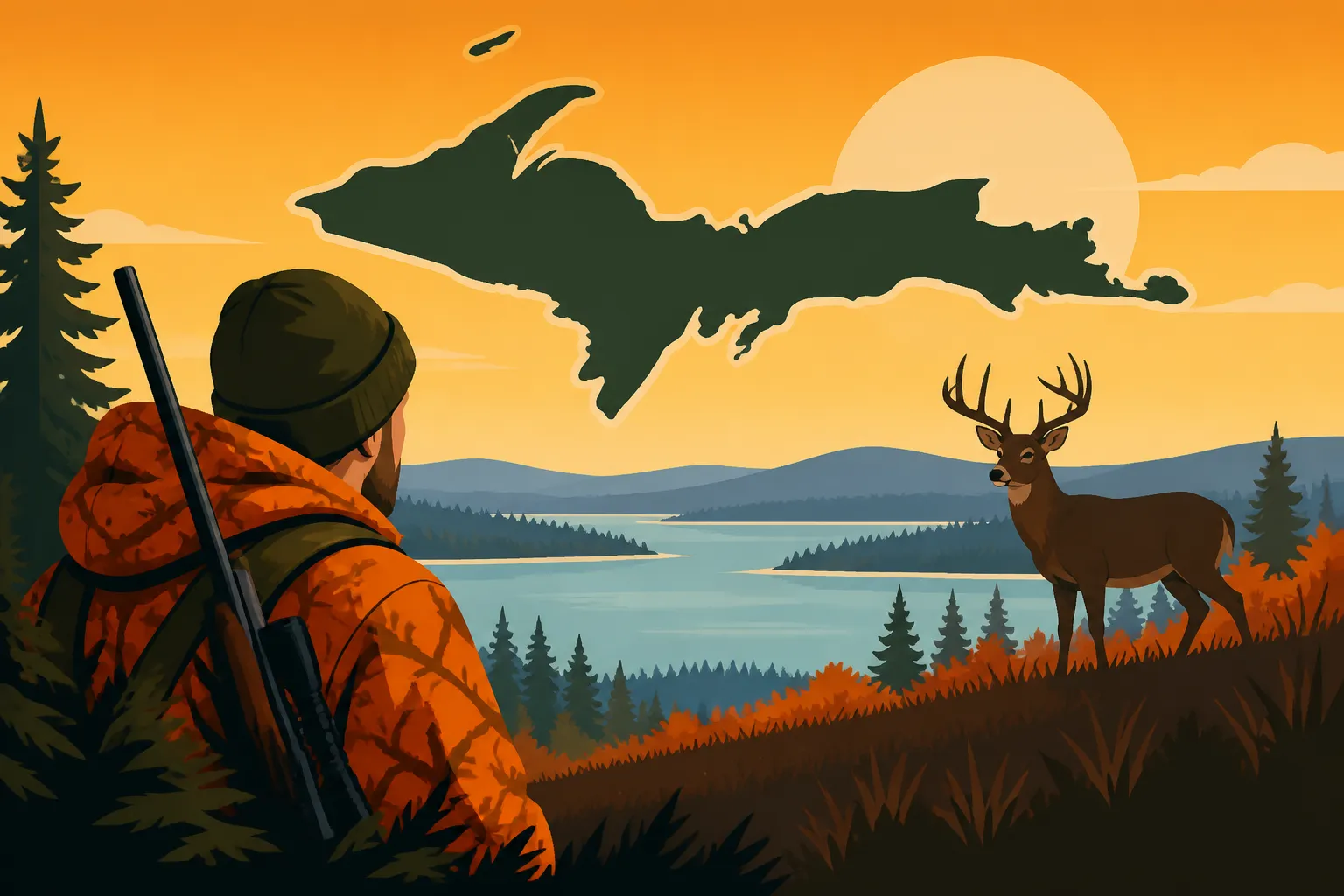
The Michigan Upper Peninsula, or "The U.P." as we Yoopers call it, is a land of incredible beauty and vast wilderness, but let's be honest, hunting deer up here can be an entirely different ballgame than what folks experience downstate. The sheer scale, the rugged terrain, and the way deer live their lives in this demanding environment can be incredibly frustrating if you're not prepared for it. This guide aims to break down the unique challenges and opportunities of hunting whitetails in the U.P., helping you understand the landscape, adapt your strategies, and ultimately find success in this wild corner of Michigan.
Understanding the Upper Peninsula Deer Landscape
Hunting the U.P. means stepping into a world where deer populations often fluctuate dramatically, and the woods feel truly wild. It's not uncommon to spend days without seeing a single deer, only to stumble upon a concentrated pocket of activity. This isn't your grandfather's southern Michigan farm country; the challenges here are as big as the timber.
The Impact of Severe Winters
One of the most defining factors influencing deer in the Upper Peninsula is the brutal, long winters. We're talking feet of snow, sustained sub-zero temperatures, and periods where the deer yard up for survival. These aren't just isolated events; they're a regular part of the ecosystem. A really tough winter can decimate a deer herd, especially fawns and older does, setting back population recovery for years. You'll hear old-timers talk about winters where deer numbers were so low you wondered if there were any left, and sadly, it's not an exaggeration. The lasting effects of these severe conditions mean that deer densities in many areas are naturally lower than in the Lower Peninsula, making every encounter feel earned. It also influences deer behavior; they're hardened, resilient creatures who have faced the ultimate test of survival year after year. Understanding how the Winter Severity Index and What It Means for the herd can help you anticipate general deer numbers in certain areas.
Habitat Diversity and Deer Concentration
The U.P. is a mosaic of different habitats, from vast tracts of mature northern hardwoods to dense cedar swamps, pine plantations, and pockets of regenerating clearcuts. Each of these habitats plays a critical role in how deer survive and thrive, and consequently, where you'll find them. Cedar swamps, for instance, are classic wintering grounds, offering thermal cover and some browse when the snow is deep. But during the hunting season, especially early on, deer might be spread out through the hardwoods feeding on acorns or browsing on new growth in aspen cuts. The key is to understand how deer utilize these diverse landscapes throughout the year and how that translates to their movements during different hunting seasons. Finding those specific habitat types that offer both food and security is paramount to locating deer in such a vast region. The sheer size of public land available means deer often have endless places to hide, making concentration points even more valuable to hunters.
Public Land Vastness and Accessibility
When we talk about hunting the U.P., we're often talking about vast stretches of public land. The Michigan's Three National Forests alone cover millions of acres, not to mention state forests and game areas. This is a blessing and a curse. On one hand, you have endless opportunities to get away from other hunters and find truly undisturbed ground. On the other hand, it's easy to feel overwhelmed by the sheer scale. Many areas are remote, with limited road access, meaning you might be walking miles back into prime habitat. This requires a different level of physical preparedness and navigational skill than hunting smaller, more fragmented parcels. Knowing how to use tools like the Michigan DNR's Mi-HUNT map or a robust app like GoHunt is crucial for understanding land ownership, access points, and terrain features before you even step foot in the woods. The vastness also means that deer drives, if done effectively and safely with a group, can be a highly productive tactic in certain areas, pushing deer out of large, impenetrable blocks of cover.
Pre-Season Scouting Strategies for the U.P.
Scouting in the Upper Peninsula isn't just an option; it's a necessity. You can't just drive up opening day and expect to stumble onto deer. The sheer size of the country and the often-sparse deer numbers demand a thoughtful, systematic approach before the season even begins.
Leveraging Technology for Remote Scouting
In today's world, our phones and computers are powerful scouting tools. Before you burn a drop of gas, you should be poring over aerial maps, plat books, and public land databases. Sites like the Michigan DNR's Mi-HUNT or paid services like GoHunt offer invaluable insights into land ownership, habitat types, and terrain features. Look for pinch points, funnels, and natural barriers that might concentrate deer movement. Identify blocks of mature timber adjacent to younger growth, or secluded cedar swamps that offer both cover and food. These digital tools can help you narrow down vast areas to manageable sections, saving you countless hours of unproductive walking. Pay attention to topography—even subtle ridges and depressions can dictate how deer travel, especially when they're trying to stay out of the wind or navigate deep snow. Also, researching recent timber cuts can be highly beneficial, as deer are often drawn to the fresh browse created by logging activity.
Boots-on-the-Ground Reconnaissance
As helpful as technology is, nothing beats putting boots on the ground. Once you've identified promising areas on your maps, you need to verify them. This means walking the suspected travel corridors, checking for old rub lines, scrape areas, and bedding signs. Look for primary food sources in your target area – are the acorns dropping? Is there ample browse in regenerating clearcuts? If you're planning to hunt Still-Hunting Michigan Cedar Swamps, you'll want to go in before the season starts, map out the driest ridges, and identify potential escape routes. Pay attention to how deer use the terrain. Are they crossing a particular saddle to get from bedding to feeding? Is there a subtle bench on a hillside that serves as a preferred travel route? This kind of intimate knowledge can only be gained by spending time in the woods, well before hunting season pressures begin. It's also an excellent time to assess human pressure – look for old treestand locations, discarded shells, or heavily used two-tracks that might indicate high hunting activity.
Interpreting Historical Data and Weather Patterns
Understanding the long-term trends of U.P. deer populations and how they interact with historical weather patterns is crucial. For instance, knowing that the last few winters were particularly brutal might temper your expectations for deer density in a specific area. Conversely, a string of mild winters could mean a healthier, more robust herd. The DNR provides harvest data and population estimates that, while broad, can offer a general idea of how certain regions are doing. Additionally, pay attention to current and forecast weather. An early, heavy snow could push deer into their wintering yards sooner, altering their patterns significantly. A warm spell might keep them dispersed longer. These environmental factors are huge drivers of deer movement in the U.P., and smart hunters learn to read these signs and adjust their plans accordingly. The more data you can gather – both current and historical – the better equipped you'll be to make informed decisions about where and how to hunt.
Adapting to U.P. Hunting Challenges
The Upper Peninsula will test your resolve, your gear, and your patience. It's a place that demands respect and preparedness, because Mother Nature doesn't pull any punches up here.
Navigating Deep Snow and Rugged Terrain
One of the most persistent challenges, especially as the season progresses into November and December, is the snow. Deep snow can make even short walks feel like a marathon. It alters deer movement drastically, often pushing them to established trails, logging roads, or into the thermal cover of cedar swamps. For hunters, it means heavier clothing, different footwear, and often, a slower pace. The terrain itself can be rugged, featuring steep, rocky ridges, dense swamps, and thick conifer blocks that are difficult to penetrate. Getting lost is a real concern in this vast, often featureless landscape, making reliable navigation tools like a GPS unit or a smartphone app loaded with offline maps (again, GoHunt is excellent for this) absolutely essential. You need to be physically fit enough to cover significant ground, often off-trail, and be prepared for strenuous climbs or slogging through wet, heavy snow. This isn't a place for the faint of heart or the unprepared. Finding deer after a significant snowfall often means looking for those subtle areas of less snow, or south-facing slopes where snow melts faster, exposing critical browse.
Extreme Cold Weather Considerations
U.P. hunting seasons often coincide with seriously cold temperatures. Early November can bring mild days, but late firearm season and muzzleloader season can be brutally cold, with temperatures consistently below freezing, and often dipping into the single digits or even negative territory. This kind of cold demands a meticulous approach to layering your clothing, ensuring you stay warm and dry without overheating while walking. Frostbite is a genuine risk, and proper gear, including insulated boots, heavy gloves or mittens, and headwear that covers your ears and face, is non-negotiable. Batteries for electronics drain faster in the cold, so carry backups. Staying hydrated is also crucial, even when you don't feel thirsty. It's not just about comfort; it's about survival. A well-planned Cold Weather Sitting Strategy is paramount if you intend to spend extended periods on stand, ensuring you pack enough caloric snacks and warm drinks to maintain core body temperature.
Dealing with Low Deer Density and Hunting Pressure
Let's be blunt: the U.P. often has lower deer densities than many parts of the Lower Peninsula. This means you might go longer periods without seeing deer, and success rates can be lower. This can be mentally taxing, leading to frustration and burnout if you're not prepared for it. However, low deer density doesn't mean there are no deer; it means they're more spread out, and you have to work harder to find them. Paradoxically, even with lower deer numbers, certain accessible public land areas can still see significant hunting pressure, especially on opening weekend of firearm season. This pressure can push deer deeper into thick cover or into more remote, hard-to-reach areas. The key is to scout for these less-pressured spots, often by walking further or exploring areas that most hunters overlook. Being able to read the landscape for signs of human activity, as well as deer activity, will help you identify those pockets where deer feel safe and are more likely to be found. Often, the bigger bucks in these areas are highly nocturnal and sensitive to any human intrusion.
Effective Hunting Tactics for U.P. Deer
Hunting deer in the U.P. requires tactics tailored to the landscape and the deer's behavior in response to it. Forget sitting over a food plot; here, it's about covering ground, knowing the habitat, and sometimes, working as a team.
Still-Hunting in Cedar Swamps and Big Woods
Still-hunting is perhaps the quintessential U.P. deer hunting method, especially in the vast northern hardwoods and dense cedar swamps. It's a slow, deliberate process of moving through the woods, taking a few steps, and then standing motionless for several minutes, scanning every shadow, every broken branch, and every clump of cover. The goal is to move quietly enough to spot deer before they spot you, or to jump a deer and get a shot as it flees. In cedar swamps, this means carefully picking your way along the slightly higher, drier ridges and humps, which deer also prefer. When Still-Hunting Michigan Cedar Swamps, you're looking for subtle changes in terrain, old logging trails, or slight openings that offer a shooting lane. In the big woods, you're constantly looking for natural funnels, benches, and feeding areas, moving into the wind, always ready to stop and listen. This tactic demands incredible patience, keen observation skills, and a deep understanding of deer behavior, as you're essentially playing a game of hide-and-seek in their backyard.
Utilizing Deer Drives in Conifer Blocks
Given the vastness of the U.P. and the tendency for deer to yard up or seek refuge in thick conifer blocks, deer drives can be an incredibly effective tactic, especially during the firearm season. This isn't your casual backyard drive; U.P. drives often involve large groups of hunters, covering significant ground in dense cover. The strategy involves a line of "drivers" slowly pushing through a specific piece of cover, while "posters" are strategically placed on the downwind side, or along known escape routes, ready to intercept deer. Communication is key, often utilizing two-way radios, and safety is paramount. Successful drives are based on intimate knowledge of the terrain, understanding how deer will try to escape, and coordinating efforts to maximize coverage. When done correctly, drives can push deer out of seemingly impenetrable cover, offering shots that would otherwise be impossible. This tactic is particularly effective in areas where deer have predictable bedding areas or in vast blocks of state or national forest where deer simply have too much room to avoid single hunters. Our guide on Deer Drives on Michigan State Land offers more specific advice on coordinating these efforts.
Targeting Transition Areas and Funnels
Regardless of whether you're still-hunting or driving, focusing on transition areas and natural funnels is a universally effective strategy in the U.P. These are the places where different habitat types meet, or where geographical features naturally constrict deer movement. Think about the edge where a dense cedar swamp transitions into a mature hardwood ridge, or a narrow strip of timber connecting two larger blocks of cover. A saddle between two hills, a creek bottom leading to a feeding area, or even the edge of an old clearcut can create a funnel that deer are likely to use. These areas often have higher concentrations of deer sign – rubs, scrapes, and tracks – because multiple deer use them. Identifying and setting up on these natural corridors increases your odds dramatically, as you're letting the terrain do some of the work of concentrating deer for you. Even subtle changes in elevation or cover can create these crucial bottlenecks that deer depend on for travel and safety. Sometimes, these are the only places where a hunter can realistically expect to see deer move during daylight hours, especially when the hunting pressure is high.
Gear and Equipment Essentials for U.P. Success
Your gear choices in the U.P. are more than just about comfort; they're about safety and increasing your odds of success in a demanding environment. Skimping on quality here can literally put you in a tough spot.
Cold Weather Clothing and Layering Systems
As mentioned, extreme cold is a real factor. A proper layering system is non-negotiable. Start with a moisture-wicking base layer against your skin to pull sweat away. Add a warm insulating layer, like fleece or wool, and top it off with a windproof and waterproof outer shell. Wool is often preferred in the U.P. because it retains its insulating properties even when wet, a huge advantage if you get caught in freezing rain or fall through thin ice. Brands like First Lite or Sitka offer excellent systems designed for varying activity levels and temperatures. Don't forget extremities: heavily insulated, waterproof boots (consider knee-high rubber boots for crossing wet areas, or pack warm liners for later in the season), warm mittens over gloves, and a balaclava or face mask are crucial. The goal is to be able to add or remove layers to regulate your body temperature, preventing both chilling from inactivity and sweating from exertion. This dynamic approach is far more effective than just throwing on the heaviest coat you own.
Transportation and Recovery Tools
Getting to your hunting spot in the U.P. can often involve navigating unimproved two-tracks, snow-covered trails, or even walking miles from the nearest paved road. A reliable 4×4 vehicle is often essential. But what happens once you've harvested a deer? Getting a deer out of a Michigan cedar swamp or across miles of rugged terrain is a monumental task. This is where recovery tools come into play. A sturdy deer sled is invaluable, especially in snow, allowing you to drag a deer much more efficiently than just pulling it by hand. A good quality deer cart can work in less snowy conditions or on firmer trails. For more remote kills, consider boning out your deer on-site and packing the meat out in game bags within a sturdy frame pack. This "gutless method" can save immense effort. Always carry ropes, a sharp knife, and a bone saw. A small, collapsible saw can make quick work of a sternum or pelvis, making field dressing much easier. When thinking about Getting a Deer Out of a Michigan Cedar Swamp, plan for the worst and be pleasantly surprised if it's easier.
Navigational Aids and Emergency Preparedness
The U.P. is not a place to get lost. The vast, often monotonous forest can quickly disorient even experienced woodsmen. A reliable GPS unit with pre-loaded maps or a smartphone app like GoHunt with offline mapping capabilities is a must. Always carry a compass and know how to use it as a backup. Beyond navigation, you need to be prepared for unexpected emergencies. A small but comprehensive First Aid Kits for Remote Upper Peninsula Ground should always be in your pack. Include essentials like a fire starter (waterproof matches, lighter, ferro rod), a space blanket, extra high-calorie snacks, and a headlamp with spare batteries. Two-way radios are excellent for group hunts, especially deer drives, ensuring everyone stays in communication. Inform someone of your hunting plans, including your specific location and expected return time. The U.P. is beautiful but unforgiving, and a little preparedness can go a long way in ensuring a safe and successful trip.
Managing Expectations and Embracing the U.P. Experience
Hunting the U.P. is as much about the experience as it is about the harvest. If you go in expecting easy deer or guaranteed success, you're likely to be disappointed. Instead, embrace the wilderness, the challenge, and the unique beauty this region offers.
The Reward of Hard-Earned Success
Let's be real: you might hunt hard for days and not see a single deer. That's the U.P. But when you finally put your tag on a U.P. buck or doe, especially a mature animal that has survived multiple harsh winters, the feeling of accomplishment is profound. It's a testament to your persistence, your scouting, and your ability to adapt to truly wild conditions. That deer isn't just a trophy; it's a symbol of overcoming significant odds in one of Michigan's toughest hunting environments. The meat will taste all the sweeter because you know the effort that went into earning it. This unique sense of reward is what keeps many hunters coming back year after year, despite the lower success rates compared to other areas. It's about earning your keep and proving your mettle against a truly wild adversary in a truly wild place.
Respecting the Land and Its Wildlife
Hunting in the U.P. fosters a deep appreciation for nature. The land is rugged, the weather can be fierce, and the wildlife is resilient. As hunters, we have a responsibility to respect this unique ecosystem. This means practicing ethical hunting, following all regulations, and leaving no trace. Pack out everything you pack in, and if you're gutting a deer, do so away from trails and water sources. Understand the importance of deer yarding and winter movements, and avoid pressuring deer in these critical areas, especially late in the season. The U.P. is a special place, and its wild character depends on all of us being good stewards. This also extends to understanding specific rules for different public land types, such as the national forests or commercial forest land. Always verify current regulations and seasons, as they can change to protect the deer herd or address specific wildlife management concerns.
Safety First in Remote Hunting Conditions
Because of the vastness and remoteness of many U.P. hunting areas, safety cannot be overstated. Hunting alone in deep woods carries inherent risks. Always tell someone exactly where you're going and when you expect to return. Carry a fully charged phone (and a power bank), even if you don't expect service, as you might find a signal on higher ground. Wear plenty of hunter orange during firearm seasons, exceeding the minimum requirements for visibility. Be mindful of your footing in icy or snowy conditions, especially when carrying a firearm. And never take a shot you're not confident in, especially in dense cover where tracking can be incredibly difficult. The U.P. is a place of grand adventure, but it demands caution and respect. Prioritizing safety ensures that you'll have many more seasons to enjoy this incredible Michigan hunting destination.
Table: U.P. Deer Habitat and Density Overview
To give you a clearer picture of the varied deer hunting opportunities and challenges across the Upper Peninsula, here's a general overview of its primary regions, typical habitat, and deer density expectations.
| Region of U.P. | Primary Habitat Type | Typical Deer Density (Relative) | Key Hunting Challenges | Notes |
|---|---|---|---|---|
| Western U.P. | Vast mixed hardwoods, conifer swamps, rugged hills | Low to Moderate | Extreme cold, deep snow, vastness, lower deer numbers | Good for solitude, trophy potential exists but hard-earned |
| Central U.P. | Mixed hardwoods, pine plantations, scattered agriculture | Moderate | Variable deer numbers, some localized pressure | More accessible in some areas, diverse hunting opportunities |
| Eastern U.P. | Cedar swamps, pine/spruce lowlands, some agriculture | Moderate to High (local) | Extensive swamps, vehicle access can be limited | Known for good deer yards, can hold high local densities |
| Keweenaw Peninsula | Dense conifer, rugged terrain, close to Lake Superior | Low | Very isolated, deep snow, extreme cold, lowest densities | True wilderness hunting, highest challenge, limited access |
| Drummond Island | Cedar swamps, hardwoods, mixed forest | High | Access via ferry, can have high local pressure | Known for good deer numbers, unique island hunting experience |
Relative Deer Density: Low (0-5 deer/sq mile), Moderate (5-15 deer/sq mile), High (15+ deer/sq mile) – these are general estimates and vary greatly by localized habitat and winter severity.
Disclaimer
Hunting is an inherently dangerous activity. This guide provides general information and recommendations. Always consult the official Michigan Department of Natural Resources (DNR) regulations for the most current rules, seasons, and licensing requirements before engaging in any hunting activities. Safety should always be your top priority. The author and publisher are not responsible for any accidents, injuries, or legal infractions that may occur.