Asking a Michigan Farmer for Permission
We all know the struggle: public land in Michigan can get crowded, especially during popular seasons. You trek in before dawn, only to find another hunter's headlight blinking just a hundred yards from your carefully scouted spot. It's enough to make you dream of those vast, quiet tracts of private farmland or untouched timber you pass on the drive in. Getting access to private land can feel like winning the lottery, but it's not impossible. This guide is here to walk you through the realistic, empathetic steps of asking a Michigan farmer for permission to hunt their land, helping you understand their perspective and increase your chances of getting that coveted "yes."
The Mindset Shift: Understanding the Farmer's Perspective
Before you even think about stepping onto someone's property, you need to step into their boots. Farmers, in particular, live and work on their land. It's not just a place; it's their livelihood, their home, and often, their heritage. Their connection to the land is deep, and they value privacy, security, and the well-being of their livestock and crops above all else. Understanding this foundational perspective is the absolute first step in building a rapport that might lead to permission.
It’s easy for us hunters to see a sprawling field or a thick woodlot as prime hunting ground, but a farmer sees potential crop damage, a place where their cattle graze, or a quiet refuge after a long day. They might have young children or grandchildren playing nearby. They might have invested heavily in managing their deer herd for quality, or they might simply enjoy watching the wildlife themselves. Your request, no matter how well-intentioned, is an intrusion into their private world. Approaching them with this awareness already puts you miles ahead of the hunter who only sees an empty field.
Why Farmers Say No or Hesitate
It’s a tough pill to swallow, but most farmers will initially be wary, and many will say no. This isn't usually personal; it's a reflection of genuine concerns rooted in past experiences or general anxieties. Think about it from their side. They don't know you from Adam. They have no idea if you're responsible, safe, or respectful.
Common reasons for hesitation or outright refusal often revolve around liability. In Michigan, landowners generally have some protections under recreation liability statutes, but the fear of someone getting hurt on their property and a subsequent lawsuit is a very real concern. Beyond that, there's the worry about property damage: gates left open, fences cut, ruts driven through fields, trash left behind. There are also security concerns. Allowing strangers onto their property can feel like opening their home to an unknown risk, especially with equipment, tools, and sometimes valuable livestock on site. Many farmers have also simply had bad experiences with hunters in the past – a rude encounter, a missed promise, or someone who clearly didn't respect boundaries. These negative experiences tend to stick, making them incredibly cautious about granting permission again. Their "no" isn't a rejection of you personally, but often a protective measure based on a lifetime of managing their land and dealing with the public.
What Motivates a Farmer to Say Yes
While "no" is common, "yes" does happen, and it often stems from a hunter addressing a genuine need or concern the farmer has. If you can identify a problem the farmer is facing and offer to be part of the solution, your chances skyrocket. For instance, deer can cause significant crop damage, especially in corn or soybean fields. If a farmer is experiencing this, offering to help reduce the deer population (especially antlerless deer) can be a huge motivator. Similarly, coyotes can be a nuisance to livestock producers. Offering predator control might be just what they need.
Beyond specific pest control, a farmer might be swayed by a genuinely respectful, responsible individual who offers to keep an eye on the property or help out with small tasks. Building trust is paramount. They want to know you're not going to be a burden or a liability. If you can convey that you are safe, adhere to all hunting regulations like Michigan Hunter Orange Rules, and will communicate proactively, you begin to chip away at their initial hesitation. Sometimes, it’s as simple as being the first polite, well-prepared person to ask. They might not have ever considered allowing hunting, but your professional and courteous approach might open their minds. Showing genuine interest in their farm, without being nosy, can also help build a personal connection that makes them more comfortable with the idea of you being on their land.
Preparation is Key: Before You Knock on the Door
You wouldn't head into the deer woods without scouting, right? The same goes for asking for private land permission. This isn't a spur-of-the-moment decision; it requires careful thought and planning. Walking up to a farmhouse unprepared, without knowing anything about the property or the owner, is a surefire way to get a quick "no." Your preparation speaks volumes about your character and how seriously you take the privilege of access.
The goal of this preparation is twofold: first, to gather as much information as possible to tailor your request, and second, to present yourself in the most professional and trustworthy light possible. This initial investment of time shows respect for the landowner and their property, demonstrating that you're not just another opportunistic hunter looking for a shortcut. It sets the stage for a positive interaction, even if the answer ends up being no.
Researching the Property and Landowner
This is where modern technology really shines. Before you even think about driving down a long gravel driveway, hit the internet. Tools like onX Hunt are invaluable here. You can use its parcel data layer to identify property boundaries, the landowner's name, and often even their mailing address. Knowing the landowner's name allows you to address them directly, which immediately makes a better impression than a generic "Excuse me, sir/ma'am."
Beyond just names, study the property. What kind of habitat does it offer? Are there standing cornfields that would be attractive to deer, or perhaps dense swamps that offer bedding cover? This knowledge can help you craft your pitch. For instance, if you see a large cornfield, you might mention your interest in helping with crop damage control. If it's heavily wooded, you can emphasize your desire for still-hunting mature timber. You can even check for specific features like Hunting a Standing Cornfield in the Thumb. Are there visible signs of livestock? That might influence your offer of help or your assurance of safe hunting practices. Understanding the layout of the property also allows you to discuss specific access points or safety zones when you speak with the farmer, showing you've done your homework.
Crafting Your Approach and Offer
Once you've done your research, it's time to plan your direct approach. This isn't a casual conversation; it's a polite, professional request for a significant favor. Your appearance matters. Dress neatly, not in camo, and certainly not covered in mud. A clean, presentable appearance signals respect. Carry your hunting license and ID, ready to show them. Having a map of their property (which you can often print from onX Hunt) on which you can point out areas you're interested in, or areas you promise to avoid, can be a powerful visual aid.
Crucially, think about what you can offer beyond just taking a deer. Can you help with chores? Offer to mend a fence, pick up trash along a roadside, or check on a remote outbuilding? Perhaps you can provide an extra set of eyes on their property, reporting anything suspicious. Consider a written permission slip, outlining the terms of your access (dates, areas, species, contact info). This shows you're serious and protects both parties. When you approach, start by introducing yourself, stating where you're from, and why you're there (to inquire about hunting permission). Don't just immediately ask if you can hunt. Build a brief rapport first, acknowledge their busy schedule, and humbly make your request. Remember, you're asking for a privilege, not demanding a right.
Here's a table of potential offerings that might sway a Michigan farmer:
| Hunter's Offering | Farmer's Benefit |
|---|---|
| Deer/Predator Control | Reduces crop damage, protects livestock |
| Property Surveillance | Extra eyes on their land, deters trespassers |
| Help with Chores/Maintenance | Assistance with small tasks, shows goodwill |
| Shared Game Meat | Fresh, local meat for their family (if desired) |
| Respectful, Safe Presence | Peace of mind, no worries about liability/damage |
| Clear Communication | Stays informed about activity on their land |
| Leaving No Trace | Property remains pristine, no cleanup for them |
The Conversation: Making Your Case
The moment of truth: you're standing at their door. This isn't the time to be shy, but it's also not the time to be aggressive. Your tone, body language, and the words you choose will either open a door or slam it shut. Remember, this interaction is often brief, so make every moment count in conveying your trustworthiness and respect.
Many hunters get nervous at this stage, and that's completely normal. Take a deep breath. Remind yourself that even if they say no, you’ve handled it respectfully, and that counts for something. Your goal isn't just to get a "yes" but to leave a positive impression, regardless of the outcome. Who knows, perhaps their answer will be "not this year, but try me next season." That’s still a win if you’ve built a little bit of goodwill.
Timing and Tone: When and How to Ask
Timing is critical. Do not knock on their door during peak farming activities like planting in spring, haying in summer, or harvest season in fall. These are incredibly stressful, busy times, and interrupting them will only irritate them. Likewise, avoid meal times (early morning, noon, early evening) or late nights. A weekend afternoon, when chores might be winding down and they might be more relaxed, could be a better bet. If you see them out working in a field, it might be appropriate to approach their vehicle if they stop, rather than walking into their private yard.
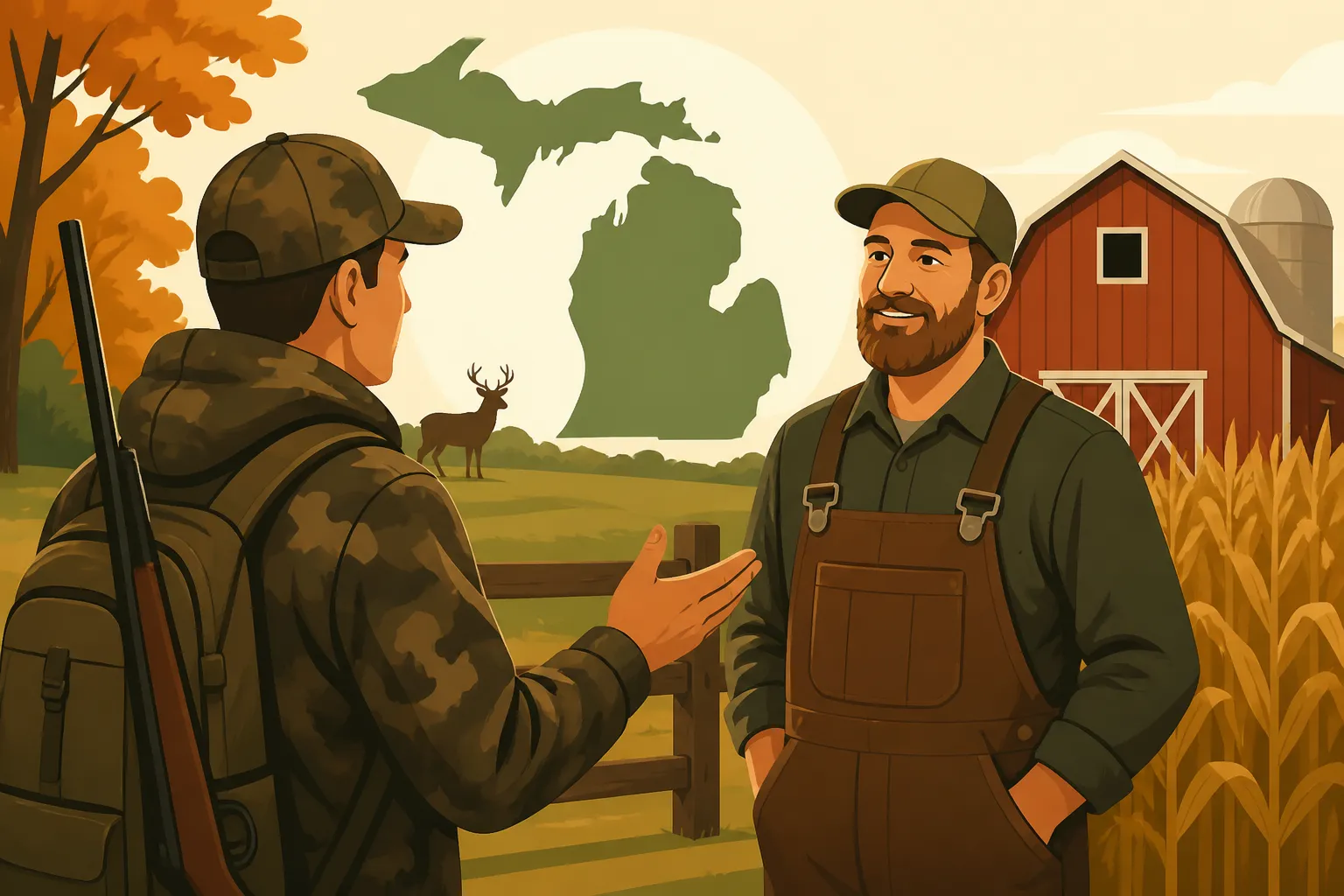
When you do approach, be polite, humble, and brief. Start with a simple "Hello, Mr./Mrs. [Landowner Name]. My name is [Your Name], and I live in [Your Town]." Immediately acknowledge that you know they are busy and appreciate their time. State your purpose clearly: "I was wondering if you ever allow hunting on your property. I've noticed you have some wonderful habitat here, and I'm looking for a safe, responsible place to hunt deer this season." Listen more than you speak. If they express concerns, address them directly and calmly. Be prepared for a "no" and handle it with grace. A simple "I understand completely, thank you for your time anyway" can leave a far better impression than arguing or looking dejected. You want to leave them thinking, "He was a good, respectful kid," not "Good riddance."
What to Say and What to Avoid
When you get to the actual "ask," emphasize safety, respect, and communication.
What to say:
- "I am a very safety-conscious hunter." Emphasize your commitment to hunter safety, knowing and following Michigan's rules, including things like Michigan Hunter Orange Rules and the regulations for Legal Firearms for Michigan Deer.
- "I will treat your property as if it were my own." This means no littering, respecting boundaries, staying away from buildings and livestock.
- "I will park only where you designate." Avoid creating ruts or blocking access.
- "I am only interested in hunting specific areas…" Point to your map. This shows you're not planning to roam everywhere.
- "I understand the importance of your crops/livestock and will stay clear."
- "I will check in with you before I hunt and let you know when I leave." This offers peace of mind and keeps lines of communication open.
- "I'm happy to help with any nuisance deer issues you might have, especially with antlerless tags." This directly addresses crop damage concerns.
- "I have my hunting license and ID with me if you'd like to see it."
What to avoid:
- Don't start with, "How much do you charge?" While some landowners lease, assuming that's the only way shows a transactional mindset rather than a respectful request. You're asking for permission first.
- Don't act entitled or demand access. It's their land, their decision.
- Don't argue if they say no. A gracious acceptance goes a long way.
- Don't make promises you can't keep. Be realistic about what you can offer.
- Don't bring up your hunting prowess or how many big bucks you've shot. This can come across as boasting or that you're only in it for a trophy.
- Don't show up with your hunting gear on. That's far too presumptuous.
- Don't mention past negative experiences with other landowners or "bad hunters." Keep the focus positive and on your good character.
Building a Lasting Relationship (If You Get a "Yes")
Congratulations! You got a "yes." This is fantastic, but the hard work isn't over. In fact, it's just beginning. Gaining permission is only the first step; maintaining that permission, and transforming it into a lasting, positive relationship, is the true goal. Think of this as a long-term investment. Your actions now will determine whether this is a one-time opportunity or a cherished annual tradition.
Many hunters make the mistake of thinking the "yes" is the finish line. It's not. It's the starting gun. Every time you step onto that land, you are representing yourself and reaffirming the farmer's decision. Over time, a strong relationship can even lead to more opportunities, like access to additional parcels or being invited to help with other farm tasks. But it all hinges on your continued adherence to the unspoken contract of trust and respect.
Maintaining Trust and Showing Gratitude
The most important rule after getting permission is simple: do exactly what you said you would do, and then some. If you said you'd only hunt the back forty, stick to the back forty. If you promised to check in, do it. Leave gates exactly as you found them, whether open or closed. If you notice a fence post down, let them know. Pick up any trash you see, even if it's not yours. Your integrity is constantly on display.
Beyond fulfilling your promises, regularly show your gratitude. A small gesture can go a long way. This might include sharing some of your harvest (if they like venison, make sure you know Handling Bear Meat Safely if you ever hunt bear or if it's just deer, offer some steaks or ground meat). A holiday card, an offer to help with a specific chore around the farm, or even just stopping by to chat for a few minutes and ask how they're doing can cement your relationship. If you've been successful, make sure to follow through on legal requirements like Reporting a Michigan Harvest in 72 Hours, as this demonstrates your commitment to being a responsible hunter. Remember, it's a privilege, not a right, and treating it as such will ensure you maintain that access for years to come.
Common Pitfalls and How to Avoid Them
Even with the best intentions, it's easy to make mistakes that can jeopardize your hard-won permission. Be vigilant and avoid these common pitfalls:
- Bringing Unannounced Guests: Never, ever bring another hunter onto the property without explicit, advance permission from the landowner. Even if it's your best friend or child, ask first. The permission was granted to you, not an open invitation.
- Leaving Gates Open or Fences Damaged: This is a cardinal sin on a farm. Livestock escaping or crops being trampled can cost a farmer time and money. Always double-check gates.
- Driving Off-Road or Creating Ruts: Stick to established tracks or designated parking areas. Wet fields can be easily damaged by vehicles. Walk if there's any doubt about driving conditions.
- Shooting Too Close to Buildings/Livestock: Always be aware of safety zones and where the farmer’s home, barns, or animals are located. Respect the Michigan Safety Zone Rules and then some.
- Littering: Any wrappers, spent casings, or other garbage left behind is a huge red flag. Pack it in, pack it out. Leave the property cleaner than you found it.
- Excessive Communication (or Lack Thereof): Don't call or show up every day, but also don't disappear for months. Find a balance that works for both of you. A simple text before you head out and after you leave is usually sufficient.
- Ignoring Specific Instructions: If the farmer told you not to enter a certain woodlot, don't. If they asked you to only hunt weekdays, respect that. Their rules are paramount.
- Complaining About Conditions or Lack of Deer: Never whine. You were granted a privilege. If the hunting isn't great, that's part of hunting.
- Overstaying Your Welcome: Don't linger unnecessarily, especially when the landowner is busy. Be mindful of their time and privacy.
Maintaining private land access in Michigan is about forging a relationship based on mutual respect and clear communication. It's a testament to your character as a hunter and a citizen. By being thoughtful, prepared, and consistently considerate, you can unlock incredible hunting opportunities and build lasting friendships with the hardworking farmers who are the stewards of so much of our state's beautiful landscape. Don't forget that using tools like onX Hunt can help you define boundaries clearly, ensuring you respect the exact limits of your hard-earned permission.
Disclaimer
This article is for general informational purposes only and does not constitute professional advice. Laws, prices and regulations vary by location and change over time. Consult a qualified professional for guidance on your specific situation.