Woodcock Hunting Michigan Alder Runs
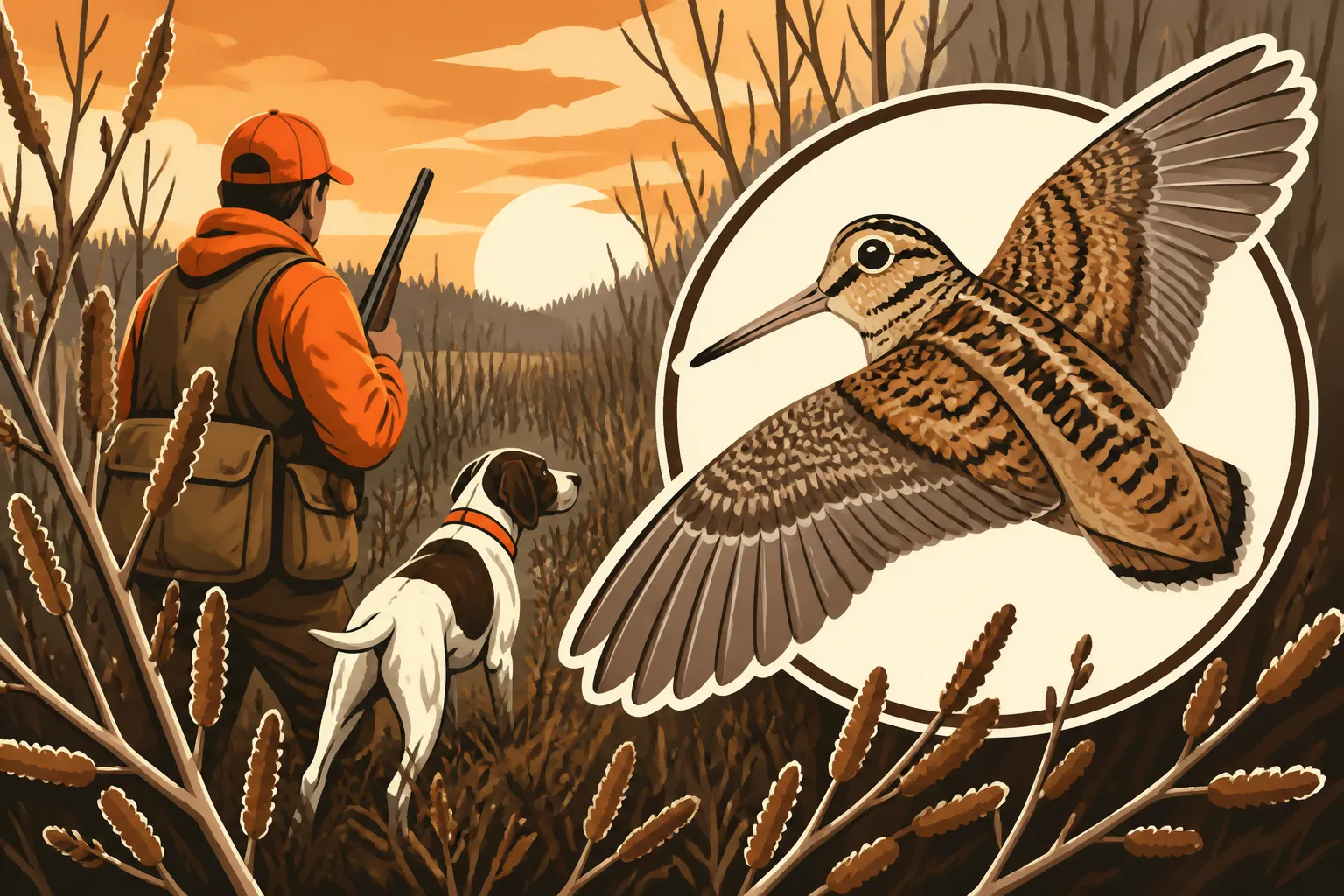
There's nothing quite like the sudden, explosive flush of a timberdoodle from a dense alder run. It's a moment that can make even the most seasoned bird hunter jump, followed by a mad scramble to shoulder the shotgun before the little bird zips away through the thick cover. But consistently finding these elusive, migratory treasures in Michigan's alder thickets can feel like a game of hide-and-seek where the rules keep changing. This comprehensive guide will pull back the curtain on woodcock hunting in Michigan's alder runs, giving you the insights and tactics to turn those frustrating misses into more birds in the bag.
Understanding Michigan's Timberdoodle Habitat: The Alder Run
Michigan's landscape is a patchwork of forests, wetlands, and agricultural land, but for the American woodcock, a specific habitat stands out: the alder run. These dense, often wet thickets are the bread and butter for timberdoodles, providing everything they need to thrive, at least for a time. Ignoring these areas when woodcock hunting Michigan's alder runs is like trying to find fish in a desert.
Why Alder is King for Woodcock
Alder isn't just a random plant; it creates a micro-environment that perfectly suits the woodcock's unique lifestyle. First and foremost, the sheer density of alder thickets offers unparalleled protection. When those branches grow together, they form a near-impenetrable fortress against aerial predators like hawks and owls, and even ground-based threats. A woodcock, with its mottled brown plumage, can practically disappear into the dappled light and shadow of an alder clump, making it incredibly hard for predators (and sometimes even hunters!) to spot.
Beyond protection, the moist soil beneath alder stands is absolutely crucial. Woodcock feed almost exclusively on earthworms, and earthworms thrive in rich, damp soil. Alder often grows in low-lying areas, along stream banks, or in the transition zones of swamps where the water table is consistently high. This ensures the ground remains soft enough for the woodcock's long, sensitive bill to probe deep for its squirming supper. You'll often find their distinctive "probing holes" in the mud, looking like someone jabbed a pencil repeatedly into the ground. If you're not seeing those little holes, it might be an indicator that the soil isn't holding enough moisture, or the worms aren't plentiful, making it less attractive for woodcock.
Identifying Productive Alder Runs
Not all alder is created equal. While woodcock will occasionally use sparse patches, they truly prefer dense, young alder thickets. We're talking about areas where the branches are so interwoven you practically have to push your way through them. Look for thickets that are relatively young, meaning the alder stems are often slender and packed close together. Overly mature, sparse alder stands with a lot of deadfall don't offer the same level of cover or feeding opportunities.
When you're trying to identify these prime spots, both aerial maps and on-the-ground scouting are your best friends. On a satellite image, alder often appears as a bright, vibrant green, almost electric, especially when compared to darker conifers or drier hardwoods. Look for these bright green strips running along creeks, on the edges of swamps, or filling in old clearings that have regenerated. You might even find them interspersed with patches of young aspen or willow, which also create fantastic, dense cover. Once you're on the ground, the signs become even clearer. Is the ground moist? Are there probing holes? Is the cover thick enough that you can barely see twenty feet? These are all positive indicators. Pay attention to how the thicket transitions to other cover types, as these edges can be prime areas where birds hold, especially if they are moving between feeding and roosting sites.
Seasonal Changes in Alder Run Use
Woodcock are migratory birds, and their use of Michigan's alder runs shifts considerably throughout the hunting season. In the early part of the season, typically September and early October, you'll primarily be hunting local, resident birds. These are the woodcock that hatched in Michigan, spent their summer growing up here, and haven't yet felt the urge to migrate south. They're often in predictable spots, sticking close to their preferred feeding and roosting grounds. This is a great time to learn a few specific coverts and revisit them regularly.
As the season progresses into mid-October, however, things start to change. Cooler temperatures, shorter days, and the first significant cold fronts from the north trigger the major southward migration, often referred to as "the flight." During this time, Michigan's alder runs become critical staging and feeding grounds for thousands of woodcock moving through from Canada and the Upper Peninsula. You might find a covert that held only a handful of birds a week ago suddenly teeming with them. This is when the weather really dictates the hunting, as big pushes of birds often coincide with cold fronts that bring strong northerly winds. Then, as November approaches, the numbers start to dwindle. You're looking for the last waves of birds, often hunkered down in the thickest, most protected cover, sometimes even mixing with the last of the grouse before the hard freeze sets in.
Timing Your Hunt: The Michigan Woodcock Migration
Successfully hunting woodcock in Michigan is as much about understanding their migratory patterns as it is about finding the right cover. These little "timberdoodles" are constantly on the move, and hitting the right window can make all the difference between a slow day and a banner one. Michigan sits squarely in a major migratory corridor, making our state a fantastic spot to intercept birds moving through.
Early Season Local Birds (September-Early October)
When Michigan's woodcock season opens, typically in mid-September, you're primarily hunting the birds that were born and raised right here in the state. These local woodcock haven't yet begun their long journey south, so they tend to be found in more consistent, familiar areas. These early weeks are a fantastic time to scout and learn specific coverts without the added variable of migratory pushes. You might find a particular alder run along a creek that consistently holds three or four birds, year after year. The key here is to identify these reliable spots and revisit them.
Hunting these local birds often means less pressure. They might not be as "jumpy" as their migratory counterparts who have already been pushed by a few hunters up north. Focus on slow, methodical pushes through the cover, allowing your dog (if you have one) to work thoroughly. Without a dog, walking in a grid pattern and pausing frequently can help pinpoint where birds are holding. The foliage is still thick, so shots will be close and fast. Don't be surprised if these local birds are a bit heavier and more robust, having spent the summer gorging on Michigan's abundant earthworms.
Peak Migration Periods (Mid-October)
Ah, the "flight." This is what every woodcock hunter dreams about. Usually, by mid-October, Michigan experiences its peak woodcock migration. This period is heavily influenced by weather patterns. A strong cold front pushing down from Canada, especially one accompanied by brisk north winds, can bring a huge influx of birds into Michigan. You can literally find coverts that were empty one day suddenly holding dozens of woodcock the next. This phenomenon, often referred to as "Timing the Michigan Woodcock Flight", is the holy grail for many upland hunters.
During the peak migration, woodcock will use virtually any suitable alder run, sometimes even less ideal cover, as a temporary stopping point to feed and rest before continuing their journey. The key to hunting during the flight is to be flexible and ready to move. If you hear reports of birds hitting certain areas, or if the weather aligns perfectly, make the time to get out there. The hunting can be fast and furious, with multiple flushes in short order. These migratory birds can sometimes be a bit more nervous, flushing sooner, so being prepared for quick shots is paramount. This is also when you'll often encounter mixed bags, finding woodcock and grouse in the same cover, making for an exciting day in the woods.
Late Season Opportunities (Late October-Early November)
As October draws to a close and November begins, the woodcock season in Michigan starts to wind down. The bulk of the migration has typically passed, but that doesn't mean the hunting is over. There are still late-season opportunities for those willing to brave the colder weather and increasingly sparse cover. At this point, you're looking for the last waves of migratory birds, often ones that have lingered, or local birds that have been particularly slow to head south.
These late-season birds will often be hunkered down in the thickest, most protected alder runs, especially those close to water sources that might provide some thermal cover or hold off a hard freeze. Look for areas with a mix of evergreen cover nearby, like cedar swamps, which can offer refuge during colder nights. The foliage is much thinner now, making for slightly easier shooting, but also making the birds a bit warier. You might need to work harder for each flush, systematically pushing through every corner of promising cover. Don't overlook the edges of fields or even dense brush rows that connect larger alder blocks; these can be travel corridors for birds moving under the cover of darkness. While you might not find the sheer numbers of the peak flight, late-season woodcock are often a testament to perseverance, and a hard-earned bird in chilly November is just as rewarding.
| Season Period | Typical Dates in Michigan | Key Woodcock Behavior | Ideal Hunting Strategy |
|---|---|---|---|
| Early Season (Local) | Mid-September – Early October | Resident birds, often in consistent coverts. | Methodical, slower pushes; revisit known spots. |
| Peak Migration (Flight) | Mid-October | Large influx of migratory birds after cold fronts. | Be flexible, chase weather patterns, fast action. |
| Late Season (Lingering) | Late October – Early November | Last waves, hunkered in thick, protected cover. | Harder work, systematic pushes, look for mixed cover. |
Essential Gear for Michigan Alder Runs
Hunting woodcock in Michigan's alder runs isn't just about finding the birds; it's also about being prepared for the environment. These thick, often wet coverts demand specific gear choices to ensure your comfort, safety, and ultimately, your success. Think briars, mud, and quick flushes.
Shotguns and Ammunition Choices
When it comes to shotguns for woodcock, speed and maneuverability are king. These birds flush quickly, fly erratically, and disappear into cover faster than you can say "timberdoodle." Therefore, an open-choked shotgun is almost universally preferred. Many hunters opt for a 20-gauge or even a 28-gauge, which are lighter and quicker to shoulder. Over-unders or side-by-sides with very open chokes like Improved Cylinder and Skeet are fantastic. A pump or semi-auto with a single open choke works just fine too. The goal is to get as wide a pattern as possible for those close-range, snap shots. A full or modified choke will simply turn your bird into a puff of feathers or miss entirely.
For ammunition, light loads with small shot sizes are the standard. Typically, 7.5, 8, or even 9 shot are ideal. Woodcock are delicate birds, and you don't need heavy loads or large shot to bring them down. The smaller pellets create a denser pattern, increasing your chances of connecting with the fast-moving target in dense cover. Remember, most shots will be within 15-25 yards, so a broad, forgiving pattern is more important than long-range power. If you're also hoping to take a ruffed grouse that might be sharing the same cover, a 7.5 shot load offers a good compromise for both species. Understanding your shotgun's pattern with different loads and chokes is crucial, as is discussed in articles like "Choke Choice for Fast Flushes" and "Shot Size for Grouse and Woodcock."
Clothing and Footwear for Wet Thickets
If you've ever pushed through an alder run, you know it's a constant battle against moisture and thorns. This isn't a place for your fair-weather hunting clothes. Waterproof footwear is absolutely non-negotiable. Knee-high rubber boots are often the preferred choice, especially if you're slogging through mucky, water-logged areas. If you prefer hiking boots, invest in high-quality waterproof ones and pair them with durable gaiters to prevent water, mud, and debris from getting inside. Nothing ruins a hunt faster than cold, wet feet.
For clothing, briar-resistant pants or chaps are a lifesaver. Alder thickets are often mixed with thorny bushes, and standard hunting pants will be shredded in no time. Look for heavy-duty nylon or waxed cotton materials designed to shed briars. Layering is also important for warmth and comfort, as you'll be exerting yourself pushing through cover, but then might stop to listen or wait for your dog. Start with a moisture-wicking base layer, add a fleece or wool mid-layer, and finish with a durable, brush-resistant outer shell. And, of course, safety is paramount: always wear hunter orange, ensuring you meet Michigan's "How Much Orange Michigan Requires" regulations, especially if hunting with others or in areas where deer hunters might be present. A good quality upland vest with plenty of game bag space and shell loops can also make your day much more comfortable.
Navigation and Bird Handling Tools
Even with a well-trained dog, alder runs can quickly disorient you. The cover is so thick that landmarks disappear, and it's easy to get turned around, especially on public land. A reliable GPS unit or a smartphone with a robust mapping app is absolutely essential. Tools like the Mi-HUNT map, or even commercial apps such as GoHunt, offer invaluable layers showing property lines, topographical features, and even recent timber cuts. Before you head out, download offline maps, as cell service can be spotty in remote areas. Mark your vehicle and any other key points (like where your hunting partner went in) as waypoints.
Beyond navigation, a good bird vest is a must. It should have a large, easy-to-access game bag for your birds and enough pockets to carry essentials like extra shells, a small first-aid kit, water for yourself and your dog, and a dog whistle. A quality whistle is crucial for communicating with your canine companion, especially in dense cover where vocal commands might be muffled. Finally, a small bottle of water is vital for both you and your dog. Pushing through thick alder is hard work, and staying hydrated is key to enjoying your hunt and remaining effective in the field.
Tactics for Flushing and Shooting Timberdoodles
Woodcock hunting is a fast-paced game that demands quick reactions and specific strategies, especially in the thick confines of an alder run. Whether you hunt with a seasoned bird dog or prefer to push cover on your own two feet, understanding how to effectively flush and shoot these erratic flyers is crucial.
Hunting With a Dog in Alder
Hunting woodcock with a pointing dog is, for many, the quintessential upland experience. A good bird dog is an invaluable asset, covering ground more thoroughly and finding birds that you would undoubtedly walk past. The dog's nose can detect the scent cone of a hidden woodcock, leading to a solid point. This allows you, the hunter, to get into position, mentally prepare for the flush, and often results in a more controlled shot opportunity. Without a dog, many woodcock would simply sit tight and let you walk right by.
However, hunting with a dog in dense alder presents its own set of challenges. The thick cover can make it difficult to see your dog, especially if they go on point deep in the brush. Communication becomes paramount. Using a bell on your dog's collar or an electronic beeper can help you keep track of their location. When the bell stops, you know your dog is likely on point. It's then up to you to push through the cover, locate your dog, and approach the bird cautiously. The thick cover also means your dog might get tangled in briars, so checking them regularly for cuts and thorns is important. Training your dog to hold point until you arrive and flush the bird is key to maximizing opportunities in this challenging environment.
Flushing Without a Canine Companion
For those who don't hunt with a dog, or for the curious hunter wanting to explore new cover, flushing woodcock on your own requires a more systematic approach. Woodcock are renowned for holding tight, often letting a hunter walk right past them before flushing. To counter this, adopt a slow, deliberate movement pattern, often in a grid or zig-zag through the alder run. Don't just walk in a straight line; crisscross the cover, ensuring you push through every promising clump of alder and every pocket of moist ground.
Pausing frequently can also be incredibly effective. Walk for 15-20 yards, then stop dead still for 10-15 seconds. This often makes a woodcock, which was hoping to remain undetected, nervous enough to flush. Listen intently during these pauses; sometimes you'll hear the characteristic whistling of their wings as they burst from the cover. When a bird flushes, immediately mark the direction and approximate distance of its flight. Woodcock often don't fly far, especially if they're local birds or if the cover is particularly good. You might be able to circle around and re-flush the same bird, or find another one nearby. It's a game of patience and persistence, but it's incredibly rewarding when you make contact.
Shooting Strategies in Dense Cover
Let's be honest: shooting woodcock in an alder run is not like shooting doves over a field. These are incredibly challenging shots. The birds explode from the cover, often flying just above the brush line for a few yards before diving back into the thicket. You have mere seconds, if that, to react. This means snap shooting is the order of the day. There's no time for a slow, deliberate mount and swing. You need to get the gun up, get the bead on the bird, and pull the trigger, all in one fluid motion.
The biggest mistake hunters make is trying to pick out the bird against the background of brush. You simply don't have time. Instead, focus on the bird itself, let your peripheral vision be aware of the barrel, and trust your instincts. Practice mounting your shotgun quickly and smoothly at home, even if it's just pointing at a spot on the wall. When you're in the field, anticipate the flush. Walk with your gun at the ready, stock slightly tucked into your shoulder, so you're not starting from scratch. Remember that woodcock are relatively slow fliers once airborne, but their initial burst and erratic flight path through the timber make them seem like feathered rockets. Don't be discouraged by misses; every woodcock hunter knows the feeling. Just stay focused, keep practicing, and those quick shots will start to connect.
Locating Productive Michigan Alder Runs
Finding the right alder runs is the cornerstone of successful woodcock hunting in Michigan. It's not always about sheer acreage; sometimes, a small, overlooked patch of cover holds a surprising number of birds. Knowing how to scout, both from your armchair and on foot, will give you a significant advantage.
Using Maps and Online Resources
In today's age, mapping technology has revolutionized scouting. Before you even set foot in the woods, you can use online resources to pinpoint potential woodcock habitat. The Michigan DNR's Mi-HUNT map is an excellent, free tool that provides land ownership, habitat types, and even details on prescribed burns or timber sales. Look for areas marked as "wetlands," "bottomland hardwoods," or "young forest" adjacent to water features like creeks, rivers, or small ponds. Satellite imagery layers are incredibly useful; as mentioned before, alder often shows up as that distinctive bright green.
Commercial mapping apps, such as GoHunt, can offer even more detailed topographic maps, private property boundaries (crucial for ensuring you're on public land or have permission), and a user-friendly interface for marking waypoints. When using any of these tools, zoom in and identify fingers of alder extending into other cover types, or large blocks of young alder within state game areas or national forests. Pay attention to how these coverts connect to other habitat types, as woodcock often move between feeding areas and more open roosting cover. Identifying these transitions can tell you a lot about how birds might use the landscape. For more detailed information on leveraging technology, check out "Using Mi-HUNT on a Phone."
Scouting on Foot Before the Season
While maps are a great starting point, nothing beats boots on the ground. Pre-season scouting, even without a gun, is incredibly valuable for woodcock hunting. Walk through promising alder runs and look for physical signs of woodcock activity. The most obvious sign is "splash," which is woodcock droppings. These are often splattered on leaves or the ground, looking like white or light gray paint, sometimes with a darker center. The presence of splash confirms that birds have been using that specific area.
Another key sign is "probing holes" in the moist soil. These are distinct, small holes, about the diameter of a pencil, where the woodcock has poked its bill into the ground searching for earthworms. If you find an area with numerous probing holes, you've likely found a productive feeding spot. Also, pay attention to the overall moisture level of the soil. If it's bone dry, it's probably not holding many earthworms, and thus not many woodcock. As you walk, consider potential travel corridors within the alder, or how birds might move between the dense thicket and nearby more open cover like young aspen. These specific observations will give you confidence when the season finally opens.
Public vs. Private Land Opportunities
Michigan offers abundant public land, and many of these areas contain excellent woodcock habitat. State game areas, state forests, and Michigan's three National Forests (Huron-Manistee, Ottawa, and Hiawatha) are all prime candidates. These public lands are managed for diverse wildlife, and young forest initiatives often create ideal alder and aspen regeneration that woodcock love. Look for areas that have had recent timber cuts or prescribed burns, as these disturbances often lead to the dense, brushy regrowth that woodcock prefer. Websites and kiosks at these locations often highlight habitat work. Articles like "Public Hunting Land in Michigan" provide a great overview of these opportunities.
However, don't overlook private land opportunities, especially if you know farmers or landowners with low-lying areas, creek bottoms, or fallow fields. Many private parcels, particularly in Southern Michigan farm country, can hold incredible numbers of woodcock during migration. Always remember to ask for permission well in advance and be respectful of the landowner's property. Sometimes, a small, neglected corner of a farm with a thick alder patch can be a woodcock goldmine. Regardless of whether you're on public or private ground, always verify property lines with a mapping app to avoid trespassing.
Conservation and Ethical Hunting
As hunters, we are the primary stewards of the wildlife and wild places we cherish. This responsibility extends fully to woodcock hunting, ensuring that these unique birds thrive for generations to come. Ethical behavior and adherence to regulations are not just legal obligations but moral imperatives.
Understanding Bag Limits and Regulations
Before you even step into an alder run, make sure you are fully aware of Michigan's current woodcock regulations. Seasons and bag limits can change, so always consult the most recent Michigan DNR hunting guide or website. Typically, Michigan's woodcock season runs from mid-September through early November. The daily bag limit is usually three birds, with a possession limit of nine. It's crucial to correctly identify a woodcock from other similar-looking species, although its unique flight and habitat usually make this fairly easy.
One critical requirement for all migratory bird hunters in Michigan is HIP (Harvest Information Program) certification. Even if you're not hunting ducks or geese, if you plan to hunt woodcock, doves, or snipe, you must obtain your HIP certification annually. This is a federal program that helps wildlife agencies gather crucial data on migratory bird harvests, which in turn informs management decisions. You can typically get your HIP certification when you purchase your Michigan hunting license. For more details, refer to "Michigan HIP Certification for Bird Hunters." Failure to comply can result in fines and penalties.
Habitat Preservation for Woodcock
The future of woodcock hunting in Michigan, and across their range, is directly tied to the availability of suitable habitat. Woodcock are a species of "early successional habitat," meaning they rely on young forests, brushy fields, and regenerating clearcuts. These habitats are naturally transient; as forests mature, they become less suitable for woodcock. This is a significant conservation challenge, as many of Michigan's forests are aging, leading to a decline in prime woodcock (and grouse) habitat.
Hunters and conservation organizations play a vital role in advocating for and funding habitat management that creates and maintains these young forests. Organizations like the Ruffed Grouse Society and American Woodcock Society work tirelessly with landowners and state agencies to promote logging and other management practices that benefit these species. By supporting these efforts, hunters directly contribute to ensuring there are alder runs and aspen cuts for woodcock to call home in the future. Understanding and promoting these conservation efforts is just as important as knowing how to find the birds themselves.
Respecting the Resource
Ethical hunting practices are the bedrock of our tradition. This means more than just following the law; it means demonstrating respect for the animal, the land, and your fellow hunters. Always prioritize safe gun handling, especially in dense cover where visibility is limited and hunting partners might be close by. Ensure you have a clear, safe shot and are certain of your target before pulling the trigger.
Once a bird is shot, make every effort to retrieve it quickly and efficiently. Woodcock, with their small size, can be notoriously difficult to find in thick cover, especially if they fall into dense briars or water. A good dog is invaluable for retrieval, but even without one, systematically searching the fall zone is essential. Leaving a downed bird behind is a waste of a precious resource. Finally, be a good ambassador for hunting. Respect private property, clean up any trash, and always portray a positive image of hunters in the field. These actions ensure that the privilege of woodcock hunting in Michigan's alder runs continues for generations to come.
Disclaimer
Please remember that hunting regulations in Michigan are subject to change. Always consult the most current Michigan DNR hunting digests and regulations before heading afield. Safety should be your number one priority at all times while hunting.