Hunting the Garden Peninsula
The Garden Peninsula in Michigan's Upper Peninsula offers a truly unique hunting experience, but its distinct geography and a common misunderstanding of public access can leave many hunters feeling frustrated or overwhelmed. This guide is dedicated to helping you unravel the complexities of hunting this fascinating finger of land, providing insights into its deer, small game, and bird hunting opportunities, and equipping you with the knowledge to plan a successful and rewarding trip.
Understanding the Unique Character of the Garden Peninsula for Hunters
The Garden Peninsula isn't just another chunk of Michigan public land; it's a geographic anomaly, a narrow finger of land jutting into Lake Michigan. This distinctive shape creates a unique environment for wildlife and, consequently, a particular set of challenges and opportunities for hunters. If you've ever tried to hunt areas with a lot of water boundaries, you know it changes everything.
Geography and Habitat: What Makes It Special
Imagine a landmass almost entirely surrounded by the vast waters of Lake Michigan and Big Bay de Noc. This peninsular effect means that wildlife movement, especially deer, can be very different from what you'd find in the broader, uninterrupted forests of the central U.P. The habitat here is a mosaic, often transitioning quickly from cedar swamps and dense lowland thickets along the shoreline to more open hardwood ridges and agricultural fields further inland. This diverse cover provides excellent sanctuary for deer and small game, but it also makes them incredibly challenging to pinpoint. You might be walking through a dry, open hardwood ridge one minute, only to step into a saturated cedar swamp the next. These abrupt habitat changes often create natural travel corridors and pinch points, which are goldmines for the observant hunter. The mixture of mature timber, young regenerating cuts, and occasional agricultural parcels means different food sources are available throughout the seasons, influencing where deer choose to browse and bed. Understanding these transitions is crucial for effective Scouting Michigan Public Land Before Season.
The shoreline areas, particularly the extensive cedar swamps, are incredibly dense and often hold deer even when pressure elsewhere is high. These areas provide both thermal cover in harsh winters and excellent hiding spots during hunting season. However, they are also notorious for being difficult to traverse, with thick undergrowth, standing water, and boggy terrain. Accessing these areas often requires extra effort and appropriate gear, but the reward can be finding deer that haven't been pushed by other hunters. Further inland, you might encounter old growth timber or even active logging operations, which can create fantastic browse and security cover in their wake, influencing deer movement for years after a cut.
Deer Herd Dynamics in a Peninsula Environment
The deer herd on the Garden Peninsula experiences different pressures and movements compared to the mainland. While it's still part of the broader Upper Peninsula Deer Yarding and Winter Movement patterns, the peninsula's unique geography means deer are somewhat confined. They can't simply disperse infinitely to the north, east, or west; they are essentially funneled by the water. This can lead to higher localized deer densities in certain areas, especially those offering good winter cover or consistent food sources. However, it also means that hunting pressure can concentrate deer in specific pockets. When you consider the vastness of the U.P., a peninsula like this can feel smaller to deer, making them acutely aware of human activity.
Winter severity plays a significant role in the overall health and numbers of the deer herd here, just like the rest of the U.P. A brutal winter with deep, persistent snow can take a heavy toll. However, the proximity to the moderating influence of Lake Michigan can sometimes create slightly different microclimates than inland areas, potentially offering a marginal benefit in some severe conditions. Hunters often observe deer yarding up in the dense cedar swamps during winter months, a critical survival strategy. Understanding these yarding areas, even outside of hunting season, can give you a major advantage when planning your hunt. During hunting season, particularly the firearm season, deer movement can be heavily influenced by how quickly hunters move through the landscape. Deer will often use the thickest cover along the shoreline or within interior swamps to escape pressure, making those hard-to-reach spots prime targets for patient hunters. The limited dispersal routes mean deer often reuse specific travel corridors, year after year, especially when navigating between bedding and feeding areas.
Planning Your Hunt on the Garden Peninsula
A successful hunt on the Garden Peninsula, like any unique hunting destination, hinges on thorough planning. You can't just show up and expect to stumble into a prime spot; the nuances of land ownership and deer behavior demand a more strategic approach.
Navigating Public and Private Land Access
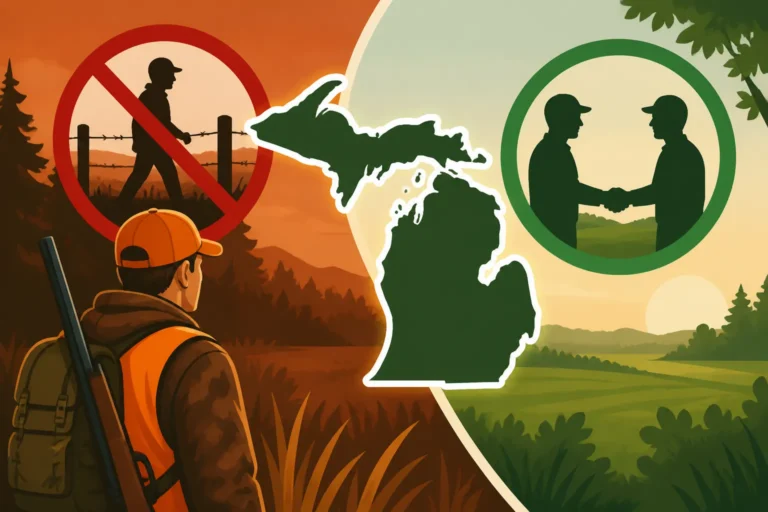
One of the biggest hurdles for any hunter new to an area, especially a distinct one like the Garden Peninsula, is figuring out who owns what. The peninsula is a mix of state land, mostly state forest, and private parcels, including homes, cabins, and farms. Identifying these boundaries accurately is paramount. I can't tell you how many times I've heard stories of hunters unintentionally trespassing because they didn't do their homework. This is where modern technology becomes your best friend. Tools like the onX Hunt app are invaluable for showing property lines, identifying public lands, and even displaying landowner names, which can be critical if you're seeking permission for private access. You can instantly see where state land ends and private land begins, helping you avoid costly mistakes and ensuring you're hunting legally and ethically.
When you're looking at a map, you'll often see state land abutting private property, sometimes creating corridors or pinch points that deer use to move between secure cover and food sources. These transition zones are often high-activity areas. Don't be afraid to zoom in and spend time studying the satellite imagery. Look for linear features like old fence lines, subtle changes in timber type, or even faint two-tracks that mark boundaries. Always respect posted signs and "no trespassing" warnings. If you're lucky enough to gain private land permission, always get it in writing and understand the landowner's specific rules. For state forest land, remember that while it's generally open to hunting, there might be specific regulations regarding vehicle access, camping, or Treestand Rules on Michigan Public Land. Always consult the current Michigan hunting regulations to ensure compliance.
Essential Scouting and Research Before You Go
Before you even set foot on the peninsula, a significant portion of your scouting can be done from your computer or phone. Start with aerial maps. Look for changes in elevation, even subtle ones, that could indicate a ridge or a swamp edge. Identify different timber types – those dark green patches are often cedar or spruce swamps, while lighter green areas might be hardwoods or aspen cuts. These differences in vegetation are key to Reading Aerial Photos for Swamp Deer and understanding where deer will bed, feed, and travel. Pay close attention to potential travel corridors: narrow strips of timber connecting larger blocks of cover, edges of clearcuts, or natural funnels created by terrain or water features.
Cross-reference these aerial maps with topo maps to understand the terrain. Even in relatively flat areas, a slight rise can act as a natural travel route, offering deer a drier path or an elevated vantage point. Look for areas with diverse habitat, such as where a swamp transitions to hardwoods, or where an old clearcut provides new growth. These edge habitats are often incredibly productive. Don't forget to look at satellite imagery from different times of the year if available; sometimes, a winter image can reveal trails or clearings that are obscured by summer foliage. This kind of virtual scouting helps you narrow down potential areas, making your boots-on-the-ground scouting more efficient once you arrive. You'll spend less time wandering aimlessly and more time confirming sign and setting up stands in promising locations.
Dealing with Hunting Pressure and Finding Secluded Spots
The Garden Peninsula, especially during popular seasons like firearm deer season, can see its fair share of hunting pressure. Many hunters will gravitate to easily accessible areas – near main roads, two-tracks, or designated parking lots. To truly find success, you'll often need to venture off the beaten path and into areas that require more effort to reach. This means being willing to walk further than most, sometimes a mile or more from the nearest road. Those deep cedar swamps and dense lowland thickets, while challenging to navigate, are often sanctuaries for deer pushed by other hunters. They know they're less likely to be disturbed in these impenetrable spots.
One effective strategy is to use aerial maps to identify these difficult-to-access areas that are surrounded by accessible public land. Look for pockets of cover that are just a little too far for the average hunter to walk, or areas that require crossing particularly dense or wet terrain. These are often the places where older, wiser bucks will seek refuge. Consider hunting during less popular times of day, like midday, when many hunters are taking a break, or focusing on weekdays rather than weekends. Sometimes, the key to Finding Ground Others Walk Past is simply being willing to put in the extra miles or endure slightly more uncomfortable conditions. Parking your vehicle at an unusual spot, or at least one not directly adjacent to an obvious trail, can also help you avoid drawing attention to your chosen hunting area.
Species-Specific Tactics for the Garden Peninsula
The diverse habitats of the Garden Peninsula support a variety of game species, each requiring its own unique approach. While deer hunting might be the primary draw for many, don't overlook the excellent opportunities for small game and birds.
Whitetail Deer Strategies
Deer hunting on the Garden Peninsula combines elements of big woods hunting with aspects of farm country hunting, depending on the specific area you're in. For the most part, you'll be dealing with forested environments. During archery season, especially early on, focusing on transition zones between bedding cover (like thick cedar swamps or dense regenerating timber) and food sources (acorn flats, agricultural fields, or even clearcuts with fresh browse) is key. The peninsula is known for its extensive cedar swamps, and mastering how to hunt these challenging habitats is crucial. Deer often use the edges of these swamps, or subtle high ground within them, as travel corridors. Reading a Michigan Cedar Swamp for Deer can reveal hidden trails and bedding areas that most hunters overlook. Later in archery season, particularly as the rut approaches, look for scrape lines and rub lines along two-tracks, ridge lines, or the edges of dense cover.
During the firearm season, deer become much more nocturnal and wary due to increased pressure. Drive hunting can be effective in certain areas, particularly when you have a group willing to push through dense cover towards waiting standers. However, solitary hunters will often find success by still-hunting slowly through thick cover, especially during midday, or by setting up on known escape routes that deer use when pressured. Identifying natural funnels – narrow strips of cover between two open areas or between a swamp and a field – is paramount. Remember that deer here are accustomed to relying on dense cover for safety. If you find a patch of cover that looks too thick or too difficult to penetrate, that's often exactly where the deer will be. Patience and quiet movement are far more important than covering a lot of ground quickly.
Ruffed Grouse and Other Small Game Opportunities
Beyond deer, the Garden Peninsula offers fantastic opportunities for ruffed grouse and other small game. The cyclical nature of grouse populations means some years are better than others, but generally, the peninsula provides excellent habitat. Look for young aspen stands that are roughly 10-25 years old. These regenerating forests provide the dense overhead cover and abundant food sources (like aspen buds and catkins) that grouse thrive in. Grouse Hunting Michigan Aspen Cover involves walking these cuts, often in a zigzag pattern, working slowly and deliberately. If you have a good bird dog, this is where they truly shine, scenting out birds and holding them for a flush. Without a dog, be prepared to walk and listen for flushes, and be quick to get a shot off when a bird bursts from cover.
Woodcock are another popular target, often found in wetter areas with dense alders and young aspens. Look for their distinctive "splats" (droppings) on the ground as indicators of their presence. Woodcock Hunting Michigan Alder Runs involves slow walking through these dense, damp thickets. Squirrels (both fox and gray) are abundant in hardwood ridges, particularly during years with good mast crops like acorns or beech nuts. Early archery season can offer a fun combo hunt, as you can often bag a few squirrels while waiting for a deer. Rabbit hunting, especially for snowshoe hares in the thicker cedar swamps during winter, also presents an exciting challenge. Check the Michigan Small Game and Furbearer Seasons for specific dates and bag limits for all small game species.
Waterfowl and Other Bird Hunting
Given its prominent position in Lake Michigan, the Garden Peninsula also offers waterfowl hunting opportunities, particularly along the bay shores and in interior wetlands. The extensive shoreline of Big Bay de Noc and the myriad of small bays and coves provide staging and feeding areas for migrating ducks and geese. Setting up for diver ducks, like bluebills and redheads, along deeper bay edges can be productive, often requiring sturdy boats and large decoy spreads. For dabbling ducks like mallards and wood ducks, focus on smaller, shallower marshy areas, beaver ponds, or slow-moving creeks further inland. Scouting these areas to identify flight paths and consistent feeding spots is critical.
For geese, focus on agricultural fields, especially cut corn or winter wheat, where geese come to feed. Layout blinds and realistic decoy spreads are often necessary for success. During early goose season, you might find resident geese in various fields or larger ponds. Later in the season, as migratory birds move through, the numbers can swell. Remember to always consult the Michigan Waterfowl Seasons and Zones and be aware of lead-shot restrictions in wetland areas. While less common, some hunters might also find opportunities for crows, especially in areas with large roosts, providing another option for wing shooting.
Practical Considerations for Your Garden Peninsula Hunt
Embarking on a hunting trip to the Garden Peninsula requires more than just knowing where to hunt and what to hunt. Practical considerations like weather, lodging, and local services are crucial for a comfortable and safe experience.
Weather Challenges and Preparation
The weather on the Garden Peninsula, like much of the Upper Peninsula, can be unpredictable and extreme. Its location jutting into Lake Michigan means it's heavily influenced by the Great Lakes, leading to rapid changes in conditions. Expect anything from mild, sunny days to driving rain, heavy snow, and biting winds, sometimes all within the same week. A warm, sunny October archery day can quickly give way to a blustery, cold rain, or even an early snow. During November firearm season, temperatures can plummet, and lake effect snow can dump feet of accumulation. Cold Weather Sitting Strategy is essential if you plan to sit for long periods. Layering your clothing is not just a suggestion; it's a necessity. Start with a moisture-wicking base layer, add insulating layers like fleece or wool, and top it with a waterproof and windproof outer shell. Bring extra layers, even if the forecast looks mild, and always pack rain gear.
Footwear is particularly important, especially if you plan to venture into the ubiquitous cedar swamps. Waterproof boots, preferably insulated for colder weather, are non-negotiable. Rubber boots are often preferred for their ability to keep your feet dry in wet, muddy, or even standing water conditions. Having a dry change of clothes back at camp or in your vehicle can be a game-changer after a long, wet hunt. Be prepared for colder temperatures than inland areas, and stronger winds, especially when hunting close to the bay. Always check the local forecast immediately before and during your hunt, and be flexible with your plans if severe weather rolls in. A beautiful day can turn dangerous quickly, especially if you're deep in the woods or far from your vehicle.
Lodging, Supplies, and Local Services
While the Garden Peninsula offers a rustic, "get away from it all" feel, there are still services available, particularly in the larger towns like Garden and Fayette. However, these are often smaller, mom-and-pop operations, so planning ahead is wise. Lodging options might include small motels, cabins for rent, or dispersed camping on state forest land. If you plan to camp, ensure you understand the rules for Dispersed Camping on Michigan State Forest land. Reservations for cabins or motels, especially during peak hunting seasons, are highly recommended and should be made well in advance. Don't expect large chain stores or restaurants; local establishments are the norm, offering a charming, small-town experience.
When it comes to supplies, it's always best to bring the majority of what you need with you. While Garden has a small general store that might carry basic hunting necessities, specialized gear, ammunition, or specific food items might be hard to find without driving to larger towns like Manistique. Fuel is available, but stations might be few and far between, so keep your tank topped off. Cell service can be spotty in certain areas of the peninsula, especially once you venture off main roads and into thicker cover. Inform someone of your hunting plans, including your general location and expected return time. A GPS unit or a fully downloaded mapping app like onX Hunt that works offline is critical for navigation, as relying solely on cell service can leave you disoriented.
Respecting the Land and Local Communities
Hunting on the Garden Peninsula is a privilege, and it's essential to uphold the highest standards of ethical conduct and respect for both the land and the local communities. This includes practicing Leave No Trace principles: pack out everything you pack in, and leave nothing behind but footprints. Be mindful of your impact on the environment, especially in sensitive areas like wetlands or fragile dune ecosystems. Avoid damaging trees when hanging stands or setting up blinds; use methods that leave minimal trace. If you're using an ORV on state land, ensure you're only on designated trails and respecting all rules for ORV Rules on Michigan State Forest Roads.
Engage respectfully with local residents. Many of the people who live on the peninsula year-round are accustomed to hunters, but a friendly demeanor and adherence to local customs go a long way. Support local businesses whenever possible; grabbing a meal at a local diner or picking up supplies from a general store helps the community that hosts your hunting adventures. Always be aware of safety zones around dwellings and avoid shooting within prohibited distances. Understanding Michigan Safety Zone Rules is critical. By being a responsible and considerate hunter, you not only ensure your own positive experience but also contribute to the long-term sustainability of hunting opportunities on this unique and beautiful Michigan gem.
| Hunting Opportunity | Primary Habitat Focus | Key Tactics | Access Considerations |
|---|---|---|---|
| Whitetail Deer | Cedar Swamps, Hardwood Ridges, Field Edges | Still-hunting, Stand hunting funnels, Driving thickets | State Forest land, Private permission, onX Hunt for boundaries |
| Ruffed Grouse | Young Aspen Cuts (10-25 yrs old), Mixed Hardwoods | Walking slowly, Working edges, Using a bird dog | State Forest land, Old logging roads, Accessing cuts |
| Woodcock | Alder Runs, Wet Thickets, Stream Banks | Slow walking, Focusing on "splats," Dense cover | State Forest land, Swamp edges, Wet lowlands |
| Waterfowl | Big Bay de Noc Shoreline, Inland Marshes, Agricultural Fields | Decoying, Layout blinds, Boat access | Public shoreline access, Managed waterfowl areas, Private fields |
| Squirrels | Mature Hardwood Forests (Oak, Beech) | Spot-and-stalk, Still-hunting, Focus on mast crops | State Forest land, Woodlots, Near private farms |
Disclaimer
This article is for general informational purposes only and does not constitute professional advice. Laws, prices and regulations vary by location and change over time. Consult a qualified professional for guidance on your specific situation.