Public Ground Near Traverse City
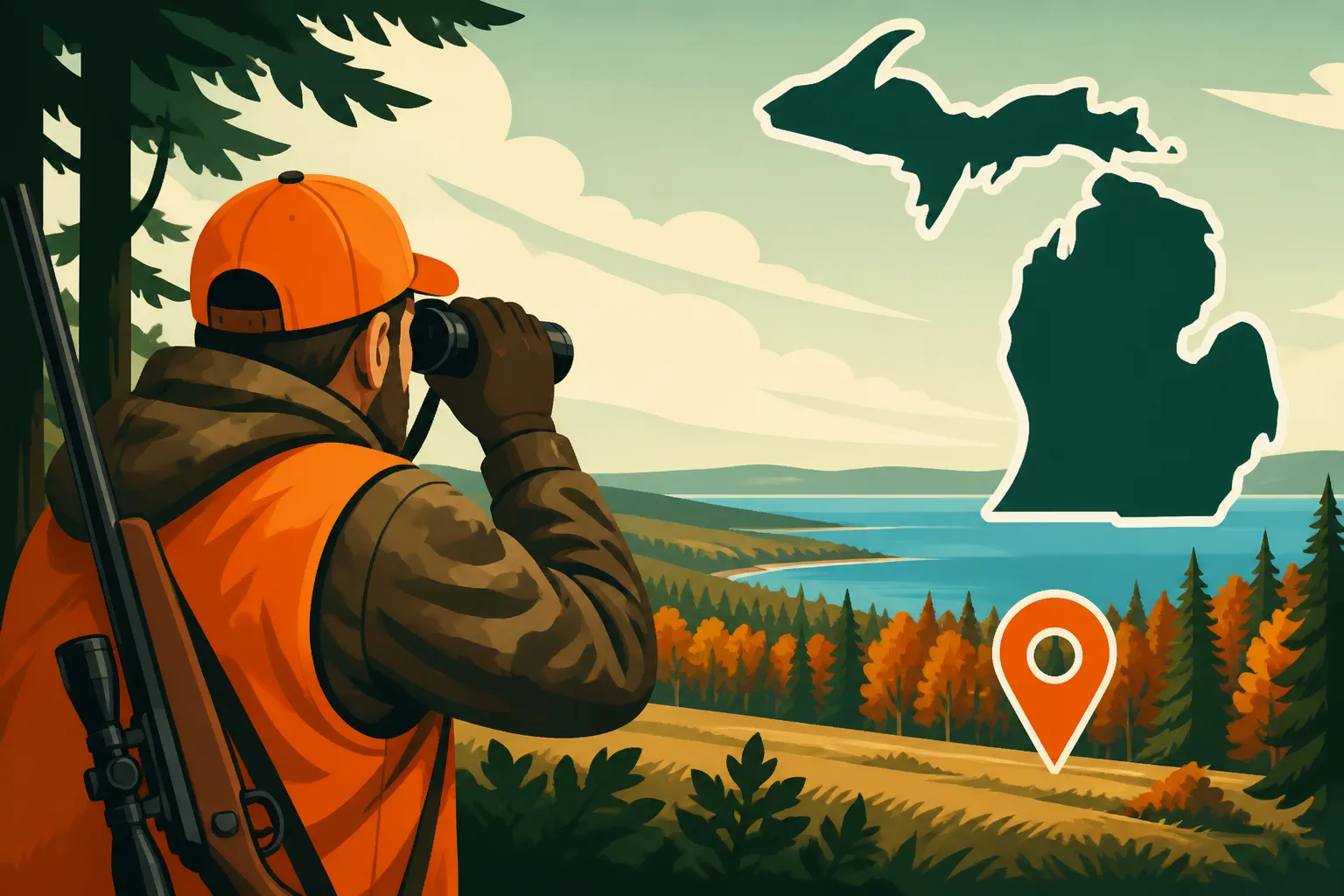
Traverse City, Michigan, is a gem for tourists, but for hunters, it presents a unique challenge: how do you find quality public land amidst the bustling vacation vibe and development that often accompanies such a popular destination? Many hunters feel like they have to drive hours north to find solitude, but with a bit of savvy, you can unlock fantastic hunting opportunities closer than you think. This guide will help you navigate the public land landscape around Traverse City, showing you where to look and how to hunt it effectively.
The Challenge of Hunting Near Traverse City
Hunting near any popular Michigan destination comes with its own set of hurdles. Traverse City, with its vibrant downtown, vineyards, and recreational opportunities, attracts crowds, and those crowds bring development. This means the prime, easily accessible public land can sometimes feel a bit more "used" than remote tracts further north.
Balancing Tourism and Timber
Traverse City sits at the crossroads of northern Michigan's tourism industry and its rich timber heritage. While the immediate area might feel developed, you don't have to go far to find vast tracts of state and national forest. The key frustration for many hunters is feeling like good spots are either overrun or simply don't exist in the immediate vicinity. You might pull up an aerial map and see green, but then wonder if that green patch is an urban park or a legitimate hunting zone. It’s about understanding the subtle differences and knowing where to draw the line between tourist hotspots and wildlife havens. The good news is, wildlife is resilient, and deer, turkeys, and grouse often thrive surprisingly close to civilization if they have adequate cover and food.
Understanding Different Public Land Types
Michigan offers a patchwork of public land types, each with its own characteristics and hunting potential. Around Traverse City, you'll primarily encounter State Forests, and potentially some State Game Areas, as well as segments of National Forests. Knowing the distinctions can help you interpret maps and choose your hunting grounds wisely. State Forests, like the Pere Marquette State Forest, are managed for multiple uses, including timber production, recreation, and wildlife. This often means a diverse habitat from mature hardwoods to regenerating clearcuts. State Game Areas are specifically managed for wildlife habitat and public hunting, and while less common directly in the Traverse City area, some are not a far drive. National Forests, such as the Huron-Manistee National Forest, offer vast expanses and tend to be less developed, providing a more remote hunting experience. Each type can hold different game and offer distinct hunting conditions, which means your approach might need to vary from one parcel to the next.
Key Public Hunting Areas Around Traverse City
When you start looking at maps around Traverse City, you'll see a lot of green. Don't be overwhelmed; instead, learn to identify the key players and their unique characteristics. The vastness is an advantage if you know how to break it down.
Pere Marquette State Forest and Adjacent Lands
Immediately south and west of Traverse City, you'll find significant portions of the Pere Marquette State Forest. This forest is massive, encompassing a mosaic of habitats crucial for deer, turkeys, and grouse. You'll find mature oak and maple stands on rolling terrain, dense pine plantations, and pockets of cedar swamp in the lowlands. Deer here are often patterned around bedding areas in dense cover and food sources, which can include acorns, natural browse, and sometimes agricultural fields on adjacent private land. For bowhunters, finding natural funnels between bedding and feeding areas is key. Rifle hunters, especially during the November firearm season, often focus on driving small parcels of thick cover or setting up on traditional deer trails. Treestand Setups in Michigan Hardwoods This area can feel vast, but breaking it down into smaller, manageable chunks based on habitat type and proximity to water or food sources is crucial for success. You might find areas with old logging roads that offer good access points, but don't be afraid to put some distance between yourself and the truck.
Fife Lake State Forest and Manistee River Corridor
Southeast of Traverse City lies the Fife Lake State Forest, which flows into the larger Huron-Manistee National Forest and embraces sections of the legendary Manistee River. This area is characterized by its sandy soils, extensive pine barrens, oak ridges, and the ever-present influence of the river. The Manistee River corridor itself is a natural travel route for deer and other wildlife, offering cover, water, and varied vegetation. Hunting the river bottomlands can be productive, particularly for deer, but expect dense brush and tough walking. For grouse and woodcock hunters, the Fife Lake region, with its aspen cuts and alder runs, can be phenomenal. Hunting the Manistee River Corridor Waterfowl hunters might find opportunities on smaller flowages or backwaters connected to the river, especially during migration. Always be mindful of other recreational users in these popular areas, but by understanding game movement patterns and seeking out less-traveled pockets, success can certainly be found.
Grand Traverse County State Land
Even directly within Grand Traverse County itself, there are numerous smaller parcels of state land. These might not be vast, sprawling forests, but they often offer excellent opportunities for a quick evening hunt or a morning turkey roost. These smaller parcels often sit adjacent to private agricultural land, creating ideal edges for deer and turkeys. The challenge with these areas is usually increased hunting pressure due to their accessibility and proximity to population centers. However, this also means many hunters stick to the easy-access points. If you're willing to walk a bit further, or even scout out the hidden corners, you might find some surprisingly quiet spots. These parcels are perfect for Scouting Michigan Public Land Before Season with digital mapping tools, allowing you to identify pinch points, subtle terrain features, and dense cover that might hold deer. Don't overlook these seemingly insignificant blocks; sometimes the best hunting is right under your nose.
Navigating Public Land and Finding Success
Finding the public land is only half the battle. Knowing how to efficiently navigate it and outsmart pressured game is what truly leads to consistent success near a populated area like Traverse City.
Utilizing Digital Mapping Tools
In today's hunting world, digital mapping applications are indispensable, especially when hunting public land near urban centers. Tools like onX Hunt are an absolute game-changer. I remember the days of unfolded paper maps, struggling to figure out where the property lines were. Now, with onX Hunt on your phone or tablet, you can instantly see public and private land boundaries in real-time, often with landowner information. This is invaluable for avoiding trespass and identifying secluded public fingers or pockets that might be overlooked by other hunters. You can use its various layers to scout from your couch, identifying potential bedding areas, food sources, funnels, and natural barriers before you ever set foot in the woods. Look for changes in timber type, terrain features like small ridges or draws, and especially those irregular property lines that often create de facto sanctuaries. Using Mi-HUNT on a Phone The ability to drop waypoints, measure distances, and track your route means you can plan intricate entry and exit strategies to minimize disturbance, which is critical on pressured ground.
The Importance of Scouting and Pressure Management
Scouting is paramount, especially on public land that might see a fair amount of traffic. Don't just rely on what you see on a map. Get boots on the ground long before the season, and even during the season if possible. Look for fresh sign: tracks, rubs, scrapes, and droppings. Pay attention to bedding areas and feeding patterns. If you notice a particular area is heavily pressured during hunting season, marked by numerous boot prints or old stands, consider moving further off the beaten path. Hunting Pressure on Michigan State Land Sometimes, simply walking an extra half-mile or choosing a less obvious access point can put you into an entirely different caliber of hunting experience. Deer, especially mature bucks, quickly learn to avoid areas with human disturbance. Focus your efforts on those harder-to-reach pockets, the dense swamps, or the thickest pine plantations where other hunters are less willing to go.
Adapting Tactics to Northern Michigan Terrain
The terrain around Traverse City isn't mountainous, but it's far from flat. You'll encounter rolling hills, sharp ridges, dense timber, and swampy lowlands. Your tactics need to adapt to these varied conditions. For instance, hunting hardwood ridges during the acorn drop can be incredibly productive for deer and turkeys, but if the acorns are scarce, you'll need to locate alternative food sources. In thick pine plantations, deer often bed during the day, making them excellent spots for still-hunting or setting up a ground blind along the edges. Hunting Michigan Cedar Swamps Swamps, particularly cedar swamps, offer vital cover and thermal protection for deer, especially during colder weather. Understanding how deer utilize these features throughout the season and adapting your approach accordingly is key. This might mean adjusting your entry and exit routes based on wind direction and thermal currents, or choosing a portable stand that allows you to move and adapt quickly to changing conditions. Embrace the diversity of the Michigan landscape, and you'll find more success.
| Public Land Type | Primary Habitat | Common Game Species | Access & Pressure | Key Strategy |
|---|---|---|---|---|
| State Forest (e.g., Pere Marquette, Fife Lake) | Mixed hardwoods, pines, swamps, clearcuts | Deer, Turkey, Grouse, Bear | Generally good access, varied pressure | Walk further, use maps to find hidden pockets |
| National Forest (e.g., Huron-Manistee) | Large tracts of timber, river corridors | Deer, Turkey, Grouse, Bear, Waterfowl | Vast, can be very remote, less concentrated pressure | Deep scouting, focus on river bottoms and remote areas |
| State Game Area | Varied, managed habitat | Deer, Turkey, Small Game, Waterfowl | Often higher pressure, managed access | Hunt edges, use off-hours, adapt to managed features |
| Smaller State Parcels (within GT County) | Mixed woods, often adjacent to agriculture | Deer, Turkey, Small Game | Easy access, high pressure | Micro-scouting, walk deep into cover, hunt travel corridors |
Finding public land near Traverse City doesn't have to be a frustrating endeavor. With the right tools, a commitment to scouting, and an understanding of the varied Michigan terrain, you can discover fantastic hunting opportunities without having to trek to the most remote corners of the state. Embrace the challenge, learn the land, and enjoy the pursuit.
Disclaimer
This article is for general informational purposes only and does not constitute professional advice. Laws, prices and regulations vary by location and change over time. Consult a qualified professional for guidance on your specific situation.