Public Ground Near Detroit
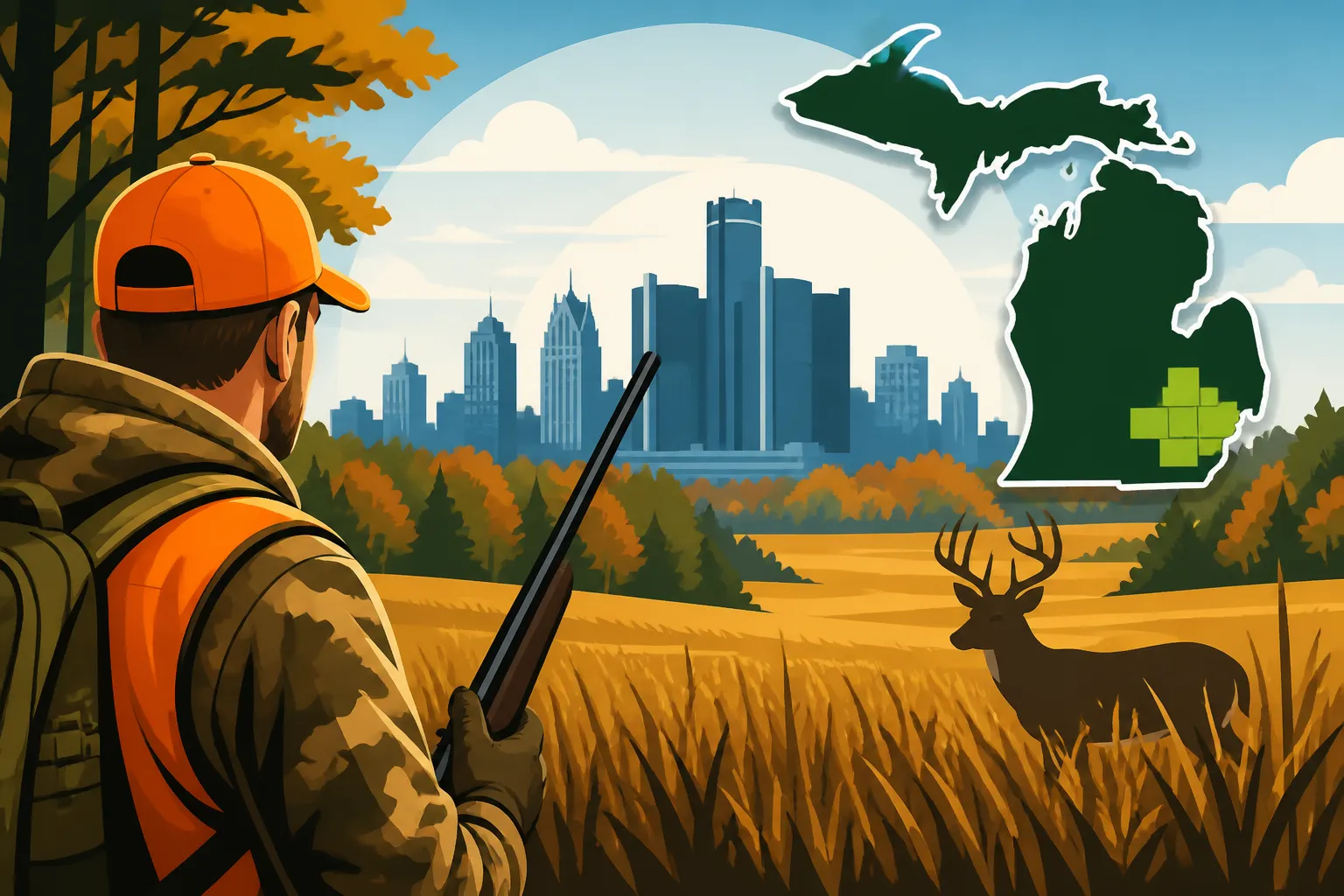
Hunting near a major metropolitan area like Detroit can feel like a contradiction. Many folks just assume that with so many people, there can't possibly be any decent public ground left for hunting. It's a common frustration, especially for those of us who grew up with sprawling woods and endless fields. But I'm here to tell you that while it takes a bit more effort and some smart planning, there absolutely are opportunities to chase game within a reasonable drive of Detroit. This guide is all about revealing those spots and sharing strategies to make your hunt successful and rewarding, even amidst the urban sprawl.
The Challenge of Hunting Near a Major Metro Area
Let's face it, when you think of hunting in Michigan, your mind probably jumps to the Upper Peninsula's vast forests or the rolling hills of the northern Lower Peninsula. Southern Michigan, especially close to Detroit, often gets overlooked, and sometimes, for good reason. The landscape is heavily influenced by agriculture, subdivisions, and industrial development. This makes finding contiguous blocks of public land a real puzzle, and when you do find them, they often come with their own set of challenges. It's not the "walk for miles and never see another soul" kind of hunting, but it's still hunting, and it can be incredibly rewarding.
The Perception vs. Reality of Public Land Access
The biggest hurdle for many Detroit-area hunters is the sheer perception that there’s no land available. You might hear friends say, "Oh, you have to drive three hours north to find anything good," and while those northern trips are fantastic, they're not always practical for a quick morning hunt or a full weekend adventure. The reality is Michigan boasts a substantial amount of public hunting land, even in the southern counties. It might not be pristine wilderness, but it's often productive habitat for deer, small game, and even some phenomenal waterfowl opportunities.
What we're often looking at are smaller, fragmented parcels of state game areas or recreation areas. These aren't the thousands of acres you'd find up north, but they're managed specifically for wildlife and public recreation. The trick is knowing where these parcels are, understanding their specific rules, and learning how to interpret the landscape to find pockets of unpressured game. It takes a different mindset than hunting big timber, but it's a skill set worth developing for consistent local opportunities.
Navigating Pressure and Finding Quiet Corners
One undeniable aspect of hunting near any major city is the increased hunter pressure. Opening day of firearm season, or even the peak of the archery rut, can see parking lots full and hunters seemingly every hundred yards in some of the more popular spots. This can be incredibly disheartening when you're trying to enjoy the peace and solitude of the outdoors. The key isn't to avoid these areas entirely, but to learn how to navigate them.
Pressure often pushes game into thicker cover, less accessible areas, or forces them into nocturnal patterns. This means you need to be willing to work a little harder, walk a little further, or get into spots that others might overlook. Sometimes, the "quiet corner" is just a few hundred yards off the main trail, hidden behind a thick stand of pines or a wet swampy edge that most hunters don't want to slog through. Using mapping tools like onX Hunt can be invaluable here, helping you identify those overlooked features and plan entry and exit routes that minimize disturbance. Don't be afraid to embrace the discomfort a little; often, the rewards are waiting there.
Key Public Hunting Areas Within Reach of Detroit
Michigan's Lower Peninsula, even near Detroit, is dotted with various state game areas and recreation areas that offer hunting opportunities. These range from general land for deer and small game to highly specialized managed waterfowl units. Knowing which ones are closest and what they offer can significantly cut down on your scouting time and fuel costs.
State Game Areas: Your Closest Bets
Many State Game Areas (SGAs) within an hour or so of Detroit provide crucial habitat in an otherwise developed landscape. These areas are managed for wildlife and provide opportunities for deer, turkey, rabbit, squirrel, and various birds.
- Holly Recreation Area (Oakland County): Just north of Detroit, Holly offers rolling hills, dense woods, and some marshy areas. It's popular, but with nearly 8,000 acres, there are places to explore. Deer, turkey, and small game are common. Knowing the topography and looking for natural funnels or thick bedding areas can pay off here. It's a great place to practice Scouting Michigan Public Land Before Season.
- Bald Mountain Recreation Area (Oakland County): Another Oakland County gem, Bald Mountain features diverse terrain from open fields to mature hardwoods and wetlands. It's broken into several parcels, which can make for some "island hunting" opportunities where deer cross between small public and private tracts. Hunting the edges of these parcels, especially near unharvested agricultural fields, can be productive.
- Highland Recreation Area (Oakland County): Similar to Holly and Bald Mountain, Highland is another significant block of public land with varied habitat. It sees its fair share of pressure, but the same rules apply: find the thickest stuff, the wettest parts, or the farthest points from common access. Small game, especially rabbits, can thrive in the brushy areas, offering year-round opportunities.
- Port Huron State Game Area (St. Clair County): A bit further north and east, this area offers extensive wetlands and woodlands along the Black River. It’s excellent for waterfowl but also holds deer and turkeys. This area often feels a bit more remote than those directly west of Detroit, but it's still quite accessible.
- St. Clair Flats Wildlife Area (St. Clair County): This is a world-renowned waterfowl hunting destination. It's marshland heaven, a massive expanse of cattails and open water at the mouth of the St. Clair River. Deer hunting is also permitted in some upland areas. If you're a duck or goose hunter, this is a must-visit, though it often requires a boat and specific tactics like those detailed in Waders and Boats for Michigan Marshes.
- Pointe Mouillee State Game Area (Monroe County): Located on the western shore of Lake Erie, Pointe Mouillee is another premier waterfowl hunting area. It's primarily marshland and is famous for its managed waterfowl hunts. While less known for upland hunting, it does offer some general hunting in specific zones outside of the draw areas.
Managed Waterfowl Areas and Their Unique Opportunities
Michigan's managed waterfowl areas, often part of larger state game areas, provide some of the best duck and goose hunting in the state, often through a lottery draw system. These systems are designed to distribute hunters and manage pressure, which can lead to higher quality hunts.
Areas like Pointe Mouillee and St. Clair Flats are prime examples. Hunters apply for specific hunt dates and zones, and if drawn, they get exclusive access to a portion of the marsh. This can mean fantastic hunting, but it also means planning ahead, understanding the application process, and often, having specialized gear like layout boats or blind setups. Even if you're not drawn for a specific managed hunt, many managed areas have surrounding general hunting zones that are open to everyone, often providing great jump-shooting or field hunting opportunities for geese. Michigan Waterfowl Seasons and Zones will give you an idea of the dates to target these areas.
Exploring the Edges: Further Afield, Greater Rewards
If you're willing to extend your drive a bit beyond the immediate Detroit metro, say to an hour and a half or two hours, your options really start to open up. Areas further west towards Lansing or north into the southern part of the Thumb region will present larger, less fragmented pieces of public land.
For example, venturing into areas like the Allegan State Game Area (west of Kalamazoo, about a two-hour drive) or some of the larger State Forests in counties like Tuscola or Huron, can drastically change your hunting experience. These spots often have lower hunter density and offer more traditional big woods hunting. They are great alternatives for a weekend trip if the closer spots are feeling too crowded. Consider these options, especially for pursuits like Michigan Black Bear Hunting (further north, of course) or longer deer hunting trips, where driving a bit more makes a huge difference in the "wilderness feel."
Strategies for Successful Hunting on Public Land Near Detroit
Success on public land near a big city isn't just about finding the spots; it's about how you approach them. The game here is often more educated, more nocturnal, and more sensitive to pressure. Your tactics need to adapt to these realities.
Leveraging Mapping Technology for Hidden Gems
In this type of fragmented and often pressured landscape, a robust mapping application is your best friend. Tools like onX Hunt are invaluable for identifying property boundaries, understanding land ownership, locating potential access points, and scouting from your couch. While Michigan provides its own excellent resource in Using Michigan's Mi-HUNT Map, onX Hunt offers additional layers and features that can truly pinpoint those elusive quiet corners.
- Boundary Lines: Instantly see where public land ends and private land begins, preventing accidental trespassing and helping you identify hidden public fingers that extend into private holdings.
- Topography and Aerial Imagery: Use the topographic and satellite views to find subtle terrain features that might concentrate deer movement: small creek bottoms, brushy draws, slight rises, or changes in timber type. These are often the places less-committed hunters overlook. Reading Aerial Photos for Swamp Deer can teach you how to pick out those key features.
- Access Points: Identify obscure two-tracks, forgotten logging roads, or small pull-offs that might offer a less-used entry route. The further you get from easy parking, the less pressure you'll likely encounter.
- Waypoints and Tracking: Mark every piece of sign you find, every bedding area, every rub, and every scrape. Track your movements to understand how far you're going and to retrace your steps in the dark.
And don't forget about other useful apps like GoHunt for specific statistics and harvest data, which can sometimes provide clues about less-pressured areas or areas with better success rates for certain species.
Early Scouting and Off-Season Reconnaissance
This cannot be stressed enough: the best hunters on pressured public land are often the best scouts. Don't wait until opening day to start looking for deer sign.
- Spring and Summer Exploration: Once sheds are done and turkeys are quiet, get out there. Walk every corner of the public land you intend to hunt. Look for old rubs, established trails, historical bedding areas, and overlooked food sources. The spring green-up can reveal subtle terrain features that are hidden once the leaves are out.
- Trail Cameras (where permitted): Utilize trail cameras to understand deer patterns and activity times. Place them on trails leading to thicker cover, pinch points, or near potential bedding areas. This can tell you if deer are moving more nocturnally due to pressure. Remember to check specific public land rules regarding trail camera placement.
- Post-Season Assessment: After hunting season closes, revisit your spots. See what worked, what didn't, and why. Where did the deer actually go during the season? This knowledge is gold for planning next year's strategy. Pay attention to bedding areas and escape routes when there's snow on the ground, as deer sign is much easier to see.
Adapting Tactics to Urban-Adjacent Game
Deer and other game in these areas are often smarter and more wary than their northern counterparts. They live under constant human presence and often adjust their routines to avoid people.
- Hunt the Thick Stuff: Don't be afraid to crawl into the nastiest, thorniest, wettest cover you can find. This is where pressured deer seek refuge. If you're comfortable, they probably aren't, and that's a good thing. A good set of brush pants and waterproof boots are essential.
- Patience and Persistence: These hunts often require more patience. Deer might not move until later in the morning or just before dark. Longer sits, especially in a quiet, well-positioned stand or blind, can be more effective than still-hunting through thick cover.
- Wind and Entry/Exit Routes: Pay obsessive attention to wind direction. Your entry and exit routes are critical. Try to move in a way that minimizes scent and noise disturbance, especially in the dark. Plan routes that keep the wind in your favor for both your approach and your stand location. For some good advice on this, check out Entry Routes on Flat Michigan Ground.
- Vary Your Tactics: Don't get stuck doing the same thing every time. If still-hunting isn't working, try a ground blind on a field edge, or hang a treestand in a thick internal cover block. Even rattling and grunting can work during the Hunting the Peak Rut Week in Michigan if done subtly and in the right conditions.
Respecting the Resource and Other Users
Hunting on public land near a large population center isn't just about bagging game; it's also about being a good steward of the resource and a respectful member of the hunting community. Our actions directly reflect on all hunters, especially in areas where we share space with hikers, bird watchers, and other outdoor enthusiasts.
Understanding Safety Zones and Regulations
Michigan has clear rules regarding hunting near dwellings and occupied buildings. Generally, you cannot hunt within 150 yards (450 feet) of an occupied dwelling, structure, farm building, or barn without obtaining written permission from the owner or occupant. This is known as a "safety zone." On public lands, these safety zones are critically important, as boundaries between public and private can sometimes be blurry, and homes can pop up unexpectedly. Always verify your location, especially with your mapping app.
Beyond safety zones, be aware of specific regulations for the particular public land you're on. Some areas might have restrictions on baiting (Michigan's baiting ban is extensive, but rules can vary by county, so check Where Baiting Is Still Legal in Michigan), treestand placement, or vehicle access. Always check the DNR website or local signage before you hunt. Understanding Michigan Hunter Safety and Youth Licences and all general regulations is paramount.
| Public Land Type | Typical Game Species | Pressure Level (General) | Key Features / Notes |
|---|---|---|---|
| State Game Areas (SGAs) | Deer, Turkey, Rabbit, Squirrel | Moderate to High | Varied habitat, often fragmented, good for diverse hunting. Utilize mapping extensively. |
| Recreation Areas (State) | Deer, Small Game, Waterfowl | Moderate to High | Often multi-use; be aware of hikers. Focus on less accessible areas. |
| Managed Waterfowl Areas | Ducks, Geese | High (specific areas) | Premier waterfowl. Requires draws/applications. Specialized gear often needed. |
| State Forests (further out) | Deer, Bear, Grouse, Small Game | Low to Moderate | Larger contiguous blocks, often more "wilderness" feel. Worth the extra drive. |
Being a Responsible Ambassador for Hunting
In areas shared with the general public, every hunter is an ambassador for our sport. Your actions, positive or negative, reflect on all of us.
- Pack It In, Pack It Out: Leave no trace. This means picking up not only your own trash but perhaps a bit extra if you see it. Spent casings, energy bar wrappers, and old flagging tape should never be left behind.
- Be Courteous: If you encounter hikers, dog walkers, or other non-hunters, offer a friendly greeting. Make eye contact, be respectful, and understand that they have a right to enjoy public land too. Explaining what you're doing (e.g., "just walking back to my truck after a hunt") can often ease any apprehension they might have.
- Follow the Rules: Adhering strictly to legal shooting hours, bag limits, and ethical shot placement protects the resource and ensures the longevity of our hunting traditions. Don't give anyone a reason to complain about hunters.
- Report Violations: If you witness poaching or unethical behavior, report it to the Michigan DNR. Protecting the resource falls on all of us. This vigilance ensures that these public hunting opportunities remain available for future generations.
Finding public hunting land near Detroit, while a challenge, is far from impossible. With smart planning, proper scouting, and a commitment to ethical hunting, you can enjoy rewarding experiences close to home. It might not be the remote wilderness hunt of your dreams, but it's our Michigan, and it offers plenty for those willing to seek it out.
Disclaimer
This article is for general informational purposes only and does not constitute professional advice. Laws, prices and regulations vary by location and change over time. Consult a qualified professional for guidance on your specific situation.