Where to Hunt Inside Michigan’s Elk Units
Drawing a Michigan elk tag is often a once-in-a-lifetime opportunity, a dream come true for many hunters. But once that golden ticket is in your hand, the question quickly shifts from if you'll hunt to where you'll hunt within Michigan's vast elk range. It's a huge area, full of diverse terrain and varying access, and knowing how to navigate it and pinpoint the best spots can feel incredibly daunting. This guide is here to help you unravel the mysteries of Michigan's elk units and equip you with the knowledge to find promising huntable ground, turning that dream into a real plan.
Understanding Michigan's Elk Management Units
Before you can even begin to scout or hang a stand, you need a solid grasp of what Michigan's Elk Management Units (EMUs) truly entail. The elk don't roam all of Michigan; they're concentrated in a specific region of the northern Lower Peninsula, an area the Michigan Department of Natural Resources (DNR) carefully manages. This isn't just one big block of woods; it's a mosaic of different landscapes, each presenting its own challenges and opportunities for the elk hunter.
The Core Elk Range and Its Boundaries
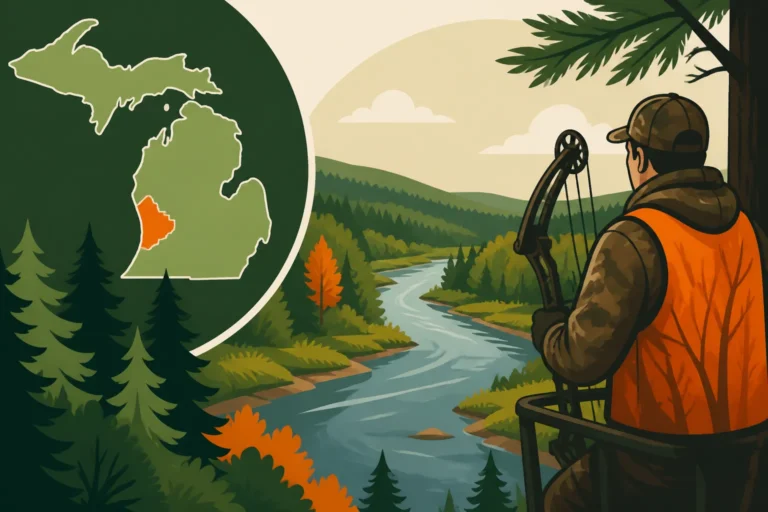
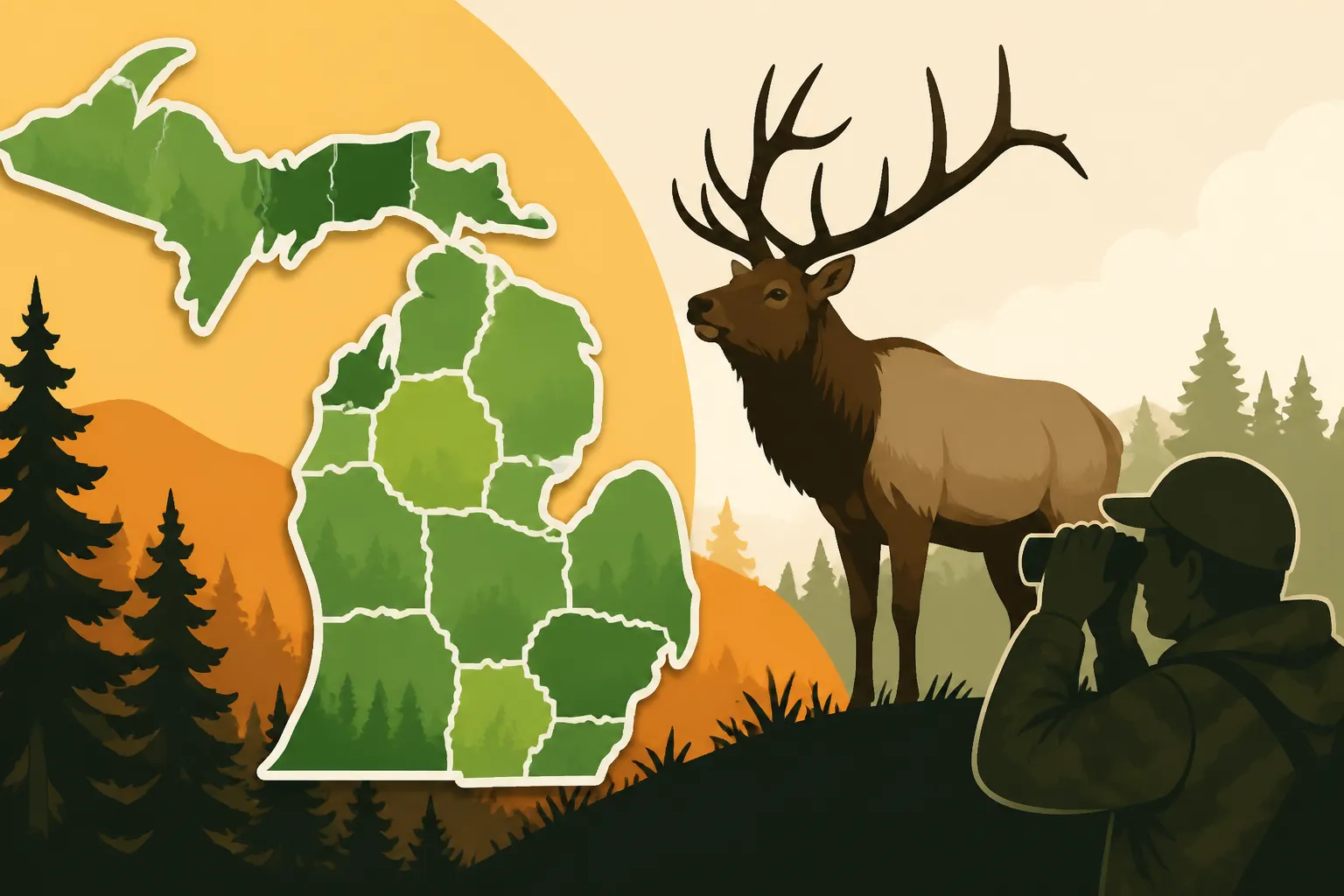
Michigan's elk herd is primarily located in the northeast Lower Peninsula, centered around parts of Cheboygan, Montmorency, Otsego, and Presque Isle counties. These are the heartlands, but the specific boundaries of the designated EMUs can actually extend into adjacent counties depending on the management strategy. The DNR divides this larger elk range into specific units, which are crucial because your elk license will specify which unit you're allowed to hunt. It's not a free-for-all across the entire range, so understanding your specific unit's boundaries is paramount. You really need to dive into the current regulations and maps to see precisely where your designated hunt area lies, as these details are the foundation of your hunting plan.
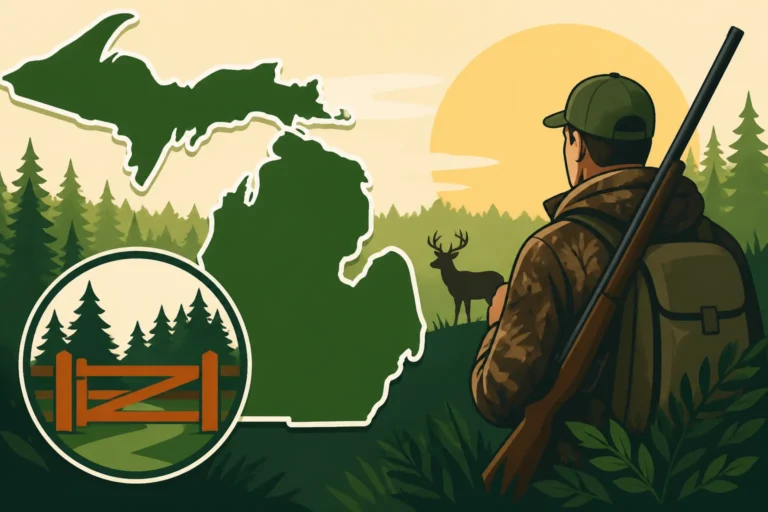
These units aren't static; they're drawn based on elk distribution, habitat, and management goals, which can change over time. Knowing whether your tag is for a specific unit like Unit M or NN, or the broader unlimited Unit ZZ, will dictate a lot about your strategy. Unit M and NN, for instance, are often tighter, more defined areas, while Unit ZZ allows for more flexibility across multiple units. The general area is characterized by vast tracts of state forest land, but it's also interspersed with private property and agricultural fields. Michigan Elk Management Unit Boundaries are precisely where your hunting journey begins.
Types of Terrain You'll Encounter
The Michigan elk range is incredibly diverse, which is both a blessing and a curse. You'll find everything from dense, dark cedar swamps that elk love to hide in, to regenerating aspen clearcuts that provide critical browse. There are expansive mature hardwood forests, rolling hills, and even pockets of pine plantations. Then there's the private land mix: open agricultural fields, homesteads, and privately owned timber blocks. This varied terrain means that elk can be found in a multitude of habitats, often moving between them for food, cover, and breeding.
Navigating this mosaic requires a keen eye and adaptability. A bull might be bugling in a wide-open field at dawn, only to retreat into a thick cedar swamp or a brushy clearcut once the sun comes up and hunting pressure increases. Understanding how elk use these different terrain types throughout the day and during various hunt periods is key. For example, during the early periods, elk might still be vocal and spread out, making them easier to locate in more open forest. However, as the season progresses and pressure mounts, they become incredibly adept at disappearing into the thickest, most inaccessible cover available. This is where your physical fitness and willingness to get off the beaten path truly come into play.
Public Land Opportunities for Elk Hunters
The good news for Michigan elk hunters is that a significant portion of the elk range falls within public land, primarily state forests. This provides ample opportunity for those lucky enough to draw a tag, but it also means understanding the nuances of different public land types and their specific access rules.
Pigeon River Country State Forest: The Heart of Elk Country
When people think of Michigan elk hunting, the Pigeon River Country State Forest often comes to mind first, and for good reason. It's often considered the true heart of Michigan's elk country, boasting vast stretches of wild, undeveloped land where elk thrive. This area is characterized by its rolling topography, dense forests of northern hardwoods, pine stands, and numerous wetlands. It’s a truly wild experience, but it also comes with specific challenges and regulations.
One of the most notable aspects of the Pigeon River Country is its designation as a "backcountry" area, with significant portions managed for non-motorized use. This means that while there are main roads providing access to the perimeter, much of the interior requires foot travel. This can be a huge advantage for hunters willing to put in the effort, as it naturally filters out a lot of the hunting pressure that gravitates towards roads and easy access points. Elk often seek refuge in these quieter, more remote areas. Be prepared for some serious hiking, often through challenging terrain, if you plan to explore the Pigeon River. It's not uncommon to walk several miles from the nearest road to find truly secluded elk. It’s also a fantastic place for Elk Viewing at Pigeon River Country, which can be a valuable part of pre-season scouting.
State Forests and State Game Areas Beyond Pigeon River
While the Pigeon River Country gets a lot of the spotlight, it's far from the only public land available within the elk units. The broader elk range encompasses large portions of other state forests, such as the Mackinaw State Forest, Black Lake State Forest, and portions of the Au Sable State Forest. These areas offer a mix of habitats, from mature timber to actively managed logging sites, and generally provide more extensive road networks (including two-tracks) for access.
Hunting these general state forest lands means you'll encounter a wider variety of terrain and logging activity. Clearcuts, especially those a few years old that are thick with new growth, can be incredible feeding and bedding areas for elk. Logging roads often act as travel corridors or easy access routes. The key here is diversification – don't just focus on one type of habitat. Elk might be feeding in a lush, regenerating clearcut in the morning, then bedding down in a dense conifer stand nearby during the day. Hunters often find success by focusing on the edges of different habitat types, where elk transition between feeding and bedding areas. These areas are also great spots to learn Where Michigan Elk Live.
Commercial Forest Land and Its Access Rules
Another significant public land opportunity in Michigan, often overlooked by those unfamiliar with it, is Commercial Forest (CF) land. These are privately owned timberlands enrolled in a specific program that provides tax incentives to landowners in exchange for allowing public access for purposes like hunting and fishing. Within the elk units, particularly in the northern Lower Peninsula, there are many acres of CF land.
Accessing CF land requires a bit more diligence. While legally open to the public, these lands might not always be clearly marked like state land, and access points can be less obvious. You'll need to consult detailed maps, such as those provided by the DNR or integrated into mapping apps like onX Hunt, to identify these parcels. The advantage of CF land is that it often receives less hunting pressure than traditional state forests, simply because many hunters aren't aware of it or how to find it. These parcels can offer excellent cover and habitat for elk, especially if they're actively being managed for timber. Always double-check the current rules for CF land, as there can be specific restrictions on things like motorized vehicle use or camping. It’s a great option for finding more secluded Michigan Elk Range Public Land.
| Land Type | Characteristics | Access Notes | Hunting Style Considerations |
|---|---|---|---|
| Pigeon River Country SF | Hilly, dense, remote, designated wilderness areas | Foot traffic only in core areas, limited roads, very little motor access | Deep woods, still-hunting, scouting for secluded elk, physical challenge |
| State Forests (General) | Mix of hardwoods, pines, swamps, logging activity | Extensive two-tracks and roads, some gated areas, good vehicle access | Drive-in access, clearcut edges, funnels, can be pressured, versatile |
| Commercial Forest (CFA) | Privately owned timber, open to public use | Must verify open status, check for recent logging, varying terrain | Often less pressure, good cover, use mapping apps to identify boundaries |
Navigating the Elk Range and Pinpointing Hotspots
Having an understanding of the types of land is one thing; actually finding elk on them is another entirely. This is where modern tools, good scouting, and an understanding of elk behavior become your best allies.
Utilizing Digital Mapping Tools
In today's hunting world, digital mapping tools are absolutely indispensable, especially when hunting something as elusive as elk in a large, unfamiliar range. Apps like onX Hunt are game-changers. They allow you to clearly see public and private land boundaries, which is critical for staying legal and avoiding trespass. But their utility goes far beyond that. With an app like onX Hunt, you can use satellite imagery to identify key terrain features: dense cover, water sources, natural funnels, ridges, and recent logging activity. These features are all crucial for predicting elk movement.
I can't stress enough how vital it is to spend time poring over these maps before you ever set foot in the woods. Look for areas where different habitat types converge, like a dense conifer swamp meeting an aspen clearcut. Identify pinch points where elk movement might be concentrated. Mark potential bedding areas on high ground offering good visibility, or secluded pockets of thick cover. Use topographical lines to understand elevation changes and potential travel routes. Being able to visualize the terrain in detail, even from your living room, gives you a tremendous advantage. onX Layers for Michigan Land Status can even show you habitat types, which is immensely helpful.
Scouting Strategies for Michigan Elk
Pre-season scouting is paramount for elk, even if you can only get up to the units a few times before your hunt period. What you're looking for are signs of elk activity: fresh tracks, droppings, rubs (where bulls rub their antlers on trees), and wallows (muddy depressions where elk roll). These signs tell you that elk are in the area and, more importantly, how they're using that area. Are they feeding? Bedding? Traveling?
During your scouting trips, pay close attention to historical patterns of elk movement. Talk to locals if you can, or other hunters who have experience in the units. Even if you're limited to digital scouting, combine your mapping efforts with real-world observations. If your hunt period is during the rut, listening for bugles can be your most effective scouting tool. Otherwise, it's about putting boots on the ground, covering miles, and meticulously searching for fresh sign. Remember, elk are intelligent and will quickly learn to avoid areas with high human presence. Focus your scouting on finding those less-pressured pockets of habitat. Knowing the Michigan Elk Hunt Period Dates will also inform what kind of sign and activity you should expect.
Understanding Elk Movement and Seasonal Patterns
Elk behavior is highly influenced by the time of year, weather, and hunting pressure. During the early hunt periods, often coinciding with the rut, bulls are vocal and actively seeking cows. This can make them more visible but also more wary due to increased hunter activity. As the hunt periods progress into cooler weather, elk might become less vocal but still rely on specific food sources, like acorns, or revert to more secure cover.
A critical aspect of pinpointing hotspots is understanding how elk respond to pressure. After the first few days of any hunt period, elk will inevitably become more nocturnal and retreat into the densest, most difficult-to-access cover. This means hunters need to be prepared to walk further and hunt harder to find them. Look for areas with dense thermal cover (like conifer stands) adjacent to good feeding areas. Consider how changes in weather, like a cold snap or fresh snow, might alter their patterns, pushing them towards certain food sources or more sheltered bedding sites. This understanding of behavior, combined with detailed maps and careful scouting, will significantly increase your odds of success. Many hunters find GoHunt resources invaluable for understanding game behavior and drawing strategies.
Important Considerations for Michigan Elk Hunting
Drawing an elk tag is exciting, but success often hinges on more than just finding an elk. There are practical and ethical considerations that are crucial for a responsible and effective hunt.
Managing Pressure and Finding Seclusion
Michigan's elk hunt is incredibly popular, and even with limited tags, certain public land areas can see significant pressure, especially on opening day and during peak bugling periods. The frustration of running into other hunters is real, and it can quickly push elk into hiding. To combat this, you need a strategy for finding seclusion. This often means walking further than most people are willing to go, deep into the state forest. The Pigeon River Country State Forest, for instance, offers vast areas where motorized access is restricted, encouraging foot traffic and rewarding those who brave the deeper woods.
Another approach is to identify smaller, overlooked parcels of public land, or Commercial Forest Act (CFA) land, that might not be on every hunter's radar. These less obvious spots, while potentially smaller, can sometimes hold unpressured elk that have moved away from more heavily hunted areas. Don't be afraid to study your maps and look for those obscure corners, those small blocks of public land that require a bit more effort to access. Sometimes the "hard to get to" spots are precisely where the elk will be.
Respecting Private Land and Safety Zones
Much of Michigan's elk range is a patchwork of public and private land, and respecting those boundaries is absolutely non-negotiable. It's not just about avoiding legal trouble; it's about maintaining a positive relationship between hunters and landowners, which is vital for future hunting opportunities. Even if an elk you shoot crosses onto private land, you cannot pursue it without explicit permission from the landowner. Finding Michigan Property Lines is not just a suggestion; it's a fundamental aspect of ethical hunting.
Always carry detailed maps that clearly show property lines, and be prepared to confirm them with a GPS or mapping app like onX Hunt if there's any doubt. Pay attention to "No Trespassing" signs, and never assume access to private land without prior, express permission. Additionally, be mindful of Michigan's safety zone rules, which prohibit hunting within a certain distance of occupied dwellings. This applies even on public land, and it's essential for the safety and peace of mind of residents in the elk units. A little courtesy goes a long way.
Logistics and Physical Demands
Elk hunting in Michigan, while not in the Rockies, is still a physically demanding endeavor. The terrain, especially in areas like the Pigeon River Country, can be steep, marshy, and thick with brush. You need to be in good physical condition to cover the necessary ground, especially if you plan on still-hunting or packing out an elk from a remote location. Think about your gear: good quality optics (binoculars and a spotting scope if you'll be glassing open areas), reliable rain gear, and comfortable, supportive boots are essential.
Beyond the hunt itself, consider the logistics of retrieving a large animal. An elk is a big critter, and getting it out of the woods, especially in rough terrain, requires a plan. Think about how you'll field dress it, whether you'll quarter it in the field, and how you'll transport the meat. Having a hunting partner is invaluable for this, as two people can often accomplish what one cannot. Communication is also key; always let someone know your hunting plan and expected return time, especially if you're venturing into remote areas. Preparing for these logistical challenges beforehand can make a world of difference in your overall hunting experience and success. How Many Elk Michigan Has are well-managed, but retrieving one is no small feat.
Disclaimer
This article is for general informational purposes only and does not constitute professional advice. Laws, prices and regulations vary by location and change over time. Consult a qualified professional for guidance on your specific situation.