How Many Elk Michigan Has
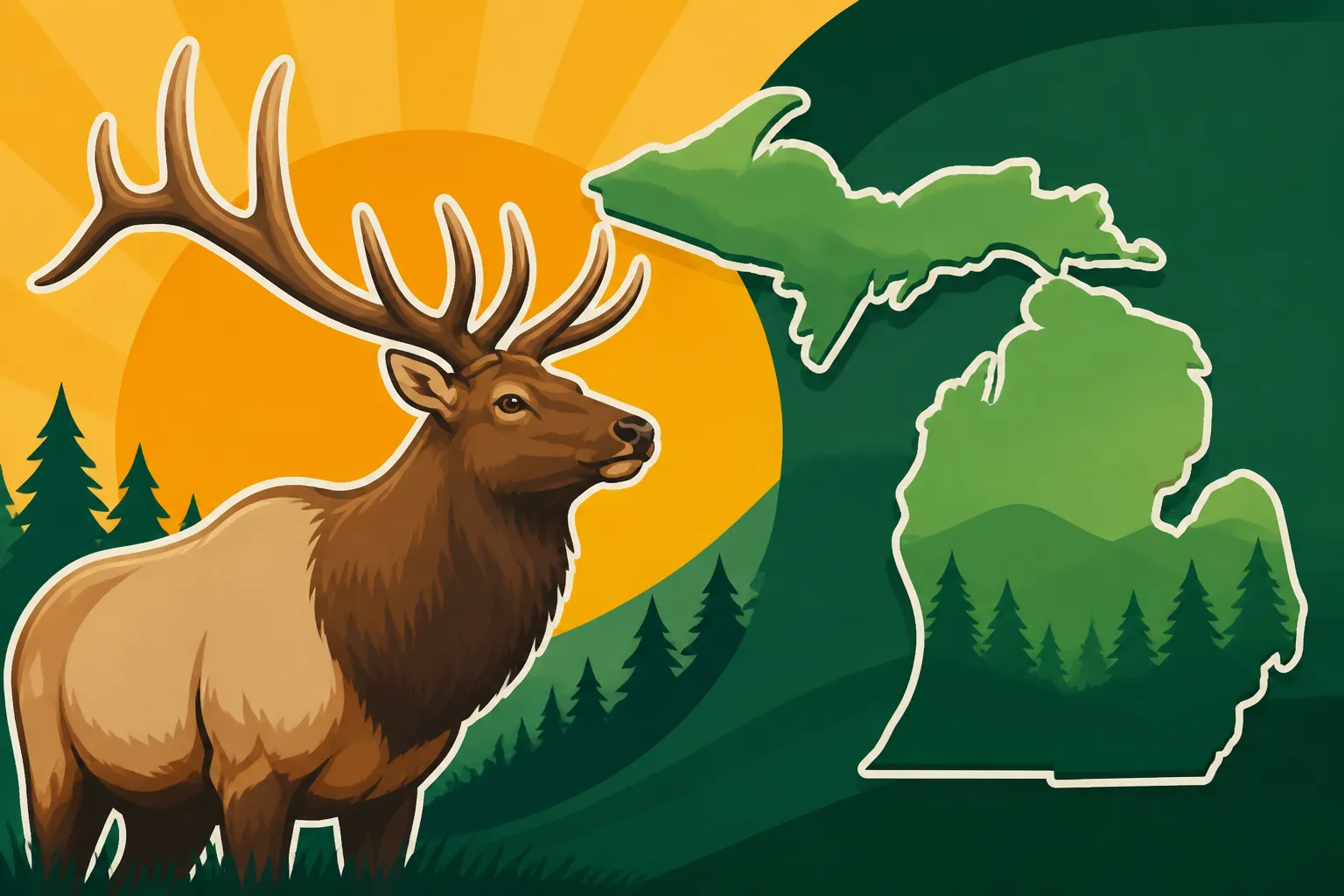
It can be a real surprise to many folks, even those who've lived here their whole lives, to learn that Michigan is home to a robust, free-ranging elk herd. It’s not just a few scattered animals; we're talking about a significant population that has thrived and grown in our northern forests. This guide is dedicated to pulling back the curtain on Michigan's elk numbers, delving into their fascinating history, current population trends, and where these magnificent animals call home within our beautiful state.
The Journey of Michigan's Elk: From Extinction to Resurgence
The story of elk in Michigan is one of classic American wildlife tragedy and triumph. Like so many other species across the continent, our native elk herd was pushed to the brink and ultimately disappeared from the landscape. But thanks to dedicated conservation efforts, they made a remarkable comeback, establishing themselves as a true gem of our state's northern wilderness.
Early Decline and Reintroduction Efforts
Originally, elk roamed freely across much of Michigan, particularly the Lower Peninsula. These were massive animals, much larger than our whitetail deer, and they were an important part of the ecosystem. However, unchecked market hunting, coupled with widespread deforestation in the 19th century that decimated their habitat, led to their complete extirpation by the late 1800s. It was a sad chapter, a stark reminder of what can happen when resources are exploited without thought for the future.
Thankfully, a new era of conservation dawned in the early 20th century. Recognizing the void left by their absence, efforts began to bring elk back to Michigan. The first significant reintroduction occurred in 1918 when seven elk were brought from the western states and released into the wild near Wolverine, in Cheboygan County. You can read more about this pivotal moment in The Seven Elk Released in 1918. These animals, along with subsequent releases, formed the nucleus of our modern herd. They found refuge in the recovering northern forests, eventually establishing a stronghold in what is now famously known as the Pigeon River Country State Forest.
Modern Management and Growth
For decades following reintroduction, the elk population remained relatively small and concentrated. However, with careful management strategies, including habitat improvements, strict hunting regulations, and robust law enforcement against poaching, the herd began to flourish. The Michigan Department of Natural Resources (DNR) has been instrumental in this success, employing scientific methods to monitor the herd's health and distribution.
This careful oversight allowed the population to grow to a point where, by the mid-20th century, limited hunting seasons could be introduced, providing an economic benefit to local communities and helping to manage herd numbers for ecosystem health. The challenge has always been to balance the desire for a thriving elk population with the potential for agricultural damage and vehicle collisions, especially as the herd expanded beyond its core range. Understanding the Michigan's Elk Herd Size and History helps appreciate the long-term commitment to these magnificent animals.
Current Elk Population Estimates and Trends
So, how many elk are we talking about here in Michigan today? It’s a question many hunters and wildlife enthusiasts ponder, especially those hoping to draw one of the coveted elk tags. The answer isn't a single, fixed number, but rather a dynamic estimate that the DNR carefully tracks through various survey methods.
Annual Surveys and Counting Methods
The Michigan DNR conducts regular surveys to estimate the elk population. These aren't just guesses; they involve a lot of hard work and scientific rigor. One of the primary methods is aerial surveys, typically conducted in late winter when there's snow cover on the ground and trees are bare. This makes elk, with their dark coats, much easier to spot against the white backdrop. Biologists fly fixed-wing aircraft or helicopters over designated elk management units, systematically counting animals and observing herd composition. This method provides a snapshot of the population at a given time.
Beyond aerial counts, biologists also utilize telemetry data from collared elk, track calf recruitment, and analyze harvest data from hunters. All these pieces of information are fed into models that provide the most accurate population estimate possible. It’s a complex process, but it’s essential for sound wildlife management. These figures help guide decisions on everything from hunting quotas to habitat improvement projects. If you're using a tool like GoHunt for research, you'll often find these population estimates highlighted as key data points for understanding herd health and potential drawing odds. You can delve deeper into the specifics of Michigan Elk Population Trends for a more detailed historical view.
Factors Influencing Herd Size
Michigan's elk herd size is influenced by a variety of factors, both natural and human-related. Habitat availability is, of course, paramount. Elk are grazers and browsers, requiring a mix of open grasslands, regenerating clearcuts, and mature forests for food, cover, and calving areas. The vast tracts of state and national forest lands in northern Michigan provide much of this essential habitat.
Winter severity also plays a significant role. Harsh winters with deep snow and prolonged cold can increase mortality rates, especially among calves and older animals. Conversely, mild winters allow more elk to survive and thrive. Predation, primarily by coyotes on calves, is another natural factor, though it generally doesn't significantly limit the overall population size.
Human activities, beyond direct hunting, also affect the herd. Road development, urban sprawl, and agricultural practices can impact elk movement and increase human-elk conflicts. Disease outbreaks, while not a major issue for Michigan elk to the extent seen in some western herds, are always a concern and constantly monitored. It's a delicate balance, and wildlife managers are always working to maintain a healthy and sustainable population for future generations.
Where Michigan's Elk Live: A Northern Wilderness Stronghold
While the reintroduction efforts involved releases in various locations, Michigan's elk herd has largely settled into a primary stronghold in the northern Lower Peninsula. This specific area provides the ideal mix of habitat, remoteness, and management focus that has allowed them to thrive.
The Pigeon River Country State Forest
When most people think of Michigan elk, they immediately think of the Pigeon River Country State Forest. This vast, rugged, and breathtakingly beautiful area, encompassing tens of thousands of acres in Cheboygan, Otsego, and Montmorency counties, is truly the heart of Michigan's elk range. It's a unique landscape characterized by rolling hills, extensive cedar swamps, aspen regeneration, and mature hardwood forests. The Pigeon River, a pristine trout stream, winds through its core, adding to the wild appeal.
This forest provides everything an elk needs: abundant forage in clearcuts and openings, dense cover for security and bedding, and crucial wintering areas. The remoteness of much of the Pigeon River Country also offers protection and minimizes human disturbance, which is critical for a large, shy animal like an elk. For those interested in seeing these majestic animals, the Pigeon River Country State Forest is often the best bet, with designated viewing areas and observation blinds. Learning about Elk Viewing in Michigan can help you plan a trip to spot these incredible creatures.
Expanding Range and Management Challenges
While the Pigeon River Country remains the core, Michigan's elk herd has successfully expanded its range beyond this initial stronghold. Elk, being large and mobile animals, are known to roam, and they've gradually moved into surrounding areas, particularly to the east and west. This expansion is a testament to the herd's health but also presents new management challenges.
As elk move into areas with more private land and agricultural activity, conflicts can arise. Elk can cause significant damage to crops, fences, and planted pine trees, leading to frustration for landowners. This is why the DNR implements specific management strategies in these peripheral areas, often involving targeted antlerless permits to help mitigate damage and keep the herd within socially acceptable boundaries. Tools like GoHunt can provide updated information on these specific Michigan Elk Management Unit Boundaries and any special regulations that apply to them. Managing an expanding herd is a constant balancing act, ensuring the herd's vitality while also addressing the concerns of local communities.
The Impact of Hunting and Conservation on Elk Numbers
Hunting is often viewed solely as a harvest method, but for Michigan's elk, it's an integral part of a comprehensive conservation strategy. The highly regulated elk hunt plays a crucial role in maintaining a healthy population, ensuring genetic diversity, and managing the herd within its ecological and social carrying capacity.
Limited Hunt Success and Quotas
Michigan's elk hunt is unlike any other in the state. It's an extremely limited draw, with only a small number of tags issued each year. This makes drawing a Michigan elk license one of the most sought-after opportunities for resident hunters. The number of licenses issued is directly tied to the DNR's population goals and annual survey data. If the population is stable or growing and within target ranges, more licenses might be issued. If there are concerns about herd health or numbers, quotas can be reduced. This responsiveness is why the hunt is considered a management tool, not just a recreational activity.
The hunting periods themselves are carefully structured, often with specific objectives like reducing elk numbers in particular damage zones or removing antlerless animals to control population growth. While success rates for drawn hunters are generally high due to the diligence of the DNR in managing the herd, actually getting a tag is the biggest hurdle. Understanding the Michigan Elk Application Rules and Michigan Elk Hunt Periods is crucial for anyone hoping to participate. It’s a challenging but deeply rewarding hunt that contributes directly to the long-term health of these magnificent animals.
Ongoing Conservation Efforts
Beyond the annual hunt, a wide array of ongoing conservation efforts are critical to sustaining Michigan's elk population. Habitat management is paramount. This includes strategic timber harvests to create regenerating forest openings that provide new forage, prescribed burns to enhance grassland areas, and efforts to restore native plant communities. These actions directly improve the quality and quantity of food and cover available to elk.
Land acquisition and protection also play a vital role, ensuring that critical elk habitat remains undeveloped and accessible. The DNR works with various conservation organizations and private landowners to secure vital corridors and wintering grounds. Furthermore, research continues to be a cornerstone of elk management, with studies on disease ecology, genetics, and movement patterns helping managers make informed decisions. For those who follow wildlife management trends, particularly with species like elk, platforms like GoHunt often cover the implications of these broader conservation efforts on herd health and hunting opportunities. These combined efforts demonstrate a long-term commitment to ensuring that Michigan's elk herd remains a vibrant and cherished part of our natural heritage for generations to come. Why Michigan Cut the Elk Harvest is a topic that often comes up in discussions about these ongoing efforts and the careful balancing act required.
Michigan Elk Herd at a Glance
| Factor | Description |
|---|---|
| Current Population Estimate | Typically ranges from around 1,200 to 1,500 animals, with annual fluctuations based on surveys and environmental factors. The goal is to maintain a healthy, sustainable herd that balances ecological needs with social tolerance. |
| Primary Range | Concentrated in the northern Lower Peninsula, primarily within the Pigeon River Country State Forest and surrounding areas of Cheboygan, Otsego, Montmorency, and Presque Isle counties. |
| Key Habitats | A mosaic of regenerating aspen stands, mature hardwood forests, coniferous swamps, and open grasslands/food plots. These diverse habitats provide essential food, cover, and calving grounds. |
| Management Goals | To maintain a healthy, free-ranging elk herd at a level that is compatible with available habitat, prevents significant agricultural damage, and minimizes human-elk conflicts. Regulated hunting is a primary tool for achieving these goals. |
| Hunting Opportunity | Extremely limited, highly sought-after lottery draw. Only a few hundred tags are issued annually to resident hunters, making it one of Michigan's most exclusive hunting experiences. Preference points accrue for unsuccessful applicants. |
| Conservation Success | Michigan's elk herd represents one of North America's most successful reintroduction stories, demonstrating what can be achieved through dedicated wildlife management, habitat restoration, and public support for conservation. |
Disclaimer
This article is for general informational purposes only and does not constitute professional advice. Laws, prices and regulations vary by location and change over time. Consult a qualified professional for guidance on your specific situation.