Coyotes and Bobcats in Michigan
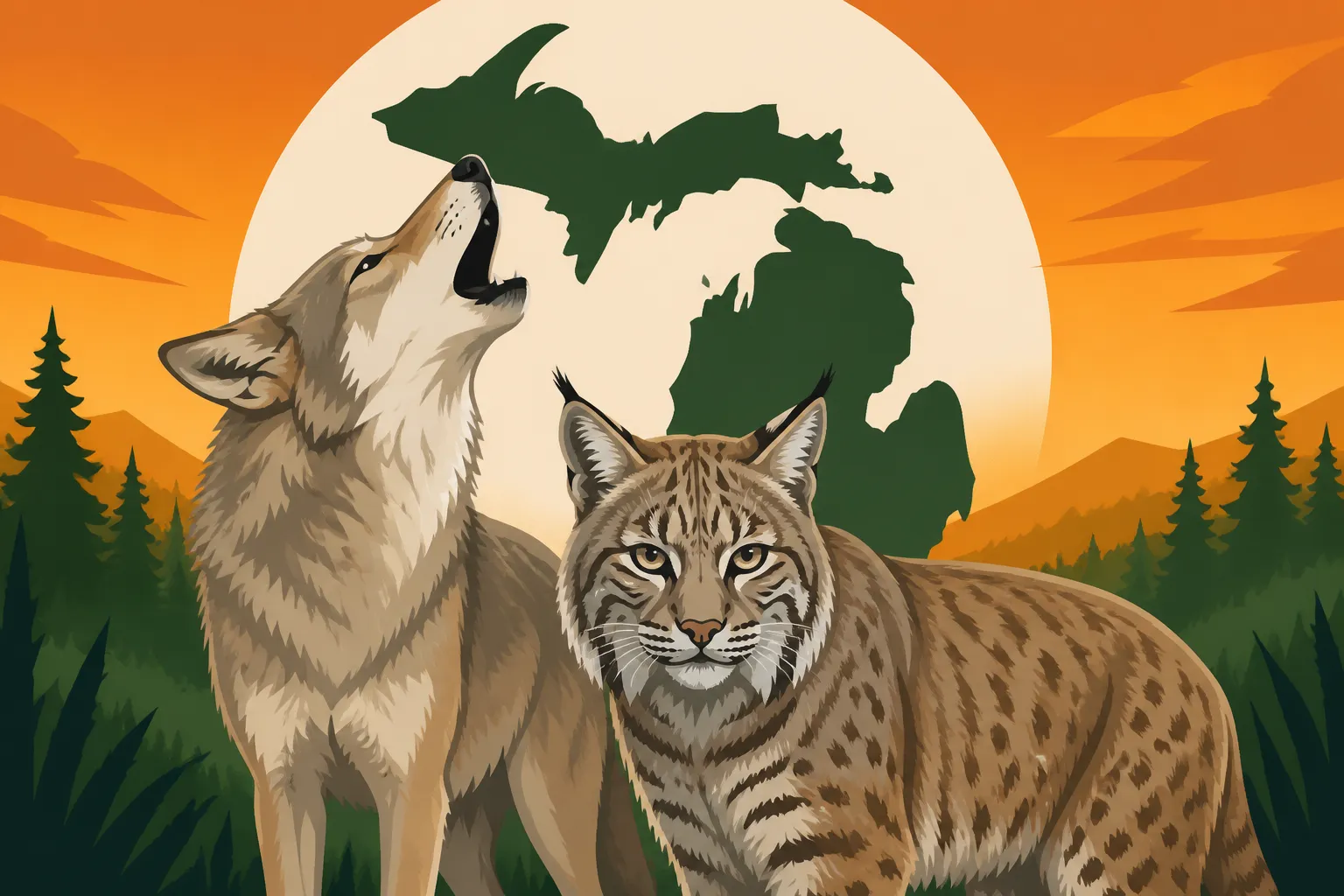
Living in Michigan, you've probably heard the distant howl of a coyote or maybe even spotted one slinking across a field at dawn. But what about bobcats? These elusive felines often exist in the same wild spaces, yet many hunters and outdoor enthusiasts have a lot of questions about both species – their behavior, their impact on other game, and the rules for hunting them. This guide aims to clear up some of those mysteries, offering a deeper understanding of Michigan's coyotes and bobcats, their ecological roles, and how we can best coexist with them.
Understanding Michigan's Coyote Population
Coyotes are one of Michigan's most common and adaptable predators, often seen as both a nuisance and a vital part of the ecosystem. Their presence sparks a lot of conversation among hunters, especially concerning their impact on deer and small game. Let's delve into what makes these canids such a pervasive and fascinating part of our state's wild landscape.
Coyote History and Spread in Michigan
It might surprise some, but coyotes weren't always a widespread resident of Michigan. Historically, they were more common out West. As European settlers moved eastward and began clearing vast tracts of dense forest, creating more open, agricultural lands and fragmented woodlands, coyotes found an open invitation to expand their range. They really started to become established in Michigan in the early to mid-20th century, steadily pushing into areas where their larger cousin, the gray wolf, had been largely extirpated.
Their incredible adaptability is the key to their success. Unlike some species that require very specific habitats, coyotes can thrive in almost any environment you can imagine – from the vast, remote forests of the Upper Peninsula to the sprawling farmlands of the Thumb, and even the suburban fringes around our biggest cities. This willingness to adapt to human-modified landscapes is why you'll now find them virtually everywhere in the state, often much closer to home than you'd expect. Understanding How Many Coyotes Michigan Has provides a clearer picture of their sheer numbers and wide distribution.
Coyote Behavior and Characteristics
Coyotes are often described as exceptionally intelligent and opportunistic animals, and that reputation is well-earned. They possess a keen sense of smell, excellent hearing, and surprisingly good eyesight, making them formidable hunters. While they are famously known for their distinctive howls, yips, and barks, which are used for communication within their pack or to mark territory, they can also be incredibly silent and stealthy when hunting.
Their diet is remarkably flexible. They are true omnivores and will eat almost anything available. This includes a wide array of small mammals like rabbits, hares, mice, voles, and squirrels, which form a significant part of their diet. But they are also known to prey on deer fawns, especially during the spring birthing season, and will readily scavenge on deer carcasses left by hunters or winter kill. Beyond meat, they'll consume insects, berries, and other fruits depending on the season, showcasing their ability to make a meal out of whatever resources are at hand. While they are often thought of as pack animals, many coyotes in Michigan operate as individuals or in smaller family groups, especially outside of denning season.
Impact on Game Species
The presence of coyotes often raises concerns among hunters about their impact on deer populations, particularly the survival of fawns. It's true that coyotes are known predators of fawns, and in certain areas or during specific periods, they can certainly take a toll on young deer. However, the exact extent of this impact is complex and varies greatly depending on local conditions, deer density, and other predator populations. Biologists often point out that coyotes tend to target weaker or sick fawns, which can, in a way, contribute to the overall health and vigor of the deer herd by removing less robust individuals.
Beyond deer, coyotes play a significant role in regulating populations of small game animals. They are efficient hunters of rabbits and hares, which often makes them competitors with hunters pursuing these species. Their predation on rodents also helps control agricultural pests. It's a delicate balance, and while it's easy to blame coyotes for perceived declines in other game, it's crucial to consider the broader ecological picture. Factors like habitat quality, severe winters, and disease often have a much larger and more consistent impact on game populations than predator numbers alone.
The Elusive Michigan Bobcat
While coyotes are a common sight or sound, bobcats are far more secretive and often a bucket-list sighting for many Michigan outdoors enthusiasts. These beautiful felines embody the wilder spirit of Michigan, and their presence speaks to the health of our more remote forest ecosystems.
Bobcat Distribution and Status
Michigan's bobcat population is largely concentrated in the northern regions of the state. You'll find them most reliably in the vast, continuous forests of the Upper Peninsula and the northern Lower Peninsula. While they might occasionally wander into more southern areas, especially where suitable habitat remains, their core range truly begins where the landscape transitions from agricultural fields to extensive woodlands, swamps, and undeveloped tracts.
These cats prefer solitude and dense cover, which is why they are so rarely seen despite their numbers in appropriate habitats. They blend seamlessly into their surroundings, utilizing thickets, cedar swamps, and rocky outcroppings as both hunting grounds and places of refuge. Their elusive nature makes precise population counts challenging, but wildlife managers carefully monitor their health and numbers, primarily through harvest data. To understand where these fascinating felines thrive, it's helpful to look at Bobcat Range and Harvest in Michigan, which highlights the specific areas where they are most prevalent and managed.
Bobcat Characteristics and Hunting Strategy
Bobcats are undeniably striking animals, smaller than their distant cousin the Canada lynx, but significantly larger than a domestic cat. They are named for their short, "bobbed" tail, and their coat, while variable, typically features beautiful spots and streaks, providing excellent camouflage in dappled forest light. Their tufted ears and keen yellow eyes add to their wild allure.
As predators, bobcats are masters of stealth and ambush. They are not built for long chases like coyotes; instead, they rely on patience, keen senses, and a sudden burst of speed to capture prey. Their primary diet consists of smaller animals, particularly rabbits and snowshoe hares, which are abundant in their preferred habitats. They will also hunt squirrels, mice, voles, and various birds. Occasionally, they might take a young deer fawn if the opportunity arises, or scavenge on carrion, but their hunting strategy is primarily focused on smaller, more manageable prey that they can quickly dispatch.
Conservation and Management
Given their value as a furbearer and their relatively lower numbers compared to coyotes, bobcats are much more strictly managed in Michigan. Hunting and trapping for bobcats are regulated activities, requiring special permits issued through a lottery system for specific management units and during very limited seasons. This careful management ensures that the harvest remains sustainable and doesn't negatively impact the overall population.
Conservation efforts for bobcats largely revolve around habitat preservation. Maintaining large tracts of contiguous forest, especially areas with dense undergrowth, wetlands, and cedar swamps, is vital for their long-term health. These areas provide the cover they need to hunt, raise their young, and avoid human disturbance. As apex predators in their niche, bobcats play an important ecological role by helping to keep small mammal populations in check, contributing to the overall health and balance of Michigan's forest ecosystems.
Habitat and Range for Both Species
While both coyotes and bobcats are predators, their habitat preferences and how they utilize the diverse Michigan landscape differ significantly. Understanding these distinctions helps hunters and outdoor enthusiasts pinpoint where they might encounter each species.
Coyote Adaptability Across Michigan
Coyotes are perhaps the most adaptable large carnivore in North America, and Michigan is a prime example of their ability to thrive in almost any environment. In Southern Michigan, you'll find them navigating vast agricultural fields, using woodlots, fence rows, and river corridors for cover and travel. They're masters at exploiting the resources available in these human-dominated landscapes, often preying on rodents found in farm fields, rabbits in brushy areas, and even deer in fragmented cover. Their presence in suburban areas, where they can find food from pet dishes, unsecured garbage, and small wild prey, has become increasingly common.
As you move north into the Lower Peninsula and then into the Upper Peninsula, coyotes transition into more wild, forested settings. Here, they utilize clear-cuts, aspen stands, cedar swamps, and dense conifer forests. They'll follow deer yards in winter, scavenging on carcasses and sometimes preying on weakened deer. Their ability to switch seamlessly between these vastly different environments, from dense urban fringe to remote wilderness, is truly remarkable and speaks to their ecological resilience. For hunters, this means that almost anywhere you find yourself in Michigan, a coyote is likely present.
Bobcat Preferences in Wild Michigan
Bobcats, by contrast, are far more selective about their habitat. They are creatures of the deep woods and wild spaces, largely eschewing human development. Their ideal habitat in Michigan consists of dense, often rugged terrain. Think vast cedar swamps, thick conifer forests, and mixed hardwood-conifer stands with plenty of undergrowth, downed timber, and rocky areas for denning and cover. These are the kinds of places where a hunter might find themselves Bobcat Hunting in the Upper Peninsula. They thrive in areas with low human disturbance, where they can remain hidden and utilize their stealthy hunting tactics.
In the Upper Peninsula, these habitats are abundant, particularly in the western and central parts. In the northern Lower Peninsula, areas like the Pigeon River Country State Forest or expansive state forest lands with significant swamp and wetland complexes provide crucial bobcat strongholds. They need these wild corridors for travel, hunting, and raising their young, making them excellent indicators of relatively undisturbed, healthy forest ecosystems.
Overlap and Coexistence
While coyotes and bobcats have distinct preferences, their ranges do overlap significantly, especially in the northern half of Michigan. It’s not uncommon for both species to inhabit the same general forested areas, though they may utilize different micro-habitats within those areas or be active at different times. For instance, a coyote might be more comfortable hunting open clearings or forest edges, while a bobcat sticks to the densest underbrush.
Interspecies competition can occur, particularly if prey resources become scarce. However, given their slightly different hunting styles and primary prey, direct competition is often minimized. Bobcats rely heavily on smaller prey like rabbits and hares, while coyotes have a broader, more opportunistic diet. It's a testament to the richness of Michigan's ecosystems that both these skilled carnivores can coexist, each playing its unique role in the intricate web of wildlife. Understanding how each species leverages the landscape can give hunters an edge, whether they are targeting deer or the predators themselves.
Hunting and Trapping Regulations
For many, the allure of Michigan's coyotes and bobcats extends beyond observation to the challenge of hunting or trapping them. However, the rules for these activities vary greatly between the two species, reflecting their different population statuses and management goals.
Coyote Hunting Seasons and Methods
Coyote hunting in Michigan is notably more liberal than for most other game species. Generally, coyotes can be hunted year-round across the entire state. This open season reflects their abundant and adaptable population, and hunting is seen as a tool to help manage their numbers, especially in areas where they might impact livestock or other game species.
Hunters can pursue coyotes using a variety of methods and equipment. During deer firearm seasons, a hunter with a valid deer license can take coyotes as an incidental take. Outside of deer season, any hunter with a valid base hunting license can pursue them. Legal firearms include rifles, shotguns, and handguns, provided they meet Michigan's general hunting regulations. Where Michigan Limits Rifles for Deer will influence what you can use in certain areas. Archery equipment and crossbows are also permitted. A popular and effective method is calling, where hunters use distress calls, rabbit screams, or fawn bleats to lure coyotes into range. This is especially effective during the colder months, making Coyote Calling in Michigan Winter a favorite tactic for many. Hunters should always check the latest regulations for specific rules regarding baiting, night hunting, and the use of artificial lights, as these can change or have specific restrictions. It's always a good idea to cross-reference with tools like GoHunt's regulatory summaries for the most up-to-date information. Regarding night hunting, understanding Night Hunting Rules for Michigan Coyotes is crucial for anyone considering this method.
Bobcat Hunting and Trapping Permits
Hunting and trapping bobcats are far more restricted activities due to their lower population density and their status as a valuable furbearer. Michigan manages bobcats through specific hunting and trapping seasons that are typically much shorter and limited to certain designated management units, primarily in the northern Lower Peninsula and Upper Peninsula.
To pursue bobcats, hunters and trappers must apply for a special permit through a lottery system. These permits are limited in number, making drawing one a true privilege. The specific dates and regulations, including bag limits, vary by management unit and year, so checking the Michigan Department of Natural Resources (DNR) website or using a reputable outdoor platform like GoHunt is essential for current information. Trapping is a common and effective method for harvesting bobcats, with regulations governing trap types, sizes, and placement to ensure humane and ethical practices. For hunters who successfully draw a tag, understanding Michigan Bobcat Permit and Tagging requirements is critical for legal harvest and reporting.
Ethical Considerations and Best Practices
Whether hunting coyotes or bobcats, ethical considerations are paramount. This includes practicing fair chase, ensuring clean and humane kills, and respecting wildlife and landowners. For all hunting activities, wearing Michigan Hunter Orange Rules during specified seasons is required for safety. For those hunting on private land, obtaining explicit permission from landowners is not just good manners, it’s a legal necessity, and GoHunt can help identify land ownership boundaries, making the permission process smoother. Retrieving downed game is always the hunter's responsibility, even if it runs onto neighboring property, so knowing the laws about Retrieving Game From Private Land is important.
For furbearers like coyotes and bobcats, proper field care of the animal after harvest is also important to preserve the quality of the fur if you intend to have it tanned or sold. This includes quickly cooling the carcass and protecting the hide. Responsible hunting and trapping are about more than just taking an animal; they are about understanding your role in wildlife management and upholding the traditions of conservation.
Predator Management and Ecosystem Balance
The presence and management of predators like coyotes and bobcats are central to maintaining healthy and vibrant ecosystems. Their roles extend beyond just being targets for hunters and trappers; they are critical components that shape the dynamics of other wildlife populations.
The Role of Predators in Healthy Ecosystems
Predators, by their very nature, play an indispensable role in maintaining the health and balance of an ecosystem. They are nature's quality control, often targeting the weak, old, sick, or unwary individuals within prey populations. This selective pressure helps to prevent overpopulation, which can lead to habitat degradation and widespread disease among prey species. For instance, the presence of coyotes can help keep deer numbers in check, especially fawns, ensuring that the remaining deer are more robust and less likely to spread diseases like CWD. What Biologists Say Limits U.P. Deer often includes predator impact as one of many factors influencing herd health and numbers.
Beyond deer, coyotes and bobcats contribute to the stability of smaller mammal populations. By preying on rabbits, rodents, and other small game, they prevent these species from overwhelming their habitats. This intricate dance of predator and prey drives natural selection, making prey animals faster, smarter, and more vigilant, ultimately leading to healthier, more resilient wildlife communities. Without predators, ecosystems can quickly become unbalanced, leading to a cascade of negative effects.
Balancing Hunter Interests and Wildlife Conservation
The management of predators in Michigan involves a careful balancing act between various interests. On one hand, many hunters express concerns about predator numbers, especially when they perceive a negative impact on deer or other game they pursue. On the other hand, conservationists recognize the inherent value of predators in maintaining ecosystem health and biodiversity. The Michigan DNR, in conjunction with scientific research and public input, strives to manage these species sustainably.
This management often involves using harvest data from hunting and trapping seasons to monitor populations. Changes in bag limits, season lengths, or permit allocations are all tools used to ensure that predator populations remain healthy while also addressing public concerns. It's an ongoing dialogue, with new scientific insights constantly informing management decisions. Platforms like GoHunt often track and report on these regulatory updates, helping hunters stay informed about the latest policies.
Coexisting with Carnivores
As both human populations and predator populations expand into new areas, encounters between people, pets, and carnivores become more frequent. Coexisting with species like coyotes and bobcats requires understanding their natural behavior and taking proactive steps to minimize conflicts. For coyotes, this means securing pet food, trash, and compost; never intentionally feeding them; and supervising small pets outdoors, especially at dawn and dusk. Hazing (making loud noises, waving arms) can also help reinforce their natural wariness of humans.
Bobcats, being more reclusive, typically avoid human interaction entirely. However, if you live in or near their prime habitat, keeping pets secured, especially at night, is always a good practice. Understanding that these animals are simply trying to survive in a landscape that we increasingly share is key to peaceful coexistence. By appreciating their ecological contributions and respecting their wild nature, we can all play a part in ensuring Michigan remains a place where wild carnivores can thrive.
Encountering Coyotes and Bobcats
Encountering a wild animal, especially a predator, can be an exhilarating or sometimes concerning experience. Knowing what to do and how to interpret their behavior is crucial for both your safety and the welfare of the animal.
What to Do During an Encounter
Most encounters with coyotes and bobcats are brief and harmless, with the animal typically fleeing when it detects human presence. However, if you find yourself in a closer or more prolonged encounter, especially with a coyote, here’s some general advice:
For coyotes, the best course of action is generally to make yourself appear large and assertive. Stand tall, wave your arms, and make loud noises. If you have a whistle or air horn, use it. Throw small objects like rocks or sticks in their direction (not at them, but to scare them off). Do not run, as this can trigger their chase instinct. Keep pets on a leash and close to you, or pick up small pets. This "hazing" helps maintain their natural fear of humans, which is vital for both their safety and ours. If a coyote approaches you without fear or acts aggressively, it’s often a sign that it’s become habituated to humans, possibly due to intentional or unintentional feeding.
For bobcats, encounters are much rarer and they are typically extremely shy. If you see one, count yourself lucky! They are usually just passing through and will quickly disappear. The best thing to do is simply enjoy the sighting from a respectful distance. Do not approach them or attempt to interact. If a bobcat does not immediately flee, it might be injured, sick, or protecting young. In such very rare instances, back away slowly and give it plenty of space.
Preventing Conflicts with Predators
Prevention is always the best strategy for avoiding negative encounters with Michigan's predators. This is especially true in areas where human and wildlife habitats overlap.
For coyotes, securing food sources is paramount. Ensure your garbage cans have tight-fitting lids, don't leave pet food outdoors, and pick up fallen fruit from trees. If you have livestock, consider predator-deterrent fencing or guardian animals. Supervise small children and pets, especially at dawn, dusk, and night, when coyotes are most active.
For bobcats, their reclusive nature means they generally avoid conflict. However, if you live in prime bobcat territory, maintaining a clean yard, securing small outdoor pets, and eliminating potential denning sites like brush piles near homes can further reduce any potential for interaction. Scouting resources like Reading Aerial Photos for Swamp Deer can help you identify dense cover where bobcats might den or travel, informing where you might need to be extra vigilant. General tools like Using the Michigan Mi-HUNT Map can also help you understand the landscape around your property, identifying areas of dense cover or wetland complexes that might attract these secretive felines.
Reporting Sightings or Problem Animals
If you experience an aggressive or unusually bold encounter with a coyote or bobcat, or if you consistently see one exhibiting unusual behavior (e.g., staggering, excessive drooling, extreme lack of fear), it’s important to report it to the Michigan Department of Natural Resources (DNR). These could be signs of illness, such as rabies or distemper, which pose a risk to other wildlife and potentially humans or pets. The DNR can assess the situation and determine if intervention is necessary. Your report contributes to their ongoing wildlife disease monitoring and management efforts, helping keep both wildlife and communities safe.
| Feature | Coyote | Bobcat |
|---|---|---|
| Size | Medium-sized dog (20-50 lbs) | Large domestic cat (15-35 lbs) |
| Appearance | Gray/tan fur, bushy tail, pointed ears | Spotted/streaked fur, "bobbed" tail, tufted ears |
| Primary Habitat | Highly adaptable (forests, fields, suburbs) | Dense forests, swamps, rugged terrain |
| Diet Focus | Omnivorous (small mammals, fawns, fruit, carrion) | Carnivorous (rabbits, hares, rodents, birds) |
| Activity | Primarily nocturnal/crepuscular | Primarily nocturnal/crepuscular |
| Vocalization | Howls, yips, barks | Seldom vocal; hisses, growls, purrs |
| Hunting/Trapping | Year-round hunting, general license | Limited seasons, special permit lottery |
Disclaimer
This article is for general informational purposes only and does not constitute professional advice. Laws, prices and regulations vary by location and change over time. Consult a qualified professional for guidance on your specific situation.