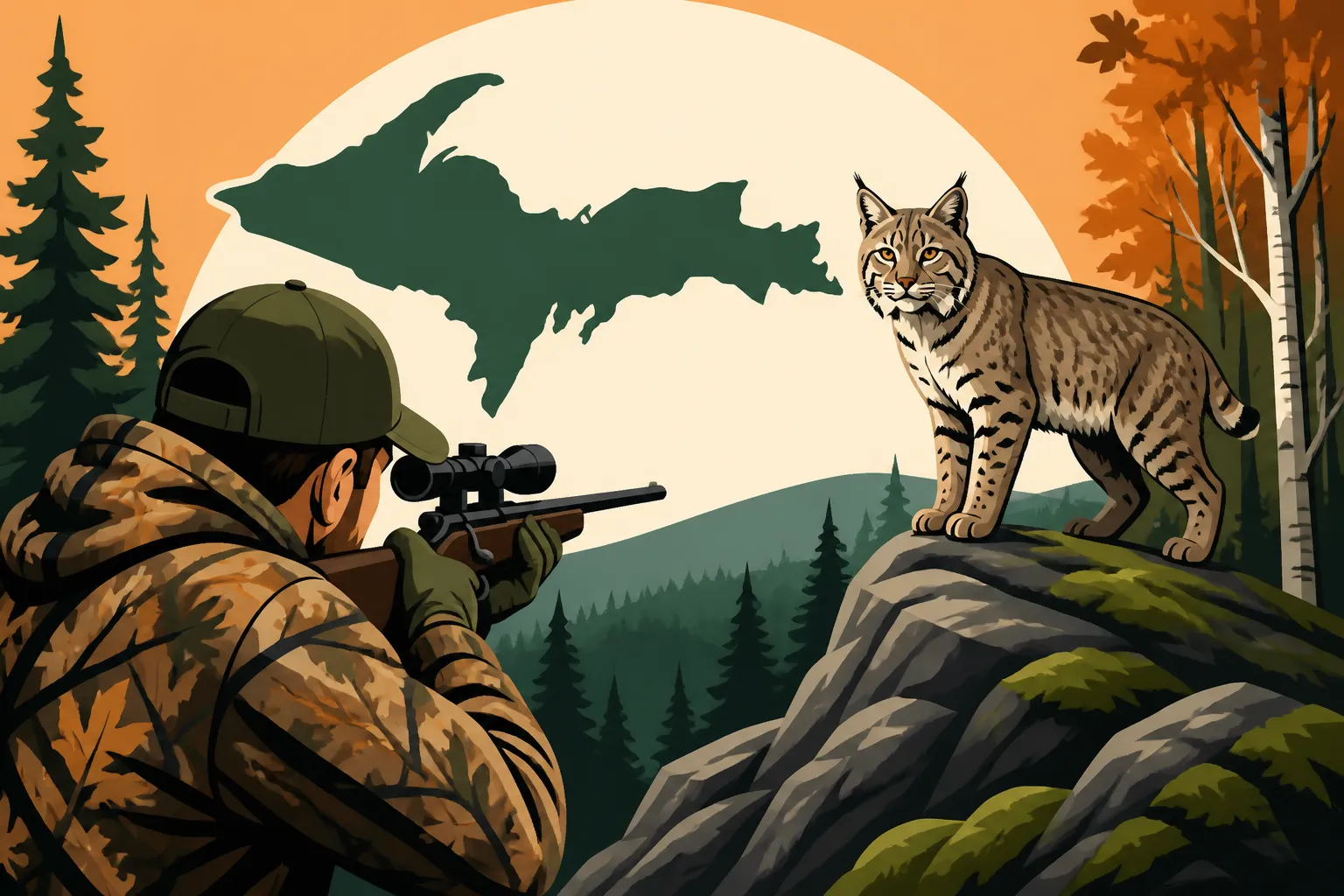
Bobcat Hunting in the Upper Peninsula
Hunting bobcats in Michigan's Upper Peninsula is an experience unlike any other, demanding patience, skill, and a deep understanding of these elusive felines. For many hunters, the sheer challenge of pursuing such a cunning predator can be incredibly frustrating, especially with complex regulations and vast wilderness. This comprehensive guide aims to demystify bobcat hunting in the U.P., equipping you with the knowledge needed to increase your chances of success, from understanding their habitat to navigating the permit system and mastering effective hunting techniques.
Understanding the Elusive U.P. Bobcat
The bobcat, a formidable and secretive predator, thrives in the rugged, wild expanses of Michigan's Upper Peninsula. Unlike deer or even coyotes, bobcats are masters of stealth, moving silently through dense cover and leaving little trace of their presence. This inherent elusiveness is precisely what makes hunting them such a unique and rewarding challenge for those drawn to the pursuit of a true wilderness animal. The Upper Peninsula's vast tracts of national forest, state forest, and private timberland, interspersed with cedar swamps, mixed hardwoods, and conifer stands, create ideal habitat for bobcats, providing both cover and a steady supply of prey like snowshoe hares, grouse, and rodents.
The population of bobcats in Michigan is healthy, especially in the U.P., which is why this region is the primary area for regulated bobcat hunting. Their numbers fluctuate with prey availability and winter severity, but generally, the U.P. supports a robust population. For hunters, this means there's a real opportunity, but it's never an easy one. You're not just hunting an animal; you're matching wits with a creature that has evolved to avoid detection, making every sign found and every track followed a small victory in itself. It’s a pursuit that forces you to slow down, observe, and truly become a part of the landscape, understanding how these wild cats use the terrain to their advantage.
Navigating Bobcat Regulations and Permits in the U.P.
Before you even think about hitting the woods for bobcats in the Upper Peninsula, you need to understand the Michigan Department of Natural Resources (DNR) regulations. Bobcat hunting is tightly controlled to maintain healthy populations, primarily through a limited quota permit system. This isn't like deer hunting where you can just buy a tag over the counter; you're entering a drawing for a chance to hunt.
The first crucial step is applying for a bobcat license. Applications typically open in the summer months, and it's essential to stay on top of the deadlines. The DNR manages different bobcat management units (BMUs), and the U.P. is usually divided into a few distinct zones, each with its own quota and season dates. You'll apply for a specific BMU, and your chances of drawing a tag can vary significantly by unit, depending on the number of available permits and the number of applicants. This system is designed to distribute hunting pressure and ensure sustainable harvest rates. For detailed information on application dates and unit boundaries, checking the official DNR website or resources like Michigan Bobcat Permit and Tagging is vital.
Once you secure a permit, it's just the beginning. Michigan also has specific rules regarding hunter orange, legal firearms for furbearers, and most importantly, mandatory harvest reporting and tagging. After harvesting a bobcat, you are required to report it to the DNR within a specific timeframe and have it tagged by a DNR official. This data is critical for biologists to monitor the bobcat population and adjust future quotas. Failing to follow these steps can result in severe penalties, so always double-check the current year's hunting guide for precise details on Michigan Small Game and Furbearer Seasons.
Here's a simplified look at the U.P. Bobcat Management Units and their general season characteristics (always confirm current year's regulations):
| Bobcat Management Unit (BMU) | General Location (Upper Peninsula) | Typical Season Dates | Hunting Methods | Quota/Permit System |
|---|---|---|---|---|
| BMU A (Western U.P.) | Gogebic, Iron, Ontonagon Counties | Dec – Jan/Feb | Trapping, Hounds, Calling, Still-hunting | Limited Draw |
| BMU B (Central U.P.) | Marquette, Baraga, Dickinson, etc. | Dec – Jan/Feb | Trapping, Hounds, Calling, Still-hunting | Limited Draw |
| BMU C (Eastern U.P.) | Chippewa, Mackinac, Luce, etc. | Dec – Jan/Feb | Trapping, Hounds, Calling, Still-hunting | Limited Draw |
| BMU D (Northern Lower) | Not in U.P., but shares similar traits | Dec – Jan | Trapping, Calling, Still-hunting | Limited Draw |
Note: Season dates and specific BMU boundaries can change annually. Always consult the latest Michigan DNR hunting guide for the most accurate information.
Effective Hunting Methods for U.P. Bobcats
Hunting bobcats successfully in the Upper Peninsula often requires a blend of traditional skills and modern techniques. Their incredible stealth and wariness mean that success rarely comes easy, but with persistence and the right approach, it is achievable.
Calling Techniques
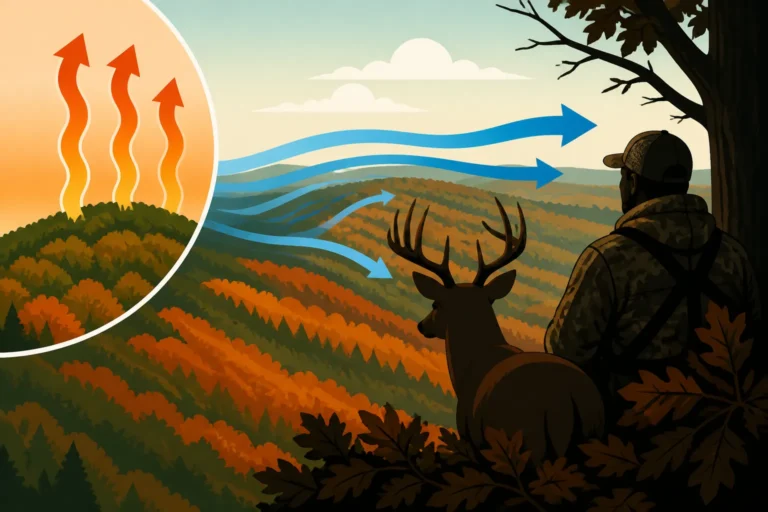
Predator calling is one of the most popular methods for bobcats, especially when snow cover allows for easy tracking and identification of recent activity. The key is to mimic the distress cries of their primary prey – think rabbit in distress, bird in distress, or even mouse squeaks. Electronic calls are highly effective, offering a wide range of sounds and the ability to place the sound source away from your actual location. When setting up a call stand, consider the wind carefully; bobcats will almost always circle downwind to scent-check the source of the sound. Sit tight, be patient, and stay absolutely still for at least 30-45 minutes, as bobcats can approach cautiously and take their time. Early morning and late evening are often prime times, but a cloudy, calm day can yield results at any time. Just like Coyote Calling in Michigan Winter, stealth is paramount, and your setup needs to maximize concealment.
A subtle approach is often best. While coyotes might charge in, a bobcat is more likely to appear silently, often blending into the background until it's very close. Placing a decoy, such as a rabbit or bird, can help distract the bobcat's attention from your position. Make sure your backdrop is dense, breaking up your outline, and use scent control religiously. Even a faint human odor can send a wary bobcat bolting. Successful calling means being prepared for an instant shot when one finally appears, often as if materializing from thin air.
Hunting with Hounds
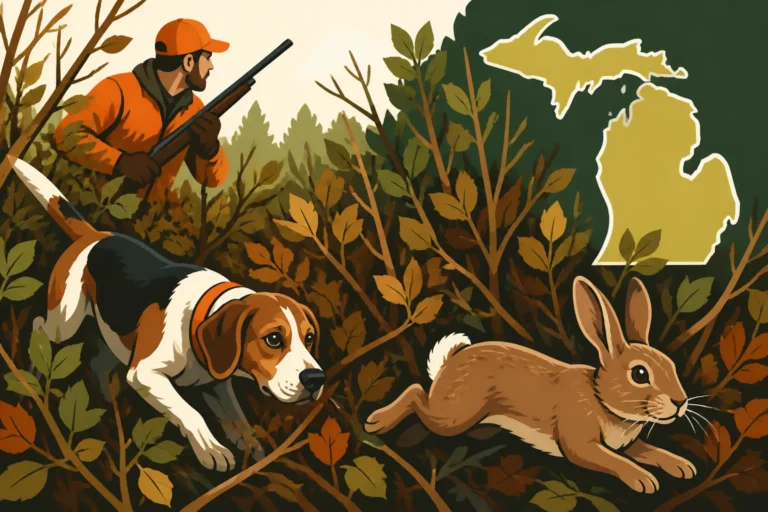
For many, hunting bobcats with hounds is the quintessential U.P. experience. This method is highly effective, especially with a good tracking snow. Hounds are specifically trained to pick up the scent of a bobcat and pursue it, typically "treeing" the cat, holding it at bay in a tree until the hunter arrives. The U.P.'s vast forests provide ample room for hounds to work, and the snow allows for easy verification of tracks before releasing the dogs.
This method requires a significant investment in well-trained dogs, specialized equipment (GPS collars, dog boxes), and a strong network of fellow hound hunters. It's a highly social form of hunting, often involving a team working together to locate tracks, release dogs, and follow the chase. The excitement of hearing the hounds on a fresh track, the anticipation as they close in, and finally seeing the bobcat treed is an exhilarating reward for the effort involved. Be prepared for long treks through thick cover, potentially in deep snow. Understanding dog behavior and safely navigating the U.P. terrain are crucial when Running Hounds for Michigan Bear, and the same applies to bobcats.
Still-Hunting and Tracking
While more challenging, still-hunting and tracking bobcats in the snow can be incredibly rewarding. This method relies on fresh snowfall to reveal tracks, allowing you to follow a bobcat's movements and anticipate where it might be bedded or hunting. Still-Hunting Michigan Cedar Swamps can be effective, as bobcats often utilize these dense areas for cover and prey. Look for tracks along swamp edges, thick clearcuts, and areas where small game is abundant.
The key to successful tracking is patience and a keen eye. Bobcat tracks are distinct – round, without claw marks (unless in soft mud or a steep climb), and typically smaller than a coyote's. Follow tracks slowly and deliberately, always looking ahead for the cat itself, not just at the ground. Bobcats will often use thick cover to conceal themselves, so pay close attention to brush piles, downed logs, and dense undergrowth. Wind direction is critical; always try to keep the wind in your face or quartering. This method is physically demanding and requires significant time in the field, making it a true testament to traditional hunting skills. Gear like insulated Boots and Packs for Michigan Swamps becomes absolutely essential for comfort and endurance.
Essential Gear and Preparation for U.P. Bobcat Hunting
A successful bobcat hunt in the Upper Peninsula hinges not only on skill and knowledge but also on being properly equipped and prepared for the challenging conditions. The U.P. in winter can be unforgiving, so your gear needs to be up to the task.
Appropriate Clothing and Footwear
Layering is non-negotiable for U.P. winter hunting. Start with moisture-wicking base layers, add insulating mid-layers like fleece or wool, and top it off with a waterproof and windproof outer shell. Wool is a fantastic choice for quiet movement and warmth, even when damp. Consider scent control clothing, as bobcats have an incredible sense of smell. For footwear, invest in high-quality, insulated, waterproof boots. You'll be walking through snow, potentially deep drifts, and icy terrain, so warmth, traction, and dry feet are paramount. Overshoes like Baffin or Schnee's can make a huge difference in comfort during long periods of sitting or tracking. Remember, when firearm hunting, Michigan requires specific amounts of hunter orange, so ensure your outer layers meet the How Much Hunter Orange Michigan Requires guidelines.
Optics and Weaponry
Good optics are essential for spotting a bobcat in dense cover. A quality pair of binoculars, perhaps 8×42 or 10×42, will help you pick apart brush piles and identify subtle movements. A rangefinder is also useful for confirming distances once a cat is spotted. For weaponry, many hunters choose shotguns with buckshot or slugs, particularly in thick cover where shots are close and fast. Small-caliber rifles (e.g., .223 Remington, .22-250 Remington) are also popular, offering precision at slightly longer ranges, but confirm their legality for furbearers in your specific BMU. Archery equipment can also be used for those seeking an extra challenge.
Navigation and Other Essentials
The U.P. is vast, and it's easy to get disoriented, especially when following tracks or hounds. A reliable GPS unit or a smartphone with a robust hunting app like GoHunt is indispensable for navigation and marking key locations. Downloading offline maps is crucial, as cell service can be spotty to non-existent in many remote areas. The GoHunt app, for example, can help you identify land ownership, map out travel corridors, and even locate optimal calling setups based on terrain features.
Beyond navigation, always carry a sturdy knife, a headlamp with extra batteries (for early morning starts or late evening finishes), a small first-aid kit, and fire-starting supplies. Pack plenty of water and high-energy snacks. If using calls, bring extra batteries for electronic devices. Scent lures can also be effective to draw bobcats into range. Scouting before the season, utilizing tools like Michigan's Mi-HUNT Map, can give you a significant advantage in identifying prime bobcat habitat and travel routes.
Disclaimer
The information provided in this guide is for general informational purposes only and does not constitute legal advice. Hunting regulations, seasons, and permit requirements in Michigan are subject to change. Always consult the official Michigan Department of Natural Resources (DNR) hunting guides and regulations for the current year before planning any hunting trip. It is the hunter's responsibility to know and comply with all applicable laws and regulations.