Running Hounds for Michigan Bear
For many Michigan hunters, the thought of chasing black bear through the dense woods conjures up images of solitude and stillness. But there's another, equally exhilarating way to pursue these magnificent creatures: with a pack of highly trained hounds. This isn't just a walk in the woods; it's an immersive, high-energy experience that demands dedication, skilled dogs, and a deep understanding of Michigan's bear country. This guide will walk you through the ins and outs of running hounds for Michigan bear, helping you understand the methods, challenges, and incredible rewards of this unique hunting tradition.
Understanding Michigan's Bear Hunting Regulations with Hounds
Before you even think about releasing a hound in pursuit of a bear, it's absolutely critical to have a firm grasp of Michigan's hunting regulations. The Michigan Department of Natural Resources (DNR) has specific rules regarding bear hunting, and when you add the element of hounds, there are additional considerations to navigate. This isn't a "fire and forget" situation; it requires meticulous planning and adherence to the law to ensure a legal and ethical hunt.
Season Dates and Management Units
Michigan's bear season isn't a free-for-all; it's carefully managed and divided into various bear management units (BMUs) and specific hunt periods. These seasons and units are designed to manage the population effectively and distribute hunting pressure. You’ll need to know exactly which BMU your permit is valid for and the specific dates you are allowed to hunt in that unit. Failing to check these details could lead to a disheartening, and costly, mistake. Hunters often refer to resources detailing the Michigan Bear Season Dates by Unit to ensure they're on the right track. Remember, securing a license through the Michigan Bear Licence Drawing is the first hurdle, and it can take years to accumulate enough Michigan Bear Preference Points to draw a tag in some popular units.
Hound Specific Rules and Ethics
The use of hounds for bear hunting in Michigan comes with its own set of regulations. For instance, there are rules about when you can train your dogs on bear (often outside of the main hunting season) and what equipment is permissible. You cannot, for example, harass a bear with dogs purely for sport outside of the legal hunting season. Ethical considerations are paramount; you are responsible for your dogs, their well-being, and their behavior. This means ensuring they are properly trained, well-fed, and capable of enduring the rigors of a chase. You also need to be mindful of private property lines and public land access. While tracking with hounds, you must always respect private property boundaries, a task made much easier with detailed mapping tools like GoHunt, which can show you exactly where you stand in relation to property lines.
The Art of Finding and Cutting a Bear Track
The chase itself might be the most exciting part, but it all starts with finding a fresh bear track. This isn't always easy, especially in the vast, wild landscapes of Michigan, from the dense cedar swamps of the Upper Peninsula to the sprawling forests of the Northern Lower Peninsula. It takes keen eyes, knowledge of bear habits, and often, a lot of miles put in on foot or by vehicle.
Scouting for Bear Sign
Effective bear hunting with hounds relies heavily on pre-season scouting. You’re looking for areas where bears are actively feeding, traveling, and bedding. This means searching for scat, overturned rocks and logs (evidence of foraging), claw marks on trees, and, of course, tracks. Areas with abundant natural food sources like berries, acorns, or beechnuts are prime locations. Water sources and dense cover, such as swamps or thick stands of young timber, are also key. Many successful hound hunters also integrate baiting strategies, legally, to draw bears into an area before the season, making it easier to locate fresh tracks once the season opens. This involves learning how to approach Building and Freshening a Bear Bait effectively. During your scouting, mapping applications like GoHunt can be incredibly useful, allowing you to mark prime locations, potential travel corridors, and even identify areas with good canopy cover where a treed bear might be hard to spot.
The Crucial Step of Cutting a Fresh Track
Once the season arrives, the real work begins: finding a track fresh enough to pursue. This often involves driving slowly on logging roads, two-tracks, or even hiking through likely areas at dawn. You’re looking for a track that hasn't been washed out by rain or degraded by too much sun. A fresh track will have crisp edges and displaced dirt or leaves that haven't settled back into place. Assessing track freshness is an acquired skill that comes with experience. Some hunters even use tracking collars on a lead dog to find and confirm a fresh track before releasing the entire pack. Once a suitable track is found, the lead dog, or "strike dog," is released to confirm it's a hot trail. Their behavior – sniffing intently, wagging their tail, and eagerly pulling – tells you whether it’s worth committing the rest of the pack. Remember that a bear’s diet can impact its travel patterns, so understanding seasonal food sources is crucial for identifying good starting points for your search for fresh sign.
The Thrill of the Chase: Hounds on a Hot Trail
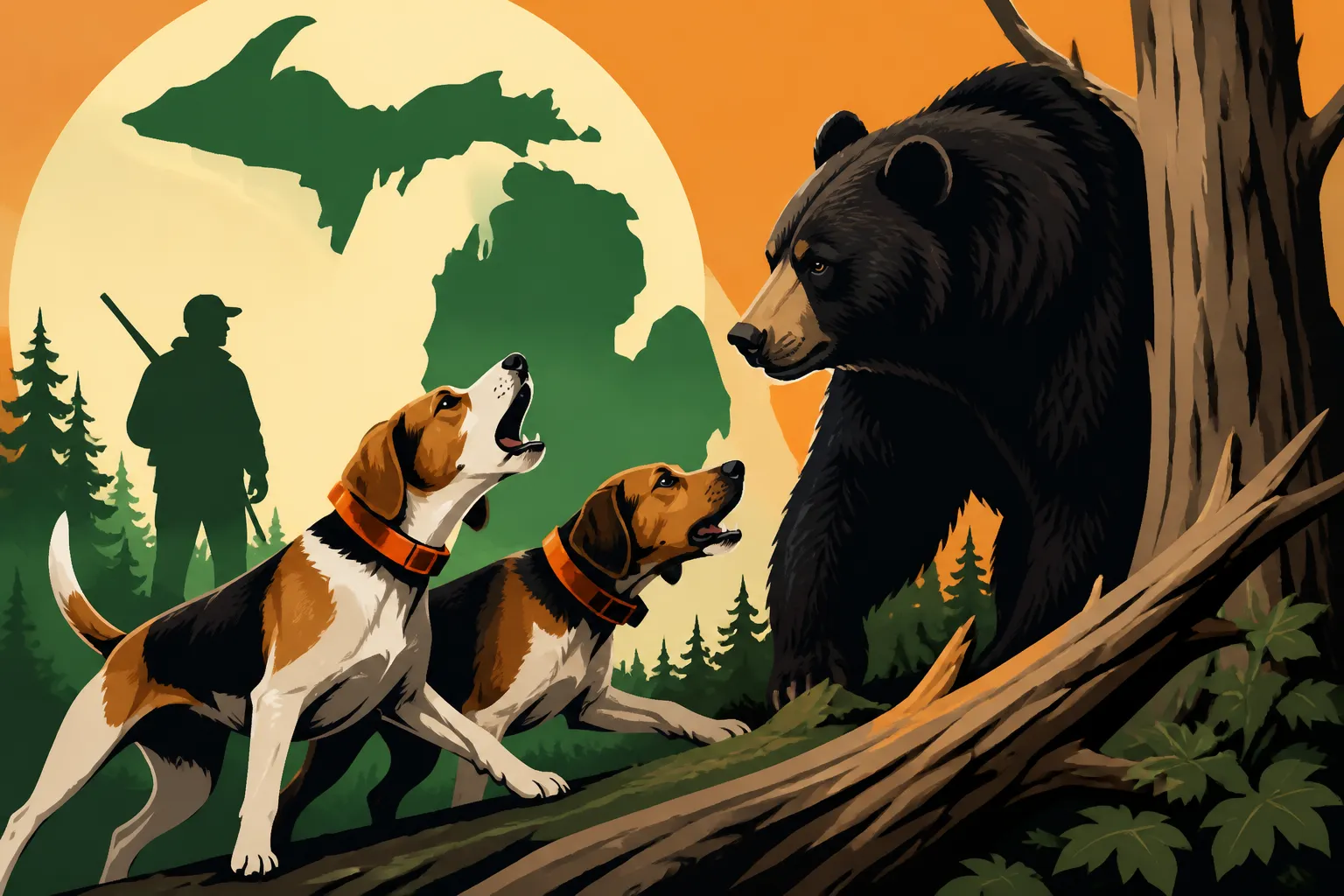
Once a fresh track is confirmed and the pack is released, the true excitement of hound hunting begins. The woods fill with the melodious baying of dogs, each one communicating their progress on the trail. This isn't just noise; it's a language, and experienced hound hunters learn to interpret every nuance, guiding them through the wilderness.
Releasing the Pack and Following the Dogs
When the strike dog has confirmed a hot track, the rest of the pack is unleashed. Each dog has its role; some are better at trailing, others at leading, and some at baying once the bear is treed. Modern technology, like GPS collars, has revolutionized this process. Instead of blindly following the sound, hunters can track their dogs' movements in real-time on a handheld device or phone app, making it easier to anticipate the bear's direction and cut off the chase if needed. This is where detailed topographic maps from platforms like GoHunt really shine, allowing you to visualize the terrain your dogs are covering and plan your approach. The dogs will typically follow the scent trail, often at a rapid pace, through dense underbrush, over fallen logs, and across streams. The sound of their baying will intensify as they get closer to the bear, signaling increased excitement and proximity.
Managing the Chase and Reaching the Treed Bear
The chase can last anywhere from minutes to hours, covering many miles. It’s physically demanding for both dogs and hunters. As the dogs close in, their baying will change from a trailing bark to a more consistent "treeing" or "baying" bark, indicating the bear has either climbed a tree or is cornered on the ground. At this point, the hunters must move quickly but cautiously to reach the treed bear. This often involves navigating challenging terrain, sometimes off-trail, guided by the GPS signals from the collars and the unwavering sound of the dogs. Safety is paramount; approaching a treed or bayed bear requires extreme care, as a cornered bear can be unpredictable and dangerous. It’s a moment of high tension and incredible reward, culminating in the chance to ethically harvest the animal, assuming all legal requirements are met. It’s also crucial to be aware of Michigan Safety Zone Rules and ensure you are not hunting too close to occupied dwellings.
Key Considerations for Michigan Bear Hound Hunting
Running hounds for bear in Michigan isn't just about the chase; it's a comprehensive endeavor that requires extensive preparation, proper equipment, and a deep respect for the animal and the environment. Without these foundational elements, the hunt can quickly become frustrating, unproductive, or even unsafe.
Essential Equipment and Dog Care
Beyond the obvious hunting gear, hound hunting demands specialized equipment. High-quality GPS collars for each dog are non-negotiable for safety and efficiency. These collars provide location, speed, and sometimes even bark indication. A sturdy tracking system to interpret these signals is vital. You'll also need good communication radios, first-aid kits for both humans and dogs, plenty of water, and dog food for longer hunts. Strong, durable leads and harnesses are also essential for controlling dogs before and after the chase. The well-being of your dogs is paramount. They need to be in peak physical condition, hydrated, and protected from injuries. Many hound hunters carry dog boots to protect paws in rough terrain and have a veterinarian on call, especially in remote areas like those described in Upper Peninsula Deer Yarding and Winter Movement, where conditions can be unforgiving.
Navigating Public Land and Hunter Etiquette
Michigan boasts a vast amount of public land, offering incredible opportunities for hound hunters. However, this also means you'll likely encounter other users – other hunters, hikers, bird watchers, or campers. Good etiquette is crucial. Always be respectful of others, minimize disturbance, and if you encounter another hunter who is still-hunting or using bait, try to reroute your dogs to avoid disrupting their hunt. Communication with fellow hunters can go a long way. Understanding and utilizing resources like Scouting Michigan Public Land Before Season can help you identify less-pressured areas or potential conflicts beforehand. After a successful harvest, remember that reporting your bear is mandatory, typically within 72 hours, a process detailed in Reporting a Michigan Harvest in 72 Hours.
Considerations for Common Bear Hound Breeds
Choosing the right breed of hound for bear hunting is a critical decision, as different breeds possess unique traits that can impact their effectiveness in the field. Here's a look at some popular choices:
| Breed Type | Key Characteristics | Suitability for Michigan Terrain |
|---|---|---|
| Plott Hound | Known for tenacity, aggressive trailing, good stamina. | Excellent for dense woods, swamps, and rugged U.P. terrain. |
| Treeing Walker | Fast, intelligent, strong treeing instinct, distinctive bark. | Versatile, good in varied Michigan landscapes, from open woods to thickets. |
| Black & Tan | Strong nose, cold trailer, good endurance, steady pace. | Ideal for tracking older, colder tracks and navigating challenging cover. |
| Bluetick | Known for loud, distinctive "bawl" during chase, persistent. | Good for tracking in diverse habitats, strong determination. |
Each breed brings its own strengths to the chase, and many experienced hound hunters run a mix of breeds to leverage their combined abilities. The choice often comes down to personal preference, the type of terrain you typically hunt, and the specific characteristics you value in a bear dog.
Disclaimer
Hunting bears with hounds is a specialized activity. Always prioritize safety, adhere strictly to all Michigan hunting regulations, and ensure you have the necessary licenses and permits. Respect private property and the rights of other land users. The information provided here is for educational purposes and should not replace professional guidance or official DNR regulations.