Building and Freshening a Bear Bait
There's nothing quite like the anticipation of a Michigan bear hunt, but let's be honest, it's a beast of a challenge to get a shot at one of these elusive bruins. Whether you've drawn a coveted tag or you're helping out a buddy, ensuring a bear consistently visits your site is a whole different ballgame. This guide will walk you through the nitty-gritty of building a successful bear bait station and, just as importantly, how to keep it fresh and enticing, maximizing your chances in Michigan's wild country.
Understanding Michigan's Bear Baiting Regulations
Before you even think about hauling a five-gallon bucket of stale pastries into the woods, it is absolutely crucial to understand Michigan's bear baiting regulations. Ignoring these rules isn't just bad form; it can lead to hefty fines and the loss of hunting privileges. The Michigan Department of Natural Resources (DNR) takes baiting very seriously, especially concerning the spread of wildlife diseases and general conservation ethics.
Permitted Bear Management Units and Baiting Restrictions
First off, bear baiting is not allowed everywhere in Michigan. It's specifically permitted in certain Bear Management Units (BMUs) and often comes with strict guidelines about the type of bait you can use and the amount you can deploy. These rules can change, so always check the current year's Michigan Hunting and Trapping Digest or the DNR website before you do anything. For example, baiting for bear is generally permitted in the Upper Peninsula (U.P.) and some northern Lower Peninsula units, but heavily restricted or outright banned in others. This is often tied to concerns about Bovine Tuberculosis (TB) in deer populations or Chronic Wasting Disease (CWD).
You'll need to know your specific BMU. For instance, in some northern Lower Peninsula areas where baiting is allowed, there might be different rules regarding the volume of bait or how far it must be from public trails or residential areas. It's not uncommon for hunters to misunderstand the nuances, especially when they're used to deer baiting rules (which are entirely different and often more restrictive). Always double-check your particular unit; it could mean the difference between a successful hunt and a costly violation. You can learn more about specific zones by looking into Michigan Bear Management Units.
Baiting Season Dates and Bait Composition
Another critical aspect is the timing. You can't just throw out bait any time of year. Michigan has specific dates during which bait can be placed and maintained. Typically, this aligns with the bear hunting seasons, with a grace period before the season opener for initial bait establishment. Placing bait outside these windows can be considered harassment or illegal feeding.
When it comes to the actual bait, Michigan has clear rules on what is and isn't allowed. For instance, you can't use meat or animal parts from cervids (like deer or elk) due to disease concerns. Processed human food, grains, fruits, and vegetables are common. However, the exact composition, like whether certain types of fats or oils are prohibited, can vary or be updated. You also need to consider the total volume of bait allowed at any one time. In some areas, this might be limited to a certain number of gallons or pounds per site. This isn't just a suggestion; it's a hard limit. Over-baiting can not only lead to legal trouble but also attract non-target animals or habituate bears too much, making them less wary. It's really important to stay within these parameters, both for your hunt's legality and for responsible wildlife management.
Building Your Initial Bear Bait Site
Once you've got the regulations down, it's time to get your hands dirty and establish that initial bear bait site. This isn't just about dumping food; it's a strategic operation that requires careful planning, understanding bear behavior, and a good dose of elbow grease. The goal is to make it easy for bears to find, feel secure, and return to consistently.
Strategic Site Selection and Security
Choosing the right location is paramount. Think like a bear: where would you feel safe enough to visit a food source, especially during daylight hours? Look for areas with dense cover nearby—thick swamps, cedar tangles, or mature timber stands are prime candidates. Bears love security, and a bait site tucked into a bedding area or along a travel corridor between bedding and feeding areas is ideal. Avoid open areas unless it's deep within a vast, unpressured forest, as bears are incredibly wary. Consider prevailing winds, too; you want the scent of your bait to carry into known bear travel routes, but you also want your approach to the bait to be undetected. A good digital mapping tool, like the features found on GoHunt, can be invaluable for analyzing terrain, cover types, and identifying potential travel corridors or bedding areas before you even step foot in the woods.
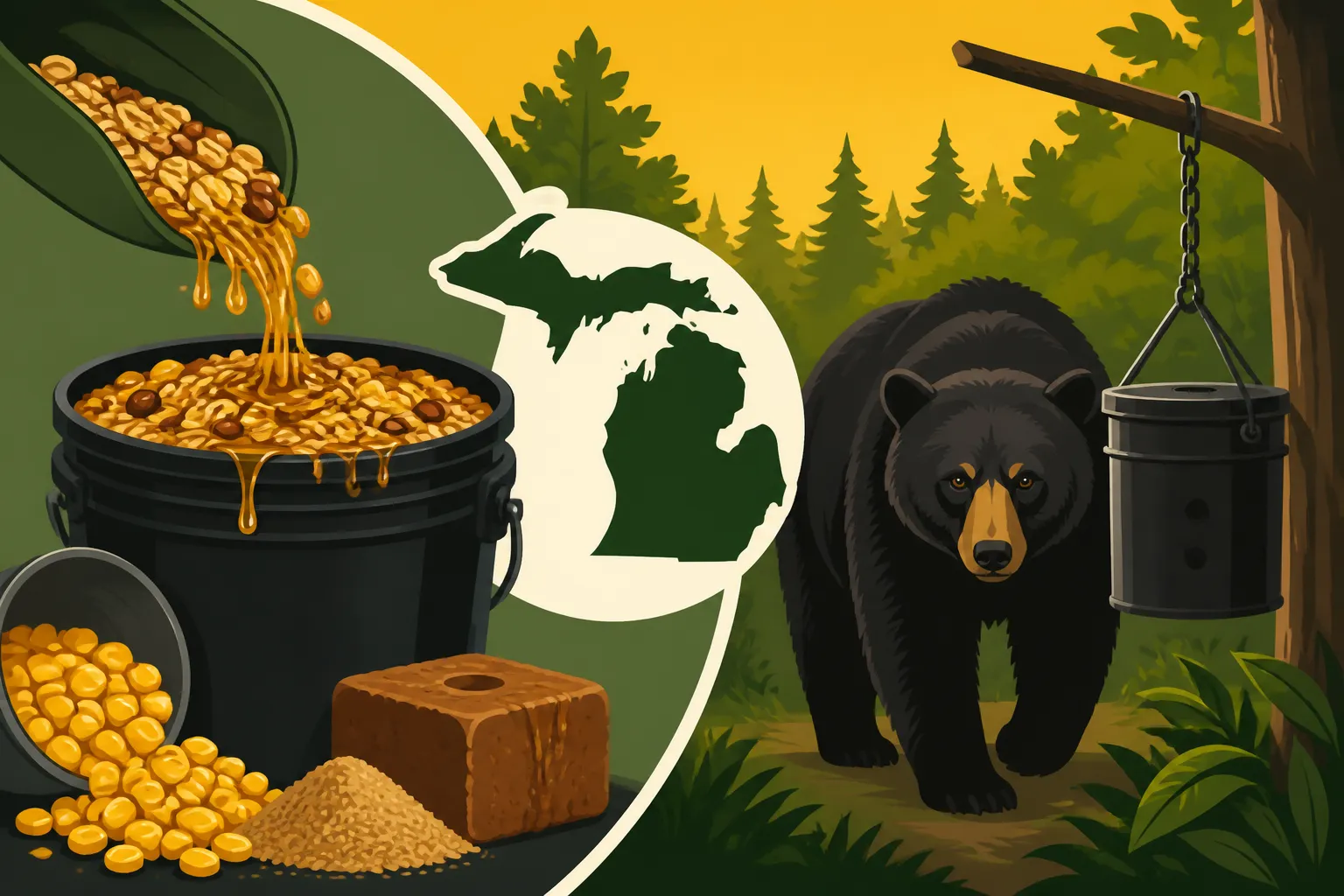
Once you've picked a spot, you need to secure your bait. Bears are incredibly strong, and they'll make off with whatever isn't tied down. Many hunters use heavy-duty plastic barrels or old water heaters (cleaned thoroughly!) that are chained or cabled to a robust tree. Some folks even bury a portion of the barrel to make it harder to move. Others use sturdy logs hollowed out or simply a tight cluster of large logs arranged to create a "crib" that contains the bait. The idea is to make the bears work for it a little, but not so hard they give up. This also forces them to spend more time at the site, increasing your chances for a shot.
Initial Bait Offerings and Scent Trails
Your first bait offering needs to be irresistible. This is your "advertisement" to the local bear population. High-calorie, high-odor foods are key. Things like stale bread, donuts, granola, dog food, or even specific bear bait mixes can work wonders. Many hunters swear by adding a generous amount of an attractant like molasses, used cooking oil (ensure it's clean and doesn't violate any regulations for waste disposal), or even commercial bear attractants with powerful, long-lasting scents like anise, cherry, or bacon.
To help bears find your site, especially initially, consider creating a "scent trail." This means spreading some of the strong-smelling attractant on trees leading into your bait site, or dragging a scent-soaked rag along a likely travel route towards the bait. Bears have an incredible sense of smell, and these trails act like breadcrumbs leading them directly to the feast. Be generous with the initial offering; you want enough to keep them coming back once they find it, and enough to last a few days while they're discovering it. It's often a balance between having enough to keep them interested and not so much that they gorge themselves and disappear for a week.
Here's a quick look at some common bait options and their uses:
| Bait Type | Pros | Cons | Best Use |
|---|---|---|---|
| Pastries/Donuts | High sugar, strong aroma, easily available | Can be expensive, attracts other animals | Initial draw, ongoing appeal |
| Dog Food | High protein/fat, good bulk, cost-effective | Less initial aroma, can mold in wet weather | Bulk filler, consistent nutrition |
| Molasses/Syrup | Excellent long-range aroma, sticky, sweet | Messy, attracts insects, can wash away | Scent trail, pour-over on existing bait |
| Used Cooking Oil | Strong fat smell, clings to other baits | Messy, potential for spoilage, regulation check | Boost aroma, slow-release scent |
| Granola/Cereal | Good texture, energy, absorbs scent well | Can get soggy, less powerful aroma | Bulk filler, mixed with other ingredients |
| Fish/Meat Byproducts | Extremely strong scent (but check regulations!) | Often illegal in Michigan, can attract unwanted scavengers | Only if legal and properly handled; use extreme caution |
Note: Always verify current Michigan DNR regulations on bait composition before using any specific items.
The Art of Freshening Your Bear Bait
Building the bait is just the start; keeping it fresh and actively visited is where the real work—and art—comes in. This consistent effort is what builds trust with the bears and habituates them to your site, making them more likely to visit during legal shooting hours.
Consistency and Timing of Visits
Regular visits to your bait site are crucial. While the exact frequency can vary based on bear activity and bait consumption, a general rule of thumb is every 2-3 days, especially when you're first establishing the site or if bears are actively feeding. This consistency reinforces the idea that the site is a reliable food source. If you let the bait run out for too long, bears will move on to other food sources or other bait sites.
When you go to freshen the bait, try to do it in the middle of the day. This minimizes your disturbance during prime bear feeding times (dawn and dusk) and gives your human scent time to dissipate before evening activity. Always approach quietly and leave as quickly as possible after replenishing. Minimizing your presence means less chance of spooking a bear that might be bedded nearby or approaching. Pay close attention to any fresh tracks or scat, which will tell you how recently a bear has been visiting. This kind of diligent scouting information is vital and ties in perfectly with how you might Scouting Michigan Public Land Before Season.
Varying Bait, Boosters, and Monitoring Activity
Don't be afraid to change up your bait offerings. Bears, like people, can get tired of the same old thing. Introduce new flavors and textures to keep them interested. If they've been hammering the donuts, throw in some apple scraps or some high-fat dog food. A variety of baits ensures different nutritional needs are met and can sometimes trigger renewed interest.
"Scent boosters" are your secret weapon. These are highly concentrated attractants, often liquid or gel, that you can add during each freshening visit. Anise oil, various fruit extracts, or even a splash of leftover fryer grease can create an irresistible aroma cloud that travels through the woods, drawing bears from a distance. Consider pouring some molasses on a nearby stump or tree for them to lick, which further engages them with the site.
Monitoring activity is critical. Set up a trail camera (check Michigan's regulations on camera use, especially concerning private property) to get an idea of when bears are visiting, how many, and what their patterns are. This intelligence is gold. If you see a mature boar consistently showing up at 3 AM, you might need to adjust your baiting schedule or introduce new attractants to try and shift his pattern, or simply accept that he's a nocturnal visitor. Pay attention to how quickly the bait is consumed; if it's disappearing fast, you might need to increase the volume or frequency of your drops. This ongoing assessment helps you fine-tune your strategy throughout the season. Remember, baiting is dynamic, not a set-it-and-forget-it deal.
Common Challenges and Troubleshooting
Even with the best planning, bear baiting in Michigan comes with its share of frustrations. From clever critters stealing your hard-earned bait to changing bear behavior, you'll inevitably face hurdles. Being prepared to troubleshoot these issues can salvage your hunt.
Dealing with Non-Target Animals
It's not just bears that love a free meal. Raccoons, opossums, squirrels, crows, and even coyotes can quickly become freeloaders at your bait site. While some incidental activity is unavoidable, excessive visits from non-target animals can quickly deplete your bait, leaving little for the bears you're targeting.
One strategy is to use larger, more durable bait containers. For instance, a 55-gallon barrel with a small access hole is much harder for a raccoon to empty than an open bucket. Securing the lid tightly can also deter smaller critters. Some hunters create a "bear-only" feeding station by burying a sturdy culvert pipe or a large metal container with an opening just wide enough for a bear's paw, making it difficult for smaller animals to access the bulk of the bait. Additionally, focusing on bait types that are less attractive to smaller animals, or that are too large for them to carry off, can help. For example, large chunks of dense, stale bread might be less appealing to a squirrel than scattered granola. The constant challenge of managing these secondary visitors is a common lament among bear hunters, and it requires vigilance and adaptability.
Weather Impacts and Bait Longevity
Michigan weather is notoriously unpredictable, and it can wreak havoc on your bait. Heavy rain can wash away scent, dilute molasses, and spoil many types of dry bait. Warm spells can accelerate spoilage, especially for fat-rich or sugary baits, leading to mold and fermentation, which might deter bears or attract undesirable insects like flies and wasps.
To combat this, consider protecting your bait. A simple tarp or a sheet of plywood secured over your bait barrel can significantly reduce rain exposure. If you're using a log crib, ensure there's good drainage. When it's warm, you might need to reduce the amount of highly perishable bait you put out and visit more frequently. Freezing some bait components, like old bread or donuts, and adding them frozen to the barrel can slow down spoilage. Remember that while a little fermentation might initially attract bears, overly sour or moldy bait can repel them. It's a delicate balance.
Overcoming Shifting Bear Patterns and Pressure
Bears are intelligent and adaptable creatures. Their patterns can change due to various factors: increased hunting pressure, natural food sources becoming abundant, or even a dominant bear moving into the area. If your trail camera shows a bear has stopped visiting, or if its visits become entirely nocturnal, you need to adjust.
First, reassess your location. Is there a new natural food source, like a bumper crop of acorns or berries, drawing them away? If so, you might need to move your bait site closer to these natural food sources or try to compete with them by offering something even more appealing. Second, consider hunting pressure. If you're hunting public land, like some of the vast tracts in the Ottawa National Forest or Huron-Manistee National Forest, other hunters might be putting out their own baits, or simply walking through the area, making bears more wary. In such cases, switching to a more remote, secure bait site might be necessary.
If bears are only visiting at night, try changing your bait offerings to something even more irresistible, or introducing new, powerful scent attractants. Sometimes, simply taking a break from the site for a few days can reduce human presence and allow bears to feel comfortable returning during daylight hours. Patience is key, but so is knowing when to adapt and try something new. Remember, a successful bear bait isn't a static thing; it's a dynamic engagement with a smart, powerful animal, and it often requires you to think just as strategically as the bear. Successfully tracking a deer in Michigan snow is tough, but a smart bear can vanish without a trace too!
Disclaimer
Please ensure you are fully aware of and compliant with all current Michigan Department of Natural Resources (DNR) hunting regulations, including those specific to bear baiting, before engaging in any hunting activities. Regulations can change annually, and it is the hunter's responsibility to understand and adhere to all laws. This guide provides general information and should not be considered a substitute for official DNR publications or legal advice.