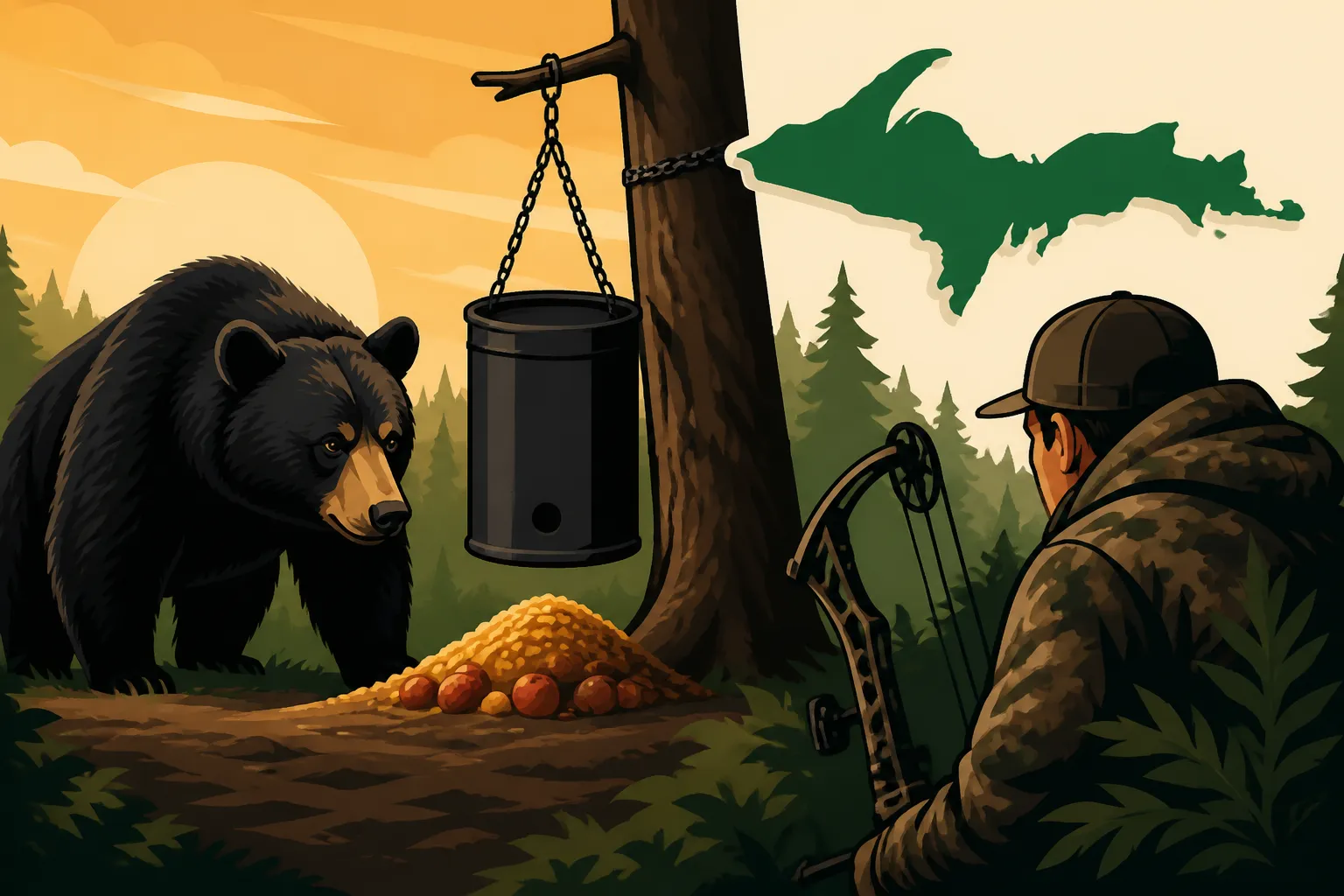
Baiting Bears in the Upper Peninsula
The thrill of a Michigan black bear hunt, especially in the vast, wild expanses of the Upper Peninsula, is something many hunters dream of. But let's be real, it's not as simple as just heading into the woods. One of the biggest hurdles and sources of confusion for many is figuring out the ins and outs of baiting, especially with all the specific regulations that Michigan has in place. This guide is here to cut through that confusion, offering you a realistic, in-depth look at how to effectively and legally bait bears in the U.P., helping you maximize your chances for success.
Navigating Michigan's Bear Baiting Regulations in the U.P.
Before you even think about hauling a barrel of donuts into the woods, understanding the legal landscape of bear baiting in Michigan's Upper Peninsula is absolutely non-negotiable. The rules are in place for good reasons—primarily to manage the bear population, ensure fair chase, and prevent the spread of diseases. Ignoring these rules won't just spoil your hunt; it can lead to hefty fines and loss of hunting privileges, which is a headache no one wants.
Understanding Permitted Baiting Seasons and Locations
First off, baiting for bears isn't a year-round free-for-all. Michigan has specific windows when baiting is allowed, and these are tied directly to the bear hunting seasons. Typically, you can begin placing bait a certain number of days before your specific bear hunting season opens, and you must cease baiting on the final day of your hunt period. These dates are crucial and vary slightly by year and by the specific bear management unit (BMU) you're drawn for in the U.P. Always consult the current Michigan Hunting Digest for the precise dates, because they can and do change.
Beyond the "when," there's the "where." While baiting is a common practice in the U.P., it's not uniformly permitted everywhere. Certain areas might have specific restrictions, such as proximity to roads, public access points, or residential areas. For instance, you can't just set up a bait station right next to a two-track where cars are constantly driving by, nor can you place it where it might pose a risk to non-hunters. Understanding your specific Michigan Bear Management Units is key here, as each unit can have subtle differences in local enforcement or considerations, even if the state-wide rule is generally consistent. It's also worth noting that while baiting is allowed in the U.P., the Lower Peninsula has much stricter rules on baiting and feeding wildlife, so don't confuse the two.
Legal Baiting Materials and Quantities
This is where many hunters, especially those new to bear baiting, can get tripped up. Michigan has very clear guidelines on what constitutes legal bear bait. You can't just use any old food scraps or trash. Generally, permitted baits include things like pastries, bread, fruit, candy, and commercial bear attractants. The key is that it must be "natural or agricultural food," and specifically, it cannot contain meat or fish products that are not naturally occurring. This means no leftover fish carcasses from your trout fishing trip, and certainly no roadkill.
Furthermore, there are limitations on the amount of bait you can place. Typically, the rule is that the bait pile cannot exceed a certain volume or weight. For example, it might be limited to two gallons per hunting site, or a volume no larger than a 55-gallon barrel. This is designed to prevent excessive feeding and habituation of bears, and to ensure the bait is not just an overflowing buffet that attracts every bear in the county and makes them less wary. Keeping track of how much bait you're putting out is important, and you should always err on the side of caution. Organizations like GoHunt often publish consolidated information and reminders about these regulations, which can be super helpful when you're planning your strategy for Michigan Black Bear Hunting.
Proper Bait Site Labeling and Identification
Another crucial, yet often overlooked, legal requirement for baiting in Michigan is proper identification of your bait station. Any bait site you establish must be clearly marked with your name and Michigan hunting license number, or your DNR Sportcard number. This isn't just a suggestion; it's a firm rule that helps the DNR identify who is responsible for each bait station. It ensures accountability and allows wildlife officers to quickly verify compliance with baiting regulations.
Imagine the frustration of spending weeks preparing a perfect bait site, only to have it tagged as illegal because you forgot to write your name on it. This small detail is easily missed but can have big consequences. The label should be durable, weather-resistant, and securely attached to the bait container or a nearby tree, clearly visible without having to dig around. This simple step is part of being a responsible hunter and helps maintain the integrity of the resource.
Selecting and Setting Up Your Ideal Bear Bait Site
Once you're confident in your understanding of the regulations, the next critical phase is choosing and preparing the perfect spot for your bait. This isn't just about throwing some treats in the woods; it's a strategic decision that can make or break your hunt. Bears are creatures of habit and opportunity, but they also prioritize safety and discretion.
Identifying Prime Bear Habitat and Travel Corridors
Think like a bear. Where would you feel safe to eat, especially if you're a large, wary animal? Bears prefer dense cover—thick timber, cedar swamps, clear-cuts, and large tracts of undeveloped public land are all excellent starting points in the U.P. Look for areas with a good mix of hardwoods and conifers, often near water sources. These environments provide natural food sources, bedding areas, and escape routes.
Specifically, scout for natural funnels or travel corridors that bears are likely to use. These could be ridge lines that drop into swamps, edges of dense conifer thickets, or old logging roads that have grown over but still offer an easy path through dense woods. Pay attention to signs of bear activity: tracks, scat, torn-up logs, or claw marks on trees. Even small details, like a patch of disturbed leaves where a bear dug for grubs, can tell you a lot. Using mapping tools, whether online or a dedicated app, can help you visualize these corridors and identify potential "pinch points" where bears are likely to pass through. You might even find some insights on historical bear movement from resources detailing Upper Peninsula Deer Yarding and Winter Movement, as some of those same dense cover areas are attractive to bears.
Strategic Placement for Stealth and Safety
When you've identified a promising general area, the exact placement of your bait site needs careful consideration. First, you want the bait itself to be in a location that offers some cover, so bears feel comfortable approaching it during daylight hours. A good spot is often just inside the edge of a thicket, or in a natural bowl or depression that provides a sense of seclusion. However, ensure it’s not too thick, or your visibility will be compromised.
Equally important is your stand placement relative to the bait. You need to be downwind (or as close to it as possible, given shifting winds), with a clear shooting lane to the bait. Bears have an incredible sense of smell, so prevailing winds are paramount. Think about your entry and exit routes to the stand—can you get in and out without being detected by a bear on or near the bait? This often means approaching from an unexpected angle, using natural terrain features to mask your movement and scent. Safety is also a concern; never place bait too close to trails frequented by hikers or other public users, and ensure you have a safe backdrop for your shot.
Essential Equipment for Establishing a Bait Site
Setting up a robust bait site requires more than just bait. You'll need a durable container to hold your bait, such as a 55-gallon steel drum with a lid, or a heavy-duty plastic barrel. Many hunters use a chain and lock to secure the lid and often to secure the barrel itself to a tree, preventing other animals (and sometimes even other hunters, though hopefully not!) from easily accessing or moving the bait. A small shovel or trowel can be useful for digging a shallow depression for the barrel or for spreading some of the bait around to create a scent trail.
Trail cameras are invaluable tools for monitoring your bait. They allow you to see what bears are visiting, at what times, and their size and disposition, all without putting human scent on the ground. A good quality camera with reliable battery life and clear images is worth the investment. Finally, don't forget good quality scent eliminators for yourself and your gear. Every time you visit the site, you're leaving human odor, and minimizing this is crucial for mature bears. Planning your trips efficiently and carrying your gear in a sturdy pack, perhaps a quiet one like those from Mystery Ranch, will help you remain undetected.
Effective Baiting Strategies and Consistent Maintenance
Once your site is established, the real work begins: maintaining it in a way that consistently attracts bears and keeps them coming back. This isn't a "set it and forget it" operation. Consistency, freshness, and smart bait choices are your allies.
Choosing the Right Bear Bait Combinations
Bears are omnivores, but they definitely have a sweet tooth and a love for high-energy foods. While donuts, pastries, and bread are staples, don't limit yourself. Bears also respond well to sweet grains, molasses, and even certain types of pet food (ensure it's not meat-based if restricted in your area, always double-check). A good strategy is to create a "smell cone" with strong-smelling attractants, and then have a more substantial, longer-lasting food source for them to consume.
For example, a bag of sugary cereal or some expired candy spread around the immediate area can provide an immediate olfactory draw, while a barrel packed with day-old baked goods, fruit, and perhaps some commercial bear attractant offers the sustained reward. Consider the time of year too; in late summer or early fall, bears are really trying to pack on calories for winter, so high-fat, high-sugar options are especially appealing. Local bakeries or candy manufacturers are often good sources for bulk bait. Many experienced bear hunters understand that varying the bait keeps bears interested, much like varying your calls when Rattling and Grunting in Michigan for deer can keep a buck guessing.
Here's a quick comparison of popular bear bait components:
| Bait Type | Pros | Cons | Tips for Use |
|---|---|---|---|
| Pastries/Donuts | High sugar, strong scent, readily available | Can spoil quickly, messy | Great initial attractant, mix with drier baits |
| Grains (Oats/Corn) | Economical, long-lasting, good caloric value | Less immediate appeal, can attract deer/small game | Mix with molasses or grease for added scent |
| Candy/Gummy Bears | High sugar, strong scent (when warm) | Can melt, expensive in bulk | Use to boost attractiveness of other baits |
| Molasses/Syrup | Excellent long-range attractant, sticky | Messy, can attract insects | Pour on stumps or mix into dry baits |
| Commercial Lures | Designed for bears, concentrated scent | Can be costly, artificial scent | Use sparingly as a boost, follow instructions |
| Old Fruit/Veggies | Natural, healthy, bears recognize | Spoils very quickly, less caloric | Good for variety, best in cooler weather |
Establishing a Consistent Baiting Schedule
Bears are highly intelligent and pattern quickly. Once they find your bait, they'll often visit it on a regular schedule. Your job is to reinforce that schedule by being consistent with your bait drops. Initially, you might need to check and refresh the bait every 2-3 days to get bears conditioned. As they start visiting regularly, you can often stretch this to 3-5 days, but don't let the bait run completely dry. An empty bait station tells a bear there's no reliable food source here, and they'll move on.
Consistency also means managing your scent and disturbance. Every visit you make to the bait site leaves human scent and can spook wary bears. Try to visit during the middle of the day when bears are less active, and always approach and depart stealthily, using the same entry and exit routes to minimize your footprint. Always carry your scent-control spray and wear clean clothes. If you're going to use an application like GoHunt for planning, you can even schedule your baiting trips and monitor weather conditions to optimize your visits, ensuring you hit those prime windows.
The Art of "Freshening" Your Bait Site
Freshening a bait site isn't just about dumping more food. It's about reactivating the site, especially its scent profile. When you arrive, take a moment to assess what's been eaten, what's been moved, and look for fresh tracks or scat. This tells you who's been visiting. When adding new bait, spread some of the sweeter, stronger-smelling items around the immediate vicinity of the barrel or container. This creates a fresh scent cone that can carry for a long distance, drawing in new bears or reminding regulars that the buffet is open.
You can also use a small amount of liquid attractant (molasses, an anise-based lure, or a commercial bear attractant) poured over stumps or on the ground around the bait to amplify the smell. Some hunters even hang a "scent bomb" or a small, perforated container with a strong-smelling lure in a tree above the bait. The goal is to make it irresistible and ensure that any passing bear downwind gets a powerful whiff that makes them investigate. This continuous re-stimulation of the senses is key to maintaining a hot bait site, similar to how Scrape Lines Along a Two-Track attract deer with consistent scent.
Monitoring and Adapting Your Bear Baiting Strategy
You've got your site set up and you're consistently baiting, but your work isn't done. The final, crucial step is monitoring your site and adapting your strategy based on what the bears are telling you. This feedback loop is essential for success, especially with intelligent animals like black bears.
Utilizing Trail Cameras for Intelligence Gathering
Trail cameras are arguably the most valuable tool in a modern bear baiter's arsenal. They are your eyes in the woods when you're not there. By reviewing camera footage, you can:
- Identify individual bears: This helps you understand which bears are visiting, their size, and their habits. You might notice a large boar that visits primarily at night, or a sow with cubs that comes in during the day.
- Track visitation times: Knowing when bears are most active at your bait allows you to plan your hunting sits accordingly. If a mature bear consistently visits between 5-7 PM, you know when to be on stand.
- Assess bait consumption: This tells you how quickly bears are eating the bait, which informs your refreshing schedule. If it's being devoured every 2 days, you know you need to visit more frequently or put out more bait.
- Determine shot opportunities: Cameras can help you see if bears are presenting good, ethical shot angles at the bait.
Place cameras strategically, often 10-15 yards from the bait, angled to cover the bait area and potential approach paths. Make sure they are secured, camouflaged, and positioned high enough to deter curious bears, yet low enough to capture clear images. A good tip is to use a security box for your camera if bears are particularly active or destructive, as they can sometimes knock cameras down or chew on them.
Reading Bear Sign and Adjusting Bait Placement
Beyond what your cameras show you, always read the physical sign around your bait site. Fresh tracks in the mud or soft soil, new claw marks on trees, or overturned rocks and logs can indicate recent bear activity. If you notice bears are approaching from a specific direction every time, or if they're circling the bait cautiously before committing, you might consider adjusting your stand placement to better intercept them or to get a better wind advantage.
Sometimes, a bait location might need to be tweaked slightly. If bears are consistently hitting the bait only under the cover of darkness, it might be too exposed, or your entry/exit routes are spooking them. You could try moving the bait a few yards deeper into thicker cover, or adjusting your access route to be even more discreet. Being observant and willing to make changes is crucial, just like when you're trying to figure out Where Big Woods Bucks Bed in Michigan and have to adjust your strategy based on subtle cues.
Minimizing Human Scent and Disturbance
This point cannot be overstated: bears, especially mature ones, are incredibly sensitive to human scent and disturbance. Every time you check your bait or set up your stand, you're leaving a calling card. To minimize this:
- Always play the wind: When visiting your bait, plan your approach to be as much into the wind as possible.
- Wear clean clothes: Don't wear the same clothes you wore for pumping gas or cooking breakfast. Store your hunting clothes in scent-free bags.
- Shower with scent-eliminating soap: Before heading out, a good scent-free shower can make a difference.
- Use scent eliminators on boots and gear: Spray down your boots, backpack, and anything else that will contact the ground or brush.
- Limit your time at the site: Get in, refresh the bait efficiently, and get out. The less time you spend there, the less scent you leave.
- Designate specific entry/exit routes: Stick to these paths to minimize spreading your scent across the general area. If you can, use a water source like a stream or swamp edge to walk in, as water can help dissipate scent.
Remember, the goal is to convince the bears that the bait is a natural, safe food source that humans rarely, if ever, visit. If they consistently associate your bait with human presence, they'll become nocturnal or simply abandon the site altogether. Persistence, patience, and a meticulous approach to scent control will significantly increase your odds of success.
Disclaimer
Hunting involves inherent risks, and rules and regulations can change. Always consult the latest Michigan Department of Natural Resources (DNR) hunting digest and local ordinances before engaging in any hunting activities. This guide is for informational purposes only and does not substitute for official regulations or professional guidance.