Field Dressing a Deer in Cold Weather
The biting wind whips across your face, making your eyes water, and your fingers already feel like numb clubs inside your gloves. You’ve just made a successful shot on a deer, a moment of pure triumph quickly followed by the daunting task of field dressing in Michigan's brutal cold. It’s a job no one relishes, but doing it right, even when the mercury dips, is crucial for preserving your venison and making the most of your harvest. This guide will walk you through the specifics of field dressing a deer when the weather turns frigid, offering practical advice to keep you efficient, warm, and safe.
The Advantages of Cold Weather for Field Dressing
Let’s be honest, standing over a deer with a knife in freezing temperatures isn't anyone's idea of a good time. Your hands ache, the cold seeps into your bones, and every movement feels sluggish. However, despite the discomfort, cold weather actually offers significant advantages when it comes to field dressing and preserving your deer. It's not just about toughing it out; it's about recognizing how the environment can work for you.
Natural Refrigeration at Work
One of the biggest struggles during warmer Michigan hunting seasons, like the early archery opener, is the race against time to cool the meat. Bacteria proliferate rapidly in warm conditions, leading to spoilage and that dreaded "gamey" taste. But when the ground is frozen solid and the air bites, nature provides an immediate, efficient refrigeration system. The moment the deer expires, its body heat begins to dissipate into the cold air. Field dressing removes the internal organs, which are the primary source of residual heat, allowing the carcass to cool down much faster and more thoroughly. This rapid cooling halts bacterial growth, firming up the meat and significantly enhancing its quality. You don't have to worry about rushing to a cooler or meat locker; the entire Michigan wilderness becomes your walk-in fridge.
Minimizing Spoilage Risks
Beyond just rapid cooling, the frigid conditions drastically reduce other common threats to freshly harvested venison. Flies, those incessant buzzing nuisances that lay eggs and contaminate meat, are nowhere to be found when temperatures drop. This means you have less pressure to work quickly to prevent blowflies from getting to the carcass. Furthermore, the overall low humidity often associated with cold, dry winter air helps to create a natural "crust" on the exposed meat surfaces. This dry crust, similar to what you might see in a professional butcher's aging locker, acts as a protective barrier against further bacterial penetration and helps seal in moisture, leading to better flavor and texture. This natural protection is a huge benefit, especially if you're hunting in remote areas like the Ottawa National Forest and have a long pack-out ahead of you before you can get the deer back to camp for proper processing.
Essential Gear for Cold Weather Field Dressing
While the cold offers advantages for meat preservation, it introduces challenges for the hunter performing the work. Numb fingers, stiff clothing, and reduced visibility can turn a routine task into a frustrating ordeal. Having the right gear, specifically chosen for cold weather operations, can make all the difference between a miserable experience and an efficient, albeit chilly, job well done.
Proper Clothing and Protection
Layering is absolutely paramount when hunting and field dressing in Michigan's cold. You'll be exerting yourself, then standing still, then exerting again. Start with a moisture-wicking base layer against your skin to pull sweat away. Add insulating layers like fleece or wool, paying close attention to your core, head, and hands. A good outer shell that is both windproof and water-resistant is essential, as sitting or kneeling in snow or wet ground can quickly lead to hypothermia. Think about bringing a spare pair of gloves – a thin, dexterous pair for the actual knife work and a thick, insulated pair for when you're not actively working or during the drag. Numb hands are not only painful but make precise knife work dangerous. Consider a pair of waterproof rubber gloves to wear under your work gloves to keep your hands clean and prevent blood from chilling them further. Don’t forget a warm hat and a neck gaiter; a significant amount of body heat is lost through your head and neck. For an in-depth look at staying warm, check out our guide on Cold Weather Sitting Strategy.
Tools of the Trade
Your field dressing kit needs to be cold-weather ready. A sharp knife is non-negotiable; a dull knife is a dangerous knife, especially with numb fingers. Many hunters prefer a fixed-blade knife with a comfortable grip that won't slip when wet or bloody. Some even carry a second, smaller knife for more delicate work around the vent. A gut hook tool can be incredibly useful for opening the belly cavity without puncturing intestines, a definite plus when precision is hard to achieve with stiff fingers. Beyond knives, a small bone saw can be a lifesaver for cutting through the sternum or pelvic bone if you plan to split the carcass or remove the hindquarters. A roll of paper towels or a dedicated game cloth is vital for wiping down your hands and tools, as well as cleaning the cavity. Finally, don't forget zip ties or rope to tie off the esophagus and anus, preventing leakage during transport. We delve deeper into essential cutting tools in Field Dressing Knives Worth Carrying.
Lighting and Navigation
Michigan’s winter days are short, and many cold-weather harvests happen either at dusk or require working after dark. A reliable headlamp with fresh batteries is absolutely indispensable. Opt for one with multiple brightness settings and, ideally, a red-light option to preserve night vision. It’s also wise to have a backup light source, like a small flashlight, just in case. When you're packing out a deer, especially at night and in unfamiliar terrain, staying oriented is critical. A GPS unit or a reliable mapping app like GoHunt on your smartphone is crucial. Before you head out, make sure you've marked your truck or camp, and consider marking your kill site the moment you get to the deer. This is especially important if snow starts to fall or visibility drops, as it will help you retrieve the deer without getting disoriented, particularly if you're hunting vast public tracts found across Michigan.
Step-by-Step Field Dressing in the Cold
The actual process of field dressing remains largely the same whether it's warm or cold, but the cold adds unique considerations. Speed, efficiency, and a methodical approach become even more critical when every touch of cold metal or exposed flesh drains your body heat.
Preparing the Scene
Once you’ve located your deer, take a moment to assess the surroundings. Position the deer on its back if possible, perhaps using a log or slight incline to help keep it stable and elevate the hindquarters slightly for better drainage. This helps prevent blood from pooling in unwanted areas. If the ground is frozen solid or covered in deep snow, clearing a small area can make your work much easier and cleaner. This is where a small shovel or even your boot can come in handy. Before you make any cuts, take a few deep breaths and plan your attack. Where will your initial incision be? Which way will the entrails fall? In cold weather, you want to minimize the time you're kneeling or sitting on the frozen ground, so setting up efficiently is key. If you're using a mapping tool like GoHunt, now is a good time to mark the location of the downed deer and your planned extraction route if you haven't already.
The Incision and Evisceration Process
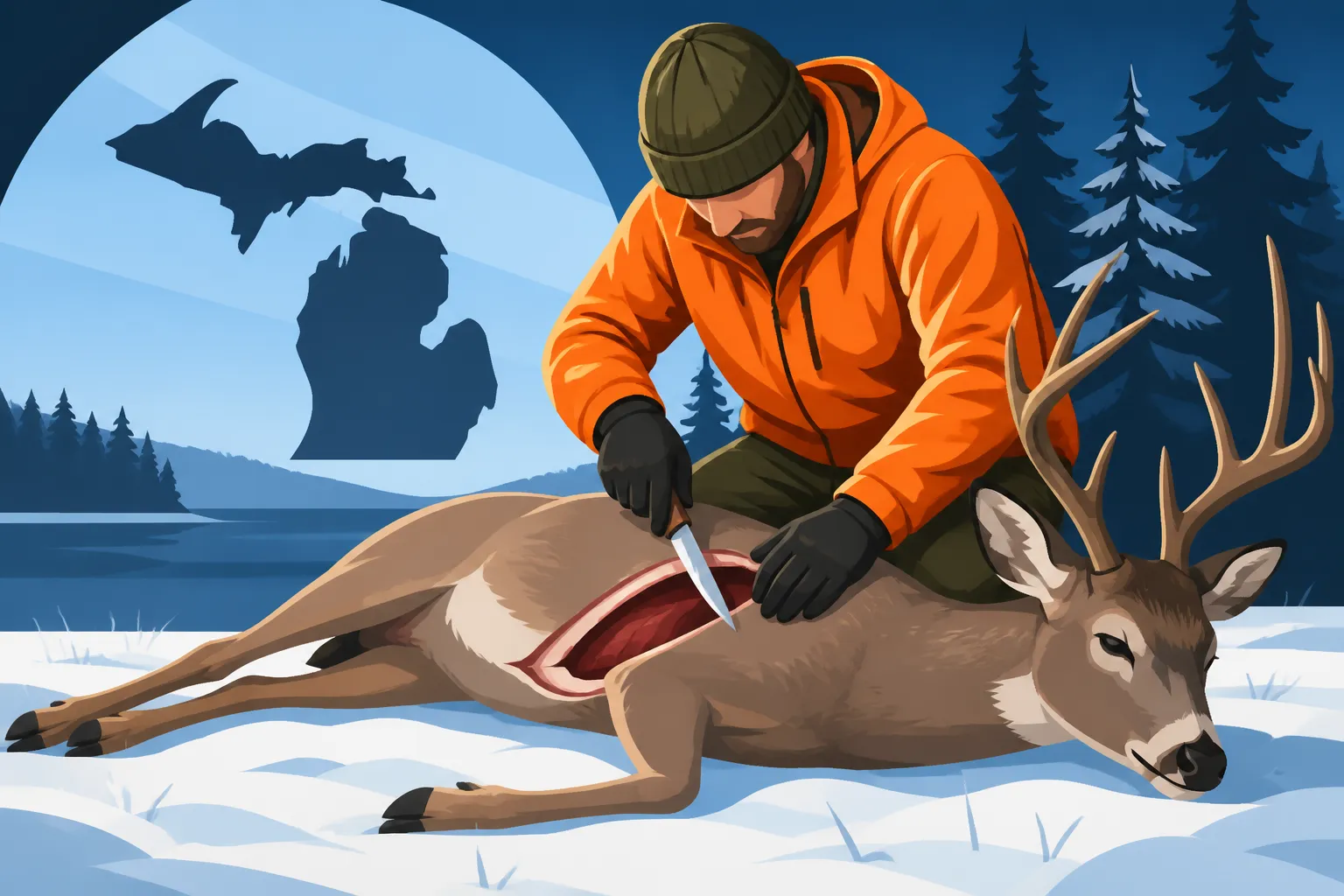
With your gear ready and the deer positioned, begin by making your first incision. Carefully cut around the anus to free the rectum, and tie it off with a zip tie or string to prevent fecal contamination. Then, starting at the sternum and working your way back to the pelvis, make a shallow cut through the hide and abdominal wall. Be extremely careful not to puncture the intestines, as this will release stomach contents and bacteria, which are particularly hard to clean up in the cold. A gut hook is especially useful here. Once the cavity is open, reach in and sever the esophagus and trachea as far forward in the chest cavity as you can. This can be tricky, especially with cold, stiff hands, but it’s crucial for removing all the organs. Gently roll the deer onto its side, allowing the entrails to spill out. Inspect the cavity for any remaining organs or tissues, making sure to remove the bladder carefully. In very cold conditions, the entrails might stick together more than usual due to the cold, requiring a bit more effort to free them. Take your time, but work efficiently to minimize your exposure to the cold.
Post-Field Dressing Care
After the entrails are removed, the goal is to get as much remaining blood and moisture out of the cavity as possible, and to further promote cooling. Use your paper towels or game cloth to wipe out any excess blood or debris from the chest and abdominal cavity. If you have water, a quick rinse can help, but ensure you dry the cavity thoroughly afterward to prevent freezing that could damage the meat. Some hunters like to prop open the chest cavity with a stick to allow for maximum airflow, which accelerates cooling. This is particularly important when the deer is still holding significant body heat. If you're not immediately quartering the animal, it's a good idea to protect the exposed meat from dirt, snow, or scavengers. Game bags are excellent for this, allowing air circulation while keeping critters out. Remember, the carcass should cool down quickly in the cold air, so plan your extraction. If you're going to be dragging the deer, having a good deer sled can save your back and prevent the carcass from picking up too much snow and debris, especially useful when hunting in areas with heavy snowfall, like the Upper Peninsula. You can find more tips on getting your harvest home in Sleds and Drags for Snow Country. Once back at camp, make sure to follow Michigan's regulations for Reporting a Michigan Harvest in 72 Hours.
Common Challenges and Troubleshooting
Field dressing in the cold presents a unique set of challenges. From numb fingers to frozen tools, it tests your patience and preparedness. Understanding these hurdles and having strategies to overcome them can make the process much smoother and safer.
Dealing with Freezing Temperatures
The most obvious challenge is the cold itself. Metal tools can become painfully cold to the touch, and even skin contact can lead to frostnip or frostbite if you're not careful. Keeping your tools in a pocket close to your body or wrapped in a cloth can help them retain some warmth. If your hands get too cold, take a break. Put on your thick, warm gloves, tuck your hands into your armpits, or use chemical hand warmers. It’s better to take a few minutes to warm up than to rush and make a mistake with a sharp knife. When the ground is frozen solid, rolling the deer might be difficult, as the hide can stick. You might need to use a boot or a small stick to pry it free. Also, consider the risk of slipping on ice or hard-packed snow. Always maintain a stable footing while working with your knife. This attention to detail is just as important during Muzzleloader Deer Hunting in Michigan when late-season cold is the norm.
Working with Limited Dexterity
Numb fingers and bulky gloves severely impact dexterity, making precise cuts difficult and increasing the risk of injury. As mentioned earlier, wearing thin, disposable surgical gloves under your regular work gloves can provide a layer of warmth, keep your hands clean, and offer a bit more grip. When the actual knife work begins, you might need to briefly remove your outer gloves to gain the necessary finesse. If you do, ensure you have a warm place for your hands to recover immediately afterward. Take slow, deliberate cuts. Don't rush. If you feel your hands getting too cold to control the knife safely, stop, re-warm them, and then resume. This approach will reduce the chance of accidents. Remember, the quality of your venison begins with clean, careful field dressing, even if it means sacrificing a little speed. Planning your hunt to consider these factors, perhaps by checking weather forecasts with tools like GoHunt, can help you prepare mentally and physically.
Safety First in the Cold
Beyond the immediate risk of knife accidents, there are broader safety considerations when working in cold, remote Michigan hunting areas. Hypothermia is a serious threat. If you become wet (from blood, sweat, or melting snow) and exposed to the cold for too long, your core body temperature can drop dangerously. Always carry extra layers, especially a dry base layer. Stay hydrated with warm liquids from a thermos, as dehydration can exacerbate the effects of cold. Make sure someone knows where you are and when you expect to return, especially if you're hunting alone. If you're deep in the woods, far from a road, consider how you’ll get the deer out. A heavy deer drag in deep snow or frozen ground can lead to exhaustion and potential injury. Planning for extraction, perhaps using a deer cart on clear paths or a sled in the snow, is critical. For more on late-season tactics, consider reading our insights on Late-Season Food Sources for Whitetails.
| Task / Item | Why it's Important in Cold Weather | Cold Weather Specifics |
|---|---|---|
| Sharp Knife | Essential for clean cuts; dull knives are dangerous, especially with numb hands. | Keep in a warm pocket to prevent chilling. Consider a gut hook for easier opening. |
| Layered Clothing | Regulates body temperature; prevents hypothermia from exertion/standing still. | Moisture-wicking base, insulating mid-layers, windproof/waterproof outer shell. Extra gloves! |
| Headlamp | Short winter days mean working in low light or darkness is common. | Fresh batteries; bright settings for detail, red light for preserving night vision. |
| Hand Warmers | Prevents numb fingers, frostnip, and improves dexterity. | Chemical packs for pockets or reusable types. Use during breaks. |
| Game Bags | Protects exposed meat from dirt, snow, and scavengers while allowing airflow. | Prevents carcass from freezing directly to snow/ice, keeping it cleaner. |
| Deer Sled/Cart | Reduces physical exertion during drag; keeps carcass clean. | Essential for moving heavy deer through snow or over frozen, rough terrain. |
| Navigation Aid | Prevents getting lost in unfamiliar terrain, especially in low visibility. | GPS or phone app (GoHunt!) with pre-marked locations; backup power for phone. |
| Warm Drinks | Hydrates and helps maintain core body temperature. | Thermos with coffee, tea, or broth can be a lifesaver. |
Disclaimer
Hunting involves inherent risks, and conditions in Michigan can change rapidly. The information provided in this guide is for informational purposes only and should not replace proper hunter education, safety training, or local regulations. Always prioritize safety, understand and follow all Michigan hunting laws, and be prepared for changing weather conditions.