Dragging a Deer Through Michigan Snow
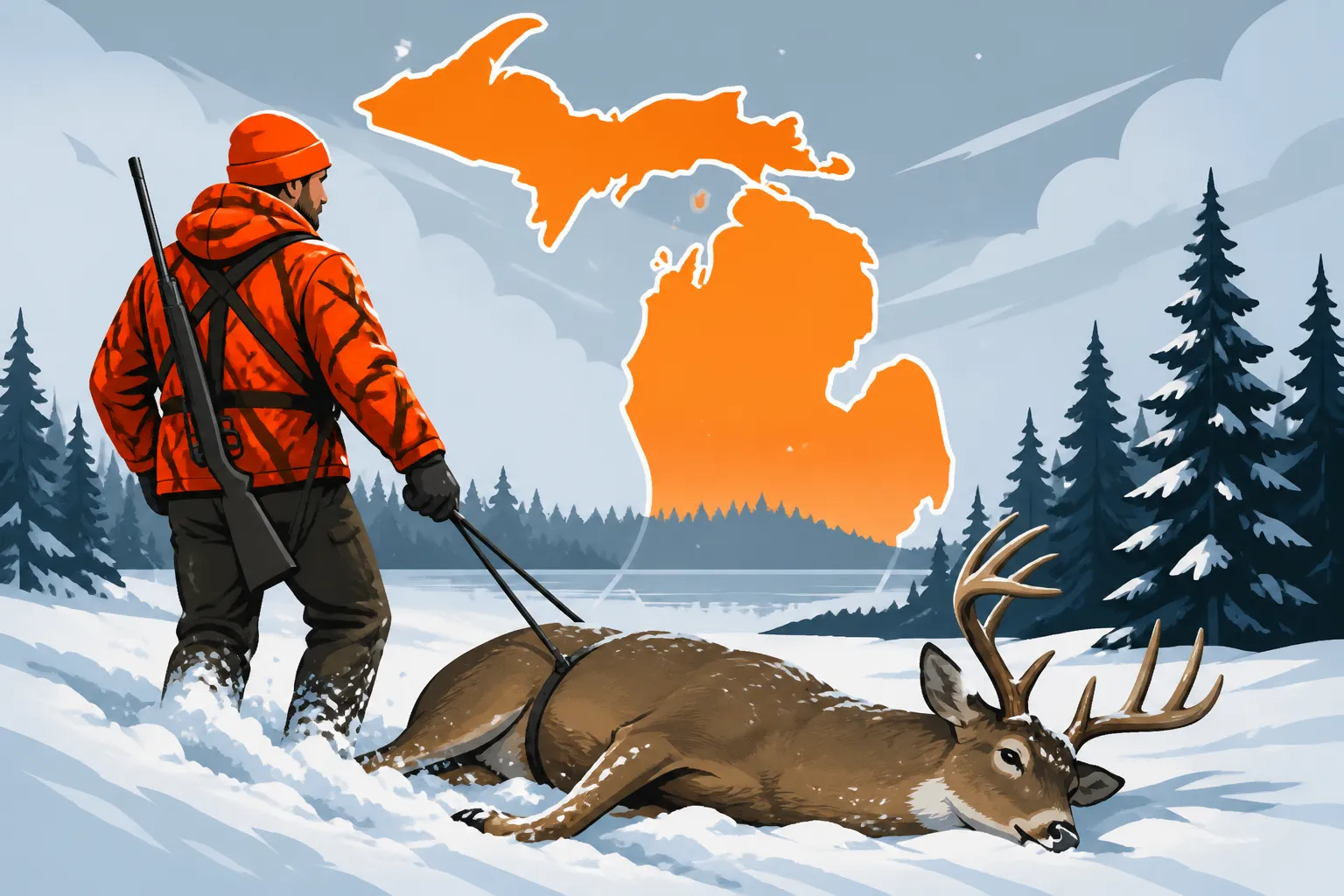
Hitting the ground after a successful shot on a Michigan whitetail is exhilarating, but the real work often begins once the celebrations fade, especially when the landscape is blanketed in snow. Many hunters underestimate the sheer physical toll of dragging a deer through Michigan's unpredictable winter conditions, turning what should be a triumphant recovery into an exhausting, sometimes dangerous, ordeal. This comprehensive guide is here to walk you through the realities, gear, and techniques needed to successfully retrieve your deer from the snowy woods, ensuring you get your hard-earned venison home safely and efficiently.
The Brutal Reality of Dragging Deer in Michigan Snow
Let's be honest, few things are as satisfying as a Michigan deer tag punched, but the thought of getting that deer back to the truck when there's fresh snow, or worse, deep slush, can make even the most seasoned hunter groan. Michigan winters are beautiful, but they present unique challenges to deer recovery that you just don't face during the warmer archery or early firearm seasons. The snow isn't always that pristine, crunchy layer you see in postcards; it can be heavy, wet, and deep, often concealing obstacles that make every step a battle.
Understanding Michigan's Varied Snow Conditions
Michigan's snow isn't a monolithic entity. What you face in the Upper Peninsula, with its consistent, deeper snowfall and longer periods of cold, is often very different from the intermittent thaws and freezes common in the southern Lower Peninsula. Imagine trying to pull a substantial buck through six inches of heavy, wet, slushy snow in late December – it's like dragging it through wet cement. Then there's the powdery, dry snow that can be less resistant but deep enough to make your feet sink with every step, creating a trench you're trying to pull a deer through. Understanding the snow conditions you're likely to encounter is the first step in preparing for a successful drag. A slight crust on top can make things easier, but a breakable crust that constantly gives way is maddeningly difficult.
The Hidden Obstacles of Winter Terrain
Beyond the snow itself, Michigan's varied terrain adds another layer of complexity. Picture hunting near a cedar swamp or navigating thick, regenerated clearcuts after a snowfall. Snow can easily mask downed logs, hidden stumps, thick brush, and uneven ground. These obstacles become trip hazards when your eyes are focused on the deer in front of you and your body is strained. What looks like a smooth, gentle slope under a foot of snow might actually be riddled with erosion ruts or hidden rocks. Trying to get a deer out of a Michigan cedar swamp, especially with snow on the ground, becomes an epic struggle against tangled roots and dense undergrowth. Even relatively flat state land can have surprisingly difficult stretches once the snow starts piling up.
The Physical and Mental Toll on Hunters
Dragging a deer is physically demanding, even under ideal conditions. Add snow, cold, and uneven terrain, and it quickly becomes an exercise in endurance and mental fortitude. Every step is harder, every pull requires more effort, and the cold can creep in, especially if you start sweating from the exertion only to cool down during a break. This isn't just about muscle strength; it's about pacing yourself, knowing your limits, and staying mentally focused when every fiber of your being just wants to leave the deer and come back with a snowmobile (which, in most places, isn't an option!). The longer the drag, the more critical it is to have a plan and the right gear to mitigate this toll.
Essential Gear for an Easier Snow Drag
Successfully recovering a deer in Michigan snow isn't just about brawn; it's about smart preparation and having the right tools for the job. You wouldn't go Muzzleloader Tactics in December Cold without proper equipment, and dragging a deer is no different. Equipping yourself properly can turn a grueling multi-hour ordeal into a manageable task.
Specialized Deer Sleds and Drags
This is arguably the most critical piece of equipment for a snow drag. A good deer sled or drag can reduce the effort required by half, or even more, by distributing the weight and minimizing friction. Instead of dragging a heavy, limp animal directly over the snow, you're gliding it.
- Plastic Toboggans and Sleds: Simple, inexpensive options like a kid's plastic toboggan or a heavy-duty utility sled can work wonders. Look for models with a slightly upturned nose to ride over obstacles and a durable, slick bottom. The deeper the snow, the more effective these become.
- Specialized Deer Drags: Brands like Shappell Jet Sleds or Pelican come to mind. These are often more robust, designed specifically for game, with integrated tie-down points and sometimes even handles. They tend to be wider and longer, accommodating bigger deer better.
- Game Carts (with modification): While a traditional game cart with wheels is useless in deep snow, some hunters adapt them by adding skis or replacing wheels with larger, wider skids. This is a more custom solution but can be effective for longer hauls over mixed terrain if you anticipate snow. For dedicated snow travel, a purpose-built deer sled is usually superior as discussed in Deer Sleds for Snow Country.
Proper Clothing and Footwear for Winter Effort
You might be sitting still in a stand for hours, but once you've got a deer down, you're going to be working hard. The key here is layering to manage sweat and stay dry, coupled with footwear that provides warmth, waterproof protection, and crucial traction.
- Layering System: Start with a moisture-wicking base layer to pull sweat away from your skin. Add a mid-layer for insulation, and a waterproof/windproof outer shell. As you start dragging, you can shed layers to prevent overheating and excessive sweating. This is vital to avoid hypothermia once you stop moving. Think about the principles of a Cold Weather Sitting Strategy but reverse for activity.
- Insulated, Waterproof Boots: Your feet are going to get wet, whether from slush, snow melting from exertion, or stepping into unexpected water. Good quality, insulated, waterproof boots are non-negotiable. Traction is also paramount; cleats or aggressive tread patterns will help you maintain footing on slippery slopes or icy patches. Consider boots designed for extreme cold, like those from Muck Boot Company or LaCrosse, which offer both insulation and excellent grip. You'll thank yourself for having Insulated Boots for All-Day Sits when that drag is over a mile.
- Gloves: Waterproof, insulated gloves that still allow for some dexterity are a must. Your hands will be handling cold ropes, potentially wet deer, and your rifle or bow.
Navigation and Communication Tools
Michigan's public lands, especially in the state forests or national forests, can be vast and disorienting once snow covers familiar landmarks.
- GPS Unit or Smartphone App: A reliable GPS unit or a smartphone with a dedicated hunting app like GoHunt is invaluable. Before heading out, mark your vehicle's location and potential retrieve points. The detailed topographical maps available through GoHunt can help you identify routes of least resistance, avoiding steep ravines or overly dense cover. Even if you're out there solo, having your GoHunt app loaded with offline maps ensures you can always find your way back, especially if you have to do Blood Trailing After Dark in Michigan. This is where the debate of GPS Units Versus Phone Apps really comes into play.
- Two-Way Radios: If you're hunting with a group, two-way radios are excellent for coordinating efforts during a recovery. This is especially true if you're running Deer Drives With Three or Four Hunters and need to coordinate movement.
- Headlamps/Flashlights: Even if you shoot in daylight, a recovery can easily stretch into evening. A powerful headlamp with fresh batteries is absolutely essential.
Field Dressing and Gutting Kits
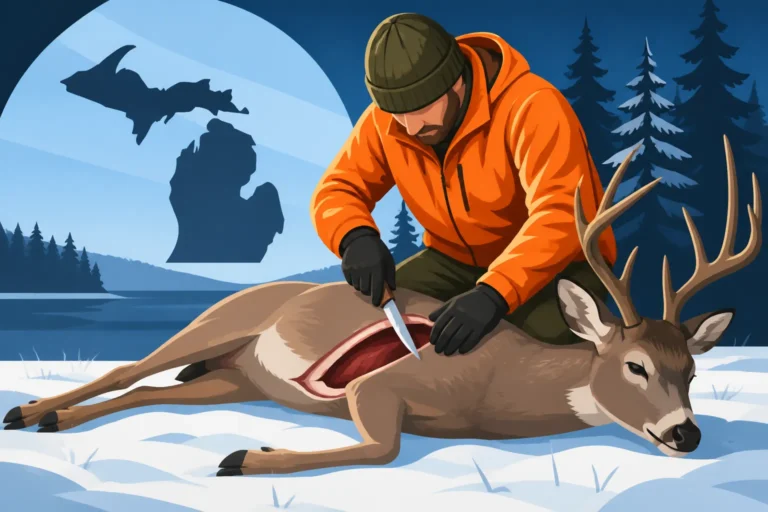
Proper field dressing immediately after the kill is a non-negotiable step to lighten the load and begin cooling the meat.
- Sharp Knife: A reliable, sharp knife is paramount. Carry a spare or a sharpener.
- Gloves: Disposable gloves (nitrile or latex) should be in your pack to maintain hygiene, especially with CWD concerns in some Michigan counties.
- Game Bags: While not directly for dragging, game bags are crucial if you decide to quarter your deer, which can be a lifesaver on a long, difficult drag. This is particularly relevant if you're hiking into remote areas and need to carry out portions of the animal in your pack, as covered in Packs for a Day on State Land.
- Bone Saw: A compact bone saw can make quick work of the sternum or pelvic bone if you need to split the carcass for easier dragging or quartering. Check out Knives and Saws Worth Carrying for more details.
- Drags and Ropes: Simple but effective. A good quality drag rope with a comfortable handle or a sturdy harness can make a huge difference, especially if you're pulling solo.
Smart Strategies for Moving Your Harvest
Once the deer is down and you've assessed the situation, it's time to strategize. Michigan's varied landscape and snow depths demand adaptable approaches. Rushing in blindly is a recipe for exhaustion and potential injury.
Maximizing Efficiency for Solo Hunters
Hunting solo in Michigan can be incredibly rewarding, but it means the recovery effort rests entirely on your shoulders. You need to be smart and methodical.
- The "Stop and Go" Method: Don't try to drag the deer for miles without a break. Pull for a short distance – say, 50 to 100 yards – then stop, rest, and survey your route. This allows you to conserve energy, adjust your grip, and catch your breath. On heavy snow days, this method is your best friend.
- Leveraging Gravity: Whenever possible, use inclines to your advantage. If you can drag the deer uphill to a high point, even if it adds a bit of distance, the downhill glide will make up for it. Similarly, be extra cautious on icy downhill slopes to maintain control.
- Field Dressing is Key: Before you even start dragging, perform a thorough field dress. Removing the entrails immediately lightens the load by a significant amount – often 20-30% of the total body weight. This is especially crucial for larger bucks. Don't underestimate the benefit, particularly when doing Field Dressing a Deer in Cold Weather, where quick cooling is also a factor.
- Consider Quartering: For truly difficult drags, or if you're deep in the wilderness (like some remote areas when Hunting the Michigan Upper Peninsula for Deer), consider quartering the animal. This involves breaking the deer down into manageable pieces and packing them out in game bags within your backpack. While it's more work initially, it can be the only practical way to retrieve your animal from challenging terrain or very long distances.
- Using a Harness: If you're dragging solo, a shoulder harness designed for deer dragging can distribute the weight more evenly across your body, reducing strain on your arms and back. Many hunters rig up simple harnesses from old backpack straps or rope.
Teamwork and Group Drags
If you're hunting with a buddy or as part of a deer camp, a group recovery can make light work of even the heaviest deer.
- Designated Roles: Before you start, assign roles. One person might lead, clearing small obstacles or scouting the path, while others focus on pulling the deer. Rotate positions to avoid burnout.
- Synchronized Pulling: When multiple people are pulling, it's crucial to synchronize your efforts. A simple "1, 2, 3, pull!" count can ensure everyone is pulling at the same time, maximizing efficiency and preventing jerking.
- Rope and Handles: Use a sturdy rope with handles at intervals or multiple drag ropes attached to the deer sled. This allows several people to pull simultaneously without crowding.
- Communication: Constant communication is essential, especially when navigating uneven ground or obstacles. "Watch that log!", "Lift the front!", "Slow down!" are common phrases you'll hear.
Leveraging Terrain and Snow Conditions
Knowing how to read the winter landscape can save you immense effort.
- Follow Game Trails: Deer create their own trails through the snow, especially in thick cover. These packed-down paths are often the easiest routes to follow, as they're typically free of major hidden obstacles and offer a firmer surface.
- Stick to Packed Trails: Two-tracks, old logging roads, or even well-used footpaths on public land will offer a much easier pulling surface than fresh, deep snow. Plan your exit strategy to get to these as quickly as possible. This is where Reading Aerial Photos for Swamp Deer can help you scout routes before the season.
- Avoid Deep Drifts: Be wary of areas known for deep snow drifts, like open fields or the lee side of hills. If you can skirt them, do so.
- Use Crust to Your Advantage: If there's a strong crust on the snow that can support the deer's weight and your own, it's like having a superhighway. Move quickly before it breaks! However, a weak, breakable crust is your enemy, forcing you to constantly break through it.
Post-Shot Protocols in Snowy Conditions
The recovery truly begins immediately after the shot, especially in the snow.
- Mark the Spot: Even if you see the deer fall, mark the exact spot where it was when you shot, and where it was last seen. Snow can quickly cover blood trails or sign.
- Give it Time: Unless you've made an obvious spine or head shot, give the deer some time. A mortally wounded deer can often travel farther and get into thicker cover if pressured too soon. This is especially true if you are Still-Hunting After a Michigan Snow and the deer might be seeking cover.
- Diligent Tracking a Deer in Michigan Snow: Snow can be your best friend or worst enemy for tracking. While it clearly shows hoof prints, a light snowfall after the shot can obscure a blood trail. Look for disturbed snow, broken twigs, and hair, in addition to blood. If you're unsure, grid search the area methodically. The detailed topography and public land overlays available through platforms like GoHunt can be invaluable for pinpointing the exact location of a downed deer.
- Confirm the Kill: Once you approach, do so cautiously. Make sure the deer is actually deceased before you begin handling it.
Safety First in Winter Recoveries
Dragging a deer is strenuous, and winter conditions add layers of risk. Your safety, and that of anyone helping you, must be the top priority.
Preventing Hypothermia and Exhaustion
Michigan winters are unforgiving. Even on a seemingly mild day, exertion can lead to sweating, which can then lead to rapid cooling and hypothermia once you stop moving.
- Stay Hydrated and Fueled: Carry water and high-energy snacks. Your body will be burning a lot of calories.
- Take Frequent Breaks: Don't push yourself to exhaustion. Take short, regular breaks to rest, rehydrate, and assess your condition. If you feel dizzy, severely out of breath, or overly chilled, stop and warm up.
- Monitor for Hypothermia: Be aware of the signs of hypothermia: shivering, confusion, slurred speech, clumsy movements. If you or a hunting partner exhibit these, stop immediately, get to shelter, change into dry clothes, and seek warmth. This is why a good layering system, as mentioned earlier, is vital.
- Communicate with Partners: If you're with a group, keep an eye on each other. Don't be afraid to voice if you're struggling.
Legalities and Respect on Public Land
Even during the excitement of a kill, you must adhere to Michigan's hunting regulations and show respect for the land and other users.
- Hunter Orange Rules: When retrieving game, especially during firearm seasons, you are still subject to Michigan Hunter Orange Rules. This is not the time to be casual about safety. Ensure everyone involved in the recovery is wearing the required amount of hunter orange. This is for your safety and the safety of others who might be out enjoying the public land.
- Trespassing: Always be aware of property lines. If your deer crosses onto private land, you must obtain permission from the landowner before attempting to retrieve it. Do not trespass. Utilizing mapping tools like GoHunt that show public/private land boundaries is crucial for avoiding these situations.
- Leave No Trace: Pack out everything you packed in, and leave the woods as clean as you found them. Be mindful of not leaving any parts of the field-dressed deer where they might cause issues for landowners or other recreational users.
Wildlife Encounters
While most predators in Michigan will keep their distance, a downed deer can sometimes attract scavengers, especially in remote areas.
- Coyotes and Other Predators: Michigan has a healthy population of coyotes, particularly in winter when food is scarcer. While they rarely pose a direct threat to humans, a downed deer can be an attractive meal. Be aware of your surroundings, especially if you're dragging after dark. In some northern areas, larger predators like wolves could be present.
- Safety in Numbers: If you're alone and feel uneasy, especially after dark, consider calling for backup. Having another person with you increases safety and helps deter opportunistic scavengers. Consider checking out online resources or forums, sometimes even on platforms like GoHunt, for regional tips on managing predator interactions during deer recovery.
Successfully dragging a deer through Michigan snow requires planning, the right gear, and a healthy dose of grit. By understanding the challenges and implementing smart strategies, you can ensure a safer, more efficient, and less exhausting recovery of your well-earned venison.
Comparison of Deer Recovery Methods
| Method / Tool | Best Use Case | Pros | Cons |
|---|---|---|---|
| Direct Drag | Short distances, minimal snow, last resort | No extra gear needed, simple | Extremely physically demanding, high friction, can damage hide |
| Deer Sled/Toboggan | Moderate to deep snow, uneven terrain, longer distances | Dramatically reduces friction, protects carcass, durable, often inexpensive | Can be bulky to carry in, less effective on bare ground/rocky areas |
| Game Cart (modified for snow) | Mixed terrain with some packed snow/ice, longer hauls | Combines wheel benefits with some snow capability, good for gear | Less agile in deep, soft snow; more complex/expensive than a simple sled |
| Quartering/Bonning Out | Very long distances, extremely rugged terrain, solo hunter | Lightest weight per load, flexible for packing | More effort initially (but saves on drag), requires specific skills/tools |
| Harness (with any method) | Solo hunter, heavy deer, long distances | Distributes weight, saves arms/back | Can be cumbersome to put on/take off, adds another piece of gear |
Disclaimer
Always check the latest Michigan DNR hunting regulations before heading afield, as rules and seasons can change.