Insulated Boots for All-Day Sits
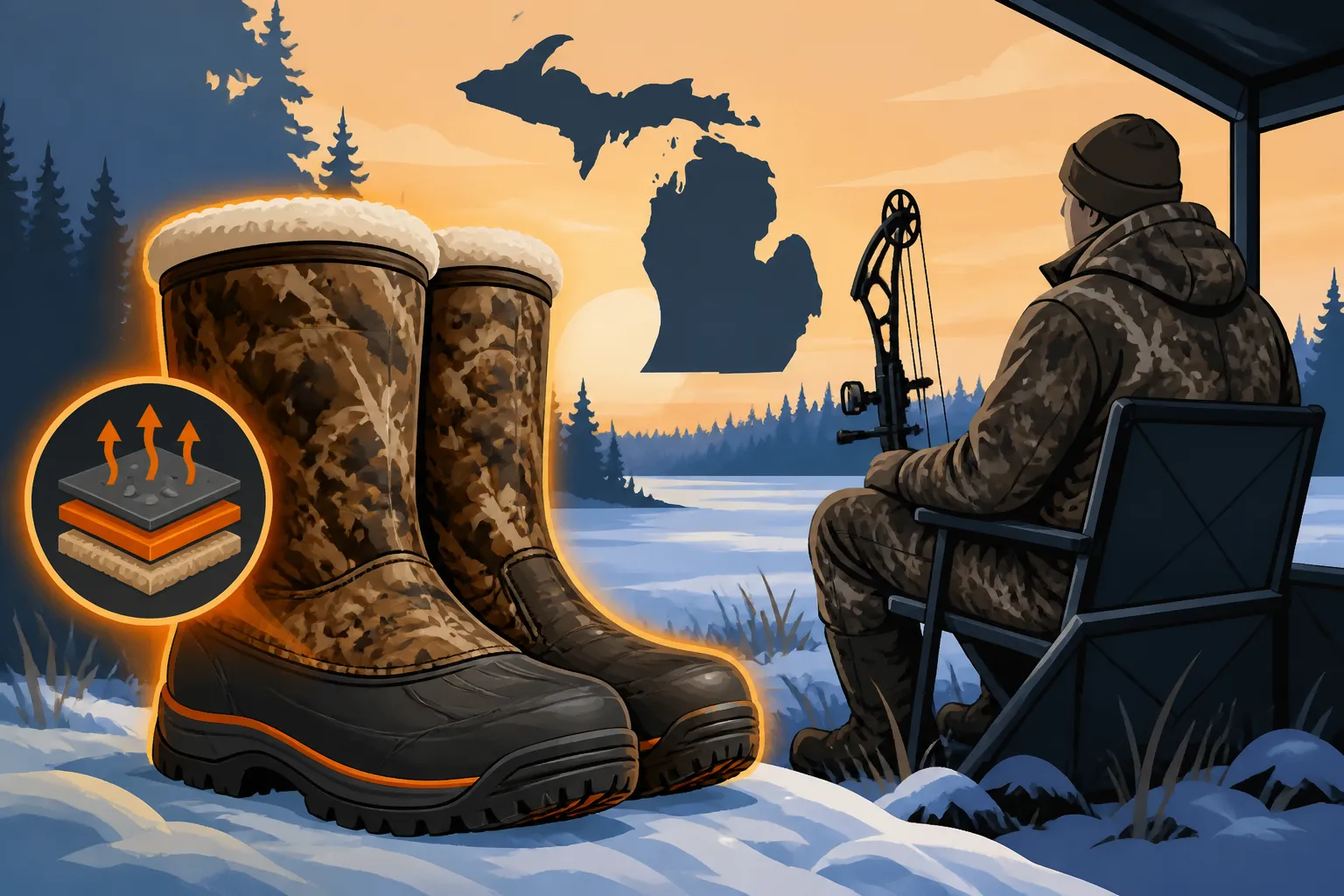
There’s nothing quite like the crisp air of a Michigan morning as you settle into your stand, a thermos of coffee steaming beside you. But that beautiful crispness can quickly turn into a bone-chilling misery if your feet aren’t prepared. I’ve seen countless hunts — my own included — cut short, or at least severely impacted, because cold feet became the only thing a hunter could focus on. This guide is all about making sure that doesn't happen to you, delving into how to choose the right insulated boots for those long, all-day sits in Michigan's often unforgiving weather.
Why Cold Feet Ruin a Michigan Hunt
Let's face it, Michigan weather can be a real rollercoaster. One day you’re in a light jacket, and the next you're wishing you had every layer you own. For hunters, especially those committed to an all-day sit in a tree stand or ground blind, cold feet aren't just uncomfortable; they are a direct threat to your success and even your safety.
The Michigan Climate Challenge
Our state throws everything at us. We get early archery seasons with chilly mornings that give way to surprisingly warm afternoons, requiring careful layering. Then comes the glorious, yet often brutal, firearm season in November, which can swing from Indian Summer warmth to lake-effect snowstorms in a matter of hours. And don’t even get me started on late-season muzzleloader or archery hunts in December, when single-digit temperatures and deep snow become the norm.
The ground can be frozen solid, mud can turn to slush, or you might find yourself slogging through an unexpected amount of standing water or wet snow. A significant factor in Michigan is the persistent dampness, whether from rain, snowmelt, or just heavy dew. That moisture, combined with cold temperatures, sucks the warmth right out of your feet, no matter how many layers of socks you have on, if your boots aren’t up to the task. It's not just about the thermometer reading; it's about the wind chill, the humidity, and the overall "feel" of the cold that penetrates bone deep. I've learned that overlooking these nuances when choosing footwear is a rookie mistake that even seasoned hunters can occasionally fall victim to.
The Cost of Cold Feet
The impact of cold feet extends far beyond just discomfort. It's a huge distraction. Instead of scanning the hardwoods for deer movement or listening intently for that rustle in the leaves, you're constantly shifting your weight, wiggling your toes, or mentally counting down the minutes until you can bail out and head for the warmth of the truck or camp. This lack of focus is a major reason why opportunities are missed. A deer might slip by unnoticed while you're focused on the throbbing in your toes.
Beyond concentration, cold feet significantly affect your physical performance. Your reaction time slows, your dexterity decreases, and your overall energy drains as your body works overtime to try and warm your extremities. If you're planning a still-hunt through a cedar swamp or tracking a deer after the shot, numb, cold feet can make walking safely and quietly nearly impossible. In extreme cases, prolonged exposure can even lead to frostbite, a serious condition no one wants to deal with. This is why investing in the right gear, particularly your footwear, is so critical for Cold Weather Sitting Strategy. Don't let a poorly chosen pair of boots compromise your hunt or your well-being.
Key Features of Insulated Boots for All-Day Sits
When you're committing to those extended hours in the Michigan woods, your boots aren't just footwear; they're a vital piece of survival equipment. It's not enough for them to just "feel warm" in the store. They need a combination of features designed to battle the specific challenges our hunting seasons throw at us.
Insulation Ratings Explained
This is often the first number hunters look for, and for good reason. Insulation in hunting boots is typically measured in grams, most commonly referring to an amount of Thinsulate or similar synthetic material packed into the boot walls. But what do those numbers really mean for a Michigan hunter?
- 200-400 grams: This range is generally considered light to moderate insulation. It's suitable for early archery season when mornings are cool but afternoons warm up, or for active hunting like Grouse Hunting Michigan Aspen Cover where you're constantly moving. If you plan to sit for only a few hours in moderately cold (above 30 degrees Fahrenheit) temperatures, this might suffice. However, for true all-day sits in Michigan, especially as the temperatures drop, this level will likely leave you wanting more.
- 600-800 grams: This is often the sweet spot for many Michigan firearm hunters. It provides substantial warmth for long hours on stand in typical November conditions, which can hover around freezing. If you're prone to cold feet, or if you anticipate prolonged exposure to temperatures in the 20s and low 30s, boots in this range are a solid choice. They offer a good balance of warmth without being overly bulky for walking.
- 1000 grams and up: When the Michigan winter truly bites – think late archery, muzzleloader season, or a bone-chilling November cold front – this is where you want to be. Boots with 1000 grams or more of insulation are designed for extreme cold and extended inactivity. They are bulkier, which can impact mobility a bit, but for sitting in temperatures below 20 degrees Fahrenheit for hours on end, they are indispensable. For hunters tackling the Hunting the Michigan Upper Peninsula for Deer in deep snow, this heavy insulation is often a necessity.
Remember, these are guidelines. Your personal circulation, activity level, and the specific socks you wear will also influence how warm your feet feel.
Waterproofing and Breathability
You simply cannot overstate the importance of waterproofing for Michigan hunting boots. Our terrain, even away from the Great Lakes, is often wet. Swamps, marsh edges, sudden rain, melting snow – moisture is everywhere. A boot that isn't truly waterproof will quickly become a cold, heavy liability. Look for boots with reliable waterproof membranes from reputable brands. Gore-Tex, eVent, or similar technologies are common and effective. They create a barrier against external moisture, preventing water from seeping in and chilling your feet.
However, waterproofing alone isn't enough. Your feet sweat, even in cold weather, especially if you have a bit of a walk to your stand. If that sweat can't escape, it condenses inside the boot, making your socks damp and your feet cold. This is where breathability comes in. A good waterproof membrane also allows water vapor (sweat) to escape, keeping your feet dry from the inside out. It's a delicate balance, and cheaper boots often skimp on the breathability, leaving you with cold, clammy feet even if they technically keep external water out. When assessing new boots, check for Boots for Michigan Swamps and Snow and focus on models that explicitly mention both waterproof and breathable technologies.
Fit, Comfort, and Support
These factors are just as crucial as insulation and waterproofing, especially for all-day sits. An ill-fitting boot can lead to blisters, pinched toes, and overall discomfort that becomes unbearable after a few hours.
- Proper Fit: Your boots should be snug but not tight. You should have enough room to wiggle your toes, especially if you plan to wear thick socks. Try them on with the socks you intend to hunt in. Pay attention to the heel; it shouldn't slip excessively. Too much movement can cause friction and blisters.
- Arch Support: Long hours on your feet, even if sitting, can put strain on your arches. Good arch support is vital for comfort and can help prevent foot fatigue. Some boots come with excellent built-in support, while others might benefit from aftermarket insoles.
- Ankle Support: Whether you're climbing into a treestand or navigating uneven terrain to get to your spot, good ankle support helps prevent sprains and adds stability. This is particularly important for traversing Michigan's varied landscapes, from rocky ridges to tangled blowdowns. A quality boot will offer a firm, supportive cuff without restricting your movement too much.
- Weight and Bulk: More insulation often means more bulk and weight. While you need the warmth, consider how far you need to walk to your stand. Heavier, bulkier boots can be exhausting on long treks. Balance the insulation level with the amount of walking you anticipate. For scouting new areas, a lighter, less insulated boot might be better, but for the actual hunt, prioritize warmth for the sit. Sometimes, if you're using a tool like the maps from GoHunt to find a new remote location, you might have a long walk in, making boot weight a factor.
Choosing the Right Insulation Level for Michigan Seasons
The idea of a single "do-it-all" hunting boot for Michigan is often a myth, primarily because our seasons span such a wide range of temperatures and conditions. What keeps you warm in early November might leave you sweating in October and freezing in December. It’s about matching the insulation to your hunt.
Early Season to Mid-Fall: Lighter Insulation for Milder Cold
Michigan's early archery season, typically opening on October 1st, often starts with moderate temperatures. Mornings can be cool, maybe in the 40s or low 50s, but by midday, the sun might push temperatures into the 60s. For these conditions, heavy insulation would be a mistake. Your feet will sweat, and as we discussed, sweat leads to cold feet.
For active hunts during this period, like still-hunting or walking to a stand, 200-400 grams of insulation is often more than enough. If you’re planning an all-day sit in late October, especially if the temperatures are forecasted to be in the 30s or 40s, 600 grams might be a better choice, paired with appropriate socks. The key is to avoid over-insulating, which creates moisture. Think about the Michigan Archery Deer Season Structure and how it shifts from relatively warm to much colder as the calendar progresses. Hunters will often have two pairs of boots, one for these warmer early season days and another for the later, colder hunts.
| Season/Temperature Range (F) | Activity Level | Recommended Insulation (grams) | Notes |
|---|---|---|---|
| Early Archery (Oct, 40-60°) | Active | 200-400 | Avoid overheating, focus on breathability. |
| Early Archery (Oct, 40-60°) | Sitting (Long) | 400-600 | Good for cooler mornings, not too heavy for warmer afternoons. |
| Mid-Fall (Nov, 30-45°) | Active | 400-600 | Decent warmth for movement, some static protection. |
| Mid-Fall (Nov, 30-45°) | Sitting (Long) | 800-1000 | Ideal for extended sits in typical firearm season conditions. |
| Late Fall/Winter (Dec, <30°) | Active | 600-800 | For active tracking or short movements in very cold temps. |
| Late Fall/Winter (Dec, <30°) | Sitting (Long) | 1200+ | Essential for static, all-day sits in deep cold or snow. |
Late Fall and Deep Winter: Heavy Insulation for Extreme Conditions
When November firearm season kicks in, and certainly by the Muzzleloader Deer Hunting in Michigan season in December, Michigan’s weather means business. Temperatures frequently dip below freezing, and snow, sometimes heavy and wet, becomes a constant companion. This is when those heavier insulated boots earn their keep.
For all-day sits in typical November conditions (think 20s and 30s), boots with 800 to 1000 grams of insulation are often the minimum for comfort. If you are particularly susceptible to cold feet, or if the mercury is expected to drop into the teens or single digits, I wouldn't hesitate to reach for 1200 to 1600 grams of insulation. These boots are designed to keep your feet warm even when your body is largely inactive. They might feel a bit bulky on the walk in, but the warmth they provide on stand is absolutely worth the trade-off. This level of insulation is also critical for those challenging late-season hunts where Muzzleloader Tactics in December Cold mean you'll be sitting for prolonged periods in frigid conditions. When you're glassing a field edge in the bitter cold, having warm feet means you can stay out longer and be more effective.
Layering Socks and Boot Care
The boot is only half the equation; your sock system completes it. Even the best insulated boots can fail if you're wearing the wrong socks.
- Wicking Base Layer: Start with a thin, moisture-wicking synthetic or merino wool sock. This layer pulls sweat away from your skin, preventing it from chilling your foot.
- Insulating Mid-Layer: Over the wicking layer, add a thicker wool or synthetic sock. Merino wool is excellent because it provides warmth even when damp and resists odor. Avoid cotton at all costs; it absorbs moisture and holds it against your skin, leading to rapid heat loss.
- Avoid Over-Stuffing: Don't wear so many socks that your boots become too tight. This restricts circulation, which is counterproductive to keeping your feet warm. A snug fit is good, but a compressed foot is a cold foot.
- Boot Care: After each hunt, especially if your boots got wet, remove the insoles and allow them to air dry thoroughly. Stuffing them with newspaper can help absorb moisture. Proper drying prevents mildew and extends the life of your boots. Consider using boot dryers, especially during multi-day hunts. This is also important for Keeping a Muzzleloader Dry in Wet Snow, as keeping all your gear in good condition is vital for hunting success.
Beyond the Boot: Complementary Strategies for Warm Feet
While the right insulated boots are paramount, they aren't a magic bullet. To truly conquer cold feet during those long Michigan sits, you need a holistic approach. It’s about understanding how your body works and what other tools you can employ to stay comfortable.
Activity Level and Personal Thermoregulation
Your own body is a significant factor in how warm your feet will stay. Everyone generates heat differently. Some people naturally have better circulation to their extremities, while others, like me sometimes, feel the cold in their fingers and toes first.
- Movement is Key (When Possible): If you're walking to your stand, even a moderate pace will generate body heat that helps warm your feet. The challenge is maintaining that warmth during periods of inactivity. If you're on a long walk to your spot, a tool like GoHunt's mapping features can help you pick the most efficient route, minimizing time spent generating sweat before you settle in.
- Managing Sweat: Paradoxically, too much insulation or activity can lead to sweating, which then cools your feet when you become inactive. If you have a long walk to your stand, consider carrying your insulated boots and wearing lighter footwear for the trek in, then changing once you arrive. This prevents your feet from sweating and becoming damp before you even start your sit. This is especially useful if you're hunting during periods when the air temperature might be mild but the ground is frozen or damp.
- Eating and Hydrating: Your body needs fuel to generate heat. Make sure you're eating enough calories before and during your hunt. Warm drinks, like coffee or tea in a quality thermos, can also provide a small boost of internal warmth.
The Importance of a Good Sock System
We touched on this earlier, but it deserves its own emphasis. No matter how good your boots are, cheap cotton socks will betray you. Think of your socks as part of a system, not just an afterthought.
- Quality Materials: As mentioned, merino wool is a fantastic choice for hunting socks. It's warm, wicks moisture, and has natural anti-odor properties. Synthetic blends can also be very effective. Ensure the socks fit well without bunching up, which can cause pressure points and restrict blood flow.
- Change When Needed: If your feet get sweaty on the walk in, or if you encounter unexpected moisture, having a spare pair of dry socks in your pack can be a game-changer. There's almost nothing better than putting on a fresh, dry pair of socks halfway through a cold, damp hunt.
- Chemical Warmers: Don't underestimate the power of foot warmers. These small, air-activated packets can provide hours of supplemental heat. Place them on top of your toes, not directly on the sole, as that's where circulation is often weakest. They can make the difference between an uncomfortable sit and one where you stay focused on the hunt. For Hunting the Peak Rut Week in Michigan in November, when mornings can be frigid, tossing a couple of foot warmers in your boots can extend your comfort significantly.
- Overall Layering: Remember, your feet are part of your entire thermal system. If your core is cold, your body will restrict blood flow to your extremities to protect vital organs. So, ensure your entire body is properly dressed in layers for Layering for a Michigan Deer Stand. A good hat, warm gloves, and proper outer layers are all part of the equation for keeping your feet warm. Even knowing the Michigan Hunter Orange Rules helps you plan what kind of outerwear you need, which directly impacts your core warmth. If your core is warm, your feet stand a much better chance of staying warm too.
Disclaimer
This article is for general informational purposes only and does not constitute professional advice. Laws, prices and regulations vary by location and change over time. Consult a qualified professional for guidance on your specific situation.