Rubber Boots for Swamp Walking
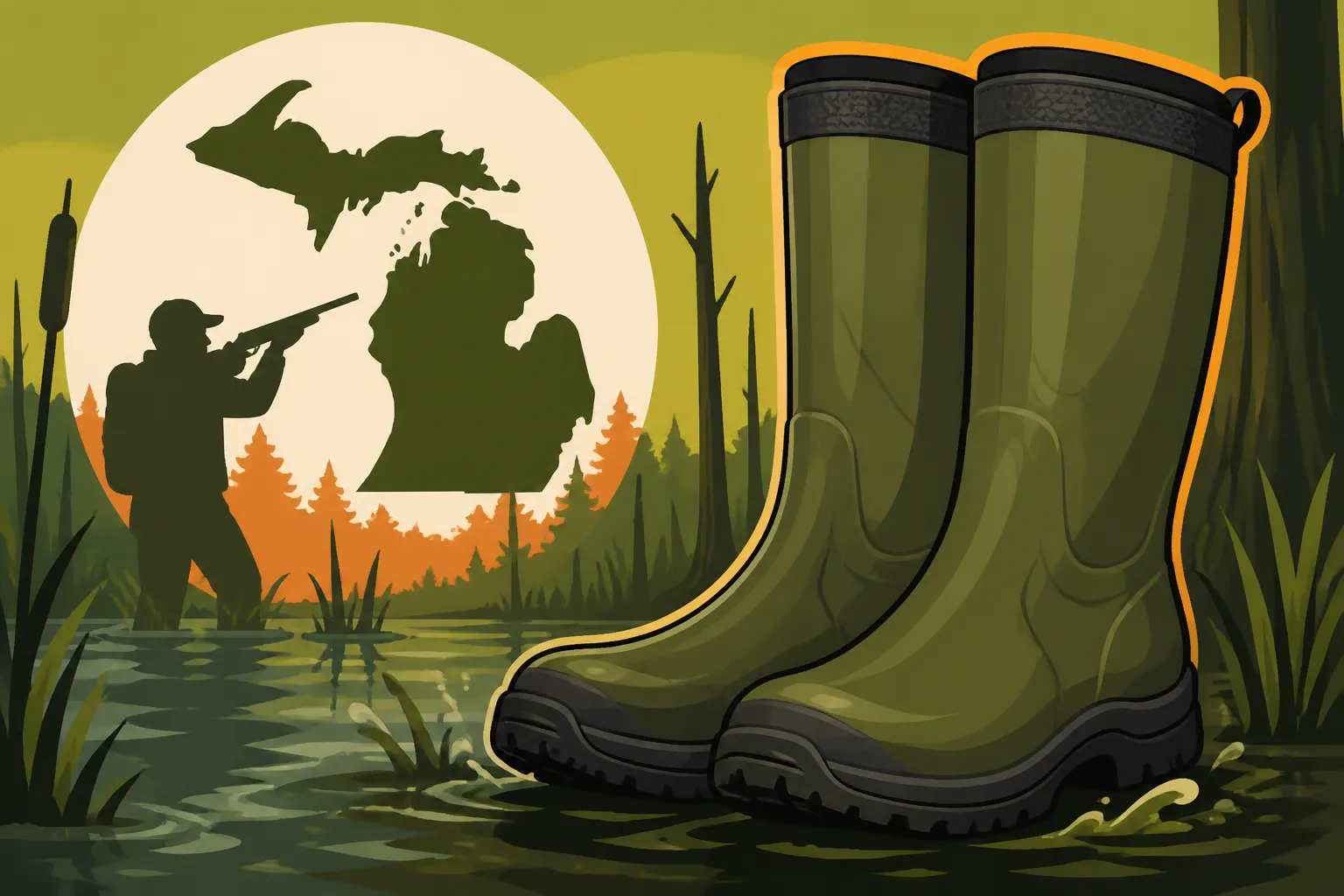
There's nothing quite like the squishy dread of realizing your "waterproof" boots have failed you, especially when you're knee-deep in a Michigan swamp with hours of hunting left. Whether you're chasing whitetails through cedar swamps, slogging through cattails for ducks, or navigating muddy trails to your grouse cover, having the right footwear is absolutely non-negotiable. This guide will dive deep into everything you need to know about selecting, using, and maintaining rubber boots specifically for the challenging, wet, and often unpredictable terrain of Michigan's wild places, ensuring your feet stay dry, warm, and comfortable no matter what the woods throw at you.
Why Rubber Boots are Your Best Friend in Michigan's Wet Wilderness
Let's be real, Michigan is a state defined by its water. From the Great Lakes that border us to the countless inland lakes, rivers, streams, and, yes, swamps, you're never far from moisture. This makes rubber boots not just a good idea, but an essential piece of gear for serious Michigan hunters. Other types of boots, while great in their own right for different conditions, just can't hack it when the water gets deep or the mud gets clingy.
Think about it: leather boots, even treated ones, will eventually succumb to prolonged exposure to standing water and muck. They get waterlogged, heavy, and take forever to dry, often losing their structural integrity in the process. Fabric or synthetic hiking boots might offer great breathability and support for dryland trekking, but one misstep into a hidden bog or deep puddle, and you're done for. They'll soak up water like a sponge, leaving you with cold, pruney feet that can quickly lead to an uncomfortable, or even dangerous, situation.
Rubber boots, on the other hand, are designed from the ground up to handle these conditions. Their seamless, impermeable construction provides a true barrier against water, making them the superior choice for places where you expect to get wet. This isn't just about comfort; it's about safety, scent control, and ultimately, your success in the field. When you're Hunting Michigan Swamp Edges for Deer or trying to access a hidden pocket for waterfowl, dry feet mean you can stay out longer, focus better, and avoid cutting your hunt short.
The Problem with Other Footwear in Michigan Swamps
I've seen it countless times, and probably been guilty of it myself in my younger days: trying to get by with hiking boots or even just "waterproof" leather boots in a truly wet environment. The results are always the same. Within an hour, you feel that tell-tale cold seeping in, followed by the slosh. Your socks are soaked, your feet are freezing, and every step becomes a miserable reminder of your poor gear choice.
- Saturated Materials: Leather and fabric boots, even those with waterproof membranes, aren't designed for sustained submersion. The membranes can only handle so much hydrostatic pressure before water finds its way through seams, stitching, or tiny imperfections. Once the outer material is saturated, it holds water, making the boot heavier and colder.
- Poor Scent Control: This is a big one for deer hunters. Leather and fabric materials absorb and retain human odor like crazy. Every step you take, especially when sweating, leaves a scent trail that deer can easily pick up. Rubber, being non-porous, is inherently better at trapping and repelling human odor, which is critical when you're trying to sneak into a deer's bedroom in a cedar swamp.
- Lack of Durability: Constant wetting and drying, combined with abrasive mud and swamp debris, takes a severe toll on conventional boots. Stitching breaks down, glues fail, and materials stretch or shrink, leading to a much shorter lifespan compared to purpose-built rubber boots.
- Difficulty Drying: After a wet hunt, drying out leather or fabric boots can be a multi-day affair, especially in damp Michigan fall weather. Rubber boots, with their non-porous surfaces, can often be wiped clean and dry relatively quickly, ready for your next outing.
The Unmatched Benefits of Rubber for Wet Environments
Rubber boots aren't just about keeping water out; they offer a host of other advantages that make them indispensable for Michigan's diverse hunting opportunities.
- Superior Waterproofing: This is the obvious one, but it bears repeating. A well-constructed rubber boot is a continuous, impenetrable barrier against water. You can stand in a shallow stream, walk through a flooded field, or wade through a marsh, and your feet will remain bone dry.
- Excellent Scent Control: As mentioned, rubber is your ally in the never-ending battle against human scent. When trying to remain undetected by a wary Michigan whitetail, reducing your scent profile is paramount. Rubber boots, especially when cleaned properly, emit far less human odor than other materials. This allows you to walk through deer bedding areas or along trails without leaving a glaring scent signature.
- Easy to Clean: Mud, muck, and swamp grime cling to everything. With rubber boots, a quick spray down with a hose is usually all it takes to get them clean, unlike the elaborate cleaning and drying process required for other boot types. This not only saves you time but helps prevent the spread of invasive species or diseases from one hunting area to another.
- Durability and Longevity: Good quality rubber boots are built to take a beating. They are designed to withstand punctures, abrasions, and the constant stress of walking through challenging terrain. While not indestructible, they generally outlast other boot types in consistently wet and muddy conditions.
- Insulation Options: Modern rubber boots come with various insulation levels, meaning you can choose a pair that's perfect for early season warmth or late-season brutal cold. Whether you're out in Michigan's November Firearm Deer Season or in the frigid days of Muzzleloader Deer Hunting in Michigan, there's a rubber boot to match the conditions.
Key Features to Look For in Swamp-Ready Rubber Boots
Choosing the right pair of rubber boots isn't just about grabbing the first pair you see. There's a science to it, especially when dealing with the specific demands of Michigan's swamps and wetlands. You need to consider several factors to ensure you get a boot that performs when it truly matters.
Waterproofing and Construction
This might seem obvious, but not all "rubber" boots are created equal. You want a boot that is truly a single, impenetrable unit up to its full height.
- Seamless Construction: Look for boots that appear to be one continuous piece of rubber or neoprene-blended material. Minimal seams mean fewer potential points of failure for water infiltration. Manufacturers use various molding or vulcanizing processes to achieve this, creating a true watertight barrier.
- Boot Height: For Michigan swamps, I highly recommend boots that come up at least to mid-calf, if not knee-high. You never know how deep a puddle or a bog might be. A 12-inch boot might be fine for damp fields, but a deep swamp requires more coverage. Many hunters opt for 16-inch or even 18-inch boots to ensure maximum protection, especially when going off the beaten path or crossing flooded areas after heavy rains.
- Material Quality: While often referred to as "rubber boots," many modern options use a blend of natural rubber and synthetic materials like neoprene. Neoprene offers excellent insulation and flexibility, making it a popular choice. Ensure the materials feel robust and can withstand abrasions from brush, downed branches, and sharp ice.
Insulation Levels for Michigan's Seasons
Michigan's hunting seasons span a wide range of temperatures, from mild early archery days to brutally cold late-season hunts. Your boot's insulation needs to match the weather.
- Uninsulated/Lightly Insulated (0-400g): These are great for early archery season when the temperatures are milder, or for high-activity hunting like grouse or Rabbit Hunting With Beagles in Michigan where you're generating a lot of body heat. They'll keep your feet dry without causing them to overheat, which can lead to sweating and then chilling when you stop moving.
- Mid-Range Insulation (800-1200g): This is often the sweet spot for much of Michigan's deer season, including the crucial November firearm opener. This level of insulation provides warmth for colder mornings and sits in a stand, while still being manageable for moderate walking. It's a versatile choice that can handle many conditions you'll encounter.
- Heavy Insulation (1600g+): When late-season deer hunting or predator calling in the dead of winter, heavy insulation is your best friend. These boots are designed for prolonged exposure to frigid temperatures, keeping your feet warm even when standing in snow or ice for hours. Just remember, more insulation usually means a bulkier, heavier boot, which can be tiring if you're covering a lot of ground. Consider this for those Cold Weather Sitting Strategy hunts.
Outsole and Traction for Muck and Mud
Michigan swamps are notorious for slippery mud, submerged logs, and icy patches. Your boots need an aggressive outsole to keep you upright.
- Aggressive Tread Pattern: Look for deep, multi-directional lugs that can bite into soft mud, wet leaves, and loose soil. Cheaper boots often have shallow, less effective treads that quickly clog with mud, turning your boots into glorified ice skates.
- Self-Cleaning Design: Some outsoles are designed with wider spacing between lugs, allowing mud to shed more easily as you walk. This is a subtle but incredibly valuable feature that prevents your boots from becoming dangerously slick.
- Good Heel Definition: A pronounced heel is important for climbing over obstacles, digging into soft ground on inclines, and providing stability. It also helps prevent your foot from slipping forward in stirrups if you use an ATV or UTV for access.
Fit, Comfort, and Support
You'll be spending hours in these boots, sometimes covering considerable distances. Comfort is paramount to avoiding fatigue and blisters.
- Proper Sizing: Always try on rubber boots with the type of socks you'll be wearing while hunting. You want enough room for thick socks, but not so much that your foot slides around. A snug fit in the heel prevents chafing, while adequate toe room is essential, especially with thick socks.
- Arch Support: While many rubber boots aren't known for their orthopedic-level arch support, some higher-end models offer better integrated insoles. If you have high arches or foot problems, consider boots with removable insoles so you can swap in aftermarket orthotics for better support.
- Flexibility: The upper shaft of the boot should be flexible enough to allow comfortable walking and bending without pinching or chafing, especially around the calf. Neoprene blended boots often excel here.
Scent Control and Odor Management
For deer hunters, minimizing human scent is a constant concern. Rubber boots inherently help, but you can go further.
- Non-Porous Material: This is the primary benefit. Rubber doesn't absorb scent like porous materials.
- Easy to Clean Exterior: As mentioned, a quick wash can remove external odors.
- Antimicrobial Linings: Some boots include linings treated with antimicrobial agents to help control foot odor from sweat inside the boot. While not a substitute for good hygiene, it can help.
Here’s a quick comparison of general insulation levels and their best uses in Michigan:
| Insulation Level | Grams of Thinsulate (Approx.) | Best For Michigan Conditions | Pros | Cons |
|---|---|---|---|---|
| Uninsulated/Light | 0 – 400g | Early Archery, Spring Turkey, high-activity small game, warmer fall days | Lightweight, breathable, less bulk, keeps feet dry | Not for cold weather, can be too cold for long sits |
| Mid-Range | 800 – 1200g | Main Archery, Firearm Deer Season, Muzzleloader (milder days), moderate cold | Versatile, good warmth-to-weight, suitable for varying activity | Can be too warm for early season, not enough for extreme cold |
| Heavy-Duty | 1600g + | Late Archery, Muzzleloader (coldest days), Ice Fishing, extreme winter conditions | Maximum warmth, ideal for stationary cold-weather hunting | Heavy, bulky, can cause overheating if walking far |
Different Types of Rubber Boots and When to Use Them
Just like there are different hunting scenarios, there are different types of rubber boots. Understanding the variations will help you pinpoint the best option for your specific Michigan hunting style.
Classic Rubber Boots
These are your traditional, often darker-colored, full-rubber boots. They are generally the most affordable and offer straightforward, impenetrable waterproofing. They're excellent for pure water exclusion.
- Best Use Cases: Perfect for casual wet weather hunting, working in a muddy yard, or accessing waterfowl blinds where insulation isn't the primary concern. They are also a solid choice for Field Dressing a Deer in Cold Weather or retrieving a downed animal from a wet area, as they're easy to clean afterward. They are a workhorse boot for general wet conditions.
- Pros: Very durable, completely waterproof, often more puncture-resistant than neoprene blends, and typically the most budget-friendly. Excellent for scent control if kept clean.
- Cons: Can be stiff and less flexible, often lack significant insulation (though insulated versions exist), and can be less comfortable for long walks due to their rigid nature. They can also feel clammy inside if you sweat.
Neoprene Boots
Neoprene boots have revolutionized the rubber boot market. They combine the waterproofing of rubber with the flexibility and insulation properties of neoprene (the same material used in wetsuits). The foot section is typically rubber, while the shaft is neoprene, often covered with a rubber overlay for added protection.
- Best Use Cases: These are the go-to for most serious Michigan hunters, especially for deer, turkey, and waterfowl. The insulation makes them suitable for a wide range of temperatures, and the flexibility makes them comfortable for walking. If you're Hunting the Michigan Rut in November or trying to access a marsh after the morning draw, these boots shine. They are excellent for those long days when comfort and warmth are key.
- Pros: Superior insulation, much more flexible and comfortable for walking than traditional rubber, great fit thanks to the neoprene's stretch, and excellent scent control. Many models come in various camouflage patterns.
- Cons: Generally more expensive than classic rubber boots, neoprene can be susceptible to snags or tears if not reinforced, and they can be too warm for active hunting in mild weather, leading to sweaty feet.
Hybrid Boots and Specialty Designs
Beyond the two main categories, some manufacturers offer hybrid designs or boots with specialized features for particular hunting styles.
- Lace-Up Rubber Boots: Some boots offer a lace-up design over the rubber or neoprene shell. This allows for a more custom, snug fit around the calf, which can improve comfort and reduce bulk. It's great for hunters who need a very secure fit but still want the waterproof benefits of rubber.
- Lightweight Rubber Boots: For hunters who prioritize mobility and covering long distances, some brands offer lighter-weight rubber or synthetic rubber boots. These often sacrifice some insulation or extreme durability for a reduction in weight. They might be suitable for Grouse and Woodcock Hunting in Michigan where you're constantly on the move through damp cover.
- Low-Cut and Ankle-Fit Boots: While not ideal for deep swamps, these shorter rubber boots are fantastic for damp fields, muddy trails, or scouting trips where you don't expect deep water but need protection from dew, mud, and light rain. They offer excellent flexibility and are much easier to get on and off.
Ultimately, the best type of boot depends on your hunting style and the specific conditions you anticipate. Most Michigan hunters will find a good quality, insulated neoprene boot to be the most versatile choice, capable of handling everything from an early season Bowhunting Michigan's Split Archery Season sit to a late-season deer drive.
Care and Maintenance for Longevity
Investing in a good pair of rubber boots is just the first step. Proper care and maintenance are crucial to ensuring they last for many seasons, continuing to keep your feet dry and comfortable. Neglecting your boots can lead to premature wear, cracking, and loss of their waterproof integrity.
Cleaning After Each Hunt
This is the easiest and most important step. Don't let mud, swamp water, or blood dry and cake onto your boots.
- Hose Down Immediately: As soon as you get back from the field, or at least before heading home from camp, give your boots a thorough rinse with a hose. Get into all the nooks and crannies of the outsole to remove mud and debris. This also helps prevent transporting invasive species to new locations.
- Scrub if Necessary: For stubborn mud or caked-on grime, use a stiff brush and some plain water. You can use a mild soap if needed, but avoid harsh detergents or solvents that can degrade the rubber.
- Inside Cleaning: If your boots get wet inside (say, from sweat or accidentally stepping in water over the top), pull out the insoles and let them air dry completely. You can spray the inside of the boots with an odor-eliminating spray or even a mild disinfectant solution, then let them air dry thoroughly.
Proper Storage
How you store your boots between hunts, and especially during the off-season, makes a big difference in their lifespan.
- Cool, Dry Place: Store your rubber boots in a cool, dry place away from direct sunlight and extreme temperatures. Heat and UV light are rubber's worst enemies, causing it to dry out, crack, and lose its flexibility. A garage, basement, or closet is ideal.
- Upright Position: Store them upright to maintain their shape. Avoid folding or creasing the boots for extended periods, as this can create weak points in the material.
- Avoid Chemical Exposure: Keep boots away from gasoline, oil, solvents, and other harsh chemicals that can break down rubber and neoprene.
- Boot Trees (Optional but Recommended): For long-term storage, boot trees or even wadded-up newspaper can help maintain the shape of the shaft and prevent it from collapsing, especially for taller boots. This is similar to how you'd care for your Waders and Boats for Michigan Marshes.
Protecting and Conditioning the Rubber
Rubber, over time, can dry out and crack. A little preventative care can go a long way.
- Rubber Conditioner: Periodically, especially after heavy use or before long-term storage, apply a rubber conditioner designed for footwear. These products help replenish the oils in the rubber, keeping it supple and preventing drying and cracking. Follow the manufacturer's instructions for application.
- Avoid Petroleum-Based Products: Never use petroleum jelly, silicone sprays, or other petroleum-based products on rubber. While they might seem to make the rubber shiny initially, they can actually break down the material over time.
Addressing Minor Repairs
Sometimes, despite your best efforts, a minor tear or puncture can occur.
- Patch Kits: For small holes or tears in the rubber, specialized rubber boot patch kits are available. These usually involve a strong adhesive and a rubber patch that can create a watertight seal. This is a great way to extend the life of an otherwise perfectly good pair of boots.
- Professional Repair (Rare): For major damage, professional repair is rarely cost-effective given the price of new boots, but for a cherished pair, it might be an option. However, for most hunters, a significant breach often means it's time for a new pair.
By following these simple care and maintenance steps, your rubber boots will serve you faithfully for many seasons, allowing you to focus on the hunt, not on cold, wet feet. This commitment to gear care is just as important as Scouting Michigan Public Land Before Season or learning Michigan Deer Camp Traditions.
Disclaimer
This article is for general informational purposes only and does not constitute professional advice. Laws, prices and regulations vary by location and change over time. Consult a qualified professional for guidance on your specific situation.