Hunting the Michigan Rut in November
For many Michigan hunters, November isn't just another month on the calendar; it's the month. It's when whitetail bucks, normally reclusive and predictable, throw caution to the wind, driven by the primal urge to breed. But this surge of activity also brings a unique set of challenges and frustrations, from unpredictable deer movement to increased hunter pressure. This comprehensive guide will delve into the nuances of hunting the Michigan rut, helping you understand deer behavior, adapt your tactics, and maximize your chances during this magical, albeit chaotic, time.
Understanding the Michigan Rut Calendar
The Michigan rut is a phenomenon that every deer hunter eagerly anticipates, yet it's often misunderstood. It's not a single day or even a single week, but rather a progression of phases driven by biology and environmental cues. Knowing where you are in this cycle is crucial for effective hunting.
The Phases of the Rut in Michigan
The annual breeding cycle of whitetails, commonly known as the rut, is primarily triggered by photoperiod – the decreasing amount of daylight after the summer solstice. This biological clock starts ticking long before November, signaling hormonal changes in both bucks and does. While factors like the moon phase or temperature swings can influence deer movement during the rut, they don't actually initiate the breeding itself; that's all about the changing light. It’s a fascinating dance of nature that prepares the deer herd for the next generation.
The pre-rut is where the real excitement begins to build. Usually kicking off in late October, this phase sees bucks starting to become more active, rubbing trees, making scrapes, and generally working themselves into a frenzy. They're feeling frisky, testing their dominance, and beginning to cruise for the first does coming into estrus. It’s a fantastic time to be in the woods, as bucks are often on their feet during daylight hours, but they’re not yet entirely consumed by the pursuit of does. This is often when you catch a mature buck making a mistake, as they’re starting to get careless. If you're looking for strategies that cover this exciting build-up, our guide on Hunting the Pre-Rut in Late October offers some excellent insights.
Then comes the peak rut, typically falling within the first two weeks of November, often coinciding with Michigan's November Firearm Deer Season. This is the phase that hunters dream of, a period of intense buck activity where deer movement can seem completely random, yet it’s all driven by the chase. Bucks are actively seeking and pursuing does, sometimes running them ragged. While this high-octane chase creates incredible opportunities, it also makes deer movement incredibly unpredictable. You might see bucks at midday, or not at all, depending on whether they're locked down with a doe or frantically searching for one. It can be a truly chaotic, frustrating, and exhilarating time, as discussed in detail in our deep dive into Hunting the Peak Rut Week in Michigan.
Regional Rut Differences
While the overarching biological triggers for the rut are consistent across the state, the timing and intensity can feel a little different depending on where you're hunting in Michigan. The sheer size and varied geography of our state mean that what works in the Upper Peninsula might not be ideal for the southern farm country. Understanding these subtle shifts can significantly impact your hunting strategy and success.
In the Upper Peninsula, the rut can sometimes feel more condensed due to the colder, harsher weather conditions that often set in earlier. Bucks and does might feel a more urgent need to breed before deep snow and extreme cold arrive, pushing them into a more rapid cycle of seeking and breeding. This can mean intense, but sometimes shorter, windows of peak activity. Deep snow can also restrict movement, channeling deer into more predictable areas, which can be an advantage if you know how to read the terrain. However, the U.P.'s vast, unbroken tracts of timber mean deer are often harder to locate, even during the rut.
Moving into the Northern Lower Peninsula, you often find a strong, well-defined rut that aligns closely with the classic November timing. This region, with its mix of hardwoods, pines, and cedar swamps, offers excellent habitat for deer, and the rut can be incredibly active. Bucks here are constantly cruising, checking historical scrape lines, and scent-checking bedding areas. Hunters in this region often find success by focusing on natural funnels and pinch points, where deer are forced to travel through confined areas, increasing the chances of an encounter. The dense cover also means deer feel secure moving more during daylight.
Southern Michigan farm country, on the other hand, can present a slightly different picture. With extensive agricultural fields and often smaller, fragmented woodlots, deer populations here can be very healthy, but the rut sometimes appears more drawn out. Does might come into estrus over a longer period, meaning bucks don't necessarily have a single, frantic "peak" chase period. Instead, they might be more consistently on the move, checking smaller pockets of cover and field edges for receptive does. This can make hunting challenging, as deer are often scattered across vast private land holdings. However, understanding how to hunt these pressured, farm country deer can lead to some incredible opportunities, as we explore further in Southern Michigan Farm Country Deer Hunting.
Scouting and Adaptability for November's Whitetails
Hunting the rut successfully isn't just about showing up in November; it's about being prepared and, perhaps more importantly, being adaptable. Deer behavior during the rut is driven by instinct, but it's also influenced by countless variables like weather, hunting pressure, and the availability of does. To truly capitalize, you need to be a keen observer and willing to adjust your plans on the fly.
Reading Rut Sign and Buck Behavior
When you're out in the Michigan woods during November, one of the first things you're looking for is fresh rut sign. Scrapes and rubs are like a buck's diary, telling you what they've been up to. Fresh scrapes, particularly those with an active overhead licking branch, indicate a buck has recently worked that spot. While bucks don't necessarily breed at the scrape, they use them as communication hubs, checking for scent left by other deer. Clusters of scrapes along a field edge or a two-track can be prime spots to set up, knowing bucks will cruise these lines, especially during the pre-rut and early peak.
Rubs, especially large ones on substantial trees, tell a story of buck dominance and activity. A series of rubs often forms a "rub line," indicating a buck's travel path. While bucks don't usually rub trees during the active chase phase of the rut, fresh rubs from the pre-rut indicate a buck's presence and travel patterns leading up to breeding. Focusing your efforts near these rub lines, especially where they intersect with thicker cover, can put you in a prime ambush position. Remember, bucks will often parallel thicker cover while making their rubs, giving them security as they mark their territory.
Beyond individual signs, the key is to identify "pinch points" and funnels where deer are naturally driven to travel. These are narrow strips of cover, saddles between ridges, creek bottoms, or fence lines that concentrate deer movement. During the rut, bucks are constantly on the move, scent-checking for does, and these natural bottlenecks force them past your stand. For instance, a small strip of timber connecting two larger woodlots across a field is a classic funnel. The same goes for a narrow dry ridge running through a vast swamp; bucks will use these high spots to move more easily while staying hidden. Understanding and exploiting these terrain features is paramount, as detailed in our guide on Hunting a Funnel Between Two Swamps.
Adapting to Changing Conditions
Michigan weather in November is famously unpredictable, and it plays a huge role in deer movement during the rut. A sudden cold snap after a period of warm weather can be like flipping a switch, igniting deer movement and sending bucks out in search of does. Conversely, an unseasonably warm spell can slow things down, making deer largely nocturnal or confining their movement to cooler parts of the day. Keeping an eye on the forecast, specifically for fronts and temperature drops, can help you decide when to put in those extra long hours in the stand. Don't be afraid to adjust your plans based on what the weather is doing; the deer certainly are.
Hunting pressure, especially on Michigan's extensive public lands, is another massive factor. The first few days of Michigan's November Firearm Deer Season can see a significant influx of hunters, and deer will quickly adapt. They become more nocturnal, move into thicker cover, or travel through less obvious routes. Our resource on Opening Day Crowds on Michigan State Land dives deeper into this reality. If you find your primary hunting spot is getting hammered, be ready to move. This might mean pushing deeper into public land, finding overlooked pockets of cover, or switching to still-hunting tactics rather than sitting static in a stand. Using a mapping tool like GoHunt can be invaluable here. Its layers show public/private land boundaries, topographical changes, and even historic burn areas, helping you identify areas that might get less pressure or offer better cover.
The need to be mobile and willing to adjust your stand location or tactics cannot be overstated during the rut. If you've sat in a spot for a few hours with no action, and you're seeing signs of deer activity elsewhere, don't be afraid to pull your stand and move. Sometimes it’s the third or fourth setup of the day that puts you in the action. Deer, especially bucks, are moving so much during this time that their patterns are less about feeding or bedding and more about seeking. Being able to quickly identify where the action is and relocating your setup accordingly can turn a slow day into a success. This might even involve using a ground blind if you need a quick, mobile setup in an unexpected location, as explored in Using a Ground Blind on Michigan State Land.
Strategic Stand Placement and Hunting Tactics
Once you understand the rut's progression and how deer react to external factors, the next step is putting yourself in the right place at the right time. Strategic stand placement, combined with effective calling and decoying, can make all the difference when those Michigan bucks are on the move.
Key Rut Stand Locations
When it comes to rut hunting, stand placement isn't just about finding fresh sign; it's about intercepting bucks that are on a mission. The classic funnel is king during the rut for a reason. These are natural constrictions in the landscape that force deer to travel through a smaller area. Think about a narrow strip of woods between two open fields, a saddle between two ridges, or a dry land bridge connecting two swamps. Bucks, constantly cruising for does, will inevitably use these routes because they're the path of least resistance while still offering cover. Setting up where a funnel squeezes down, especially near a creek crossing or a thicket, can be absolutely deadly. For a deeper look into maximizing these natural highways, check out Hunting a Funnel Between Two Swamps.
Another highly effective strategy is to set up near doe bedding areas or their primary feeding zones. During the rut, bucks aren't just looking for any doe; they're looking for receptive ones. And where do does spend most of their time? In their bedding areas, or moving to and from them to feed. By positioning your stand downwind of these spots, you can intercept bucks as they scent-check for does. This might mean observing a thick cedar swamp from a slight rise, or watching the edge of an agricultural field that's adjacent to a dense woodlot. The goal is to catch bucks cruising the perimeter of these areas, checking for hot does without necessarily entering the thickest cover themselves.
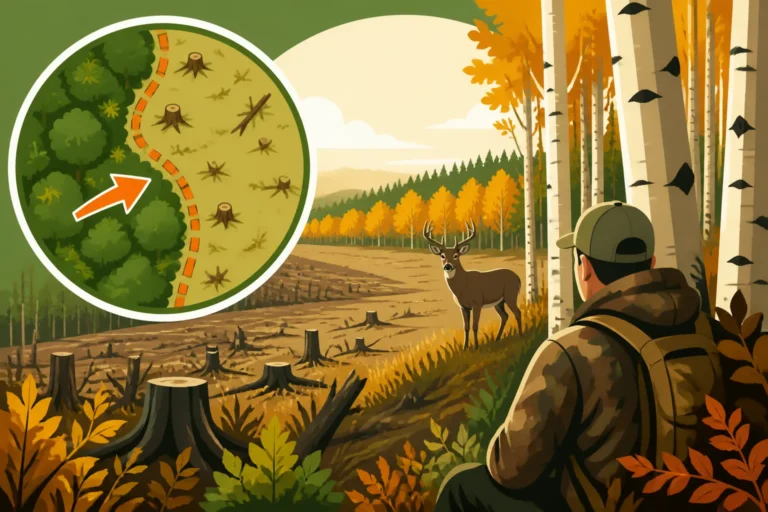
Transition lines, where different cover types meet, are also prime rut real estate. Imagine where a dense pine plantation meets an open hardwood ridge, or where a marsh transitions into an oak flat. These edges offer both security cover and access to food sources, making them natural travel corridors. Bucks often feel comfortable moving along these lines, darting in and out of the thicker cover as they search for does. Positioning your stand a little ways into the thicker cover, overlooking these transition zones, can give you a better chance of spotting a cruising buck before he spots you. These areas are fantastic for intercepting deer that are on a mission, but still want to feel secure in their movements.
Calling and Decoying Strategies
During the Michigan rut, deer calling can be incredibly effective, but it requires finesse and an understanding of the deer's mood. Aggressive rattling and grunting are often best reserved for the peak rut, when bucks are actively fighting and challenging each other for breeding rights. Crashing rattling antlers together can mimic a fight, drawing in curious (or territorial) bucks looking to assert dominance or steal a doe. Combine this with deep grunts and snort-wheezes, and you might just enrage a mature buck enough to come investigate. However, overuse or calling at the wrong time can sometimes spook deer, so read the situation carefully. Our guide on Rattling and Grunting in Michigan provides excellent advice on volume and timing.
During the pre-rut or post-rut, when bucks aren't quite as frenzied, softer, more subtle calls can be more effective. A few gentle grunts, mimicking a buck cruising, or an estrus bleat, imitating a receptive doe, can often pique a buck's curiosity without putting him on high alert. These calls are more about enticing than challenging. It’s about sounding like another deer that he might want to check out, rather than a confrontation. Pay attention to how the deer are responding, and don't be afraid to adjust your calling sequence or volume. Sometimes less is more, especially when dealing with older, more wary deer.
The decision to use a decoy during the rut is a strategic one, with both pros and cons. A well-placed buck or doe decoy can draw a curious or territorial buck right into your shooting lane, especially when combined with calling. A buck decoy can challenge an incoming buck, making him approach aggressively, while a doe decoy can draw in a buck looking for companionship. The key is proper placement: make sure the decoy is visible, positioned so the approaching buck will circle to get downwind of it (bringing him past your stand), and that you have a clear shot. However, decoys can also spook deer if they look unnatural, or if other hunters mistake them for a real animal. It's a risk-reward scenario. When considering which decoy might be best for your area and to help with strategic planning, a tool like GoHunt can provide community insights or articles on effective decoy tactics. Always prioritize safety and ensure your decoy is clearly identifiable to other hunters, perhaps by attaching hunter orange material to it if legal and practical for your hunting style.
All-Day Sits and Persistent Efforts
Hunting the rut can be both incredibly exciting and intensely frustrating. Bucks are on the move, but often without any discernable pattern, making long hours in the stand a necessity. The mental and physical demands of an all-day sit are considerable, but the rewards can be monumental.
The Power of the All-Day Sit
During most of the deer season, you can often predict peak deer movement around dawn and dusk, when they're transitioning between bedding and feeding areas. But during the peak of the Michigan rut, all those rules go out the window. Bucks are driven by a single, powerful instinct: finding does. This means they can be on their feet, cruising and chasing, at any time of day or night. It’s not uncommon to see a mature buck chasing a doe at high noon, particularly if the weather is cool and overcast. If you're only hunting mornings and evenings, you're missing out on a significant portion of the action.
The reason bucks move relentlessly throughout the day is simple: does. They are constantly scent-checking, pursuing, and locking down with receptive does. If a buck isn't with a doe that's ready to breed, he's actively searching for one. This creates a continuous cycle of movement that can happen at any hour. A buck might bed down briefly with a doe, only to be up and cruising again a few hours later if she's not receptive, or if another buck pushes in. This makes the midday period, which is often quiet during the early season, incredibly productive during the rut.
Preparing for an all-day sit is crucial for success and sanity. Comfort is key: a good, quiet hunting chair or stand seat, plenty of layers to stay warm (because November in Michigan can be brutal), and rain gear if necessary. Our guide on Cold Weather Sitting Strategy offers fantastic tips for staying comfortable in the late season. Pack enough food and water to last the entire day – snacks, a sandwich, and a thermos of coffee or hot chocolate can make a huge difference in morale. Make sure all your gear is within easy reach to minimize movement, and consider your entry and exit routes carefully to avoid spooking deer as you come and go from your stand. The more comfortable and prepared you are, the longer you can stay, and the higher your chances of catching that elusive buck.
Staying Flexible and Not Giving Up
While the all-day sit is a powerful tactic, sometimes a stand simply isn't producing, or the deer activity is elsewhere. Knowing when to get down and try a different approach, or even a different location, is part of being adaptable during the rut. If you've sat for several hours without seeing any fresh sign or deer, it might be time to switch to a more active hunting style, like still-hunting. Quietly moving through thick cover, especially along transition lines or through dense cedar swamps, can often jump deer that are bedded down or slowly cruising. It allows you to cover more ground and potentially stumble upon rutting activity that you wouldn't have seen from a static stand.
The mental game of hunting the rut cannot be underestimated. It can be exhilarating one moment and soul-crushing the next. Days can pass without seeing a quality buck, or even many deer at all. It's easy to get discouraged, but persistence is often what separates successful rut hunters from others. Every day is a new opportunity, and a hot doe can pull a buck from seemingly nowhere. Stay positive, keep observing, and trust your instincts. Remember why you're out there – the experience, the challenge, and the possibility of seeing something truly incredible.
Sometimes, especially when hunting with a group on public land, covering ground and participating in deer drives can be an effective tactic. While not always a 'rut-specific' tactic, during the period of Michigan's November Firearm Deer Season, these efforts can push deer out of thick cover where they might be locked down with a doe, or simply hiding from pressure. This isn't about haphazardly running through the woods; it’s about strategic pushes, often involving a few drivers and a few standers positioned in key escape routes or funnels. It requires good communication and a solid understanding of the terrain, often using features found on detailed maps from resources like GoHunt to coordinate efforts efficiently.
Safety and Ethics in the Rut
The heightened excitement and increased hunter presence during Michigan's November rut make safety and ethical considerations more critical than ever. Being prepared isn't just about successful hunting; it's about responsible hunting and ensuring everyone has a safe and positive experience in the woods.
Managing Increased Hunter Traffic
November marks the opening of Michigan's November Firearm Deer Season, and with it comes a significant increase in the number of hunters venturing into the woods, particularly on public lands. This reality means you're more likely to encounter other hunters, and respecting shared space is paramount. Always be aware of your surroundings, listen for other hunters, and keep a sharp eye out. If you encounter another hunter, a friendly wave or a quiet conversation can help establish mutual respect and avoid potential conflicts. Knowing that others are in the area can also influence your movement, making you more cautious about still-hunting or using certain calling techniques.
Reinforcing safety zone rules is non-negotiable. Michigan law clearly defines safety zones around occupied buildings, and it's every hunter's responsibility to know and respect these boundaries. Never shoot towards or within a safety zone, even if you see a deer. Beyond legal requirements, always know your target and what's beyond it. During the rut, deer can be moving quickly, and excitement can lead to rushed decisions. Take an extra second to confirm your target and ensure a safe shot. Wearing hunter orange, as required by Michigan law during firearm seasons, makes you visible to other hunters and is a crucial safety measure.
Using mapping tools and understanding property lines becomes even more vital with increased hunter traffic. A reliable GPS app, particularly one with public/private land boundary layers (like those offered by a GoHunt membership), can prevent accidental trespass and help you identify less-pressured pockets of public land. Before you head out, spend some time scouting your chosen hunting area on these maps, identifying potential entry points, escape routes for deer, and areas where other hunters might concentrate. This foresight allows you to plan routes that minimize encounters with other hunters while still putting you in prime deer habitat. It’s about being proactive to maintain a safe and enjoyable hunt for everyone.
Ethical Considerations for Rut Hunting
The sheer adrenaline rush of seeing a rutting buck, perhaps the biggest deer you've ever laid eyes on, can lead to hurried shots. However, ethical hunting demands patience and a commitment to a clean kill. Even though bucks might be moving quickly, it's crucial to wait for a clear, broadside shot at a stationary or slow-moving animal. Rushing a shot increases the risk of wounding a deer, leading to a difficult or impossible recovery and unnecessary suffering. Focus on the vitals, take a deep breath, and only squeeze the trigger when you're confident in your shot placement.
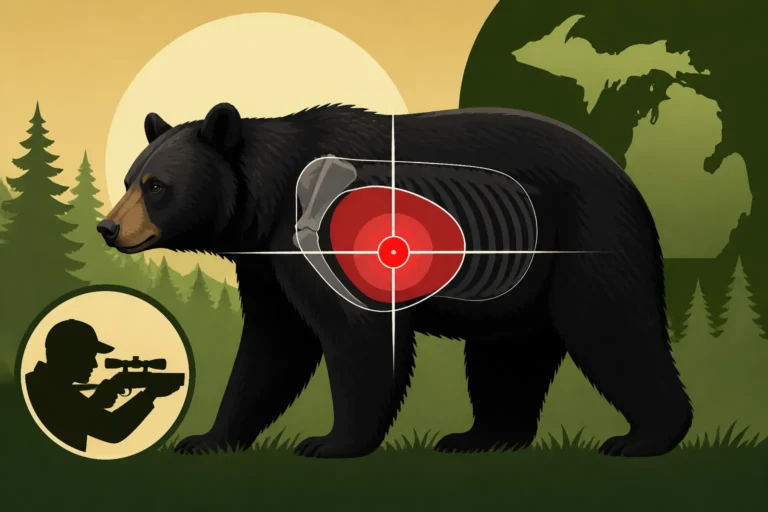
Proper shot placement is always important, but it's especially critical during the rut. Bucks are often running, jumping, and dodging, making them unpredictable targets. Aiming for the deer's shoulder or just behind it, targeting the heart and lungs, provides the largest vital area and the best chance for a quick, humane kill. Avoid Hail Mary shots at running deer or quartering-away angles that might only wound the animal. Remember, taking an animal's life is a serious responsibility, and we owe it to the animal to make it as quick and humane as possible.
Recovering a deer in November can present unique challenges. The colder temperatures can mean less blood, making tracking more difficult, especially after a fresh snowfall. If you take a shot, give the deer enough time before you begin tracking – often 30 minutes to an hour for a well-placed shot, and much longer (4-6 hours, or even overnight) if you suspect a marginal hit. Bring a good flashlight or headlamp if there's a chance you'll be tracking after dark. Understanding the nuances of Tracking a Deer in Michigan Snow or through dense cover is a skill that every rut hunter needs to hone. Always prioritize finding your deer, even if it means calling in friends or using a tracking dog (where legal) to help.
Rut Hunting Tactics Comparison
Here's a quick comparison of some common rut hunting tactics and when they might be most effective:
| Tactic | When to Use It | Pros | Cons |
|---|---|---|---|
| All-Day Sit | Peak rut (early to mid-November) | Maximizes exposure to unpredictable buck movement. | Physically demanding; requires extensive preparation. |
| Rattling/Grunting | Pre-rut and peak rut (especially with cold fronts) | Can challenge dominant bucks and draw them in. | Can spook wary deer if overdone or used at the wrong time. |
| Estrus Bleats/Doe Grunts | Pre-rut and early peak rut | Attracts bucks looking for receptive does. | Less effective if bucks are already locked down or heavily pressured. |
| Decoy Usage | Peak rut (especially with good visibility) | Can draw bucks into close range for a shot. | Can spook deer if unrealistic; potential safety concerns with other hunters. |
| Still-Hunting | Any rut phase, especially after high pressure | Allows you to cover ground and find active deer. | Requires extreme stealth and knowledge of deer movement. |
| Funnels/Pinch Points | All rut phases | Concentrates deer movement, increases odds of an encounter. | Can be heavily hunted; requires careful scouting. |
| Doe Bedding Area Perimeters | All rut phases, especially midday | Intercepts bucks scent-checking for does. | Requires careful wind management to avoid detection. |
Disclaimer
Hunting is an inherently dangerous activity. Always prioritize safety, follow all local, state, and federal regulations, and obtain proper licenses and permits. The information provided in this guide is for informational purposes only and should not replace professional guidance or personal judgment. Be aware of your surroundings, respect wildlife, and hunt ethically.