Opening Day Crowds on Michigan State Land
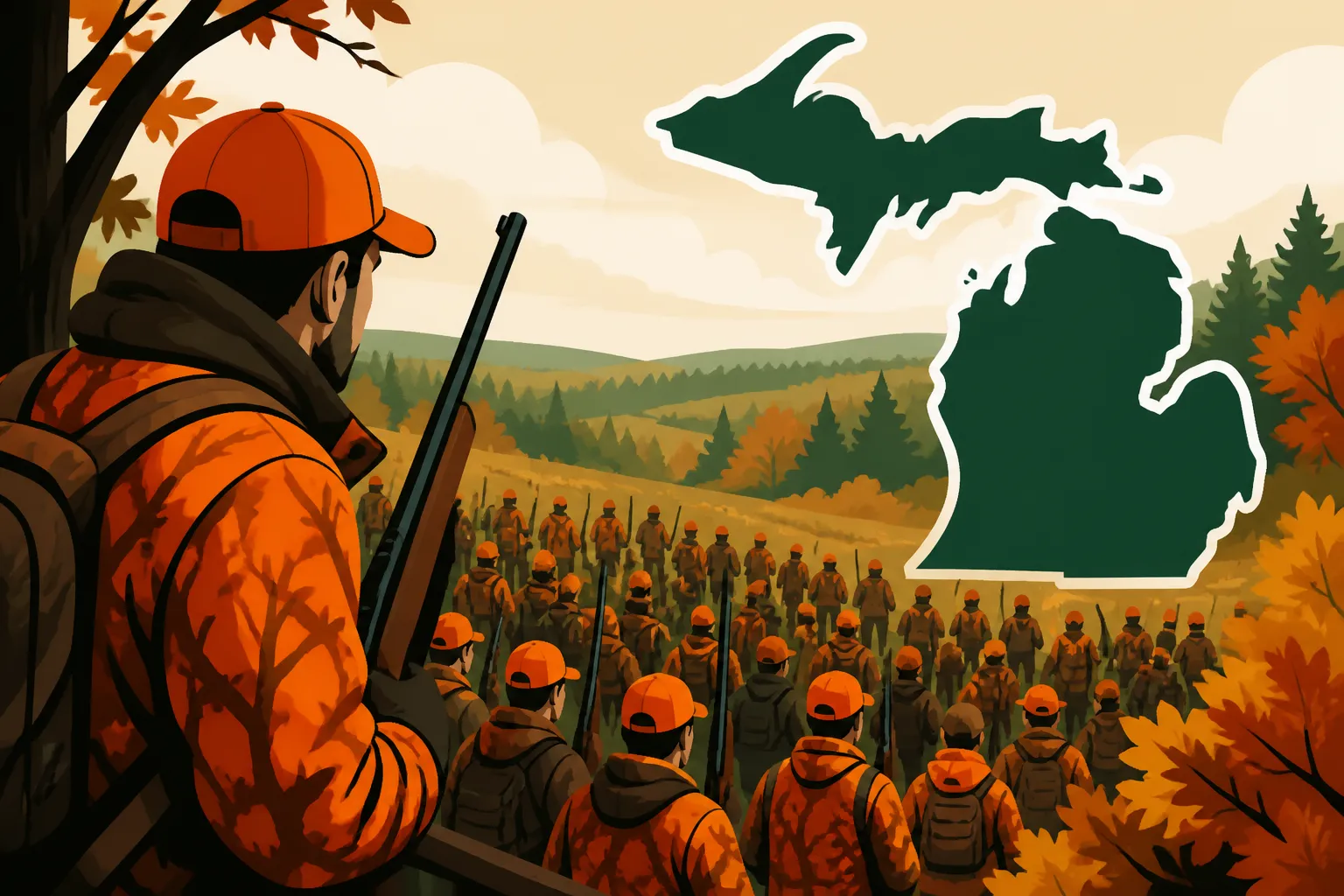
It's a scene all too familiar to Michigan hunters: you've planned for months, scouted diligently, and woken up well before dawn on opening day, only to arrive at your favorite public land access point and find a dozen other vehicles already there. The frustration is real, and the thought of navigating orange-clad hunters everywhere can quickly deflate your excitement. This guide is here to help you understand why these crowds happen and, more importantly, equip you with the strategies to find productive, less pressured hunting spots on Michigan's vast state land, even when everyone else has the same idea.
The Unavoidable Reality of Opening Day Crowds on Michigan State Land
Michigan boasts millions of acres of public land, a true blessing for hunters. Yet, despite this immense access, certain areas, especially on opening day of firearm deer season, feel like Grand Central Station. Understanding why this happens is the first step toward finding solutions.
Why Everyone Flocks to Public Ground
For many Michiganders, hunting is a deep-seated tradition, and "November 15th" (or the specific opening date each year) is practically a holiday. The anticipation builds for months, and when the day finally arrives, there's an almost magnetic pull to head out. Many hunters, especially those without access to private land, naturally gravitate towards well-known public hunting areas. These spots often have obvious parking lots, established two-tracks, or previous success stories that draw people in. The sheer volume of participation in Michigan's firearm deer season means that even with millions of acres, popular spots will inevitably see significant hunter concentration. It’s part of the fabric of our hunting culture, and while it's fantastic to see so many people enjoying the outdoors, it does present challenges.
The Downsides of Hunter Concentration
The immediate impact of so many hunters on opening day is a dramatic shift in deer behavior. Whitetails are incredibly adaptable, and they quickly learn to avoid areas with heavy human presence. This means deer will often go nocturnal, move into the thickest, nastiest cover they can find, or simply leave the area altogether, especially during daylight hours. You might hear stories of deer "getting pushed" to you, but often, they're pushed into impenetrable swamps or across property lines where you can't follow.
Beyond the deer movement, safety becomes a paramount concern. More hunters in a given area means being hyper-aware of your surroundings, identifying your target and what's beyond it, and knowing where other hunters might be. Hearing constant gunshots or seeing orange every time you turn your head can also erode the peace and solitude many of us seek in the woods. It can turn a potentially magical opening day into a frustrating exercise in avoiding other people instead of hunting deer.
Strategic Scouting to Outsmart the Crowds
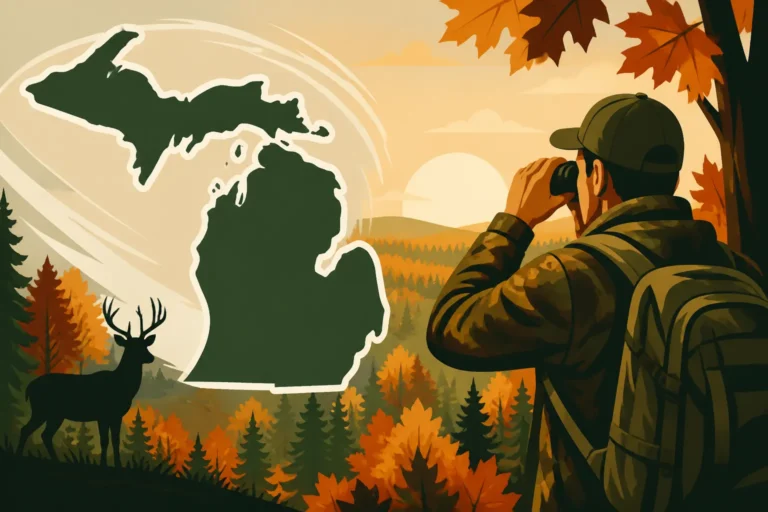
The key to escaping the opening day rush isn't magic; it's diligent pre-season work and a willingness to go where others won't. Strategic scouting, both from your armchair and with boots on the ground, is your most powerful tool.
Leveraging Mapping Tools for Hidden Gems
Before you even step foot in the woods, the best way to avoid crowds is to find places that are inherently less accessible or less obvious. Start your pre-season scouting by diving deep into mapping applications. Michigan's own Using Michigan's Mi-HUNT Map is an excellent free resource, offering detailed aerial imagery, land ownership boundaries, and various habitat layers. Commercial apps like GoHunt also provide incredibly detailed satellite imagery, topographic maps, and even historical data or timber cut dates that can reveal overlooked pockets.
Look for areas that are a significant walk from any main road or parking area. Pay close attention to subtle terrain features: small, isolated swamp fingers, hidden ridge lines that don't connect to major travel corridors, or pockets of dense conifer stands nestled within hardwoods. These spots might not look like much on a basic map, but zooming in with GoHunt can reveal subtle changes in timber type or elevation that create perfect bedding or escape cover for deer. Also, identify natural barriers like creeks, unbridged rivers, or steep ravines that deter casual hunters. These "nasty" areas are often exactly where pressured deer will retreat. The goal is to identify potential locations that require more effort to reach, as effort is usually the biggest deterrent for most hunters.
Boots-on-the-Ground Reconnaissance
Digital scouting, while invaluable, is only half the battle. Once you've identified several promising locations on GoHunt, a physical scout is absolutely critical. What looks good on a satellite image might be impassable on the ground, or vice-versa. You need to verify your findings, look for fresh deer sign, and understand how deer might move through the area.
During your physical scouting, focus on confirming entry routes on flat Michigan ground. Look for established deer trails, recent rubs, and fresh scrapes, especially as the pre-rut approaches. Pay attention to how wind and thermals will affect scent dispersal in different parts of your chosen area. The goal is to find those natural funnels and pinch points that deer will instinctively use to escape pressure from other hunters. Often, these are small saddles in ridges, narrow strips of timber between fields, or the edges of large swamps. Remember, deer drives with three or four hunters can be effective on opening day, but you need to know the terrain intimately to set up effective push-and-post strategies. By going beyond the easy walk and exploring the edges of what most hunters consider "huntable" ground, you'll uncover the hidden sanctuaries deer use when the hunting pressure mounts.
Effective Hunting Tactics for Pressured Public Land
Even with the best scouting, you'll still be sharing the woods with others. That doesn't mean your hunt is doomed; it simply means you need to adjust your tactics.
Going Deeper and Thinking Differently
The cardinal rule for hunting pressured public land is simple: go deeper than everyone else. Most hunters will venture anywhere from 400 to 800 yards from their vehicle. If you're willing to walk a mile, two miles, or even further into remote areas, you dramatically increase your chances of finding undisturbed deer. This means How Far to Walk From a Two-Track can make all the difference.
Beyond just distance, think differently about your approach. Instead of rushing to a static stand setup at first light, consider still-hunting, especially after the initial morning rush subsides. Quietly moving through dense cover, like a Still-Hunting Michigan Cedar Swamps or a thick clearcut, allows you to cover ground and potentially jump deer that have bedded down to escape pressure. The deer will likely be extra wary, so slow, deliberate movements and utilizing the wind are paramount. Also, don't be afraid to take a long, winding entry route to your stand that avoids main trails, even if it adds time to your walk. An unexpected approach can prevent you from bumping deer (or other hunters) on your way in.
| Strategy | Description | Best For | Typical Hunter Pressure |
|---|---|---|---|
| Early Morning Sit Near Road | Sitting close to known access points at dawn. | Catching deer pushed by other hunters; quick access. | Very High |
| Deep Woods Still-Hunt | Slowly moving through dense timber far from roads. | Locating bedded deer; avoiding direct hunter contact. | Low to Moderate (depends on how deep) |
| Swamp Edge Stand | Setting up on the transition zone of thick cover. | Intercepting deer moving in/out of bedding. | Moderate |
| Mid-Day Push/Sit | Hunting during midday when most hunters take a break. | Catching deer that resume movement after pressure. | Low |
| Weekdays/Later Season | Hunting after opening weekend or mid-week. | Enjoying reduced hunter numbers; less wary deer. | Very Low |
Utilizing Overlooked Habitat and Timing
Deer on pressured land become masters of evasion, utilizing any cover they can find. This means focusing on habitat that other hunters tend to overlook or avoid. Think about small, dense pockets of cover—a seemingly insignificant island of dogwood in a larger hardwood forest, a forgotten willow bottom bordering a field, or even overgrown fencerows. These small sanctuaries can hold big bucks that have been pushed out of more open areas. When you're Reading Aerial Photos for Swamp Deer, pay attention to the subtle color changes indicating different vegetation types; these are often the key.
Timing your hunt also plays a crucial role. While everyone is out at dawn, the middle of the day often sees a significant drop in hunter activity. This is when deer might feel safe enough to move, especially if they've been bumped earlier. Consider a late-morning or all-day sit using a Cold Weather Sitting Strategy if the conditions allow. Additionally, don't dismiss the smaller, isolated chunks of public land that are often surrounded by private property. While they might seem too small to hold deer, their very isolation can make them overlooked by the masses. The key is to be adaptable and persistent, understanding that Hunting Pressure on Michigan State Land can be mitigated with smart choices.
Finding Solitude Beyond Opening Day
While opening day holds a special allure, it's far from the only, or even the best, time to hunt Michigan's public lands. By shifting your focus, you can often find better hunting and a much more enjoyable experience.
The Advantages of Mid-Week and Later Season Hunts
The crowds on Michigan's state land tend to thin out dramatically after the first few days of firearm season. Many hunters fill their tags, return to work, or simply lose enthusiasm after the initial excitement. This creates incredible opportunities for those who can hunt mid-week or commit to longer stints in the woods. Deer that were pushed during opening weekend often settle back into more natural patterns, and the woods become quieter.
Consider focusing your efforts during the second week of firearm season, or even exploring alternatives like Muzzleloader Deer Hunting in Michigan or Michigan's Late Archery Season in December. These seasons offer a vastly different experience, with significantly fewer hunters in the woods. The colder weather means you'll need a solid Cold Weather Sitting Strategy, but the payoff in solitude and potentially less pressured deer can be well worth it. Plus, late-season deer are often focused heavily on food, making them more predictable if you can locate those critical food sources.
Exploring Diverse Public Land Options
Beyond simply changing the timing of your hunt, consider diversifying the type of public land you target. While State Game Areas can be great, they often see very heavy traffic due to their accessibility and often well-managed habitat. Don't overlook Michigan's expansive State Forests or the federal lands managed by the National Forest Service, such as the Huron-Manistee, Ottawa, and Hiawatha National Forests. These areas, particularly in the Hunting the Michigan Upper Peninsula for Deer or the Northern Lower Peninsula, often have vast tracts of timber where you can truly get away from other hunters.
These bigger woods often require a different approach to scouting and hunting, focusing on finding ground others walk past by understanding vast timber cuts, subtle terrain breaks, and historical deer movements rather than just well-worn trails. Mapping tools like GoHunt are crucial here, helping you identify remote sections and plan long treks. While they might be a longer drive for many, the trade-off for a truly quiet and wild hunting experience can be immeasurable. Every time you lace up your boots to head into Michigan's public land, remember that a little extra effort and a willingness to be different can lead to some of your most memorable hunts, free from the opening day crowds.
Disclaimer
Hunting is an inherently risky activity. Always prioritize safety, adhere to all Michigan hunting regulations, and ensure you have the necessary licenses and permits. This guide is for informational purposes only and does not substitute for proper hunter education or personal responsibility. Be aware of your surroundings, know your target and what is beyond it, and respect other hunters and landowners.