Field Hunting Geese in Cut Corn
There’s a unique thrill, and often a fair bit of frustration, that comes with trying to outsmart a flock of Canada geese in a wide-open cut cornfield here in Michigan. It’s a game of wits, camouflage, and precise timing against some of the wariest birds you'll ever encounter. This guide is all about equipping you with the know-how to turn those frustrating fly-bys into successful hunts, breaking down the strategies and gear needed to put those big honkers on the ground.
Understanding Michigan's Field Geese and Their Habits
Michigan's landscape, particularly across the southern Lower Peninsula, is a patchwork of agricultural fields interspersed with lakes, rivers, and wetlands. This diverse habitat makes it a prime location for both resident and migratory Canada geese, along with the occasional Greater White-fronted Geese or even Snow Geese during the migrations. Understanding what draws these birds to cut cornfields and how they move through the landscape is the first step in successful field hunting.
Why Cut Corn is a Goose Magnet
For a goose, a recently harvested cornfield isn't just a field; it's a buffet. When combines roll through, they invariably leave behind a significant amount of waste grain – fallen kernels that are pure gold for hungry waterfowl. These easily accessible, high-energy food sources are exactly what geese need, especially during the colder months when they're bulking up for migration or simply trying to maintain their body fat through the Michigan winter.
Beyond the caloric benefits, cut cornfields offer another crucial element for geese: security. Unlike dense cover or wooded areas, an open field provides expansive sight lines, allowing geese to spot predators, including hunters, from a great distance. They feel safe in these open spaces, knowing they can take flight at the first sign of danger. This combination of abundant food and perceived safety makes cut cornfields an irresistible draw, acting as a crucial pit stop or permanent dining hall for flocks across the state. The sheer volume of waste grain often available means that a single field can sustain a large flock for days or even weeks, provided they aren't pressured too heavily.
Reading Roost-to-Field Flight Lines
Geese are creatures of habit, especially when it comes to their daily routines. They'll spend their nights roosting on large, open bodies of water – lakes, major rivers, or vast flooded wetlands – where they feel secure from nocturnal predators. As dawn breaks, they'll leave these roosts and fly directly to their chosen feeding grounds, often the cut cornfields you're hoping to hunt. The routes they take between these two points are their "flight lines," and identifying them is absolutely critical to placing your spread effectively.
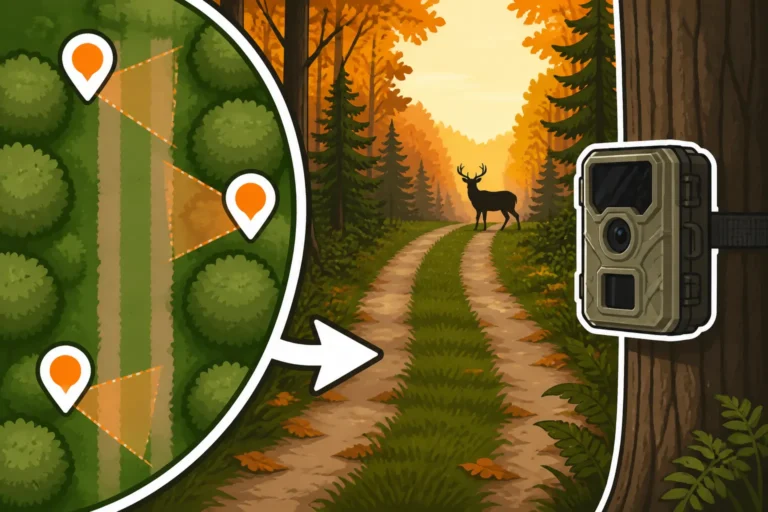
Scouting is paramount here. You'll want to spend time observing geese from a distance, perhaps even using a mapping tool like GoHunt to mark potential roosts and feeding fields. Watch for consistent flight patterns in the early morning or late afternoon. Are they coming from the north and heading directly south over a specific tree line? Do they consistently skirt a woodlot on the west side before dropping into a particular section of a field? These observations will tell you exactly where to set up your decoys and blinds to intercept them. Wind direction, atmospheric pressure, and even hunting pressure can cause slight deviations in these flight lines, so being flexible and having a few backup spots is always a good idea. For a deeper dive into this vital scouting method, check out our article on Reading Roost-to-Field Flight Lines.
Essential Gear and Setup for Cut Corn Fields
Once you've identified your target field and observed the geese's habits, it's time to talk gear. Hunting geese in cut corn isn't like hunting ducks in a marsh; it requires specific tools and strategies to achieve the illusion of safety and appeal that will bring those wary birds into range. Your decoys and your blind are your primary weapons in this game of deception.
Decoy Spreads for Field Success
When it comes to goose decoys, size and quantity matter, but so does realism. Geese are highly social animals, and a large, convincing spread signals safety and a plentiful food source to passing flocks. You're trying to replicate a bustling feeding party.
Most hunters will use a combination of decoy types. Full-body decoys are the gold standard for realism, offering a three-dimensional appearance that looks natural from all angles. However, they are bulky and expensive. Silhouettes offer a more portable and affordable alternative, giving the illusion of numbers, especially in low light or from a distance. Shells, which are essentially the top half of a goose, can also be used to add bulk without the full cost or weight. For a true big-flock feel, don't be afraid to mix and match.
The arrangement of your decoys is equally important. A common strategy is to create a "U" or "J" shape, with the open end of the letter facing into the prevailing wind. This creates a natural landing zone for incoming geese, as they prefer to land into the wind for better control. Within this pattern, place decoys in loose family groups, mimicking how geese naturally feed. Avoid perfect, symmetrical lines; nature isn't neat. The goal is a chaotic, natural appearance. Don't forget motion decoys! Windsocks, flags, and even battery-operated flappers can add crucial movement to your spread, making it appear more alive and enticing, especially to high-flying birds. Companies like Avian-X and Big Foot make excellent full-body decoys that can significantly enhance your spread's realism. For optimal results, use an app like GoHunt to review satellite imagery of actual goose spreads and get ideas before you deploy your own.
Blinding Techniques for Concealment
Geese possess incredible eyesight, and they're notoriously wary. In the wide-open expanse of a cut cornfield, becoming truly invisible is your biggest challenge. Your blind needs to blend seamlessly into the environment, becoming just another part of the stubble and dirt.
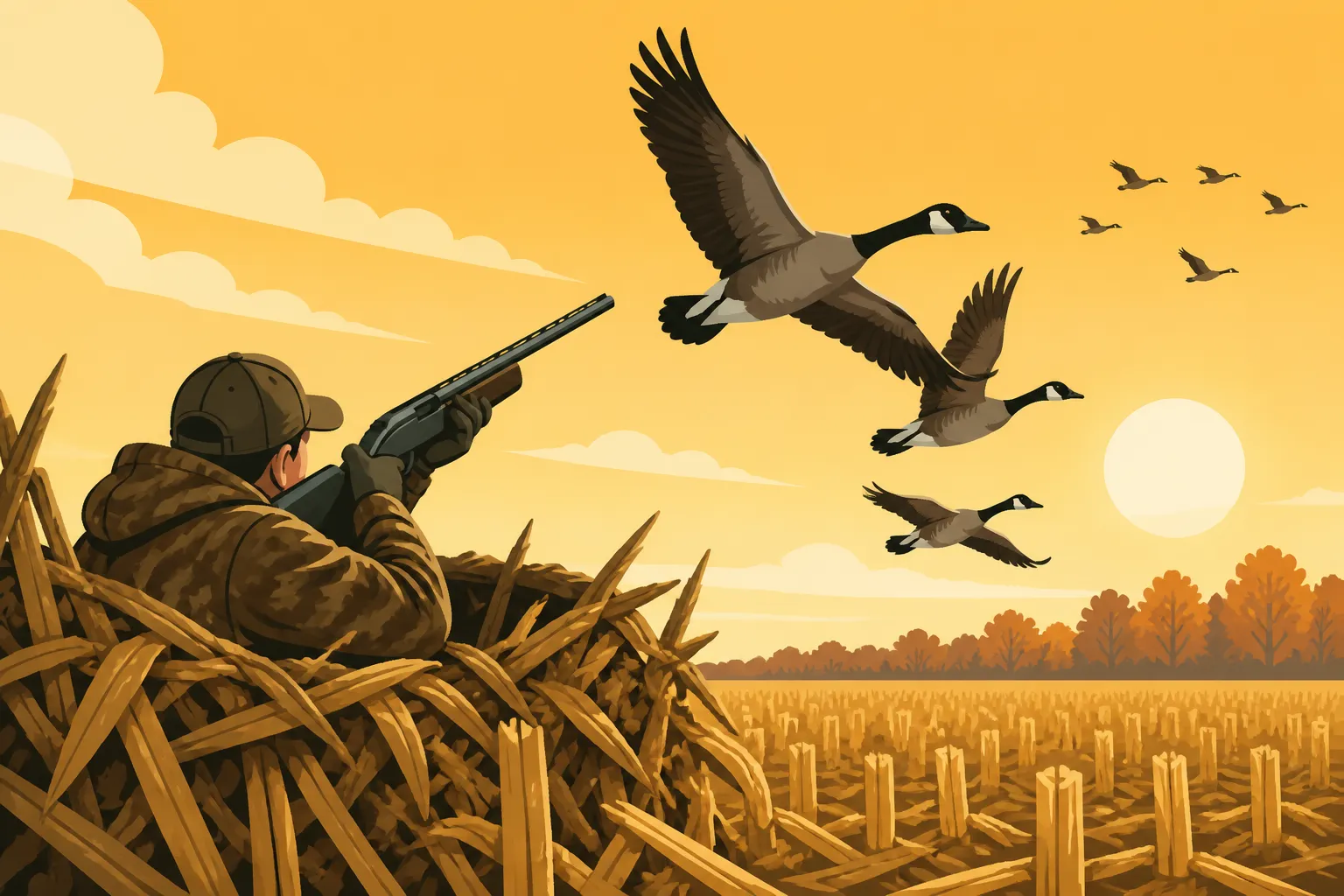
Layout blinds are the most popular choice for field hunting. These low-profile blinds allow you to lie down, nearly flat on the ground, and pop up when the geese are in range. The key to their effectiveness is brushing them in. Don't just set them out – gather surrounding cornstalks, grass, and mud, and meticulously cover every inch of your blind until it disappears. The goal is to break up its outline completely. A good rule of thumb is to overdo it; you can always remove some brush, but you can't add it quickly when a flock is circling.
A-frame blinds, which resemble small, portable dog blinds or minimalist box blinds, can also be effective, especially if there's a ditch, fence line, or taller remnant of cornstalks to help break up their profile. Again, brushing them in is non-negotiable. Some hunters even forego traditional blinds entirely, opting to simply dig shallow scrapes in the ground and cover themselves with a Ghillie suit and cornstalks. Whichever method you choose, remember that the geese are looking for anything out of place. Your blind's ability to melt into the cut corn stubble directly correlates to your hunting success. When using mapping tools like GoHunt, pay attention to the contour lines and potential natural depressions in the field that could provide extra concealment. This is also where understanding specific products like those covered in our guide on Layout Blinds for Michigan Cut Corn can really make a difference.
Tactical Approaches to Field Hunting Geese
With your gear in order and your understanding of goose behavior growing, it's time to refine your tactical approach. Field hunting geese isn't just about throwing out decoys; it's about a combination of diligent scouting, effective calling, and adapting to the ever-changing Michigan weather.
Scouting and Permission are Paramount
You simply cannot overstate the importance of scouting for field geese. It’s the single most critical factor separating consistent success from perpetual frustration. Days, or even weeks, before you plan to hunt, you need to be out there observing. Drive the back roads, walk the field edges, and use binoculars to watch where geese are actually feeding. Don’t just look for geese; look for their droppings, leftover corn, and tracks in the mud. A field that geese used yesterday is far more likely to be used today than a field that just looks good.
Once you’ve identified a hot field, securing permission from the landowner is the next hurdle. Most cut cornfields are on private property. This means you need to be polite, respectful, and persistent. Farmers are often busy, so timing your approach is key. Offer to help them out, maybe with a small task or by offering to share some of the harvest. Be prepared for rejection, but also understand that a friendly, respectful approach can often open doors. For more detailed advice on navigating this process, our guide on Knocking on Doors in Michigan Farm Country offers some excellent tips. While much of what we discuss in Scouting Michigan Public Land Before Season focuses on public ground, the core principles of identifying food sources, travel corridors, and bedding areas are universally applicable, even when shifting your focus to private agricultural lands.
Calling Strategies and Timing the Shot
Goose calling is an art form, not just a noise-making exercise. It's about communicating with the birds, reassuring them, and drawing them closer. While a goose call might seem like a simple instrument, mastering it takes practice and an understanding of what the geese are telling you.
Most goose hunters use short-reed calls, which are versatile enough to produce a wide range of goose vocalizations. Start with greeting calls and excited honks to get their attention if they're distant. As they respond and commit, shift to softer clucks, moans, and feeding gabbles. The goal is to make your spread sound like a contented, busy flock. Listen to the geese themselves; they'll often tell you what they want to hear. If they're honking aggressively, they might want a strong response. If they're silently circling, softer, reassuring calls are often more effective. Knowing when to stop calling is as important as knowing when to start. Sometimes, less is more, especially with wary birds on clear days.
Timing the shot is crucial for clean kills and recovering your birds. When the geese are cupped and committed, dropping their feet into your landing zone, wait until they are fully within ethical shooting range – typically 25-35 yards for most modern shotguns and nontoxic loads. Resist the urge to jump up too early; let them get close. Work as a team with your hunting partners, ensuring everyone is on the same page about when to call the shot and which bird to target. This coordination helps avoid flaring birds and ensures a successful hunt.
Weather Considerations and Adaptability
Michigan weather is notoriously fickle, and it plays a huge role in goose behavior and hunting conditions. Being able to adapt your strategy to the elements is a mark of an experienced goose hunter.
Wind: Wind is your best friend when field hunting geese. Geese prefer to land and take off into the wind, as it provides lift and control. This means wind dictates their approach direction, making your decoy placement even more critical. If the wind shifts, you might need to quickly adjust your spread or even your blinds. A strong, steady wind can also make geese fly lower, keeping them out of the jet stream and potentially bringing them into range more easily.
Fog and Rain: These conditions can be a mixed bag. Fog often concentrates birds, keeping them grounded longer on roosts or forcing them to fly lower when they do move, potentially offering closer shots. Light rain can have a similar effect, sometimes making geese less wary as their visibility is reduced. However, heavy rain or severe weather can keep birds grounded completely or make hunting miserable and unproductive.
Clear, Sunny Days: These are often the toughest days to hunt geese in open fields. With unlimited visibility, geese are incredibly wary and will often circle high, scrutinizing your spread from a safe distance. On such days, your concealment needs to be absolutely perfect, and your decoy spread impeccable. You might need to use fewer decoys, employ more subtle calling, and be even more patient. Always be aware of the Michigan Legal Shooting Hours for waterfowl, as low light conditions at dawn and dusk can be productive, but you must respect the legal window.
Overcoming Common Challenges
Even the best-laid plans can go awry when hunting geese. These birds are intelligent and adapt quickly to pressure, making it essential for hunters to have strategies for overcoming common hurdles, from wary birds to complex regulations.
Dealing with Wary Birds and Hunting Pressure
Michigan's geese, especially in the more populated southern regions, are highly educated. They quickly learn what a decoy spread looks like, recognize unnatural blind shapes, and become adept at spotting human movement. This pressure makes successful hunting a constant challenge.
One of the best ways to combat wary birds is through perfect concealment. If they can see you, they won't commit. This means not just brushing in your blind but also staying absolutely still until the shot is called. Even a slight head movement can flare an entire flock. Another strategy is to scale down your spread. While large spreads are generally effective, sometimes a smaller, more natural-looking "family group" of decoys can entice birds that are wary of massive setups. Changing up your calling is also key; if a loud, aggressive calling sequence isn't working, try softer, more subtle clucks and moans.
Furthermore, if a particular field has been hunted heavily, the geese will likely avoid it for a while. Don't be afraid to move. Having multiple scouted locations is invaluable. This adaptability is especially important during the Early Goose Season Tactics in Michigan, when birds are often less pressured, but quickly become educated. Using mapping apps to monitor areas and note where hunting pressure might be concentrated can help you find less disturbed locations. Sometimes, the solution is as simple as finding a new field altogether.
Legalities and Regulations for Michigan Goose Hunters
Navigating the rules and regulations for goose hunting in Michigan can feel like a labyrinth, but it's absolutely crucial for responsible and legal hunting. Understanding the specific zones, licensing requirements, and shooting restrictions is non-negotiable.
Michigan is divided into specific Goose Management Unit Rules, such as the Southern Michigan Goose Zone, which have their own unique season dates and bag limits. It's vital to know which zone you're hunting in and to check the Michigan DNR website annually for the most up-to-date regulations, as they can change.
Before you even step foot in a field, you need the proper licenses and stamps. This includes a valid Michigan hunting license, a Michigan waterfowl hunting license, and a federal Migratory Bird Hunting and Conservation Stamp (often called a Federal Duck Stamp). Additionally, you must be Harvest Information Program (HIP) endorsed. All these are covered in detail in our guide on Michigan Waterfowl Licence and Stamps. Forgetting any of these can result in hefty fines and loss of hunting privileges.
You also need to be mindful of Michigan Legal Shooting Hours, which are generally from 30 minutes before sunrise to sunset. These times are specific and must be adhered to. Lastly, and very importantly for waterfowl hunters, you must use nontoxic shot when hunting geese (and all waterfowl) in Michigan. Lead shot is strictly prohibited for waterfowl hunting. Our article on Where Nontoxic Shot Is Required in Michigan provides more information on this critical regulation. Always carry your licenses and stamps with you while hunting, and be prepared to present them to a conservation officer if requested.
| Decoy Type | Pros | Cons | Best Use |
|---|---|---|---|
| Full Body | Most realistic, 3D appearance | Bulky, heavy, expensive | Primary decoys, visible from all angles, key for close birds |
| Silhouettes | Lightweight, easy to transport, affordable | Less realistic from certain angles, flat appearance | Adding numbers to a spread, distant birds, easy deployment |
| Shells | Lighter than full bodies, more 3D than silhouettes | Can be less stable in wind, less realistic than full bodies | Bulking up a spread, simulating resting/feeding birds |
| Windsocks | Excellent motion, very lightweight, affordable | Less realistic shape, only effective with wind | Adding crucial movement, visible from far distances, secondary to realism |
| Flappers/Spinners | High motion, catches attention | Battery dependent, can be costly, less natural motion than windsocks | Drawing distant birds, adding dynamic movement, often used sparingly |
Disclaimer
Hunting carries inherent risks, and conditions in Michigan's outdoors can be unpredictable. Always prioritize safety, adhere to all Michigan Department of Natural Resources (DNR) regulations, and consider taking a hunter safety course or refresher. This guide provides general information and should not replace official DNR publications or professional advice.