Hunting Deer in Deep Upper Peninsula Snow
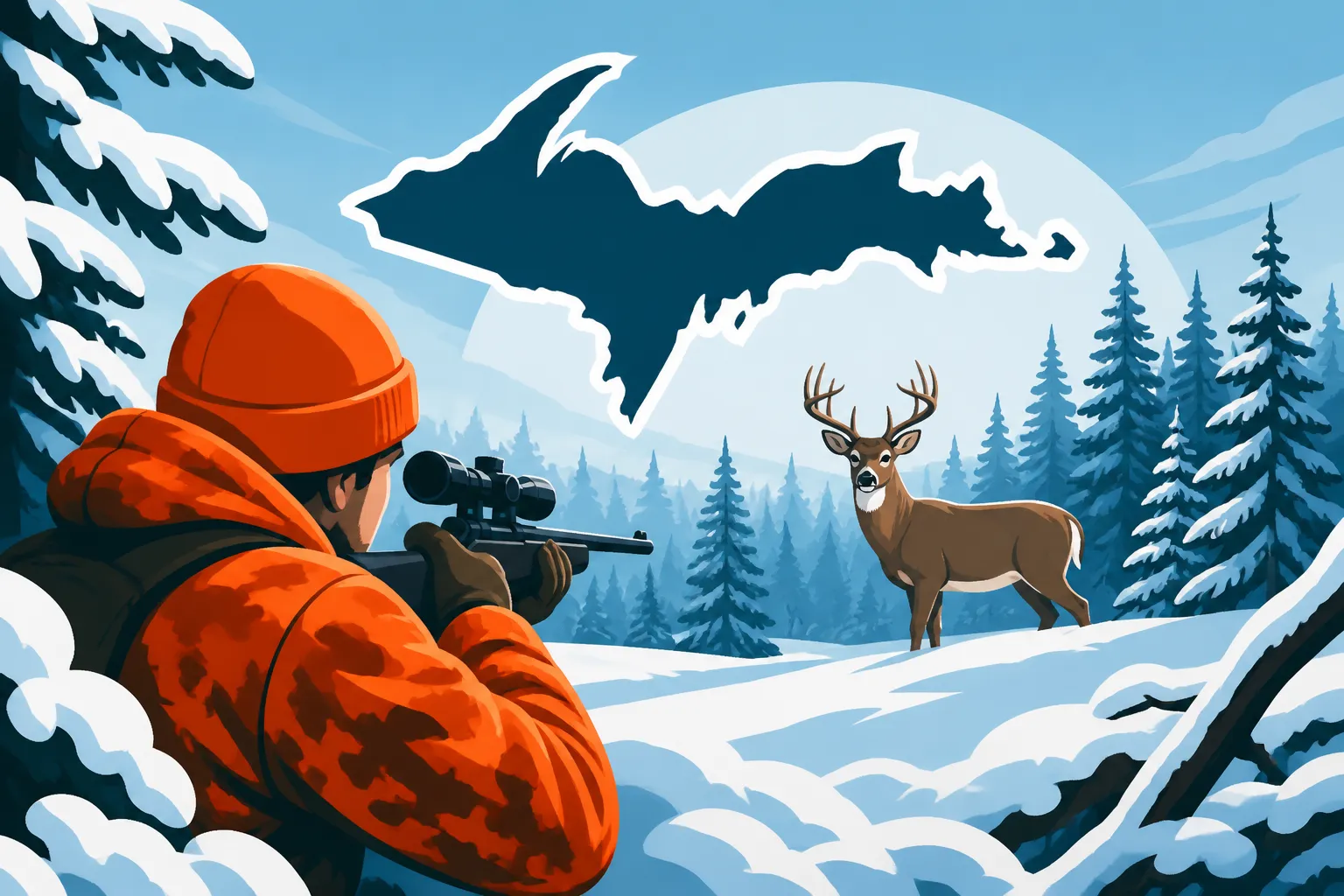
Hunting deer in Michigan's Upper Peninsula when the snow really starts to pile up can feel like a whole different ballgame. That pristine, silent landscape might look beautiful, but it throws some serious challenges your way, from finding deer to just getting around. This guide is here to walk you through the unique considerations and strategies for successfully pursuing whitetails when the U.P. is blanketed in deep snow, helping you turn those tough conditions into an advantage.
Understanding U.P. Deer Behavior in Deep Snow
When the snow flies deep and settles in for the long haul across the Upper Peninsula, deer radically alter their behavior. It's not just about finding food anymore; it's about survival, pure and simple. Understanding these shifts is your first step to being successful in late-season hunting.
Deer Yarding and Winter Movement Patterns
One of the most critical adaptations for U.P. whitetails is the phenomenon of "yarding." As snow depths increase, often reaching well over a foot or more, deer begin to congregate in sheltered areas, creating what are known as deer yards. These aren't just random groupings; they're strategic havens. You'll typically find these yards in dense conifer stands, especially thick cedar swamps, where the canopy intercepts much of the falling snow, keeping ground cover shallower. The dense cover also offers critical thermal protection from bitter winds and extreme cold.
In these yards, deer movements become incredibly restricted. Instead of ranging far and wide, they establish a network of trails, often packed down by repeated use, allowing them to move with less energy expenditure. These trails connect bedding areas within the yard to browseable vegetation. The deeper the snow outside the yard, the more reluctant deer are to leave these sheltered areas. This concentration of deer in specific, often predictable locations, is precisely what a late-season hunter needs to key in on. Knowing how to identify and interpret these movement patterns is crucial for understanding Upper Peninsula Deer Yarding and Winter Movement.
Food Sources and Energy Conservation
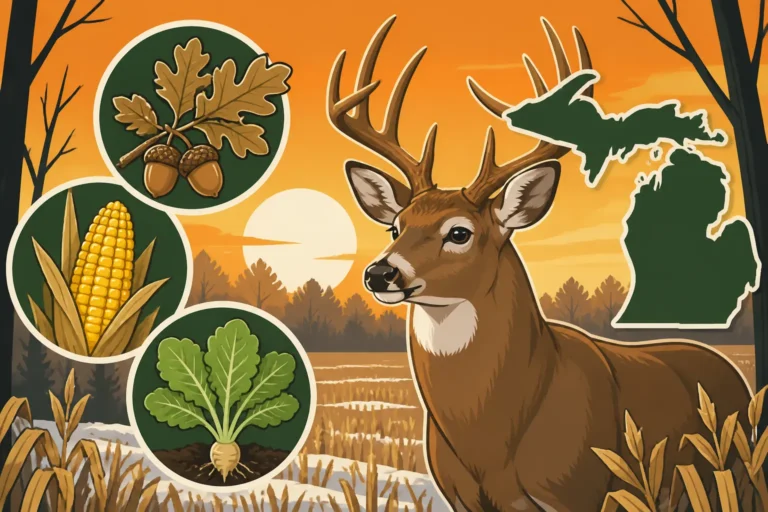
In the heart of a U.P. winter, readily available, nutritious food is scarce. Deer shift from a diverse diet to one focused primarily on woody browse—twigs, buds, and bark from species like cedar, hemlock, and various hardwoods that can withstand heavy browsing pressure. Within their yards, deer will systematically strip browse lines as high as they can reach, often creating visible indicators of heavy use.
Their metabolism slows down, and every movement is calculated to conserve precious energy. This means deer are less active during daylight hours, preferring to bed down in the thickest cover possible, only moving short distances to feed. You won't see them running through open hardwoods in a foot of snow unless absolutely necessary. Instead, expect short, deliberate movements along established trails. Their focus is solely on staying warm and alive until spring, which means minimizing exposure and calorie burn. This makes understanding Late-Season Food Sources for Whitetails absolutely vital for success.
Impact of Snow Depth and Temperature
The impact of snow depth cannot be overstated in the U.P. A few inches of snow might make for great tracking, but a foot or more fundamentally alters deer behavior. When snow reaches hip-deep levels, pushing through it becomes an arduous task even for a large buck, burning critical calories. This is why yarding behavior becomes so pronounced; it's an energy-saving mechanism.
Extreme cold adds another layer of challenge for both deer and hunter. Sub-zero temperatures force deer to seek out even denser thermal cover, often causing them to remain bedded for longer periods. For the hunter, it means layers of clothing and careful planning to avoid hypothermia. A sudden cold snap after a period of milder weather can kickstart deer movement into yards, while prolonged extreme cold will clamp down on their activity, making them hunker down. Monitoring the long-range forecast and current snow reports is just as important as knowing where the deer are.
Essential Gear and Preparation for Deep Snow Hunting
Hunting in the deep snows of the Upper Peninsula demands a completely different approach to gear than early-season hunts. Standard equipment simply won't cut it. Your success, and more importantly, your safety, hinges on being properly equipped for the extreme conditions you're likely to encounter.
Specialized Footwear and Outerwear
Your feet and core are your first lines of defense against the brutal cold and moisture. Forget those lightly insulated boots; you need serious, expedition-grade footwear. Look for heavily insulated, waterproof boots, often rated for well below zero temperatures. Brands like Schnee's or Kenetrek are popular choices among serious winter hunters because they offer the warmth and support needed for navigating deep snow. Consider pairing them with wool socks, and perhaps even over-boots for prolonged stand sits.
Snowshoes are not optional; they are a necessity in deep U.P. snow. Traditional wood-and-rawhide snowshoes are classic, but modern aluminum-frame snowshoes with aggressive crampons offer superior traction and flotation, especially in varied terrain or on icy crusts. Practice walking in them before your hunt; it's a skill you'll appreciate when breaking trail for miles.
For outerwear, the key is layering. Start with a moisture-wicking base layer (merino wool is fantastic), add insulating mid-layers (fleece or down), and top it off with a waterproof, windproof outer shell. Your outer layer should be quiet and durable. Think about a good pair of insulated bibs and a heavy parka. For those long periods of inactivity, a high-quality puffy vest or jacket can be packed and donned when you reach your destination. This kind of thoughtful layering is paramount for any Cold Weather Sitting Strategy.
Navigation and Safety Tools
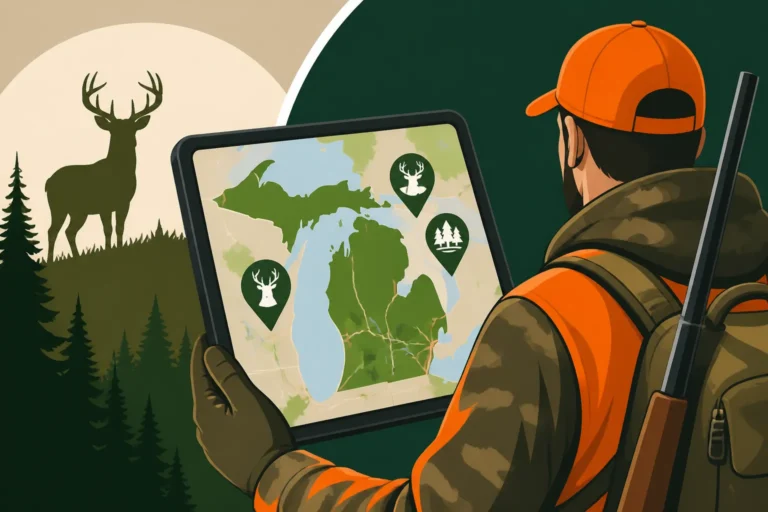
Getting lost in the vast U.P. wilderness, especially in winter, can quickly become a life-threatening situation. A reliable GPS unit or a robust mapping app on your phone, like GoHunt, with downloaded offline maps, is absolutely non-negotiable. Topographic maps and satellite imagery layers on GoHunt can help you identify subtle terrain features, like ridges or drainages that might offer easier travel, or pinpoint dense conifer stands that scream "deer yard." Always carry a traditional compass and a physical map as a backup, and know how to use them.
Beyond navigation, a personal locator beacon (PLB) or a satellite communication device such as a Garmin inReach or Zoleo is a wise investment. Cell service is often non-existent in the remote areas where U.P. deer yards are found. These devices can send emergency signals, allowing you to call for help even without a signal. Additionally, carry a well-stocked first-aid kit, emergency fire-starting supplies, extra high-energy food, and plenty of water (or a way to melt snow).
Firearm and Ammunition Considerations
Winter conditions can be tough on firearms. Moisture, ice, and extreme cold can cause malfunctions. Ensure your rifle, shotgun, or muzzleloader is meticulously cleaned and lightly lubricated with a cold-weather-resistant oil. For muzzleloaders, keeping powder and primers dry is a constant battle. Read up on specific tactics for Keeping a Muzzleloader Dry in Wet Snow, which often involves waterproof storage and careful handling.
When it comes to ammunition, ensure it performs reliably in cold temperatures. While modern ammunition is generally stable, extreme cold can affect bullet performance slightly. More importantly, consider a cartridge that delivers ample energy at typical woods distances. A .30-06, .308, or .450 Bushmaster are all excellent choices. If using a scope, ensure it's fog-proof and consider scope caps to protect the lenses from snow and moisture. An illuminated reticle can also be a huge advantage in the low light of a snowy U.P. cedar swamp.
Tactics for Successfully Hunting Deer in Deep U.P. Snow
Once you're properly geared up, it's time to talk strategy. Hunting deer in deep snow isn't just about endurance; it's about smart planning, precise execution, and an intimate understanding of the unique conditions.
Identifying and Accessing Winter Deer Yards
Your primary objective is to find and effectively hunt the winter deer yards. This often starts long before the snow flies, through scouting. Use tools like GoHunt's satellite imagery to pinpoint dense conifer stands and cedar swamps that offer the necessary cover and browse. Look for areas with a mix of older growth providing canopy cover and younger, regenerating areas for browse. As the snow deepens, these locations become magnets.
Once snow hits, drive forest roads and look for tracks crossing. When you find converging tracks leading into a specific area, that's your starting point. Accessing these yards can be grueling, often requiring long treks on snowshoes through untouched snow. Plan your entry routes carefully, prioritizing low-impact approaches that minimize disturbance. This means walking around the thickest parts of the yard, using wind direction to your advantage, and approaching from downwind. Familiarity with Reading a Michigan Cedar Swamp for Deer will provide invaluable insights into how these critical habitats function for whitetails.
Still-Hunting and Tracking Strategies
Deep snow transforms still-hunting into an incredibly effective tactic. The quiet crunch of fresh snow under your snowshoes might seem loud, but it also allows you to move with exceptional stealth. Every step is deliberate, every pause is an opportunity to listen and look.
New snow is a tracker's dream. Fresh tracks clearly tell you how recently a deer passed and in what direction. Look for distinct hoof prints, drag marks from legs (indicating deep snow), and any sign of a deer moving quickly or slowly. A steady, deliberate walking track is what you want to follow. When the track changes to bounding or a hard trot, the deer has likely sensed you. Pay close attention to subtle cues like turned-up leaves, fresh droppings, or disturbed snow from browsing.
When tracking, always assume the deer is just ahead, bedded down and watching its backtrail. Move slowly, constantly scanning ahead and to the sides. Use binoculars to pick apart dense cover for a patch of hide or an antler tine. Approaching a bedded deer in deep snow is a test of patience and skill. You'll want to move extremely slowly, using any available cover, until you can identify the animal and get a clear, ethical shot. This methodical approach is the essence of Still-Hunting After a Michigan Snow.
Elevated Stands and Ground Blind Considerations
Traditional treestand hunting in deep snow presents unique challenges. Climbing sticks might not reach solid ground, and stands can become obscured by snow. However, if you're able to set up a stand beforehand, or if there's sufficient snow to get you close to a lower limb, a stand can still be effective, particularly if overlooking a well-used yard trail or browse area. Just be aware that deer's perception of height can be altered by deep snow.
Ground blinds can be an excellent alternative, especially if you set them up early and allow them to get covered in snow, effectively brushing them in naturally. The snow itself will provide natural camouflage, helping the blind blend into the environment. However, ensure the blind is anchored well to withstand U.P. winds and that your shooting lanes remain clear as snow accumulates. Remember that deer will also have an elevated view due to the snow, so conceal your blind carefully. For practical advice, see our guide on Using a Ground Blind on Michigan State Land.
Deer Drives in Heavy Snow
When deer are concentrated in yards, deer drives can be incredibly effective, albeit physically demanding. The objective is to push deer out of dense cover and past waiting standers. The deep snow works in your favor by slowing the deer down and forcing them onto established trails, making their movement more predictable.
The key to a successful deep-snow drive is careful planning and safety. Identify the boundaries of the yard, determine your drivers' paths, and strategically place posters at anticipated escape routes or trail intersections. Drivers will have a much harder time moving through deep snow, so they need to be strong, well-equipped, and understand their role. Communication is critical, often requiring two-way radios, as shouting can alert deer too soon. Safety should always be the top priority, ensuring all hunters know where others are positioned. A well-executed drive in these conditions can yield results, but it requires teamwork and respect for the challenging terrain. Our article on Deer Drives With Three or Four Hunters offers more insights.
Safety and Recovery Considerations
Hunting in the deep snows of the U.P. is an incredible experience, but it comes with inherent risks. Being prepared for emergencies and understanding how to safely recover your game are just as vital as finding a deer.
Battling the Elements and Hypothermia
The U.P. winter is unforgiving. Hypothermia is a real and dangerous threat, even on days that don't feel "that cold" if you're wet or inactive. Recognize the signs: shivering, confusion, slurred speech, and loss of coordination. The best defense is prevention: wear proper layers, stay dry, eat regularly to keep your internal furnace burning, and stay hydrated. Pack a thermos of hot coffee or soup to warm you from the inside out. Always tell someone your exact hunting plan and estimated return time. If you start to feel genuinely cold and can't shake it, it's time to head back to camp.
Tracking and Recovering a Deer in Deep Snow
While fresh snow makes tracks easy to follow, recovering a deer in deep snow can be physically exhausting. A blood trail might be evident, but deep snow can quickly absorb blood, making it less visible. Pay attention to disturbed snow, broken branches, and hair. Take your time, mark the last blood or sign, and don't push the trail too quickly, especially if you believe the deer is still alive. For detailed guidance, our articles on Tracking a Deer in Michigan Snow and Blood Trailing After Dark in Michigan are excellent resources.
Once you've found your deer, the real work begins. Dragging an entire deer through hip-deep snow is incredibly difficult, often requiring multiple people or specialized equipment like a deer sled. A sturdy sled can make a world of difference, allowing you to pull the deer over the snow rather than through it. In very remote areas, especially if you're alone, you might need to consider quartering the animal and packing it out in pieces. This requires a strong backpack with a frame and game bags to keep the meat clean and cool. Ensure you have the necessary knives and saws for field dressing and butchering in cold weather.
Contingency Planning and Communication
Always have a "what if" plan. What if you get turned around? What if you or your hunting partner gets injured? As mentioned, cell service is spotty at best in many U.P. hunting areas. A satellite communication device is ideal. Beyond that, ensure everyone in your group knows the plan, where you'll be, and how to reach you. Pack a small, lightweight emergency kit with fire starters, a space blanket, extra high-calorie snacks, and a headlamp with fresh batteries. It's better to carry a little extra weight and be prepared than to be caught off guard by the Michigan wilderness.
When using mapping apps like GoHunt, make sure your phone is fully charged, and consider carrying a portable power bank. Cold weather drains batteries quickly. These small preparations can make the difference between a minor inconvenience and a serious emergency.
Disclaimer
Hunting is an inherently dangerous activity. Always prioritize safety, follow all Michigan Department of Natural Resources regulations, and obtain proper licenses and permits. This guide is for informational purposes only and does not substitute for thorough hunter education, local knowledge, or professional guidance. Be prepared for rapidly changing weather conditions and always hunt with a clear understanding of your abilities and limitations.