Michigan Bear Management Units
Trying to make sense of Michigan's bear hunting regulations can feel like trying to track a phantom bear through a dense cedar swamp—confusing, frustrating, and easy to get lost. Between the drawing system, preference points, and the often-changing unit boundaries, it's a lot for any hunter to keep straight. This comprehensive guide is here to untangle the complexities of Michigan's Bear Management Units, helping you navigate the system and strategize for a successful hunt.
Understanding Michigan's Bear Management Units (BMUs)
Michigan's black bear population is a conservation success story, but managing it effectively requires a structured approach. That's where Bear Management Units (BMUs) come into play. These distinct geographical areas are the backbone of Michigan's bear hunting program, designed to maintain healthy bear populations while providing hunting opportunities and addressing potential human-wildlife conflicts.
Why BMUs Exist: A Balancing Act
The primary reason for dividing the state into BMUs is to allow the Michigan Department of Natural Resources (DNR) to precisely manage bear populations on a localized level. Bear populations aren't evenly distributed across the state; some areas have thriving, dense populations, while others might be more sparse or experiencing challenges. By creating individual units, the DNR can adjust harvest quotas for each area, ensuring that hunting pressure aligns with the specific bear population goals for that region. It's a delicate balancing act—too much pressure in one unit could lead to population decline, while too little could result in overpopulation, increasing conflicts with farmers, homeowners, and other outdoor enthusiasts. This unit-specific management allows for a sustainable harvest, preventing localized overharvesting in areas with fewer bears and encouraging harvest in areas where populations are robust.
Furthermore, BMUs help manage hunter distribution. Without them, every hunter might flock to the "best" areas, leading to overcrowding and a less enjoyable experience for everyone. By distributing hunting pressure across various units, the DNR aims to provide a quality hunting experience while still achieving its biological management goals. It's about maintaining ecological health, ensuring fair chase opportunities, and mitigating potential problems that arise when large, wild animals live alongside people. The careful planning behind these units is what allows us to continue to enjoy a thriving Michigan's Black Bear Population.
How BMUs Are Structured Geographically
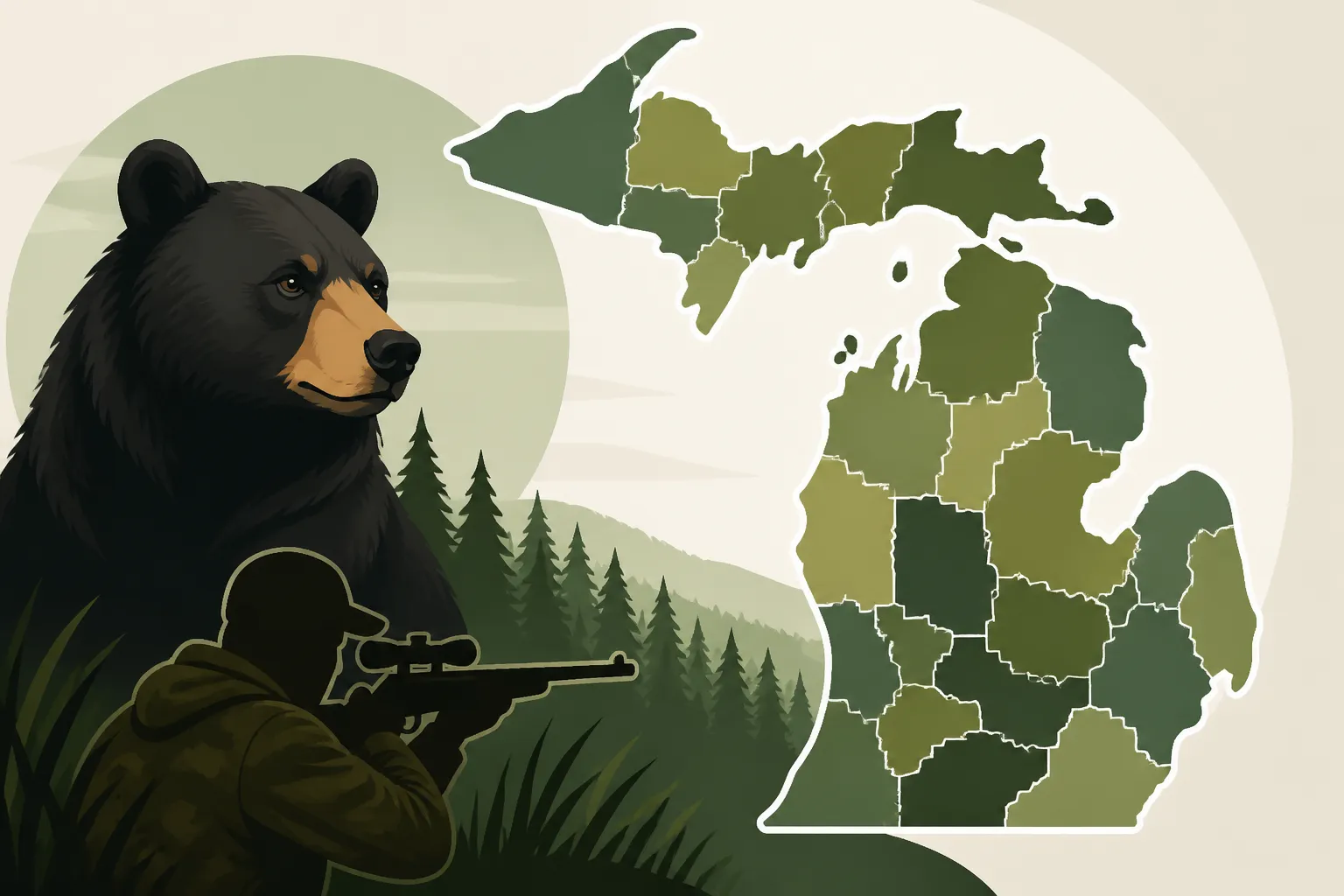
Michigan's BMUs are essentially large hunting zones, each with its own specific boundaries, typically defined by major roads, rivers, or county lines. These boundaries are crucial because they dictate where your bear license is valid. If you draw a tag for the Red Oak BMU, for instance, you cannot legally hunt bear in the Baldwin BMU, even if they're adjacent. This geographical structure ensures that the quotas set for each unit are respected and that harvest data can be accurately collected and analyzed for that specific region.
Generally, Michigan is split into two major bear hunting regions: the Upper Peninsula and the Northern Lower Peninsula. Within these larger regions, smaller, more specific BMUs are delineated. The Upper Peninsula, with its vast tracts of wilderness and lower human population density, often supports larger, more contiguous bear populations, leading to some of the most sought-after units. The Northern Lower Peninsula, while still wild in many areas, has a more fragmented landscape, with a mix of state land, private timber holdings, and agricultural areas. The BMUs here reflect that varied landscape, and managing them often involves different considerations, such as a greater focus on minimizing human-bear conflicts in areas closer to development. It’s always important to consult the current DNR regulations and maps to confirm exact boundaries before applying or hunting, as these can occasionally shift.
Navigating the Michigan Bear Drawing Process
Drawing a Michigan bear license is not guaranteed; it’s a competitive process that relies heavily on a preference point system. Many hunters, myself included, have spent years accumulating points, hoping that this will be the season their number finally comes up. Understanding this system is absolutely critical to increasing your odds of landing a coveted bear tag.
Preference Points: Your Ticket to the Hunt
Michigan's bear license drawing uses a preference point system designed to reward loyal applicants. Here's how it works: every year you apply for a bear license and are unsuccessful in the drawing, you accrue one preference point. These points accumulate over time, and the more points you have, the better your chances are in subsequent drawings. Essentially, the pool of licenses for each BMU is first offered to applicants with the most preference points. If there are more applicants with the maximum points than available licenses, a random drawing occurs among those high-point applicants. Any remaining licenses are then offered to the next highest point group, and so on, until all licenses are allocated.
This system means that if you're a new applicant, your odds of drawing a license in a highly popular unit like the Red Oak or Baraga BMU are very slim in your first few years. It's a marathon, not a sprint. You can choose to apply for a license in a less popular unit with fewer points needed, or you can commit to building points for a dream hunt in a prime location. You also have the option to apply for points only without applying for a license, which adds a point to your tally without putting you in the drawing for that year. This is a smart strategy for hunters who know they won't be able to hunt a specific year but want to continue building points. Many hunters use resources like GoHunt to analyze past draw odds and understand how many points are typically needed for specific units, which can really help refine your long-term strategy. The Michigan Bear Preference Points system is complex, but mastering it is key.
Application Periods and Results
The bear license application period typically opens in the spring, often around May 1st, and closes in early July. It's crucial to mark these dates on your calendar because missing the application window means missing out on a chance to hunt that year and, more importantly, missing a chance to earn another preference point. You can apply online through the Michigan DNR's E-License system, or sometimes through authorized license retailers. When applying, you'll indicate your first and second choice BMUs, along with your preferred hunt period (if applicable, as some units have multiple periods).
Results for the bear drawing are usually announced in late July or early August. You'll typically receive an email notification, or you can check your status directly on the DNR website. The suspense of waiting for those results is something every bear applicant knows well! If you're lucky enough to draw a tag, congratulations! You then have a specific window to purchase your license. Failure to purchase within that window will result in forfeiture of your tag, and it won't be reallocated, so don't let that opportunity slip away. The Michigan Bear Licence Drawing process is meticulous, so careful attention to deadlines is paramount.
Key Bear Management Units Across Michigan
Michigan offers a diverse range of bear hunting experiences, from the vast wilderness of the Upper Peninsula to the more mixed habitats of the Northern Lower. Each BMU presents its own unique challenges and opportunities, influenced by terrain, habitat, and bear population density.
Upper Peninsula BMUs: Big Woods, Big Bears
The Upper Peninsula (U.P.) is renowned for its expansive, rugged wilderness and is often considered the heart of Michigan's bear country. BMUs here, like the Baraga, Bergland, Carney, and Gwinn units, cover vast stretches of national and state forest land. These are truly "big woods" hunts, characterized by dense conifer swamps, vast hardwood ridges, and remote logging roads. The bear populations here are generally robust, and the solitude of the U.P. backcountry is a major draw for many hunters. You'll find a mix of opportunities for both baiting and Spot-and-Stalk Bear in the Upper Peninsula here, though successful spot-and-stalk hunting requires immense patience and knowledge of bear habits.
Hunting in these U.P. units often means dealing with challenging terrain, thick cover, and the possibility of traveling significant distances on foot. Access can be limited to two-tracks and seasonal roads. However, the reward can be substantial, with the potential for encountering mature bears in their natural environment. Hunters often set up bear camps, spending days immersed in the hunt. Understanding the movements of deer in these remote areas, as detailed in guides like Hunting the Michigan Upper Peninsula for Deer, can also sometimes offer clues to bear activity, as both species often utilize similar cover and food sources. The remoteness also means less human pressure in many areas compared to the Lower Peninsula, offering a truly wild experience. For those seeking a wilderness adventure and strong bear numbers, the U.P. BMUs are often the top choice.
Northern Lower Peninsula BMUs: Growing Opportunities
The Northern Lower Peninsula (NLP) also offers excellent bear hunting, with its own distinct characteristics. Units like Red Oak, Baldwin, and Gladwin feature a mix of state forest lands, private timber, and agricultural areas. While perhaps not as vast and wild as the U.P., these units boast healthy bear populations, especially in recent years as bears have expanded their range. The habitat here often includes larger swamps, oak ridges, and areas with plentiful soft mast (berries, wild apples) and hard mast (acorns), which are critical food sources for bears. Hunters in these units often utilize both baiting and still-hunting techniques, adapting to the more fragmented landscape.
Access in the NLP BMUs can be a bit easier than the U.P. due to a denser road network, but this can also mean higher hunting pressure, especially around accessible public land. Finding secluded pockets where bears feel secure is key. Many NLP units have seen increasing bear populations and harvest quotas over the last decade, making them viable options for hunters who might have fewer preference points or prefer to hunt closer to home. The dynamics of hunting in these areas can be different, often involving scouting for active food sources in a more varied landscape, which can be explored further in topics like Northern Lower Peninsula. The expanding range of bears in the NLP also means new challenges for wildlife management, ensuring healthy bear populations thrive alongside human communities.
Challenges and Considerations in Specific BMUs
Every BMU comes with its own set of challenges. In the U.P., the sheer scale of the landscape and the dense cover can make finding bears and, more importantly, recovering them after a shot, incredibly difficult. Weather can also be a major factor, with early season hunts experiencing warm temperatures and thick vegetation, while later seasons can bring cold rain or early snow. Understanding the unique habitat of specific Upper Peninsula Big Woods Counties is vital. In the NLP, balancing hunting pressure with public access and fragmented habitat is a constant consideration. Some units might be heavily baited, while others might lend themselves more to spot-and-stalk or still-hunting tactics.
Hunters need to research the specific BMU they are interested in. Factors like available public land, known bear densities, and past harvest success rates are all important. Some units might have higher quotas but also attract more hunters, leading to lower individual success rates. Conversely, a unit with a lower quota might have fewer hunters, potentially increasing your personal odds once you draw a tag. Using mapping tools like those offered by GoHunt or the DNR's Mi-HUNT system to scout unit boundaries, access points, and habitat features remotely can save a lot of time and effort once you get on the ground. Staying informed about the latest regulations for your chosen unit, including Michigan Bear Season Dates by Unit, is also non-negotiable.
Here's a quick overview of a few prominent Michigan Bear Management Units:
| BMU Name | General Region | Primary Habitat Type | Typical Hunt Style | Notes |
|---|---|---|---|---|
| Baraga | Western Upper Peninsula | Dense Mixed Conifer/Hardwood Forests | Baiting, Still-Hunting | Renowned for large bears, challenging access. High preference points needed. |
| Red Oak | Northern Lower Peninsula | Mixed Forests, Swamps, Oak Ridges | Baiting, Still-Hunting | Popular, good bear numbers, more fragmented public land. |
| Bergland | Western Upper Peninsula | Remote Forests, Timber Lands, Bogs | Baiting, Spot-and-Stalk | Vast wilderness, lower hunter density, excellent bear habitat. |
| Baldwin | Northern Lower Peninsula | Pine Forests, Oak/Aspen Stands, Agriculture | Baiting | Moderate points, good opportunities, especially with private land access. |
| Gwinn | Central Upper Peninsula | Mixed Forest, Extensive Public Land | Baiting, Still-Hunting | Consistent bear populations, good mix of terrains. |
| Gladwin | Northern Lower Peninsula | Farmland Edges, Woodlots, Swamps | Baiting, Still-Hunting | Increasingly popular, good for those closer to Southern Michigan. |
Strategies for Applying to Michigan BMUs
With limited tags and high demand, a well-thought-out application strategy is paramount for drawing a Michigan bear license. It's not just about accumulating points, but also about knowing how to best use them.
Analyzing Draw Odds and Harvest Data
Before you even think about putting in your application, you should dive into the data. The Michigan DNR publishes annual draw odds and harvest reports that are an invaluable resource. These reports detail how many applicants applied for each unit, how many preference points the successful applicants had, and the overall success rate for hunters in each unit. This information is a goldmine for strategizing. For instance, if you see that a particular unit required 8-10 preference points for a resident to draw a tag last year, and you only have 3, you know your chances are slim. You can then adjust your strategy: either choose a less competitive unit or commit to accumulating more points for your preferred unit over the next few years.
Many third-party platforms and apps, such as GoHunt, also aggregate and analyze this data, presenting it in an easy-to-understand format. They can help you visualize the trends in preference points required, success rates, and even the size of bears harvested in each unit. This deeper dive allows you to make an informed decision, rather than just guessing. You can look at the historical data to identify units where the required points have been consistently lower, or units that show an upward trend in bear numbers and hunter success, making them a "sleeper" choice. Remember, draw odds are historical data, not a guarantee, but they are the best tool we have for predicting future outcomes.
Choosing the Right BMU for Your Hunting Style
Your choice of BMU shouldn't just be about draw odds; it should also align with your preferred hunting style and capabilities. Are you someone who enjoys the solitude and rugged challenge of a deep woods hunt, willing to pack in a bait site and sit for hours? Or do you prefer to actively Spot-and-Stalk Bear in the Upper Peninsula, covering miles of ground each day? Perhaps you're keen on Baiting Bears in the Upper Peninsula and the intensive preparation that entails. Each BMU offers different terrain and habitat that might favor one method over another.
For instance, if you prefer baiting, you'll want to choose a unit with good bear density and reasonable access for setting up and tending bait sites. Units with mixed private and public land, or those with extensive logging roads, might be more conducive. If you're a still-hunter, units with varied terrain, good visibility in certain areas, and consistent mast crop production might be more appealing. Consider your physical fitness, the amount of time you can commit to scouting and hunting, and your comfort level with different types of terrain. Don't forget to consider how you plan on getting your bear out once you harvest it. A bear taken miles deep in a U.P. swamp requires a very different recovery plan than one taken near a two-track in the Lower Peninsula. Thinking through these practicalities beforehand will greatly enhance your overall hunting experience, regardless of where you draw a tag.
Michigan Bear Management Unit Regulations and Changes
The regulatory landscape for bear hunting in Michigan is dynamic. BMU boundaries, quotas, and even legal hunting methods can change from year to year, so staying current is not just important for success, but for legal compliance.
Understanding Quotas and Licence Allocation
Each BMU has an annual quota, which is the maximum number of bear licenses that can be issued for that unit. This quota is determined by the DNR based on population estimates, harvest data from previous seasons, and management objectives for that specific area. For instance, if a unit's bear population has seen a decline due to a harsh winter or other factors, the DNR might reduce the quota to allow the population to rebound. Conversely, a booming population might lead to an increase in available tags. These quotas directly impact your draw odds; a unit with 100 tags will naturally be harder to draw than one with 500, assuming similar applicant numbers.
Beyond the overall quota, licenses are also allocated into different hunt periods within some units. For example, a unit might have an early archery period, a general firearm period, and a late archery/muzzleloader period. Each period will have its own sub-quota, further segmenting the available tags. This structure allows the DNR to spread out hunting pressure throughout the season and to target specific harvest goals at different times of the year. For hunters, it means you need to decide not only which unit to apply for, but also when you want to hunt within that unit. Your choice might depend on when you can take time off, your preferred weapon (bow, firearm), or when you believe the best hunting conditions will be. These details are critical to consider when you fill out your application, as a tag for one period is not valid for another.
Staying Informed About BMU Boundary Shifts and Rules
One of the most challenging aspects of hunting in Michigan, particularly for species managed with units, is keeping up with regulatory changes. BMU boundaries are generally stable, but they can occasionally shift due to land acquisitions, changes in road infrastructure, or updated management strategies. What was part of the Red Oak BMU last year might technically be in Baldwin this year. These changes, though infrequent, can have significant implications for where you plan to hunt. Similarly, rules regarding baiting, firearm restrictions, or even the Michigan Bear Season Dates by Unit can be tweaked year-to-year.
The best way to stay informed is to regularly check the Michigan DNR website, especially in the months leading up to the application period and the hunting season. They publish annual hunting digests that detail all regulations, boundary maps, and any changes from the previous year. Signing up for DNR email alerts can also be a good way to receive timely notifications about application deadlines, drawing results, and important regulation updates. Never assume that the rules are the same as last year. Taking a few minutes to verify current regulations can save you a lot of headaches, or even legal trouble, down the road. Remember, ignorance of the law is not an excuse.
Successful Bear Hunting Within Your Chosen BMU
Drawing a bear tag is just the beginning. The real work starts with scouting, understanding bear behavior, and employing the right tactics for your specific BMU.
Scouting and Habitat in Different BMU Types
Effective scouting is paramount for bear hunting, and it varies depending on the BMU type. In the vast, remote units of the Upper Peninsula, scouting might involve poring over aerial maps for days, identifying potential travel corridors, secluded bedding areas, and natural food sources like wild berry patches or oak ridges. Finding water sources like small streams or beaver ponds in dry years can also be critical. Ground scouting usually means covering a lot of ground, often on foot, looking for scat, tracks, rubbed trees, and active feeding areas. Understanding the general habits of Where Michigan Black Bears Live is a great starting point, but refining that knowledge to your specific unit is essential.
In the Northern Lower Peninsula, scouting might also involve checking agricultural fields for signs of bears feeding on corn or oats, or locating areas with significant mast crops. Since the landscape is often more fragmented, identifying escape cover near food sources becomes crucial. Hunters might use trail cameras more extensively in these areas to monitor bear activity and patterns without disturbing the area. Regardless of the BMU, identifying transition areas – where different habitat types meet – is often productive, as bears frequently travel these edges. Pay attention to changes in elevation, creek bottoms, and dense thermal cover where bears might bed during the day.
Tactics for Baiting and Still-Hunting in BMUs
The two most common methods for hunting bears in Michigan are baiting and still-hunting. Both require different approaches within the context of a BMU.
For those who choose to bait, understanding the specific rules for Baiting Bears in the Upper Peninsula (or NLP, where baiting is currently restricted in some areas) is critical. Setting up a successful bait station involves far more than just tossing out some doughnuts. You need to consider location (proximity to bedding areas, travel corridors, water), concealment of your stand or blind, and the prevailing winds. Bears are incredibly smart and have an exceptional sense of smell, so attention to scent control is vital. Consistency in refreshing your bait, often every few days, is also key to holding bears in your area. Using trail cameras at bait sites can help you pattern bears, identify individual animals, and determine prime hunting times.
Still-hunting for bears, on the other hand, is a more active and challenging pursuit. It involves slowly and deliberately moving through prime bear habitat, looking for fresh sign and trying to intercept a bear as it goes about its daily routine. This method is often employed by hunters who prefer a more traditional, less static hunt, or in units where baiting is prohibited or less effective. In dense cover, moving quietly, paying attention to wind direction, and frequently stopping to scan and listen are crucial. Focusing on areas with known food sources or thick bedding cover can increase your odds. Guides on topics like How Many Michigan Black Bears There Are can provide insight into population dynamics, but successful still-hunting boils down to patience, stealth, and an intimate knowledge of the terrain and local bear habits. Whichever method you choose, ethical Shot Placement on a Black Bear is always paramount.
Disclaimer
Please remember that hunting regulations, seasons, and unit boundaries are subject to change. Always consult the most current Michigan Department of Natural Resources (DNR) hunting digests and regulations before planning your hunt or applying for licenses. This guide is for informational purposes only and does not supersede official DNR publications.