Michigan Bobcat Permit and Tagging
Michigan bobcats are magnificent, elusive creatures that offer one of the most challenging and rewarding hunting experiences our state has to offer. But for many aspiring bobcat hunters, the process of obtaining the necessary permits and understanding the intricate tagging and reporting requirements can feel like navigating a dense cedar swamp without a compass. This comprehensive guide aims to illuminate every step, ensuring you’re well-prepared for a successful and legal bobcat hunt in the Great Lakes State.
The Allure of Michigan Bobcats and Why Permits Exist
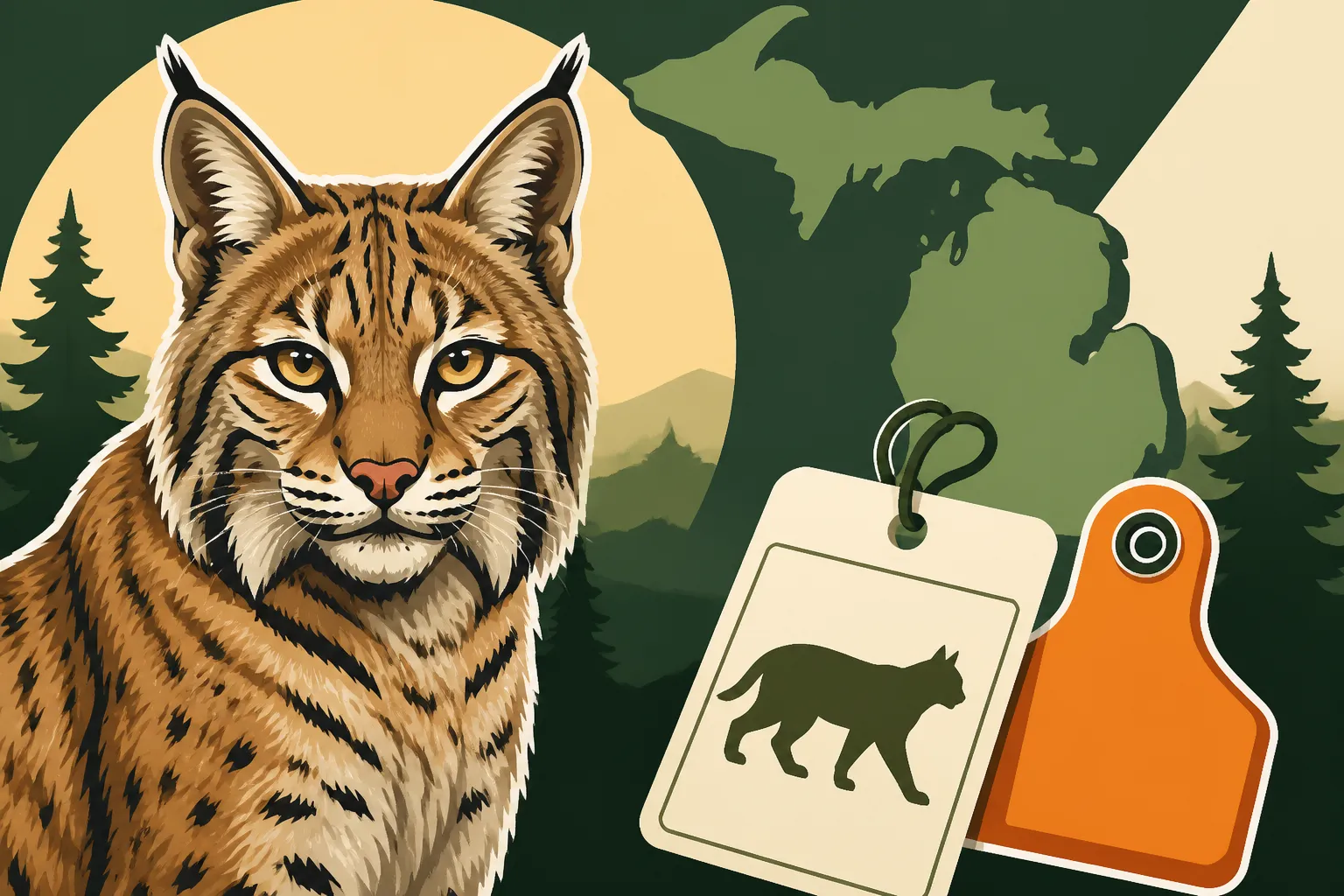
There’s something truly special about the Michigan bobcat. These secretive and incredibly adaptable felines embody the wild spirit of our state's northern landscapes, making them a highly sought-after trophy for many furbearer hunters. From the snow-covered forests of the Upper Peninsula down through the thick coverts of the northern Lower Peninsula, bobcats roam, honing their silent hunting skills on small game like rabbits and grouse. Their beautiful, spotted coats and piercing yellow eyes make them undeniably captivating, but it’s their elusive nature and cunning intelligence that truly elevates the challenge of pursuing them.
A Glimpse into Michigan's Elusive Hunter
Unlike deer or even turkeys, bobcats aren't typically seen casually crossing fields or strutting into open clearings. They are masters of concealment, preferring dense thickets, cedar swamps, and rocky outcrops where they can remain hidden from prying eyes. This preference for heavy cover means that successfully hunting a bobcat often requires immense patience, sharp tracking skills, and a deep understanding of their habitat and behavior. Hunters might spend countless hours scouting, setting up calls, or even employing hounds, only to catch a fleeting glimpse of this phantom-like predator. The sheer difficulty adds to the satisfaction when a permit holder finally connects with one.
Their diet primarily consists of small mammals such as rabbits, squirrels, and mice, but they are opportunistic predators and will also take birds like ruffed grouse and even young deer or fawns when the opportunity arises. This adaptability allows them to thrive in various Michigan habitats, from the vast stretches of coniferous forests in the U.P. to the mixed hardwoods and swamp edges of the northern Lower Peninsula. Understanding these habits is key to even hoping to cross paths with one.
For many, bobcat hunting is more than just harvesting an animal; it's an immersive experience in Michigan's wild heart. It demands a hunter to become attuned to the subtle signs of the forest, to read tracks in the snow, and to understand the intricate dance between predator and prey. It's a hunt that tests skill, perseverance, and respect for one of our wildest native species.
Why Michigan Manages Bobcat Harvest with Permits
Given their elusive nature and the strong desire among hunters to pursue them, the Michigan Department of Natural Resources (DNR) employs a strict permit and lottery system to manage the bobcat harvest. This isn't about restricting access arbitrarily; it's a carefully calculated strategy to ensure the long-term health and stability of Michigan's bobcat population. Without proper regulation, even a small increase in hunting pressure could have disproportionate effects on these sensitive populations, especially in areas where densities might be lower.
The permit system allows the DNR to control the number of bobcats harvested annually. By issuing a limited number of permits in specific Bobcat Management Units (BMUs), they can prevent overharvesting and maintain a sustainable population. This method is similar to how the state manages other coveted species like elk and bear, where conservation relies heavily on precise harvest control. It's a testament to the DNR's commitment to scientific wildlife management and ensuring that future generations of Michigan hunters will also have the opportunity to pursue these incredible animals.
Furthermore, every permit issued and every bobcat tagged and registered provides invaluable data to wildlife biologists. This data, which includes information on age, sex, and location of harvest, helps the DNR monitor population trends, assess the health of the bobcat population, and make informed decisions about future hunting seasons and permit quotas. It’s a crucial feedback loop where hunters play an active role in conservation, directly contributing to the knowledge base that guides sound wildlife management practices.
Navigating the Michigan Bobcat Permit Application Process
Successfully hunting a bobcat in Michigan begins long before you ever step foot in the woods; it starts with understanding and navigating the permit application process. This involves familiarizing yourself with specific management units, application deadlines, and the unique drawing system the state employs.
Understanding Bobcat Management Units and Seasons
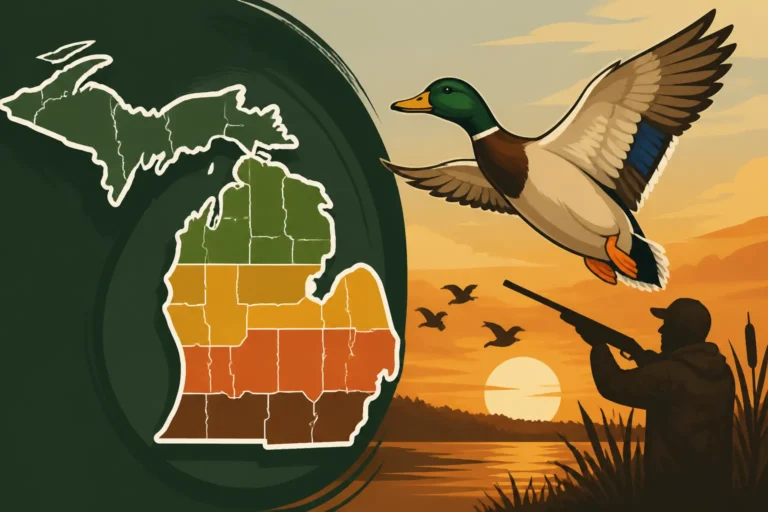
Michigan is divided into several Bobcat Management Units (BMUs), which are specific geographical areas where bobcat hunting is permitted. These units are established based on bobcat population densities, habitat availability, and historical harvest data. It's absolutely critical to understand which BMU you intend to hunt in, as season dates, permit quotas, and even specific rules can vary significantly from one unit to another. The most up-to-date information on BMU boundaries, season dates, and any special regulations will always be found in the current year's Michigan Small Game and Furbearer Seasons digest published by the DNR. This document is your bible for any furbearer hunting in the state.
Generally, bobcat hunting is concentrated in the northern regions of Michigan, with robust populations found across the Upper Peninsula and in certain parts of the northern Lower Peninsula. For example, some units might have longer seasons or higher permit allocations due to healthier populations, while others might be more restricted. These designations are not static and can be adjusted year-to-year based on population surveys and management goals. Always consult the official DNR regulations each season to ensure you are hunting legally within your chosen BMU.
Understanding these units also helps in your scouting efforts. Knowing the specific boundaries allows you to focus your attention on areas known to hold bobcats and to avoid mistakenly hunting in a closed area or during an unauthorized period. It's a foundational piece of knowledge that every serious bobcat hunter must possess.
Applying for Your Bobcat Permit and Drawing Odds
The application process for a Michigan bobcat permit is typically handled online through the DNR's e-License system. There are specific application periods each year, and missing these deadlines means you miss your chance for the season. Be sure to mark your calendar well in advance! When applying, you will select the Bobcat Management Unit (BMU) you wish to hunt in. It’s essential to be aware that Michigan does not currently use a preference point system for bobcat permits; instead, it's a random drawing or pure lottery. This means everyone who applies has an equal chance, regardless of how many times they've applied in the past. While this can be frustrating for those who've applied for years without success, it also means a first-time applicant has as good a shot as anyone else.
The number of permits issued for each BMU is limited, reflecting the DNR's commitment to sustainable population management. This often makes drawing a bobcat permit a competitive endeavor, especially in highly sought-after units. Once the application period closes, the DNR conducts the drawing, and applicants are notified of their results, usually accessible through their online e-License account. It's a nervous wait for many, but the excitement of seeing that you've drawn a tag is unparalleled.
Even though it’s a lottery, a smart hunter will do their homework on which units might offer slightly better odds based on historical data, though this can be difficult to predict precisely year to year. Keep an eye on DNR press releases or wildlife committee meeting notes for any discussions regarding permit numbers. Using advanced mapping tools, such as those that can be integrated with GoHunt, can help you visualize BMU boundaries, identify public lands within those units, and even pinpoint potential habitat long before the application process even begins, giving you a strategic edge in your planning.
Hunter Orange and Other Gear Considerations
While bobcat hunting is primarily a furbearer pursuit, Michigan's general hunting regulations apply, including those related to hunter orange. During any firearm deer season, or any open firearm season for bear, elk, or moose, hunters are required to wear hunter orange as specified by Michigan Hunter Orange Rules. Even if you're not specifically targeting deer, if you are hunting bobcats during these overlapping periods, you must comply. This means wearing at least 50% hunter orange on your outermost garment, visible from all sides. Always double-check the current regulations, as safety is paramount in the field.
Beyond safety orange, the gear you choose will significantly impact your success and comfort. Bobcats are typically hunted in cold weather, often with snow on the ground, making warm, layered clothing absolutely essential. Good quality thermal base layers, insulated mid-layers, and a waterproof/windproof outer shell are critical. Footwear must be warm, waterproof, and provide excellent traction for traversing snowy or icy terrain – think insulated rubber boots or high-quality hiking boots. When it comes to firearms, many hunters use smaller caliber rifles like a .22-250 or .223 for calling scenarios, or shotguns with appropriate loads if hunting with dogs in thicker cover. Archery equipment is also an option for those who prefer it. Regardless of your weapon choice, ensure it's legal for furbearers in your chosen BMU and that you are proficient with it. Optics like a good pair of binoculars are also invaluable for spotting subtle movements or identifying tracks from a distance, and a quality headlamp is crucial for navigating pre-dawn or post-dusk movements, especially when tracking.
The Critical Steps: Tagging and Reporting Your Michigan Bobcat
Successfully harvesting a bobcat is just the first step in a series of mandatory actions for Michigan hunters. The DNR has specific and strict requirements for tagging and reporting your bobcat, which are crucial for both legal compliance and valuable wildlife data collection.
Immediate Requirements After a Successful Harvest
The moment you harvest a bobcat, your responsibilities immediately shift to the legal requirements. First and foremost, you must immediately validate and attach your kill tag to the bobcat's hide. This tag, which comes with your permit, must be securely affixed to the animal. The specific instructions for tagging are usually printed on the permit itself or detailed in the current Michigan Small Game and Furbearer Seasons digest. This tag is the legal proof that the bobcat was taken by a licensed hunter with a valid permit. Failure to immediately tag your bobcat is a serious violation and can result in significant penalties.
It is also generally required that the bobcat carcass remains intact, or at least the hide and skull, until it has been officially registered with the DNR. This means avoiding field dressing practices that remove the head or significantly alter the hide. The integrity of the animal is important for DNR staff to collect necessary biological data during the registration process. This intact carcass rule also ties into Michigan Carcass Transport Restrictions, which are primarily aimed at preventing the spread of diseases like CWD in deer, but the principle of proper transport and handling applies across species to ensure responsible wildlife management. Keep the bobcat cool and protected during transport, especially if you have a drive ahead of you.
Official DNR Registration and Sealing
This is perhaps the most critical step after harvesting your bobcat. Within a specific timeframe, typically five days of harvesting, you are legally required to present your bobcat carcass, or at least the intact hide and skull, to a DNR wildlife staff member for official registration and sealing. You cannot keep the bobcat or prepare the hide for taxidermy or tanning until this process is completed. You can find a list of designated DNR offices or check stations that perform bobcat sealing on the DNR website or in the annual hunting digest.
During registration, a DNR representative will examine the bobcat, collect biological data such as sex, age (often by examining teeth), and weight. This information is incredibly important for the DNR's ongoing Michigan Wildlife Disease Monitoring and population assessments. After the data is collected, a special seal will be affixed to the bobcat's hide. This seal is proof that the animal was legally harvested and registered. Without this official seal, the hide cannot be legally possessed, bought, sold, or transported. This seal is crucial for any future use of the hide, whether for personal use or commercial purposes. Don't skip this step!
If, for some reason, you anticipate difficulty meeting the five-day deadline (e.g., due to extreme weather, remote hunting location, or travel issues), it is imperative to contact a Michigan conservation officer immediately to explain your situation and seek guidance. Proactive communication is always better than facing a violation charge.
Understanding Carcass Transport and Disease Concerns
After your bobcat has been officially registered and sealed by the DNR, you can then proceed with further processing, whether it's preparing it for taxidermy or tanning the hide. When transporting the sealed bobcat, especially if you're traveling a significant distance or out of state, always carry your permit and proof of registration. This will avoid any potential issues with law enforcement who might be checking for compliance. While not a primary carrier of Chronic Wasting Disease (CWD), bobcats, like all wildlife, can be susceptible to various health issues. It's always wise to be informed about Wildlife Diseases Michigan Hunters Watch in general.
During the handling of any wild animal, including a bobcat, it's prudent to take basic health precautions. Wear gloves when field dressing or handling the carcass, and wash your hands thoroughly afterward. While relatively rare, bobcats can carry diseases like rabies, mange, or parasites. If you observe any signs of illness in the bobcat you harvest, such as unusual behavior, lesions, or excessive parasites, it is important to contact the DNR to Reporting a Sick Animal in Michigan. This information is vital for disease surveillance and helps the DNR monitor the health of our wildlife populations. Being a responsible hunter means not just following the rules, but also contributing to the health of the resource.
| Step | Action | Notes |
|---|---|---|
| 1. Obtain License | Secure a valid Michigan hunting license (Base License). | Essential prerequisite for any hunting in MI, including furbearers. Refer to Michigan Hunting Licences and What They Cost. |
| 2. Apply for Permit | Apply for a bobcat permit through the DNR e-License system. | Observe specific application periods and deadlines for your chosen BMU. No preference points are used for bobcats. |
| 3. Consult Regulations | Thoroughly review the current Michigan Small Game and Furbearer Digest. | Pay close attention to season dates, BMU boundaries, and specific rules. |
| 4. Hunter Safety | Ensure compliance with Michigan's Hunter Safety requirements. | Mandatory for new hunters. See Michigan Hunter Safety Requirement. |
| 5. Hunt Bobcat | Hunt only within your permitted BMU during the open season. | Adhere to legal hunting methods, shooting hours, and hunter orange requirements. |
| 6. Field Tag | Immediately validate and attach the kill tag to the hide after harvest. | Ensure the tag is securely affixed and filled out correctly. |
| 7. Register & Seal | Present the bobcat (hide & skull intact) to a DNR check station. | Must be done within 5 days of harvest. Essential for data collection and legal possession. |
| 8. Final Reporting | Complete any additional harvest reporting as required by the DNR. | Usually part of the registration process. |
Beyond the Permit: Ethical Hunting and Conservation
Hunting a Michigan bobcat is more than just navigating permits and seasons; it's a deep dive into the ethics of wildlife pursuit and a commitment to conservation. These aspects are as important as any regulation, shaping the reputation of hunters and the future of the resource itself.
Respecting the Resource and Fair Chase
Ethical hunting is about respecting the animal, the land, and the traditions of the sport. For bobcats, this means pursuing them with methods that ensure a quick, humane harvest and always adhering to the principles of fair chase. Bobcat hunting can involve various techniques, from still-hunting to calling or even using hounds, but regardless of the method, the goal is always a clean shot and minimal stress to the animal. Taking responsible shots and diligent tracking are paramount, especially given how tough these animals can be. Losing a wounded animal is a failure of responsibility that no ethical hunter wants.
Additionally, understanding and respecting the legal shooting hours, ammunition restrictions, and other regulations is fundamental. These rules aren't arbitrary; they are designed to provide a fair challenge to the hunter while protecting the wildlife resource. For example, knowing the nuances of Michigan State Forest Hunting Rules will help ensure your presence on public land is always compliant and respectful of other users and the environment. This commitment to doing things the right way, even when no one is watching, is what defines a true conservationist hunter.
Contributing to Michigan's Wildlife Management
As a bobcat permit holder, you become an active participant in Michigan's wildlife management efforts. Every piece of information you provide during the registration and sealing process directly contributes to the DNR's understanding of the bobcat population. This data helps biologists make informed decisions about future permit allocations, season lengths, and management strategies. Without accurate harvest data from hunters, the DNR would have a much harder time ensuring healthy, sustainable bobcat numbers.
Beyond mandatory reporting, there are other ways hunters can contribute. Participating in hunter surveys, reporting unusual wildlife sightings (like a sick animal), or even simply observing and sharing your experiences (like spotting a bobcat in an unexpected area) can provide valuable insights. Organizations like the Michigan Trappers Association and various conservation groups also play a vital role in habitat improvement and advocacy, often working closely with the DNR. By being an engaged and informed hunter, you are not just enjoying a privilege; you are fulfilling a responsibility to ensure that Michigan's wild places and elusive creatures, like the bobcat, thrive for generations to come. Tools and resources like GoHunt, while often focused on big game, can still be valuable in scouting and understanding the broader landscape, helping you become a more knowledgeable and effective steward of Michigan's diverse wildlife.
Disclaimer
This guide is intended for informational purposes only and does not supersede official regulations. Hunting rules and regulations, including those pertaining to bobcat permits and tagging, can change annually. Always consult the current year's Michigan Department of Natural Resources hunting digests and regulations before planning any hunting activity.