Michigan Deer Combo Licence Price
It can feel like you need a law degree just to understand what deer licenses to buy in Michigan, especially with all the different seasons, antler point restrictions, and various tag options. Hunters often get confused by the distinction between a "deer license" and a "deer combo license," or whether they even need a separate antlerless tag. This guide aims to clear up all that confusion surrounding the Michigan Deer Combo License price, breaking down what it costs, what it allows you to harvest, and how it fits into your hunting strategy so you can step into the woods with confidence.
Understanding the Michigan Deer Combo License
For many Michigan deer hunters, the Deer Combo License is the go-to option, offering flexibility and value for those who plan to pursue more than one deer during the various seasons. It's not just a single piece of paper; it's a package deal designed to streamline your hunting plans and ensure you have the proper tags for a successful hunt. However, understanding who can buy it and why it might be the best choice for you is the first step.
Who Can Purchase a Deer Combo License?
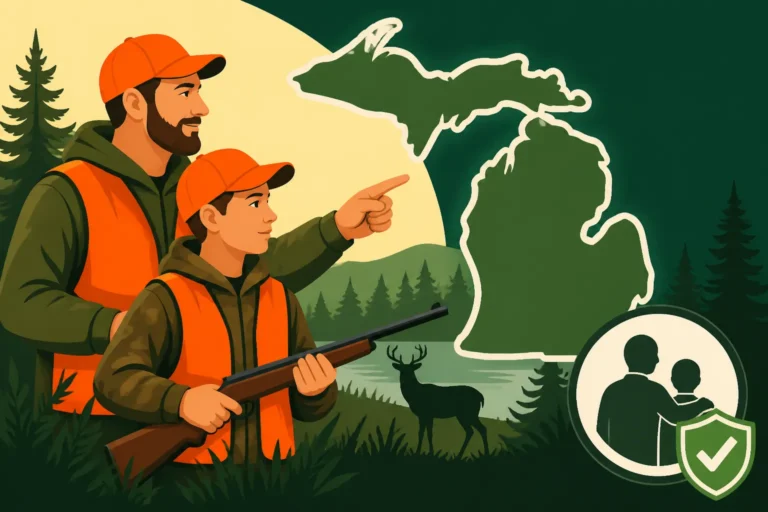
The Michigan Deer Combo License is available to both residents and nonresidents, though the pricing differs significantly between the two. To be eligible, you'll generally need to have completed a hunter safety course if born after January 1, 1960. For younger hunters, Michigan offers a fantastic Michigan Mentored Youth Licence Rules program, allowing those under 17 to hunt with a mentor without needing to complete hunter safety themselves, making it a great way to introduce the next generation to our outdoor traditions. While the youth license is a separate package, it's worth noting as an entry point for new hunters.
Residents of Michigan enjoy preferential pricing, a benefit of living in this beautiful state and contributing to its conservation efforts. Nonresidents are also welcome to hunt deer in Michigan, but they will find the license fees are higher, reflecting the state's investment in wildlife management primarily supported by resident funds. Regardless of residency, purchasing a base license is a prerequisite for buying any deer license, including the combo. The Michigan Base Licence Explained covers general hunting and small game and is the foundation for all big game pursuits here in Michigan.
Why Choose the Deer Combo License?
Opting for the Deer Combo License is often a strategic decision for hunters who want the flexibility to harvest two deer, particularly if they are interested in taking two antlered deer (where allowed by regulations) or a combination of antlered and antlerless deer. Imagine hunting during the Michigan Archery Deer Season Dates in October, hoping for a nice buck, and then heading out again for the Michigan Firearm Deer Season Dates in November. With the Combo License, you're set for both opportunities without having to purchase individual tags.
This license package really shines for those who want options. Perhaps you pass on a smaller buck during the early archery season, holding out for a bigger one later, but then decide to take an antlerless deer to fill the freezer. The combo license typically provides that versatility. It’s also often more cost-effective than buying two separate deer licenses, especially if you plan to hunt multiple times or aim for different types of deer during the season. It simplifies your tagging process, allowing you to focus more on scouting and less on administrative headaches.
Resident and Nonresident Pricing for the Deer Combo License
Let's get down to the brass tacks: what does this flexibility cost? The Michigan Department of Natural Resources (DNR) sets these prices annually, and while they can see minor adjustments, they generally remain consistent. It’s always a good idea to check the official DNR website or their Hunt Fish App right before the season, but here’s a breakdown of what you can expect.
Current Resident Deer Combo License Costs
For Michigan residents, the Deer Combo License offers significant value. As of the current season (and generally consistent for recent years), the resident Deer Combo License typically costs around $40. This price includes the required base license, making it a straightforward purchase. It's an excellent deal considering it provides two deer tags, often allowing for one antlered deer and one "restricted" deer, which can be antlered or antlerless depending on the specific Michigan Antler Point Restrictions by DMU in your hunting area.
To put this into perspective, if you were to buy a single "Deer License" (which typically allows for one antlered deer) and then later decided you needed an additional antlerless tag, you might end up paying slightly more in total, or at least lack the flexibility of the second deer license in the combo package. The combo license consolidates these needs into one simple purchase, meaning you can focus on strategizing your hunt, whether that's targeting a specific buck or simply putting meat in the freezer.
Nonresident Deer Combo License Costs and Considerations
For our friends visiting from out of state, the nonresident Deer Combo License comes with a higher price tag, which is standard practice in many states to reflect differing contributions to local conservation programs. A nonresident Deer Combo License typically costs around $190. This price also generally includes the nonresident base license fee. This is a substantial investment, but for many, the quality of Michigan's deer hunting, especially in areas with robust populations, makes it well worth it.
While the cost is higher, the value proposition for nonresidents is similar to residents: it provides the flexibility of two deer tags. If you're coming from another state, you're likely planning a dedicated trip, making the combo license an efficient way to maximize your hunting opportunities. Tools like GoHunt can be invaluable for nonresidents, not just for navigating license applications and fees, but also for researching various DMUs, understanding regulations, and scouting potential hunting grounds before you even pack your bags. They often provide breakdowns of license requirements and draw odds for other species too, helping you make the most of your hunting adventure in Michigan.
What the Michigan Deer Combo License Includes
The "combo" in Michigan Deer Combo License isn't just a marketing term; it genuinely refers to a package that provides multiple tags, each with specific uses and rules. Understanding what each part of your license allows you to do is paramount to staying legal and maximizing your hunting success.
Breakdown of Included Tags
When you purchase a Michigan Deer Combo License, you receive two distinct deer licenses. Historically, these have been known as the "Regular Deer License" and the "Restricted Deer License," though the exact nomenclature may vary slightly. The key is understanding their functionality:
-
Antlered Deer License (or "Regular" deer license): This tag typically allows you to harvest one antlered deer. An "antlered deer" generally means a deer with antlers extending 3 inches or more above the skull. However, this is where Michigan Antler Point Restrictions by DMU come into play. In many Deer Management Units (DMUs), this tag might be subject to a minimum antler point requirement (e.g., a "4-point or greater" rule). It's absolutely critical to know the specific APRs for the DMU you are hunting before you pull the trigger.
-
Deer License (or "Restricted" deer license): This second tag provides more flexibility. It can often be used for either an antlered deer or an antlerless deer, but it is almost always subject to APRs in designated DMUs. For example, in an APR unit, this "restricted" tag might require the antlered deer to have a certain number of points on one side, or it could be used for an antlerless deer. In non-APR units, it's generally more straightforward. This flexibility is what makes the combo license so popular, allowing hunters to fill their second tag based on opportunity and local regulations.
It’s crucial to remember that these tags are for different deer. You cannot use both tags on the same animal, and each harvested deer must be immediately validated and tagged according to Michigan DNR rules.
Rules for Using Your Combo Tags
Michigan has clear rules about how and when to use your deer tags, and adhering to them is non-negotiable. Once you harvest a deer, the appropriate tag from your combo license must be immediately validated by marking the date and time of kill. Then, it needs to be attached to the deer before moving it from the kill site. This process ensures accountability and helps the DNR monitor harvest data.
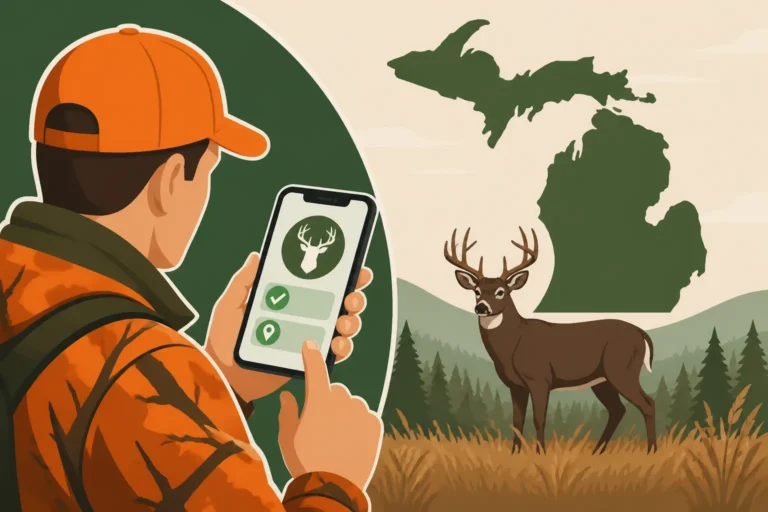
Furthermore, every successful hunter is required to Reporting a Michigan Deer Harvest within 72 hours of harvesting their deer. This can be done online through the DNR website or the Michigan DNR Hunt Fish App. This data is vital for wildlife biologists to assess deer populations, understand harvest trends, and make informed management decisions for future seasons. Your two combo tags can be used across Michigan's diverse deer seasons, from the early Bowhunting Michigan's Split Archery Season to the intense Michigan's November Firearm Deer Season and even the late Muzzleloader Deer Hunting in Michigan, provided the species and location comply with the specific tag's restrictions and the season is open. Just ensure you understand which tag to use for which deer based on its sex and antler configuration, and always be aware of the specific rules for your Michigan Deer Management Units.
Alternative Deer Hunting Licenses in Michigan
While the Deer Combo License is popular, it's not the only option for hunting deer in Michigan. Depending on your hunting goals and strategy, other licenses might be more suitable or complement your combo purchase. Understanding these alternatives helps you tailor your license package precisely to your needs.
Single Deer License Options
Michigan offers a "Deer License" which is a single tag, typically allowing for the harvest of one antlered deer. For residents, this license usually costs around $20. For nonresidents, it's roughly $170. This is a great option for hunters who only plan to harvest one antlered deer during the season or for those who might already have antlerless tags and don't need the second antlered opportunity provided by the combo.
This single deer license is also subject to the same Michigan Antler Point Restrictions by DMU as the combo's antlered tag. So, if you're hunting in a 3-point or 4-point unit, that's the minimum for your antlered buck. It's less flexible than the combo but more budget-friendly if you're absolutely certain you'll only take one antlered deer. It’s also often purchased as a supplemental tag by hunters who’ve already used their combo tags and find themselves with an unexpected opportunity, provided they haven't exceeded the statewide antlered deer limit.
Antlerless Deer Licenses
Dedicated Michigan Antlerless Deer Licences are crucial for deer population management and are a popular choice for hunters looking to fill their freezer with venison. These tags typically cost around $20 for both residents and nonresidents, making them an affordable way to add meat to the larder. The number of antlerless tags a hunter can purchase, and where they can be used, is highly dependent on the specific DMU and its antlerless quotas, which are set annually by the DNR to manage deer populations effectively.
These tags are often designated for either private land or public land use within specific DMUs, and it's vital to check the antlerless permit details for the area you plan to hunt. For instance, in some southern Michigan farm country, antlerless tags might be abundant to help control agricultural damage, while in the deep woods of the Upper Peninsula, they might be very limited. These licenses are a fantastic way to extend your season and contribute to healthy herd management, especially if you're hunting without bait in the Lower Peninsula, where finding deer on natural food sources can be key to success.
Michigan Deer License Comparison
To help you quickly compare your options and decide which license package is right for you, here's a handy table outlining the primary deer licenses available in Michigan. Prices are approximate for the current season and may vary slightly, but they provide a solid basis for planning.
| License Type | Resident Price (Approx.) | Nonresident Price (Approx.) | What it Includes | Common Use Case |
|---|---|---|---|---|
| Base License | $11 | $151 | Required for all hunting licenses; includes small game. | Foundation for any big game hunting; small game hunting. |
| Deer Combo License | $40 (incl. Base) | $190 (incl. Base) | Two deer tags: one antlered deer license (subject to APRs) and one flexible deer license (antlered or antlerless, subject to APRs/DMU rules). | Hunters wanting flexibility to harvest two deer, often one buck and a second buck or doe, across multiple seasons. |
| Deer License | $20 | $170 | One deer tag: typically for one antlered deer (subject to APRs). | Hunters planning to harvest only one antlered deer, or as an additional tag if the combo isn't enough for specific antlered goals. |
| Antlerless License | $20 | $20 | One antlerless deer tag, specific to a DMU and land type (public/private). | Hunters focused on harvesting does for meat or to contribute to herd management, often purchased in addition to a deer or combo license. |
| Mentored Youth | $7 (Package Price) | $7 (Package Price) | Includes tags for deer, small game, turkey, and more for hunters under 17 accompanied by a mentor (no hunter safety required for youth). | Introducing youth to hunting in a structured, affordable way. |
Please note: Prices are subject to change by the Michigan DNR. Always confirm current fees before purchase.
Disclaimer
The information provided in this guide is for general informational purposes only and is not intended as legal advice. Hunting regulations, license requirements, and fees in Michigan are subject to change. Always consult the official Michigan Department of Natural Resources (DNR) website or their most current hunting digests for the most accurate and up-to-date information before planning your hunt.