Michigan Turkey Unit ZZ Quota
Getting a Michigan turkey tag can feel like winning the lottery, especially when you're looking at the southern Lower Peninsula units with their super tight quotas. It's frustrating to plan your spring, dreaming of gobblers, only to miss out on a tag. But for those looking northward, the Upper Peninsula's Turkey Unit ZZ offers a completely different experience, often making it much simpler to secure a license and get out into the woods. This guide will walk you through everything you need to know about Unit ZZ, its unique "quota" system, and how to plan a successful hunt in Michigan's sprawling northern wilderness.
What Exactly is Michigan Turkey Unit ZZ?
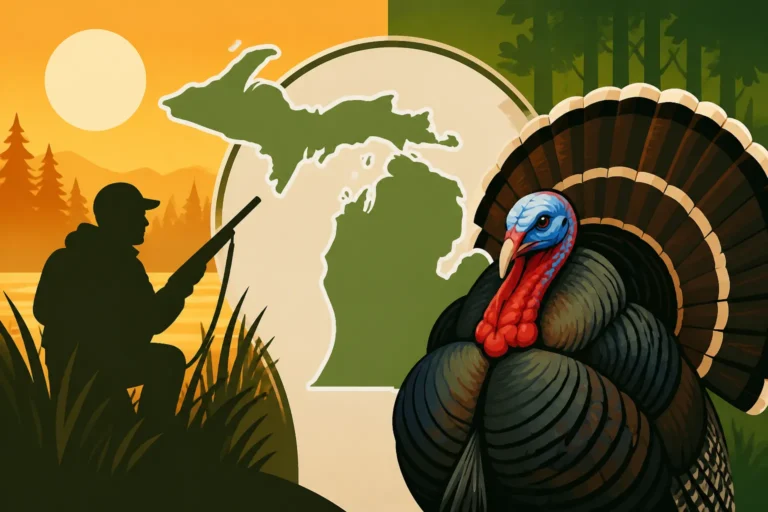
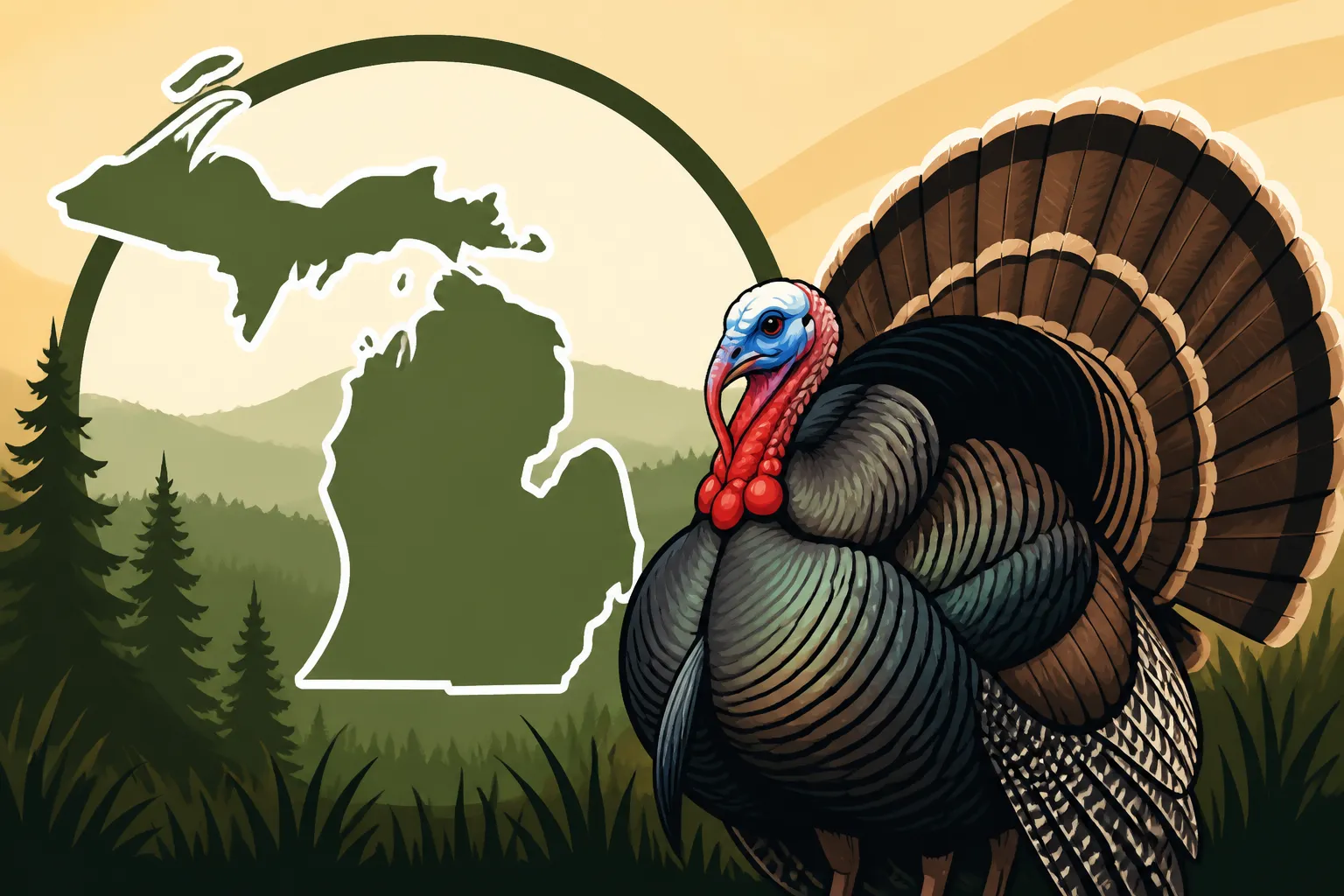
When we talk about Michigan turkey hunting, the state is divided into specific units to manage populations and hunting pressure effectively. Unit ZZ stands out significantly from the others. While the Lower Peninsula has units like "M" (mostly private lands and some public) and "NN" (public lands in the southern Lower Peninsula), Unit ZZ encompasses the entire Upper Peninsula. That's right, every single acre of huntable land north of the Mackinac Bridge falls into Unit ZZ.
This designation by the Michigan Department of Natural Resources (DNR) isn't arbitrary. It reflects the unique characteristics of the Upper Peninsula's turkey population and habitat. Unlike the more fragmented, agricultural landscape of much of the Lower Peninsula, the U.P. is characterized by vast tracts of state and federal forest land, rugged terrain, and a climate that can be much harsher on wildlife. Turkeys were historically less common in the U.P. than downstate, and their populations are still managed differently, resulting in this broad, singular hunting unit. The sheer scale and wildness of the U.P. mean hunters face different challenges and opportunities compared to those hunting in the more densely populated areas to the south.
Understanding the "Unlimited Quota" for Unit ZZ
Now, here's where Unit ZZ truly becomes a game-changer for many Michigan turkey hunters: it operates under an "unlimited quota" system for spring turkey licenses. If you've ever felt the sting of not drawing a coveted tag in Unit M or NN, this should be music to your ears. An unlimited quota means that if you apply for a spring turkey license in Unit ZZ, you are virtually guaranteed to receive one for one of the available hunt periods.
This is a stark contrast to the limited draw units where hundreds, if not thousands, of hunters might be vying for a few hundred tags in a specific hunt period. The DNR maintains this unlimited quota for the U.P. primarily because the wild turkey population, while thriving, is generally less dense than in the Lower Peninsula. The vast amount of public land and the lower overall hunting pressure in the U.P. also mean that an unlimited quota doesn't lead to overcrowding or unsustainable harvest levels. It's a management strategy designed to maximize opportunity for hunters while ensuring the long-term health of the turkey population.
While you are guaranteed a license for Unit ZZ, you still need to go through the application process if you want to secure a tag for a specific hunt period. The main application period for Michigan spring turkey typically opens in January and closes in early February. Results are usually available by early March. If you miss the application period, don't fret too much. Because the quota is unlimited, Unit ZZ tags are almost always available as leftover licenses, which can be purchased over-the-counter or online starting in mid-March, usually until the season ends. This flexibility is a huge benefit for hunters with unpredictable schedules. For up-to-date application deadlines and availability, many hunters find resources like the GoHunt app helpful in navigating the complex Michigan DNR portal, offering a clear path to understanding the requirements and applying successfully.
Here’s a quick comparison of Michigan’s spring turkey units:
| Unit Name | Geographic Coverage | Quota Type | Primary Habitat | Typical Hunting Pressure |
|---|---|---|---|---|
| Unit M | Most of Lower Peninsula (outside Unit NN public lands) | Limited Draw | Mixed farmland, woodlots, some public forests | High |
| Unit NN | Southern Lower Peninsula Public Lands | Limited Draw | Varied public lands, often near agricultural areas | Moderate to High |
| Unit ZZ | Entire Upper Peninsula | Unlimited | Vast forests (hardwood, conifer), some small farms | Low to Moderate |
Planning Your Hunt in Michigan's Upper Peninsula (Unit ZZ)
Hunting turkeys in the Upper Peninsula is an experience unlike any other in Michigan. The sheer vastness of the public land, the rugged beauty, and the often unpredictable spring weather present unique challenges and rewards. You won't typically find turkeys behind every other cornfield, but when you do locate them, the experience can be incredibly wild and satisfying. If you're used to hunting the fragmented landscapes of the southern Lower Peninsula, the U.P. requires a different mindset and approach.
One of the biggest challenges in Unit ZZ is simply covering ground and locating birds in such expansive timber. Unlike smaller parcels where you might have a good idea of where turkeys roost or feed, the U.P. demands serious scouting. Don't underestimate the size of the territory. Turkeys in the U.P. often range over much larger areas. Early spring scouting, before the foliage really pops, can reveal old droppings, tracks along logging roads, or dusting bowls in sunny clearings. Looking for suitable roost trees, typically large hardwoods or pines along ridges or near water sources, is always a great starting point. Consider reading up on Hunting Turkeys in Upper Peninsula Timber for more specialized advice on these vast woods.
The habitat in Unit ZZ is primarily mature mixed forests of hardwoods like maple, oak, and birch, interspersed with vast conifer swamps and pine stands. Turkeys here thrive where these different habitats meet, especially near old logging cuts, small clearings, or the edges of the limited agricultural fields that exist in parts of the U.P. During early spring, when snow can still be a factor, south-facing slopes and areas that catch the most sun will be crucial as they green up first and offer early insect activity.
Tactically, a "run-and-gun" approach often works well in the U.P. Rather than setting up in one spot and waiting all morning, be prepared to cover miles, listening intently for gobblers. Move slowly through the woods, stopping frequently to call, especially with a sharp shock call or locator call (owl hoot, crow call) to elicit a response. When you get a gobble, remember that U.P. birds can be less pressured and more willing to come to aggressive calling, but they can also be very henned up early in the season. Consider integrating what you know about Run-and-Gun Turkey Tactics on State Land to maximize your chances. Setting up quickly and quietly once a bird is located is paramount. They might be eager, but they're still wild birds in wild country.
Essential Gear and Regulations for Unit ZZ Success
To truly enjoy and succeed in your Unit ZZ turkey hunt, you'll need to be prepared for the elements and the terrain. Spring in the Upper Peninsula can swing wildly from warm, sunny days to cold, wet, and even snowy conditions, sometimes all within the same hunt period. Layering your clothing is non-negotiable. Start with good moisture-wicking base layers, add insulating mid-layers like fleece or wool, and top it with a waterproof and windproof outer shell. Good quality, waterproof boots with ankle support are essential for navigating potentially muddy logging roads, rocky terrain, and wet forest floors. Don't forget bug spray, especially as the season progresses into May and black flies and mosquitoes emerge.
When it comes to calls, don't overthink it. A versatile setup including a few diaphragm calls, a slate or glass call, and a box call will cover most situations. U.P. birds, being less pressured, might respond well to less subtle calls, especially when trying to locate them over long distances. Decoys can be effective, particularly a single hen or a breeding pair, but consider their practicality if you're planning on a mobile, run-and-gun hunt. A lightweight decoy that can be quickly deployed and packed away is ideal. For more insights on this, check out Turkey Decoys That Work on Pressured Birds or Turkey Calls Worth Carrying in Michigan.
Given the vast public land in Unit ZZ, reliable navigation tools are paramount. A GPS unit or a smartphone with a robust hunting app like GoHunt, which often includes offline maps, property lines, and satellite imagery, is invaluable. Always carry a compass and know how to use it as a backup. Being able to find your way back to your vehicle, especially after a long walk in unfamiliar timber, is a critical safety consideration. Additionally, remember to be mindful of your surroundings and other hunters, especially on popular state game areas. Knowing and adhering to Michigan's Michigan Hunter Safety Requirement is key for everyone's well-being.
Finally, always be aware of the general Michigan turkey hunting regulations. Legal shooting hours are from half an hour before sunrise to half an hour after sunset. You must use a shotgun or a bow and arrow. After you harvest a turkey, you are required to validate your kill tag and Reporting a Michigan Harvest in 72 Hours. This data helps the DNR manage turkey populations across the state, ensuring that future hunting opportunities remain robust.
Remember, a hunt in Unit ZZ isn't just about the gobbler; it's about the entire experience of being in Michigan's wild Upper Peninsula. Embrace the challenge, enjoy the solitude, and good luck out there!
Disclaimer
The information provided in this article is for general guidance only and is subject to change. Always consult the official Michigan Department of Natural Resources (DNR) hunting regulations and guidelines for the most accurate and up-to-date information before planning any hunting activity. Seasons, quotas, and rules can vary, and it is the hunter's responsibility to know and follow all applicable laws.