Hunting Turkeys in Upper Peninsula Timber
Hunting wild turkeys in the vast timberlands of Michigan's Upper Peninsula presents a unique and often humbling challenge. Unlike the open agricultural fields or fragmented woodlots of the Lower Peninsula, U.P. gobblers roam immense, unbroken tracts of forest, making them feel like ghosts in the trees. This comprehensive guide will arm you with the knowledge and tactics you need to unlock the secrets of these big woods birds, from understanding their behavior to executing effective calling and setup strategies.
Understanding U.P. Gobbler Habits in Vast Timber
Before you can even think about calling a gobbler, you need to understand the rhythm of his life in the expansive U.P. timber. These aren't your typical farm birds; their movements and patterns are dictated by the sheer scale of their environment and the availability of food and cover.
Roosting and Fly-Down Tendencies
U.P. gobblers, just like their southern cousins, typically roost in tall, sturdy trees, often pines, hemlocks, or large hardwoods that offer good visibility and protection from predators. However, in the vastness of the U.P., their roosting locations can be far more unpredictable. They might choose a ridge overlooking a swamp, or a cluster of mature trees deep within a hardwood stand. The critical difference here is the sheer density of potential roost sites, making pinpointing a consistent location a true challenge. They often fly down with less fanfare, landing quietly and quickly disappearing into the undergrowth, rather than pitching into an open field. This quiet departure from the roost means you need to be extremely close and set up well before first light. Understanding Where Michigan Gobblers Roost can give you a significant advantage, but remember that the "where" in the U.P. often means a thousand potential "wheres."
After flying down, their immediate goal is often to meet up with hens or head towards a primary feeding area. If you're too far from the roost, they'll often be out of earshot or already on the move before you can even get a setup. A gobbler in the U.P. doesn't feel the same pressure to move quickly to a food source that a farm bird might; they have abundant natural forage right under their feet. This means they can be more patient, often gobbling a bit on the roost to announce their presence, then hitting the ground and milling around for a while before deciding on a direction. Your window for an immediate morning setup might be smaller, but your opportunity for a patient mid-morning hunt could be longer if you can get on their travel route.
Feeding Patterns and Preferred Habitat
Food sources in the U.P. timber are varied and widespread, which can make locating turkeys more difficult than in agricultural areas. Unlike fields of corn or soybeans, U.P. turkeys rely on a mix of mast crops like acorns, beech nuts, and wild cherries, along with various insects, ferns, and tender new growth. They're not constrained to a specific field edge. Instead, they might be scratching around in a mature hardwood ridge one day, then disappear into a swamp edge to pick at grubs and new shoots the next. This constant shifting means that finding a consistent food source can be a frustrating endeavor. Areas with a good mix of mature timber and slightly more open understory, perhaps due to logging operations from a few years prior, can be particularly attractive as they offer both food and cover.
Water sources are also a key factor. While often abundant, knowing the preferred watering holes can offer another clue to their daily movements. Small seeps, flowing creeks, or the edges of beaver ponds can draw birds, especially on warmer days. Look for tracks along muddy banks or droppings near these areas. Over time, as you gain experience with Turkeys in the Upper Peninsula, you'll start to recognize the subtle changes in habitat that indicate a preferred feeding ground or travel corridor. Don't discount those vast cedar swamps or thick conifer stands; while they might not be primary feeding areas, they offer crucial thermal cover in spring and often serve as secure travel routes, especially when moving between different food sources or roosting sites.
Dealing with Pressure and Solitude
One of the beautiful aspects of hunting in the U.P. timber is the relative lack of human pressure compared to more populated areas of Michigan. While you might still encounter other hunters, especially on easily accessible public land, the sheer scale of the landscape means you can often find solitude if you're willing to walk a bit deeper. This lower pressure means U.P. gobblers can sometimes be more responsive to calling than birds that have heard every trick in the book by opening day. They might not be as "call shy," but they are often more wary due to natural predation and simply being wilder birds.
However, the solitude can also make them more self-reliant. They're not constantly listening for other turkeys or humans; they're more focused on their natural environment. This means your calls need to be convincing, and your setup needs to be impeccable. A gobbler that hears a distant hen call might be interested, but if he doesn't hear convincing follow-up or sees something amiss, he's just as likely to go about his business or circle wide around you. Success here relies on patience and confidence in your scouting and calling, knowing that you might not get an immediate response but that a bird could be slowly making his way in, unseen, for a long time.
Scouting Deep for Timber Turkeys
Effective scouting is the bedrock of success for U.P. timber turkey hunting. You can't just drive around looking for fields like in southern Michigan; you need to truly understand the lay of the land, often before the season even begins.
Pre-Season Digital Reconnaissance
Your scouting starts long before you ever step foot in the woods. Modern technology provides incredible tools for dissecting vast timberlands from the comfort of your home. Using satellite imagery and topographic maps is crucial. Platforms like GoHunt, or the Michigan DNR's Mi-HUNT tool, allow you to identify potential roosting areas (tall timber near water or ridges), travel corridors (ridges, old logging roads, creek bottoms), and feeding zones (hardwood flats, areas with recent logging). Look for changes in timber type, elevation contours that create natural funnels, and access points that allow you to get deep into public land with minimal disturbance. Using Michigan's Mi-HUNT Map is an excellent starting point for any hunter looking to understand public land boundaries and habitat types.
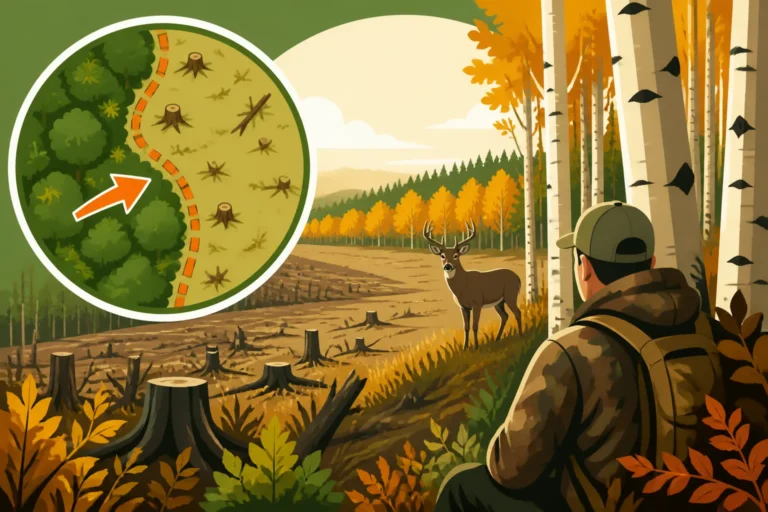
Pay close attention to historical burn areas or recent timber harvests, especially those 3-7 years old. These areas often regenerate with dense cover and abundant forage, creating prime turkey habitat that might not be obvious on older satellite images. Annotate these potential hotspots on your maps, creating a digital game plan for your boots-on-the-ground efforts. Many hunters find mapping tools invaluable, and services like GoHunt offer detailed topographical data, land ownership overlays, and even historic weather patterns that can give you a leg up in identifying promising spots.
Boots-on-the-Ground Scouting Techniques
Once you've narrowed down potential areas digitally, it's time to hit the woods. Early spring, before leaf-out, is an ideal time for this. Focus on confirming the features you identified on your maps and looking for fresh turkey sign. Look for scratch marks in leaf litter, particularly in hardwood areas, indicating birds have been feeding. Dusting bowls, often found in dry, sandy spots or along old logging roads, are clear indicators of turkey presence. Fresh droppings can tell you about recent activity and even the size of the birds. Pay attention to track size if you're hoping for a big gobbler.
Walk the ridge lines and creek bottoms you marked digitally. These are natural travel corridors for turkeys, especially when moving between roosting areas and feeding grounds. Listen for distant gobblers, even in the pre-season. While they might not be as vocal as during the peak breeding season, any gobble can confirm their presence and general location. Don't be afraid to walk a few miles. The U.P. rewards those willing to exert effort. Scouting Michigan Public Land Before Season is not just about finding deer, but for turkeys as well, confirming your digital discoveries and adapting to what the terrain truly offers.
Locating Key Features and Sign
Beyond just general sign, you're looking for specific features that concentrate turkeys in such a vast landscape. These include:
- Strut Zones: Flat, relatively open areas, often ridge tops, old log landings, or slight clearings, where gobblers might display for hens. Look for swept earth, strut marks, and primary wing feathers.
- Primary Travel Corridors: As mentioned, ridges, creek bottoms, old logging trails, or even slight saddles in the terrain can act as turkey highways. These funnels naturally guide birds from one area to another.
- Roosting Trees: While you might not want to pressure a roost tree too much, knowing where they routinely spend the night is golden. Look for droppings and wing feathers under the largest, most dominant trees on high ground or along water features. If you can slip in undetected before light, you can often get a bird Calling a Michigan Gobbler Off the Roost.
- Transition Areas: These are often overlooked but incredibly productive. Think about where a mature hardwood stand transitions into a cedar swamp, or where a dense conifer patch meets a more open regenerating clearcut. These edges provide security, food, and travel routes, and are prime locations to intercept a U.P. gobbler on the move. Whether you're looking for sprawling public tracts or specific cover types, resources like GoHunt can help you overlay critical data to identify these transition areas.
Executing the Hunt: Calls, Setups, and Patience
Once you've done your homework, it's time to put your plan into action. Hunting U.P. timber turkeys requires a specific blend of aggressive calling, precise setup, and unwavering patience.
Adaptable Calling Strategies for Big Woods
Calling in the U.P. timber often means adjusting your volume and cadence. In vast, dense woods, sound doesn't travel as far, and a soft call can easily be swallowed by the undergrowth or distant wind. Start with loud, attention-grabbing calls like sharp yelps or cutting to locate a bird. Once you get a response, immediately dial it back. A U.P. gobbler that answers might be genuinely interested, but he's also wary. He's expecting the hen to come to him. You need to sound like a ready and willing hen, but not overly aggressive or unnatural. Use a variety of calls – slate, box, and mouth calls – to mimic the sound of multiple hens.
If a bird is hung up, or if you suspect he's circling, resist the urge to overcall. Sometimes, going silent for 15-20 minutes after an initial exchange can pique his curiosity. He might think the hen has moved off and decide to come investigate. This is where confidence in your setup truly matters. While Grunt Calls in Mature Timber are primarily for deer, the principle of using calls appropriate for the environment applies. For turkeys, think about how real hens communicate in dense cover: often with quieter clucks, purrs, and soft yelps once they're within close range.
| Calling Scenario | Initial Approach | Follow-up if Gobbler Responds | Follow-up if Gobbler Hangs Up |
|---|---|---|---|
| Locating a Distant Bird | Loud, sharp yelps or cutting (box or slate) | Soften calls, focus on yelps and clucks | Go silent for 15-20 mins, then soft clucks |
| Working a Hot Gobbler | Mimic excited hen (yelps, cackles) | Match his intensity, but don't overcall | Minimal soft calls, purrs, or go silent |
| Bird Hung Up (200+ yards) | Gentle tree yelps, clucks, purrs | Silence, light scratching in leaves | Move slightly if safe, then try soft calls again |
| Mid-Day Silence | Occasional loud yelps (locator calls) | If response, immediate shift to soft yelps | Move to new area, continue covering ground |
Strategic Setup Selection
Your setup in the U.P. timber is paramount. Unlike field edges where you might have clear sightlines, you're dealing with dense cover that limits visibility. When a gobbler responds, your first priority is to get set up with your back against a tree wider than your shoulders. This breaks up your outline and provides crucial protection from a gobbler's keen eyesight. Look for natural clearings, old logging landings, or open areas where a bird can comfortably strut and you can see him approach. Remember, turkeys generally prefer to walk, not fly, through dense underbrush.
Anticipate the direction of approach. If a bird is gobbling from a ridge, expect him to drop down and come up a less steep incline, or follow a logging trail. Set up to intercept him along that likely travel route. Decoy placement can be effective, but remember Decoy Placement for Pressured Birds often means less is more. A single hen decoy or even a jake can sometimes be enough, placed in a visible spot about 15-20 yards from your position. Just be aware that if a U.P. gobbler isn't fully committed, he might spot the decoy and hang up, looking for the "live" hen, or he might circle wide to get a better look. Sometimes, no decoy is the best decoy, letting your calls do all the work in drawing him close. When choosing a setup, prioritize safety and visibility, like Setting Up Against a Big Oak, especially with the added challenge of other hunters on public land, which is where Michigan Hunter Orange Rules come into play during other seasons, but always good to keep safety in mind.
The Art of the Run-and-Gun in U.P. Timber
While patience is key once a bird is located, the vastness of the U.P. often necessitates a "run-and-gun" approach to find birds. Don't be afraid to cover significant ground. Start by moving quietly through known turkey habitat, stopping every few hundred yards to listen and let out a series of locator calls – crow, owl, or sharp hen yelps. The goal is to elicit a shock gobble without giving away your exact location. Once you hear a response, move quickly but stealthily to get into position. This often means getting within 100-150 yards of the gobbler before setting up.
The key to successful Run-and-Gun Turkey Tactics on State Land in the U.P. is stealth and efficiency. Use the terrain to your advantage, moving along ridges or through depressions to remain out of sight. Keep your gear light and your movements quiet. Once you hear a gobbler, commit to him. Don't waste time second-guessing. Get set up quickly, call sparingly, and be ready for him to appear from any direction. If he doesn't respond after a patient setup, don't be afraid to quietly slip out and move to another location, repeating the process. Before heading out, a quick check on platforms like GoHunt can reveal recent changes in land status or potential areas of interest, saving you precious boot leather for these mobile hunts.
Overcoming U.P. Timber Specific Challenges
Hunting turkeys in the U.P. isn't just about calling and setting up; it's about conquering the unique environmental hurdles that this incredible region presents.
Navigating Dense Cover and Terrain
The U.P. is defined by its dense forests, thick underbrush, and rugged terrain. This makes walking challenging and staying oriented even more so. Always carry a reliable GPS unit or a smartphone with a robust mapping app. Don't rely solely on cell service; download offline maps before you go. The sheer sameness of the timber can quickly disorient you, especially when focused on a gobbler's direction. Mark your entry points and potential escape routes. Learn to recognize key landmarks like distinct tree groupings, rock formations, or changes in forest type.
Moving quietly through this dense cover is a skill that takes practice. Choose your footfalls carefully, avoiding snapping twigs or rustling leaves unnecessarily. If you're busting through brush and making a racket, any approaching gobbler will hear you long before you see him. Utilize game trails, old logging paths, or even deer runways to ease your travel and maintain stealth. Remember, the birds live here; they know the shortcuts and quiet routes. Your ability to navigate the timber efficiently and quietly will directly impact your success.
Managing Weather and Isolation
U.P. spring weather can be notoriously unpredictable. A beautiful, warm morning can quickly turn into a cold, wet, and windy afternoon. Layer your clothing appropriately, opting for moisture-wicking base layers and waterproof outer shells. Insulated gloves and a warm hat are often necessary, even in late May. Being cold and wet can quickly dampen your spirits and your ability to sit patiently. Prepare for sudden rain showers, and even late-season snow flurries are not uncommon.
The isolation of the U.P. timber also means you need to be self-sufficient. Pack extra water, high-energy snacks, a first-aid kit, and a communication device (satellite messenger if you're really going deep). Tell someone where you're going and when you expect to return. Getting lost or injured far from any road or trail can turn a hunt into a serious situation. These birds demand a commitment, not just in terms of hunting skill, but also in terms of preparedness for the wilderness.
Ethical Considerations and Shot Placement
As with any hunting, ethical considerations are paramount. Always confirm your target and be absolutely certain it's a legal gobbler before you take the shot. In the U.P., where visibility can be limited by dense trees, this is even more critical. Wait for a clear, unobstructed shot at the head and neck. These birds can be tough, and a poorly placed body shot can lead to a long, difficult, and often unsuccessful tracking job in the thick timber. Pattern your shotgun with your chosen turkey load and choke at various distances before the season. Know your effective range and stick to it.
Once the shot is taken, if the bird doesn't drop immediately, stay focused and observe its flight or direction of travel. Mark the spot carefully and then immediately go to the location where the bird was standing. Check for feathers or blood. If necessary, begin a slow, methodical grid search in the direction the bird traveled. Retrieving a downed bird in dense U.P. timber can be incredibly difficult, so prioritize a clean, ethical kill. Many successful U.P. turkey hunters will tell you that the harvest is often just as much about finding the bird after the shot as it is about the shot itself. Michigan provides a lot of flexibility when it comes to Michigan Spring Turkey Applications and Units, so make sure you're hunting in the correct unit with the right tag.
Disclaimer
Please remember that hunting regulations, seasons, and licensing requirements can change. Always consult the most current Michigan Department of Natural Resources (DNR) hunting digests and regulations before planning any hunting trip. Safety should always be your top priority in the field.