Michigan Turkey Unit NN Quota
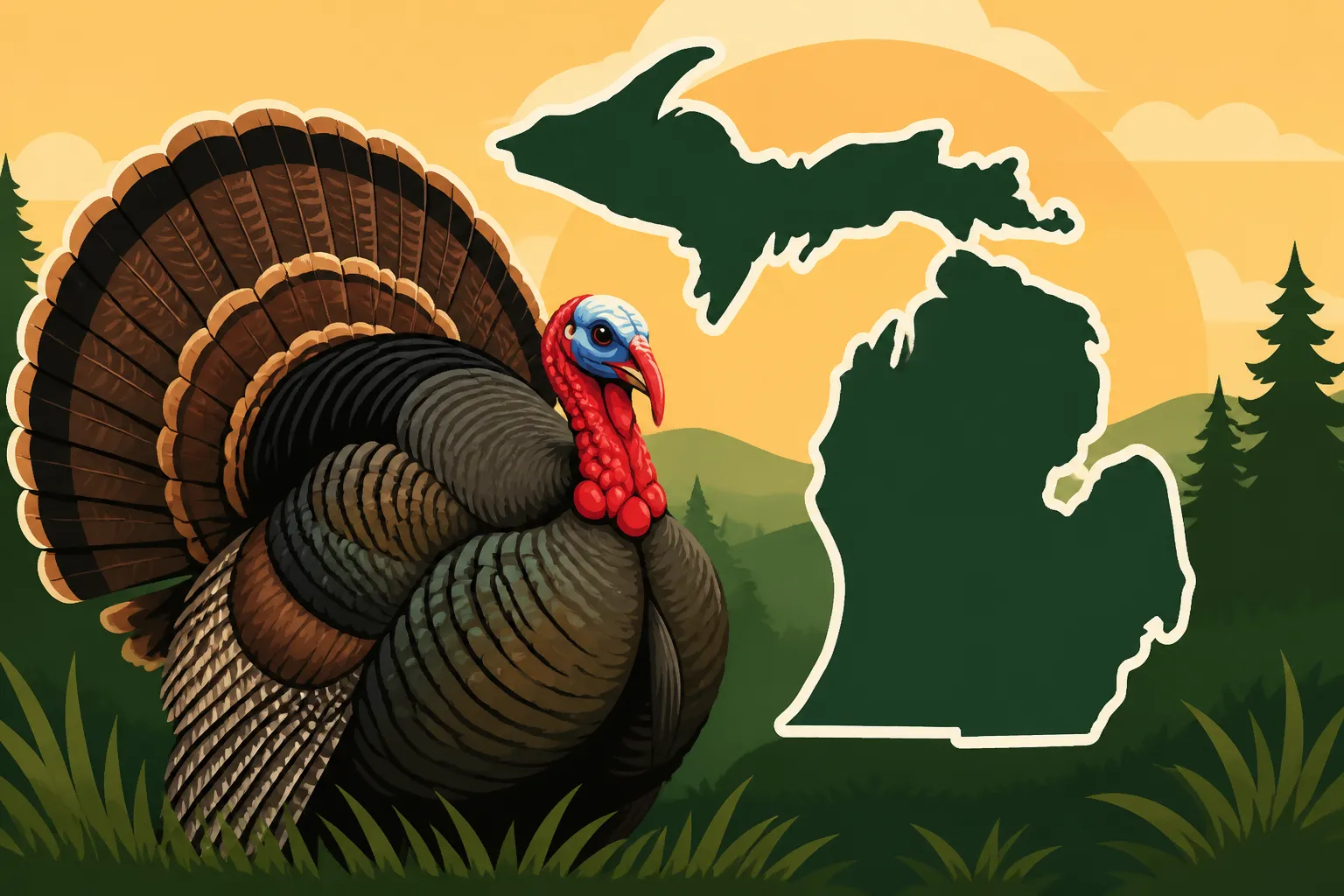
It's a familiar ache for many Michigan turkey hunters: the hope of drawing that coveted spring turkey tag in a popular unit, only to be met with disappointment when the draw results come out. Unit NN, in particular, holds a special place in the hearts (and frustrations) of many. This guide dives deep into what makes Michigan Turkey Unit NN so sought after, how its quota is determined, and what strategies you can employ to boost your chances or explore equally rewarding alternatives.
Understanding Michigan Turkey Management Units
Michigan's wild turkey populations are a true conservation success story, growing from a few scattered flocks to robust numbers across much of the state. To manage these healthy populations and distribute hunting pressure, the Michigan Department of Natural Resources (DNR) divides the state into specific Turkey Management Units (TMUs). These units are essentially geographic areas, each with its own set of license quotas and hunt periods. The goal is to provide ample hunting opportunities while ensuring the long-term health of the turkey population.
Unit NN is one such management unit, covering a significant portion of Michigan. It’s known for its diverse habitat, ranging from mature hardwoods and aspen stands to agricultural fields and swampy creek bottoms. This varied landscape often translates into strong turkey numbers, making it a perennial favorite for hunters looking for a quality spring gobbler experience. However, its popularity also means competition for licenses can be incredibly fierce, leading to the common frustration of simply not drawing a tag, despite having what feels like a solid application.
The Role of Quotas in Turkey Management
The concept of a "quota" is pretty straightforward: it's the maximum number of hunting licenses issued for a specific unit and hunt period. For Michigan Turkey Unit NN, this quota is carefully set by the DNR each year. But it's not just a random number pulled out of a hat; it’s a dynamic decision based on a wealth of ecological data, hunter success rates, and population trends. The DNR's wildlife biologists are constantly monitoring the health of turkey populations, gathering data on everything from brood surveys to harvest statistics.
These quotas directly impact a hunter's odds of drawing a tag. When a unit like NN has consistently high turkey numbers and excellent habitat, demand for its limited licenses often skyrockets. The DNR balances this demand with the biological capacity of the land to support both the turkeys and the hunting pressure. If you've ever felt the sting of not drawing a Unit NN tag, it's a direct reflection of this balancing act – many, many hunters are vying for a comparatively smaller number of available spots.
The Evolving Quota System for Unit NN
The specific quota for Michigan Turkey Unit NN isn't static; it can change from year to year. This fluctuation is a natural part of wildlife management and reflects the dynamic nature of wild turkey populations. Several key factors play a significant role in how these quotas are determined and adjusted:
Population Estimates and Trends
The foundation of any quota decision is the estimated turkey population within the unit. DNR biologists use various methods, including brood surveys conducted during the summer, harvest data from previous seasons, and habitat assessments, to gauge the health and size of the turkey flock. A strong year for poult survival, for instance, might suggest a higher population entering the spring season, potentially allowing for a slight increase in quotas. Conversely, a particularly harsh winter or a season with poor nesting success could lead to reduced quotas to ensure the population remains robust. It’s a constant monitoring effort to keep Michigan's turkey numbers thriving.
Hunter Success Rates and Pressure
Another crucial piece of the puzzle is the previous year's hunter success rate. If hunters in Unit NN consistently achieve very high success rates, it could indicate that the population can sustain additional pressure, or that the current quota is well-aligned with the number of turkeys. However, it also tells the DNR about the intense interest in the unit. The DNR aims to provide a quality hunting experience, and too much hunter pressure can diminish that. They also look at how many applications are received for a unit like NN. When demand far outstrips supply, as it often does for prime units, the challenge becomes how to fairly allocate those limited opportunities.
Habitat Conditions and Environmental Factors
Habitat is king when it comes to wildlife, and turkeys are no exception. The availability of food, water, and cover—especially nesting and roosting sites—directly impacts a unit's carrying capacity. Environmental factors like severe winter weather, prolonged wet and cold springs (which can harm poult survival), or even localized disease outbreaks can influence turkey numbers and, consequently, the quotas. For instance, an area affected by a significant timber harvest that reduces crucial mature roosting trees might see a temporary dip in turkey numbers as the habitat recovers, leading to quota adjustments. Understanding these ecological realities helps explain why quotas aren't fixed numbers.
Strategies for Securing a Unit NN Turkey Tag
Drawing a Unit NN turkey tag can feel like winning the lottery, but there are definitely strategies you can employ to maximize your chances or find great alternatives. Don't let the competition discourage you; preparation and a flexible mindset are your best tools.
Understanding the Application Process
First things first, you need to understand the application system. Michigan uses a lottery draw for spring turkey licenses, which is why everyone feels the anticipation each year. When you apply, you'll select your desired hunt period and management unit. For popular units like NN, applying for the earliest hunt periods often means facing the stiffest competition, as many hunters prefer to get out during the peak gobbling activity. However, sometimes there can be a sweet spot in the later periods, though this varies year-to-year. It's not a preference point system like bear or elk, so every year is a fresh draw.
You can specify a first and second choice for unit and hunt period. This is where strategic thinking comes in. If Unit NN is your dream, put it down as your first choice. But for your second choice, consider a unit with potentially higher quotas or less demand, or perhaps a later hunt period within Unit NN if you’re willing to hunt beyond the initial peak. This increases your overall chances of drawing a tag, even if it's not your absolute top pick. The DNR's online application system makes this fairly straightforward, but make sure you complete it well before the Michigan Spring Turkey Application Deadline.
Exploring Leftover Licenses
This is a critical strategy for many hunters. If you don't draw a tag in the initial lottery, don't despair! Michigan often has leftover turkey licenses available, especially for less popular units or later hunt periods. These licenses are typically sold on a first-come, first-served basis, and they can go fast for desirable areas or hunt periods. You'll need to be vigilant and ready to purchase as soon as they become available. Keep an eye on the DNR website and social media announcements for exact dates. Sometimes, a limited number of Unit NN licenses might become available as leftovers, but these are often snapped up within minutes. Checking the GoHunt platform can also sometimes provide insights or timely notifications regarding leftover tag availability, helping you stay ahead of the game. Our guide on Leftover Turkey Licences in Michigan goes into much more detail.
Considering Alternative Units and Hunt Periods
While Unit NN is fantastic, Michigan offers other excellent turkey hunting opportunities. Unit M (spanning a large portion of the Lower Peninsula) and Unit ZZ (an unlimited tag option typically available later in the season for private land across the Lower Peninsula) are often considered. Unit ZZ, in particular, can be a great backup plan, as it usually offers unlimited licenses, primarily for private land hunting. This means if you can secure permission on private property, you can still get out and chase gobblers, even if you strike out in the draw for a limited quota unit.
Here's a quick comparison of some general characteristics for Michigan's main spring turkey units:
| Unit | Primary Characteristics | Draw Difficulty (General) | Leftover Tag Potential |
|---|---|---|---|
| Unit NN | Diverse habitat, high turkey numbers, popular | High | Low (sell out quickly) |
| Unit M | Wide range, varied habitat, good populations | Moderate to High | Moderate |
| Unit ZZ | Unlimited private land tag (Lower Peninsula only) | N/A (unlimited) | High (always available) |
Remember, a successful hunt isn't just about the unit, but about your tactics. If you find yourself hunting Unit M or ZZ, consider employing Run-and-Gun Turkey Tactics on State Land or Turkey Tactics for Southern Michigan Farms depending on the terrain.
What to Do If You Don't Draw a Unit NN Tag
It's a bummer, I know. You've spent months dreaming of that Unit NN gobbler, perhaps even scouting some prime spots, and then the draw results come in, and your name isn't on the list. But don't let it get you down! Michigan hunting is about more than just one specific unit or season. There are always other avenues to explore, and sometimes, a little change of scenery can lead to an even more memorable experience.
Embrace the Fall Turkey Season
One of the best alternatives if spring doesn't pan out in your chosen unit is the fall turkey season. Often overlooked by hunters focused solely on spring gobblers, the fall season offers a completely different, yet incredibly rewarding, challenge. Instead of calling in lovesick toms, fall hunting typically involves locating flocks and breaking them up, then calling the scattered birds back together. It's a fantastic way to extend your turkey hunting year and experience a different side of Michigan's wild turkeys. Be sure to check out our detailed guide on Hunting Michigan's Fall Turkey Season for tactics and dates. The quotas for fall turkey tags are often more generous, too!
Focus on Scouting and Learning
Even if you don't have a tag for Unit NN this spring, you can still use the season as a valuable scouting opportunity. Grab your binoculars and a good map (the GoHunt app or Michigan's Mi-HUNT map are excellent resources for identifying public land boundaries and habitat types) and head out into the woods. Listen for gobbling, look for fresh turkey sign like tracks, droppings, and dusting bowls. Observe turkey behavior, their travel corridors, and preferred roosting sites. This kind of in-depth scouting, especially during the peak of the spring action, will provide invaluable intelligence for future seasons, whether you draw a Unit NN tag next year or decide to hunt another unit. Every day spent in the woods, even without a gun, is a day learning more about your quarry.
Look for Localized Opportunities
Sometimes, the best opportunities are closer than you think, even if they aren't in the most famous units. Remember that while Unit NN covers a large area, turkeys are present in many other parts of the state. If you have access to private land or know of smaller state game areas or state forests nearby that don't get as much attention, investigate those. You might be surprised at the quality of hunting you can find by focusing on less-pressured areas. Sometimes, a good gobbler is just a few miles down the road, away from the crowds vying for those highly sought-after Unit NN tags. Always remember to check Michigan Legal Shooting Hours and Michigan Hunter Orange Rules before heading out.
Ultimately, the goal is to get out there and enjoy Michigan's incredible turkey hunting. Whether you're successful in the Unit NN draw or find an exciting alternative, the experience of chasing wild gobblers in our beautiful state is always worth the effort.
Disclaimer
Hunting regulations and quotas can change annually. Always consult the official Michigan Department of Natural Resources (DNR) hunting digests and website for the most current and accurate information before planning your hunt. This guide is for informational purposes only and should not be considered a substitute for official DNR publications.