Michigan Spring Turkey Application Deadline
It can be incredibly frustrating to realize you've missed a critical deadline, especially when it involves something as anticipated as Michigan's spring turkey season. The dream of hearing that thunderous gobble echoing through the spring woods can quickly turn into a nightmare if you don't have a valid tag. This guide is here to untangle the often confusing Michigan spring turkey application process, clearly laying out the deadlines, how to apply, and what to expect so you can confidently chase those longbeards this spring.
Understanding Michigan's Spring Turkey Application System
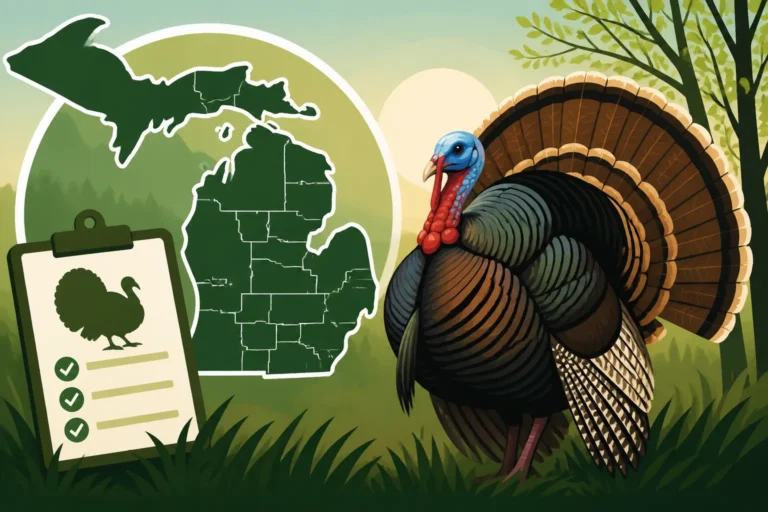
Michigan's spring turkey hunting isn't simply a matter of buying a license over the counter whenever you feel like it. The Michigan Department of Natural Resources (DNR) uses an application and drawing system for much of the state, a method designed to manage hunter numbers and ensure a sustainable harvest across various turkey management units. This system helps distribute hunting pressure and offers a fair chance for everyone, though it can feel a bit complex at first glance.
Why an Application Process?
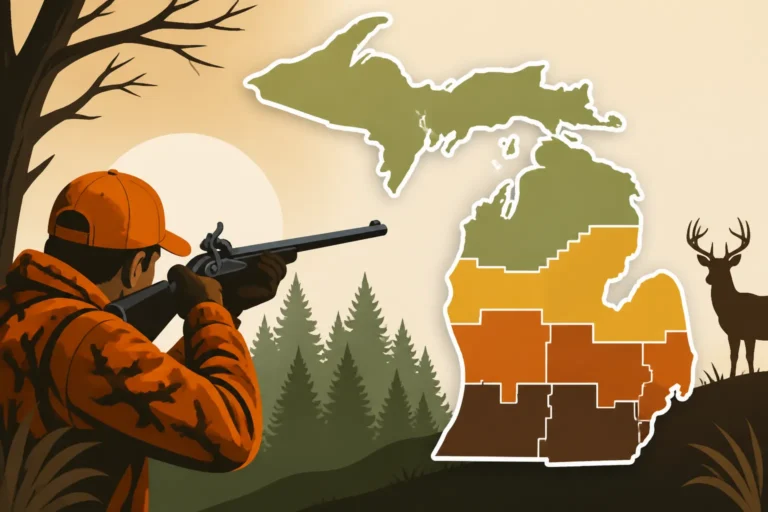
The application process for spring turkey licenses is rooted in sound wildlife management. Michigan boasts a thriving wild turkey population, a testament to successful restoration efforts over the decades. However, unchecked hunting pressure in certain areas or during peak times could quickly impact local turkey numbers or diminish the quality of the hunting experience. By limiting the number of licenses available for specific hunt periods and areas—known as "Michigan Turkey Units" — the DNR can fine-tune harvest rates, ensure ample breeding success, and prevent overcrowding in popular spots. This helps protect the resource for future generations while still providing incredible opportunities for hunters. It's all about balance, making sure we can all enjoy the woods without overstressing the wildlife.
Key Dates and Deadlines
This is where the rubber meets the road! The absolute most critical date for any Michigan spring turkey hunter is the application deadline. Historically, the application period for Michigan's spring turkey hunt typically runs from late December through February 1st of the new year. For example, for the 2024 season, the application period was from December 1, 2023, to February 1, 2024. It's crucial to understand that if you miss this window, you cannot apply for a limited-quota license in the initial drawing.
Once the application period closes, the DNR conducts a random drawing. Drawing results are usually available in early to mid-March. After the drawing, successful applicants can then purchase their limited-quota licenses. Any licenses not claimed by successful applicants, or those that were never applied for, often become available as "Leftover Turkey Licences in Michigan" in a subsequent purchase period, typically starting in mid-March. There are also specific "Michigan Unlimited Turkey Hunt Options" that don't require an application, which we'll delve into later. Always double-check the Michigan DNR website or resources like GoHunt for the exact dates each year, as they can shift slightly.
The Preference Point System
Just like with other big game opportunities such as elk or bear, Michigan utilizes a preference point system for its spring turkey drawing. This system is designed to give unsuccessful applicants a slightly better chance in future drawings. For every year you apply for a limited-quota spring turkey license and are unsuccessful in drawing one, you earn one preference point. When you apply the following year, these preference points increase your odds of being drawn.
It's important to remember a few things about turkey preference points. First, they are unit-specific. If you apply for a license in Unit M (a specific turkey management unit) and don't draw, you get a point for Unit M. If you apply for a different unit the next year, your points for Unit M don't transfer. Second, if you do draw a license in a specific unit, your preference points for that unit are reset to zero. This ensures that those who have waited longer eventually get a turn. It’s a system designed for fairness, though it can sometimes feel like a long game if you're holding out for a highly sought-after unit or hunt period.
Navigating the Application Process
Applying for your Michigan spring turkey license doesn't have to be a headache. The DNR has streamlined the process over the years, offering a couple of convenient ways to submit your application. Regardless of which method you choose, being prepared with the right information will make it a smooth experience.
Online Application Through the DNR
For most hunters, the easiest and most common way to apply is online through the Michigan DNR's e-License system. This portal is available 24/7 during the application period, allowing you to apply from the comfort of your home.
Here's a general step-by-step breakdown:
- Access the e-License Portal: Head to the official Michigan DNR website and navigate to the e-License sales section. You'll typically need to log in with your existing customer ID or create a new account if you don't have one.
- Select Spring Turkey Application: Once logged in, look for the option to apply for the "Spring Turkey" drawing.
- Choose Your Hunt Unit and Period: This is a critical step. You'll be presented with a list of available Michigan Turkey Units and the various hunt periods (often labeled as periods 1 through 4, or specific date ranges like "A," "B," "C," etc.). Take your time here. Research the different "Michigan Turkey Licence Quotas" and what areas they cover. Consider which unit and period best fit your schedule and hunting goals. For example, some hunters might prefer a later period to avoid early spring snow, while others want to be out for the earliest gobblers.
- Confirm and Pay: Review your selections carefully. The application fee is usually quite small (just a few dollars). Once confirmed, proceed to payment. You'll typically receive an email confirmation of your application. Keep this for your records!
Using online tools, even general hunting platforms like GoHunt, can often help you keep track of these applications and deadlines, sometimes offering notifications or direct links to the DNR portal.
Applying Through Authorized Retailers
If you prefer a more traditional approach or don't have reliable internet access, you can still apply in person at any authorized license retailer in Michigan. These retailers include sporting goods stores, bait shops, and some general merchandise stores.
When applying in person:
- Locate a Retailer: Use the DNR's website to find authorized license retailers near you.
- Provide Your Information: You'll need your Michigan hunting license information or your driver's license to verify your identity. The clerk will help you navigate the system.
- Specify Your Choices: Be ready to tell the clerk your preferred Michigan Turkey Unit and hunt period. It's a good idea to have a backup choice or two in mind, just in case your first choice is highly competitive.
- Pay and Receive Receipt: Pay the application fee and ensure you receive a printed receipt confirming your application. This is your proof of entry into the drawing.
Both methods are secure and valid, so choose the one that works best for you. The key is to get that application in before the dreaded deadline!
What Information You'll Need
Regardless of whether you apply online or in person, you'll need some basic information to complete your spring turkey application. Having these details handy will make the process much faster and smoother.
Here's what you'll typically need:
- Customer ID: This is your unique DNR identification number. If you've ever purchased a Michigan hunting or fishing license, you have one. If you're a new hunter, you'll be assigned one when you create an account or purchase your first license.
- Date of Birth: For identity verification.
- Hunt Unit Selection: As discussed, you'll need to know which Michigan Turkey Unit you want to apply for. This might be Unit M, Unit NN, Unit ZZ, or one of the other specific units, depending on where you plan to hunt.
- Hunt Period Selection: Decide which specific hunt period (e.g., Period 1, Period 2, Period A, B, C, etc.) you want to apply for within your chosen unit.
- Payment Method: A credit card (Visa, MasterCard, Discover, American Express) for online applications, or cash/debit/credit for in-person applications at a retailer.
It's a good idea to research the various "Michigan Spring Turkey Season Dates" and unit boundaries beforehand. Knowing your preferred unit and period before you start the application process will save you time and prevent potential errors.
After You've Applied: What's Next?
So you've submitted your application – great job! Now comes the waiting game, which can feel interminable when you're dreaming of turkey season. But don't fret; there are clear steps to follow to check your results and prepare for your hunt, whether you drew a tag or not.
Checking Drawing Results
Once the application period closes, the Michigan DNR conducts the random drawing. This typically happens in late February to early March. Drawing results are generally posted online via the DNR e-License system, often by mid-March.
Here's how you can check:
- Log In to Your e-License Account: Revisit the Michigan DNR e-License portal and log in using your customer ID and password.
- Navigate to Drawing Results: There will usually be a prominent link or section specifically for "Drawing Results" or "Application Status."
- View Your Status: Your application status will indicate whether you were "Successful" or "Unsuccessful" in the drawing for your chosen unit and period. If successful, it will usually show the specific license you are now eligible to purchase.
Some third-party platforms and hunting apps, much like how GoHunt aids in research, might also offer tools or notifications to help you track drawing result announcements, though the official DNR site is always the authoritative source. If you were unsuccessful, remember you've earned a preference point for that unit, which can improve your odds next year!
Understanding Your Hunt Unit and Season
If you were one of the lucky ones to draw a license, congratulations! Now it's time to understand exactly what you've got. Your drawn license will specify your Michigan Turkey Unit (e.g., Unit ZZ, which often covers parts of the Upper Peninsula) and your hunt period.
Each unit has its own unique boundaries and "Michigan Spring Turkey Season Dates" that apply to the various hunt periods. For instance, Period 1 might run for seven days in April, while Period 2 might immediately follow it, extending into early May. It's crucial to know your exact dates because hunting outside your assigned period is a serious violation. Carefully review the license details and the current year's turkey hunting guide provided by the DNR. This guide will often include maps of the units and detailed regulations. Understanding the nuances of your specific unit can make a huge difference in your scouting and hunting strategy, whether you're chasing birds in the dense timber of the U.P. or employing "Turkey Tactics for Southern Michigan Farms."
Leftover Licenses and Unlimited Hunt Options
What if you didn't draw a limited-quota license? Don't despair! Michigan still offers plenty of opportunities to hunt spring turkeys.
Leftover Licenses:
If there are any unsold or unclaimed limited-quota licenses after the initial drawing and purchase period for successful applicants, these are made available to the general public. This "Leftover Turkey Licences in Michigan" sale typically begins in mid to late March, often on a specific date and time, and it's first-come, first-served. You can purchase these online or at a license retailer. These can be a fantastic way to still get into a unit you desire, though the most popular units and early periods are usually gone quickly. Keep a close eye on DNR announcements for these dates!
Unlimited Hunt Options:
Michigan also offers "Michigan Unlimited Turkey Hunt Options" that do not require an application or drawing. These are typically for specific, broader hunt units (like Unit ZZ, which often has an unlimited option for certain periods) or for later hunt periods. For example, many hunters find success during late-season hunts in Unit ZZ, which encompasses much of the Upper Peninsula, or in some of the general statewide hunt periods that don't have quotas. These licenses can simply be purchased over the counter without going through the application process. While they might involve more competition or later season dates, they guarantee you a chance to chase turkeys.
Knowing these alternative routes means an unsuccessful draw isn't the end of your spring turkey dreams. There's almost always a way to get out there and experience the thrill of the hunt.
Maximizing Your Chances and Planning Your Hunt
Drawing a spring turkey tag is just the first step. To truly maximize your chances for success and have an incredible experience, thoughtful planning and preparation are key. This applies whether you drew a coveted limited-quota tag or opted for one of the unlimited hunt periods.
Strategic Application Choices
Your strategy starts long before opening day, even before you submit your application. With preference points in mind, consider your application choices carefully.
- Analyze Unit Data: Research past draw odds and turkey population trends. The DNR provides data on "Michigan Turkey Population Trends" and harvest reports, which can help you gauge the competition and success rates in different units. Some units, like specific parts of the Southern Lower Peninsula, might have higher turkey densities but also higher hunter pressure.
- Balance Desire vs. Odds: Do you have a burning desire to hunt a specific, highly competitive unit? You might choose to apply there, knowing you'll likely accumulate preference points for future years. Or, do you prioritize simply getting a tag every year? In that case, you might apply for less competitive units or later hunt periods, or plan to rely on leftover licenses.
- Consider Hunt Period Timing: Early periods (like the "A" or "1" periods) often coincide with the peak of gobbling activity and breeding, but also with colder, more unpredictable weather and potentially more competition. Later periods might see less gobbling but can offer more stable weather and fewer hunters in the woods, especially for those employing "Run-and-Gun Turkey Tactics on State Land." Think about your personal preferences and flexibility.
Platforms like GoHunt provide valuable insights into draw odds and unit breakdowns, which can be indispensable for making these strategic decisions.
Scouting and Preparation
Once you have your license in hand, the real work (and fun!) begins. Effective scouting and preparation are paramount to spring turkey hunting success.
- Pre-Season Scouting: Long before opening day, get out into your chosen unit. Turkeys are creatures of habit, often using the same roosting areas, feeding zones, and travel corridors year after year. Look for sign: tracks, droppings, feathers, and dusting bowls. Listen for gobbling at dawn from potential roost sites. Focus on areas where public land butts up against private agricultural fields, or where timber edges meet clearings. Identifying prime areas for "Where Michigan Gobblers Roost" is a huge advantage.
- Map Research: Utilize resources like the DNR's Mi-HUNT map, OnX Hunt, or Google Earth to identify potential hunting spots, access points, and terrain features. Look for clear-cuts, mature timber, open fields, and water sources. These maps can help you plan your approach and escape routes silently.
- Patterning Your Shotgun: Don't wait until the last minute! Pattern your turkey shotgun with your chosen ammunition and choke tube at realistic hunting distances (20-40 yards). Know exactly how your shotgun performs so you can make ethical shots.
- Calling Practice: Practice your turkey calls – diaphragm, slate, and box calls. Sounding natural and knowing when to use which call is crucial. Turkeys are wary, and a confident, realistic series of yelps or clucks can be the difference between calling in a gobbler and spooking him.
Essential Gear Considerations
While turkeys aren't as gear-intensive as, say, bowhunting for elk, having the right setup can make your hunt more comfortable and increase your odds.
- Camouflage: Full head-to-toe camouflage is important. Turkeys have incredible eyesight and can spot even the slightest movement or unnatural shape.
- Shotgun/Bow: A 12-gauge or 20-gauge shotgun with a tight turkey choke and heavy turkey loads is standard. For bowhunters, a compound bow or crossbow with appropriate broadheads works well. Ensure your "Turkey Shotgun Gauge Choice" is legal and effective.
- Calls: A variety of calls – slate, box, and diaphragm calls – will give you versatility in different situations.
- Decoys: A fan decoy, a hen decoy, or a jake decoy can be very effective, especially for drawing in wary gobblers. "Decoy Placement for Pressured Birds" is key; sometimes less is more.
- Seat/Blind: A comfortable turkey vest with a padded seat or a portable ground blind can make those long waits more bearable. Using a "Ground Blind on Michigan State Land" provides excellent concealment.
- Optics: Binoculars can help you spot subtle movements in thick cover or confirm if that dark blob is a turkey or a stump.
- Safety: Always wear hunter orange when walking in or out of your hunting area, especially on public land, though it's not required while actively hunting turkeys. A headlamp is essential for early morning walks.
By combining a strategic application, diligent scouting, and proper gear, you'll be well on your way to a memorable Michigan spring turkey hunt.
Key Spring Turkey Application Dates (Typical)
| Application Period Opens | Early December (e.g., December 1st) |
|---|---|
| Application Deadline | February 1st |
| Drawing Results Available | Mid-March (Exact date varies, check DNR e-License) |
| Successful Applicant License Purchase Window | Mid-March to early April (Exact dates vary, often a specific window before leftover licenses are released) |
| Leftover License Sales Begin | Mid-March to late March (Exact date varies, first-come, first-served) |
| Spring Turkey Season Begins | Mid-April (Exact "Michigan Spring Turkey Season Dates" vary by unit and hunt period, typically lasting until late May or early June) |
Note: Always consult the official Michigan DNR hunting guide or website for the most current and exact dates each year, as they are subject to change.
Disclaimer
Hunting is a challenging and rewarding activity that carries inherent risks. This guide provides general information and advice based on typical Michigan hunting regulations and practices. Rules and regulations, including application deadlines, hunt unit boundaries, and season dates, are subject to change by the Michigan Department of Natural Resources (DNR). It is the hunter's sole responsibility to understand and comply with all current federal, state, and local laws and regulations before engaging in any hunting activities. Always refer to the official Michigan DNR website and the annual hunting digests for the most accurate and up-to-date information. Safety should always be your top priority.