Michigan Muzzleloader Season Zones
It’s a unique feeling, isn't it? That special blend of anticipation and nostalgia that comes with loading a muzzleloader. But let’s be honest, trying to figure out Michigan’s hunting regulations, especially when it comes to specific seasons like muzzleloader, can feel like navigating a dense cedar swamp without a compass. Many hunters get frustrated trying to pinpoint exactly where and when they can legally chase deer with their smoke pole. This guide is here to clear the fog, breaking down Michigan's muzzleloader season zones so you can plan your hunt with confidence and enjoy the peace and challenge of this traditional season.
Why Michigan Divides Muzzleloader Seasons: The Logic Behind the Zones
Michigan’s diverse landscapes and deer populations mean that a one-size-fits-all approach to hunting seasons simply doesn't work. The Department of Natural Resources (DNR) designs hunting zones and specific season dates, like those for muzzleloader, to manage deer herds effectively, balance hunting pressure, and offer varied opportunities to hunters across the state. It’s all about sustainable management and providing quality hunting experiences, whether you're deep in the Upper Peninsula or nestled in a woodlot in the Lower.
Balancing Deer Management and Hunter Opportunity
The primary goal behind establishing different zones for the muzzleloader season is herd management. In areas where deer populations might be struggling due to harsh winters, disease like Chronic Wasting Disease (CWD), or habitat loss, seasons might be shorter or more restrictive. Conversely, in areas with robust or overpopulated herds, the season might be longer or offer more opportunities to take antlerless deer. It’s a delicate dance between giving hunters a chance to fill their freezer and ensuring the long-term health of Michigan’s deer. This also helps distribute hunting pressure, preventing specific areas from being overhunted during popular periods. The DNR constantly reviews harvest data and population surveys to fine-tune these zones and regulations, sometimes leading to changes from year to year.
Responding to Regional Differences
Michigan is a big state, geographically speaking, and what works in the sprawling forests of the Upper Peninsula doesn’t necessarily make sense for the agricultural lands of the southern Lower Peninsula. The DNR takes these stark regional differences into account. The Upper Peninsula, for example, often experiences severe winters that can heavily impact deer survival. As such, hunting opportunities, including muzzleloader season dates and antlerless quotas, might be more conservative there. In the southern agricultural zones, where deer can thrive and sometimes create conflicts with farmers, the muzzleloader season might play a crucial role in herd reduction efforts. Understanding these regional nuances helps hunters appreciate why the zones exist and how their hunting efforts contribute to broader management goals. Knowing these details can significantly enhance your experience, helping you pinpoint areas where deer thrive and seasons are often more liberal, or guide your efforts in areas where challenges might require a different approach.
Navigating Michigan's Muzzleloader Zones: Upper Peninsula Rules
For many, the Upper Peninsula represents the pinnacle of wilderness hunting in Michigan. It’s a vast, rugged land, and its muzzleloader season reflects the unique challenges and opportunities that come with hunting this special region. The rules here are often a bit more conservative, understandable given the historically harsher winters and the importance of allowing the herd to recover.
Key Dates and Antlerless Opportunities in the U.P.
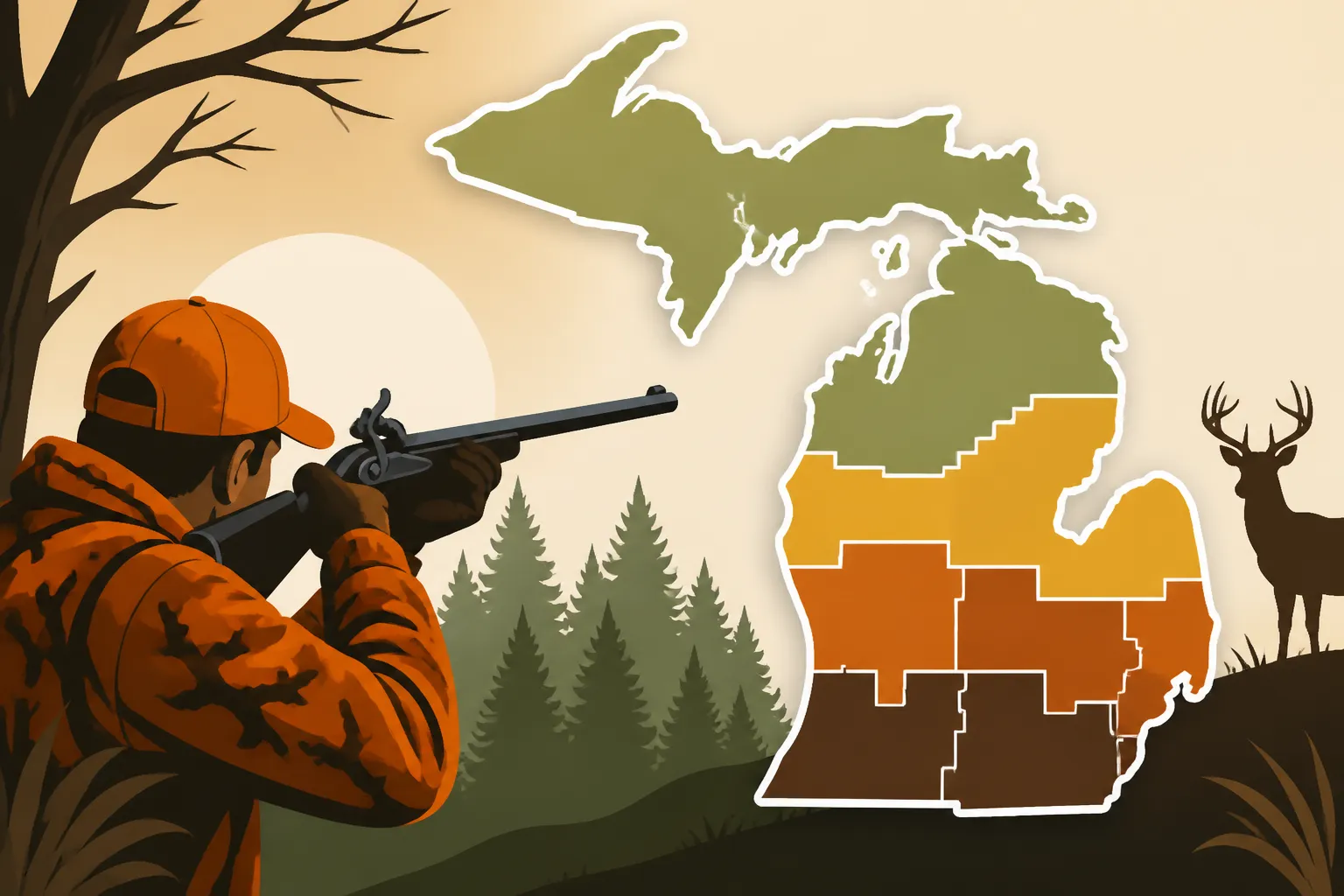
The Upper Peninsula (Zone 1) typically has its muzzleloader season set for early December, often starting on the first Friday after Thanksgiving and running for about ten days. This timing is strategic, falling after the general firearm season and allowing deer to settle back into their routines, which can make for some incredible, quiet hunting. The season is generally open for both antlered and antlerless deer, but there's a crucial caveat: antlerless deer tags in the U.P. during muzzleloader season are often limited and specific to certain Deer Management Units (DMUs). You’ll need to apply for these tags, and they’re awarded through a lottery system. This means that if you're solely relying on a universal antlerless tag you bought early in the year, it might not be valid in the U.P. during muzzleloader season. Always double-check the current year's hunting guide for the specific DMU you plan to hunt, or use a tool like the Mi-HUNT map or even a digital platform like GoHunt, which can help clarify these boundaries and regulations.
Unique Considerations for Upper Peninsula Hunters
Hunting the U.P. in early December with a muzzleloader comes with its own set of challenges and rewards. Snow is often a significant factor, transforming the landscape into a pristine, silent hunting ground, but also making travel and tracking more difficult. This is prime time for tracking big woods bucks. Deer in the U.P. will often be moving towards or already in their winter yarding areas, which can be critical to finding them. Knowing how to read a Michigan cedar swamp for deer can be invaluable here, as these dense areas provide crucial thermal cover. Hunters should also be prepared for extreme cold, and ensure their muzzleloader is properly maintained to prevent misfires in freezing temperatures. The vastness of the public land, like the Ottawa National Forest or the Hiawatha National Forest, means fewer hunters per square mile, offering a truly wild experience. However, it also means you might be a long way from help if something goes wrong, so proper preparation, including a reliable GPS or app like GoHunt, and emergency gear, is paramount. Consider reading up on Muzzleloader Tactics in December Cold to prepare for those frigid hunts.
Deciphering the Northern Lower Peninsula Muzzleloader Zone
Moving south, the Northern Lower Peninsula (NLP), also known as Zone 2, offers a different experience. This region, characterized by its mixed forests, rolling hills, and scattered agriculture, provides a diverse habitat for deer and often presents a more forgiving hunting environment than the rugged U.P. while still retaining a wild feel.
Season Dates and Antlerless Tags in Zone 2
The muzzleloader season in the Northern Lower Peninsula generally aligns with the U.P., starting the first Friday after Thanksgiving and running for a similar duration, usually about ten days. This timing is perfect for catching deer as they transition from late-rut movements to winter feeding patterns, often around late-season food sources for whitetails like leftover acorns or browse. For antlerless deer, Zone 2 typically has more liberal opportunities than the U.P. While some DMUs may require specific lottery tags, many areas in the NLP allow hunters to use their universal antlerless deer licenses on public or private land, provided the quota for that DMU hasn't been met. It’s still crucial to confirm the specific regulations for your chosen DMU through the Michigan DNR hunting guide or their online resources before you head out. These details are often updated annually, so don't rely on last year's guide!
Hunting Strategies for the NLP Muzzleloader Season
The Northern Lower Peninsula offers varied terrain, from dense state forests to private woodlots adjacent to farm fields. This means your hunting strategy might need to be adaptable. In the larger state forest blocks, like the Huron-Manistee National Forest, deer might be more spread out, and still-hunting or methodical tracking can be highly effective, especially after a fresh snow. Utilizing aerial photos for swamp deer can help you pinpoint bedding areas and travel corridors that might go unnoticed by others. If you're hunting closer to agricultural areas, deer will often key in on available food sources, making stand hunting near transition zones productive. Don't forget the importance of scouting Michigan public land before season to identify these key areas. The NLP can also be a great place to learn about Hunting Without Bait in the Lower Peninsula if you're used to other methods. The pressure tends to be lower than the general firearm season, but you'll still find plenty of other hunters out there, especially on opening weekend.
Here's a quick overview of the key differences:
| Feature | Upper Peninsula (Zone 1) | Northern Lower Peninsula (Zone 2) | Southern Lower Peninsula (Zone 3) |
|---|---|---|---|
| Muzzleloader Season Dates | ~Dec 1 – Dec 10 (Check annual guide) | ~Dec 1 – Dec 10 (Check annual guide) | ~Dec 1 – Dec 10 (Check annual guide) |
| Antlered Deer Limit | One antlered deer (unless specific combo license used) | One antlered deer (unless specific combo license used) | One antlered deer (unless specific combo license used) |
| Antlerless Deer | Limited; often DMU-specific lottery tags required | More liberal; universal antlerless tags often valid (check DMU) | Most liberal; universal antlerless tags often valid, some unlimited options (check DMU) |
| Firearm Type | Muzzleloaders (specific rules apply to projectile, ignition) | Muzzleloaders (specific rules apply to projectile, ignition) | Muzzleloaders or straight-walled cartridges (specific rules apply) |
| Landscape | Rugged, vast forests, harsh winters | Mixed forests, hills, scattered agriculture, moderate winters | Agricultural, fragmented woods, high deer density, mild winters |
| Hunting Pressure | Generally low to moderate | Moderate | Can be high, especially on public land |
Note: Always consult the current Michigan DNR Hunting and Trapping Digest for exact dates, regulations, and DMU-specific information before hunting, as rules can change annually.
The Southern Michigan Muzzleloader Zone: Special Considerations
The Southern Lower Peninsula (SLP), or Zone 3, offers perhaps the most unique muzzleloader hunting experience in Michigan. This region is characterized by extensive agriculture, fragmented woodlots, and higher human population density. While it might not scream "wilderness," Zone 3 often holds Michigan's biggest bucks due to abundant food and lighter hunting pressure from the masses who head north.
Expanded Opportunities and Firearm Choices in Zone 3
The muzzleloader season in the Southern Lower Peninsula typically mirrors the dates in the other zones, running from the first Friday after Thanksgiving for about ten days. However, the biggest distinction in Zone 3 (and specifically within the Limited Firearm Zone) is the expanded definition of "muzzleloader" during this specific period. While the Upper and Northern Lower Peninsulas strictly adhere to traditional muzzleloader definitions (single-shot, loaded from the muzzle), Zone 3 allows the use of modern straight-walled cartridge firearms during the muzzleloader season. This is a game-changer for many hunters who prefer the convenience and accuracy of these modern firearms. Calibers like the .450 Bushmaster, .350 Legend, or .44 Magnum become legal options, offering significantly more range and ease of use than traditional muzzleloaders. This change was implemented to provide more flexibility to hunters in a region where traditional rifles are restricted during the general firearm season.
Antlerless opportunities are generally the most liberal in Zone 3. Many DMUs allow hunters to use universal antlerless licenses, and some areas may even have unlimited antlerless tags available to help manage overabundant deer populations. This makes the muzzleloader season a fantastic opportunity to fill the freezer, especially if you're having trouble filling a Michigan antlerless tag earlier in the year.
Strategies for Hunting High-Pressure, Farm Country Zones
Hunting the Southern Lower Peninsula for deer, particularly during the muzzleloader season, requires a different approach. Deer here are often incredibly patternable, moving between bedding cover in woodlots and feeding in cornfields, soybean fields, or winter wheat. Scouting is paramount, and understanding entry routes on flat Michigan ground is crucial to avoid spooking deer. The presence of straight-walled cartridge firearms means hunters might be taking longer shots than with a traditional muzzleloader, so knowing your rifle's capabilities and practicing at the range is essential.
Public land in Zone 3, such as the Michigan State Game Areas like Rose Lake State Wildlife Area or Barry State Game Area, can see significant pressure, especially on opening weekend. To find success, you’ll often need to put in the work, walking further into areas others overlook or finding pockets of private land access through programs like the Michigan Hunting Access Program (HAP). If you do get private land permission in Michigan, respect the landowner's property and build a good relationship. For those targeting mature bucks, the muzzleloader season can be fantastic as the pressure from the firearm season has dropped, and deer are focused on feeding. This is a great time to implement tactics like hunting a standing cornfield in the thumb, or focusing on late-season food sources like brassicas or unharvested row crops.
Muzzleloader Firearms and Ammunition: What's Legal in Each Zone
Michigan has specific regulations about what constitutes a legal muzzleloader and the types of ammunition you can use. These rules are designed to ensure safety and maintain the traditional spirit of muzzleloader hunting, while also allowing for some modern conveniences, especially in Zone 3.
Defining a Legal Muzzleloader
Across all zones, a true muzzleloader is defined as a firearm that is loaded from the muzzle. This includes traditional flintlock and percussion cap rifles and shotguns. The key is that the projectile and powder are loaded down the barrel from the front. During the designated muzzleloader season, these traditional firearms are allowed in all zones.
However, Michigan's regulations have evolved. While the spirit of muzzleloading remains, modern advancements have introduced complications. For instance, some "muzzleloaders" can now be loaded with pre-primed cartridges that slip into the breech, or have features that blur the line with modern firearms. The DNR has worked to clarify that for the sake of the muzzleloader season in Zones 1 and 2, the intent is for firearms where the projectile and powder are loaded separately down the muzzle. This is important to distinguish from firearms like the CVA Apex or Traditions NitroFire, which use a cartridge-style primer or encapsulated powder charge, often loaded from the breech. Always check the most current regulations to ensure your specific firearm meets the legal definition for the zone you intend to hunt. For more details on what's permitted, a close look at Legal Firearms for Michigan Deer is highly recommended.
Ammunition and Projectile Rules by Zone
The ammunition rules vary significantly, especially when comparing Zone 3 to the northern zones.
- Zones 1 (U.P.) & 2 (NLP): For true muzzleloaders, you are generally restricted to single-barrel, muzzleloading firearms, from .45 caliber to .80 caliber. Smoothbore muzzleloading shotguns using a single projectile also count. Crucially, the firearm must be loaded with black powder or a commercially manufactured black powder substitute. Projectiles can be traditional lead balls, sabots, or conicals. The choice between sabot versus conical for deer often depends on your firearm's rifling and personal preference, but both are generally legal. The main takeaway is that for these northern zones, you are using a genuine muzzleloader with black powder or a approved substitute.
- Zone 3 (SLP) / Limited Firearm Zone: This is where things get interesting. During the muzzleloader season, hunters in Zone 3 can use the same firearms permitted during the regular firearm season in the Limited Firearm Zone. This includes not only muzzleloaders as defined above but also shotguns with slugs, and crucially, straight-walled cartridges. These straight-walled cartridges, such as the popular .450 Bushmaster, .350 Legend, .44 Magnum, or .50 Beowulf, offer increased accuracy and range over traditional slugs and often muzzleloaders, making them a favored choice for many southern Michigan hunters. Handgun hunting rules in Michigan also permit certain handguns for deer. This flexibility means you have more options for ammunition and firearm types if you're hunting in the southern part of the state.
Understanding these distinctions is paramount to staying legal. Don't assume that what's allowed in the farmlands of Lenawee County is also good to go in the deep woods of Baraga County.
Strategizing Your Hunt in Michigan's Muzzleloader Zones
Once you've wrapped your head around the zones and the legalities, it's time to talk strategy. Muzzleloader season, with its late timing and often colder weather, offers unique opportunities that require a specific approach compared to the chaotic opening week of firearm season.
Adapting to Late-Season Deer Behavior
By early December, deer behavior has shifted significantly from the peak rut. The focus is now heavily on food and security. Deer are looking to replenish energy reserves lost during the rut and prepare for the lean winter months. This means their movements become more predictable, often revolving around prime food sources and thermal cover. In the Northern Lower Peninsula, look for deer hitting areas with leftover acorns, browse, or regenerating clearcuts. In the Southern Lower Peninsula, unharvested corn, soybeans, or winter wheat fields become magnets.
The colder temperatures also mean deer are more prone to seeking out thick cover for warmth, like cedar swamps or dense conifer stands. Understanding how deer find shelter and feed when the mercury drops is crucial. Hunting Deer in Deep Upper Peninsula Snow requires specific tactics, such as focusing on yarding areas. They might move less during daylight hours, preferring to browse under the cover of darkness. This means that hunting tight to bedding areas, on transition lines between cover and food, or utilizing a ground blind on Michigan state land for extended, comfortable sits can be highly effective. The key is patience and adapting your strategy to the current weather conditions and available resources.
Essential Gear for Muzzleloader Success
Beyond your chosen muzzleloader or straight-walled cartridge rifle, specific gear can significantly increase your success and comfort during this late-season hunt.
- Warm Clothing: This is non-negotiable. Layering for a Michigan deer stand is essential, with wool for wet snow and quiet movement being a top choice. Don't forget insulated boots for all-day sits and warm gloves.
- Optics: Binoculars are always important, but during low-light conditions often experienced in December, good low-light performance in a scope and quality binoculars can make all the difference in identifying legal deer.
- Navigation: Whether it's a dedicated GPS unit or a phone app like GoHunt, having reliable navigation is critical, especially when tracking a deer in Michigan snow or navigating vast public lands. It’s also invaluable for marking potential sign like scrape lines along a two-track or bedding areas identified during scouting.
- Tracking Gear: With snow often on the ground, having a good blood trailing after dark in Michigan light, and a sharp knife is important. A deer sled for snow country can be a back-saver if you tag out far from a road.
- Muzzleloader Specifics: If you're using a traditional muzzleloader, keeping powder dry in wet snow is paramount. Invest in waterproof caps for your percussion nipples or a good flintlock cover.
Remember, Michigan winters can be brutal, and being prepared for anything from a light dusting to a full-blown blizzard will make your muzzleloader season much more enjoyable and successful. It’s not just about the shot, it’s about the entire experience of being out in the elements.
Disclaimer
Please remember that hunting regulations in Michigan can change. While this guide aims to provide accurate and up-to-date information, it is your responsibility to consult the most current Michigan DNR Hunting and Trapping Digest or their official website for the exact rules, season dates, and specific DMU regulations before you head afield. Local ordinances and private property rules may also apply. Stay safe and hunt ethically.