Michigan Antlerless Deer Licences
Navigating the complexities of Michigan's deer hunting regulations can often feel like trying to untangle a stubborn knot in a fishing line – frustrating, confusing, and sometimes, you just want to give up. Many hunters struggle to understand the nuances of antlerless deer licences, from how to apply to where they can be used, leading to missed opportunities or, worse, unintended violations. This comprehensive guide is designed to cut through that confusion, offering clear, empathetic, and realistic advice on everything you need to know about Michigan antlerless deer licences, ensuring you're well-prepared for the season.
Understanding the Michigan Antlerless Deer Licence System
Michigan's approach to deer management is a dynamic balance, influenced by biology, public opinion, and habitat conditions. Antlerless deer licences are a cornerstone of this strategy, often misunderstood but absolutely vital for maintaining healthy deer populations and mitigating human-wildlife conflicts.
Why Antlerless Licences Exist
At its core, the antlerless deer licence system exists to manage deer populations. Without sufficient harvest of does (antlerless deer), deer herds can quickly outgrow their habitat, leading to a host of problems. We're talking about habitat degradation, where deer over-browse natural vegetation, impacting other wildlife. There's also the increased risk of disease transmission, like Chronic Wasting Disease (CWD), which can spread more rapidly in dense populations. And, let's not forget the impact on agriculture and vehicle collisions – nobody wants to hit a deer on the way home or have their crops decimated. The Michigan Department of Natural Resources (DNR) issues these tags to help balance the scales, ensuring the long-term health of the entire ecosystem and the deer herd itself. It's not just about taking a deer; it's about being a responsible steward of the land and the wildlife within it. Understanding the full picture of White-Tailed Deer Across Michigan helps put this into perspective.
Resident Versus Non-Resident Options
Just like with other hunting permits, there are distinctions between what's available for Michigan residents and those coming from out of state. Generally speaking, residents often have slightly more affordable options and sometimes better access to initial application periods, though the application process itself is largely similar. For example, a resident might pay $20 for an antlerless licence, while a non-resident could expect to pay $190 for a statewide deer hunting licence package that includes a restricted tag and an antlerless tag if drawn. It's always a good idea to check the current year's hunting digest or the DNR website for precise figures on Michigan Nonresident Deer Licence Cost and resident fees. These differences aim to prioritize local hunters who contribute to the state's conservation efforts year-round while still welcoming out-of-state enthusiasts to enjoy Michigan's rich hunting heritage.
Public Land Versus Private Land Tags
This is where it gets a little tricky and often causes some confusion. Historically, antlerless licences were issued specifically for either public or private land within a given Deer Management Unit (DMU). However, Michigan has simplified this somewhat. Now, most antlerless licences are simply tied to a specific DMU. The key distinction isn't always embedded in the type of tag anymore but in where you obtain the necessary permission to hunt. You can purchase a private-land-only tag in many DMUs, particularly those with higher deer densities on agricultural land. If you're planning to hunt state land, you'll need to ensure your antlerless tag is valid for public land in that specific DMU, and these are often more competitive to acquire. It's absolutely crucial to know if your tag is for "any land" or "private land only" because using a private land tag on public ground, even by accident, is a violation. The DNR website or the GoHunt app, with its detailed land-ownership maps, can be invaluable resources for double-checking these rules and ensuring you're on the right side of the law. This distinction is so vital that it merits exploring Using a Private Land Tag on Public Land in more detail.
Applying for and Purchasing Antlerless Licences
Securing an antlerless deer licence in Michigan can be straightforward in some areas and highly competitive in others. It all boils down to understanding the application process, deadlines, and the quotas set for each Deer Management Unit (DMU).
The Application Process and Deadlines
Unlike the general deer licence that can be purchased over the counter at any time, antlerless deer licences often require an application, especially in DMUs with limited quotas. The application period typically opens in mid-July, giving hunters a window of several weeks to apply for their desired DMUs. You can apply online through the DNR's e-License system or at any authorized licence retailer. It's a drawing system, meaning you're entering a lottery for a limited number of tags. Many hunters, especially those chasing a specific DMU known for good hunting or high demand, will apply for multiple DMU options, ranking them by preference. If successful, you'll be notified, and the tag will be added to your e-License account. Missing these deadlines means missing out on the initial drawing, which can significantly limit your options. So, mark your calendars! You'll want to be familiar with the various Michigan Deer Management Units to make informed choices.
Over-the-Counter Sales and Leftover Tags
If you missed the drawing deadline, or if your application wasn't successful, don't despair! Michigan often offers leftover antlerless licences through over-the-counter sales. These sales typically begin in early to mid-August, usually on a first-come, first-served basis. The availability of these leftover tags varies wildly by DMU. Areas with abundant deer and less hunting pressure might have plenty, while highly sought-after DMUs might sell out almost instantly. This is where being quick and having a plan is key. Many hunters will check the DNR's website daily as the sales approach, looking for updates on availability. Some DMUs might only have private land tags left, or perhaps only a few public land tags in very specific units. It’s always worth checking, as these can be a great way to secure an extra tag or an opportunity you thought was lost. Knowing How Many Antlerless Tags You Can Buy is also helpful here, as there are limits.
Understanding DMUs and Quotas
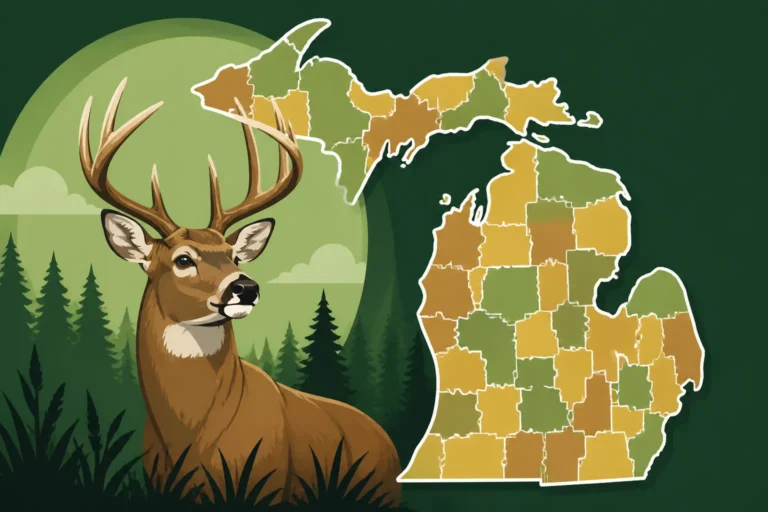
Deer Management Units (DMUs) are geographical areas the DNR uses to manage deer populations. Each DMU has a specific quota of antlerless licences allocated each year, determined by population estimates, harvest data from previous seasons, habitat conditions, and local concerns (like agricultural damage or deer-vehicle collisions). DMUs in the northern Lower Peninsula and Upper Peninsula, for instance, might have lower quotas due to harsher winters affecting deer survival, whereas southern Michigan farm country DMUs often have higher quotas to address overpopulation and crop damage. This quota system directly impacts your chances of drawing a tag and the availability of leftover licences. Before applying, it’s smart to research the specific DMU you're interested in, checking its historical quota and success rates. Resources like the DNR's interactive maps or a premium hunting app can help you visualize these boundaries and data points. This information is crucial for understanding Where Antlerless Quotas Are Set and strategizing your application.
Key Regulations and Restrictions for Antlerless Deer
Hunting antlerless deer in Michigan comes with its own set of rules, which are designed to ensure fair chase, promote ethical hunting, and protect the overall health of the deer herd. Understanding these specific regulations is paramount for a successful and legal hunt.
Legal Antlerless Deer Defined
In Michigan, an "antlerless deer" is quite simply any deer that does not have antlers, or any deer with antlers that are less than three inches in length. This is a critical definition, especially in areas with antler point restrictions (APRs), as it clarifies what you can harvest with an antlerless tag. It's not uncommon for young bucks, or "button bucks," to be mistaken for does, particularly in low light or thick cover. While technically considered antlerless for the purpose of this tag (if their antlers are less than three inches), intentionally harvesting a button buck can still feel like a mistake to many hunters who are trying to manage for older age class bucks. Always take the time to positively identify your target. When using an antlerless tag, you are explicitly targeting does and fawns. For a broader overview of what deer you can harvest, consult the guide on Michigan Deer Seasons and Tags.
Season Dates and Weapon Restrictions
Antlerless deer can be harvested during various deer seasons, but it's important to remember that your antlerless licence is only valid during specific antlerless seasons or as an additional tag during the regular archery, firearm, or muzzleloader seasons if allowed in your chosen DMU. Michigan has several dedicated antlerless opportunities, including the Early Antlerless Firearm Weekend, the Late Antlerless Firearm Season, and certain periods within the regular archery and muzzleloader seasons. The weapon restrictions for antlerless deer typically follow the rules of the season you are hunting in. For instance, during the regular firearm season, you'd use a legal firearm, while during archery season, you'd use a bow or crossbow. However, the early and late antlerless seasons are typically firearm-only. Always verify the specific dates and legal weapons for your DMU in the current year's hunting digest. These seasons, like Michigan Late Antlerless Firearm Dates and The Early Antlerless Firearm Dates, are put in place to give hunters maximum opportunity to fill antlerless tags when herd reduction is needed.
Carcass Movement and CWD Considerations
Chronic Wasting Disease (CWD) is a persistent and serious concern for deer management in Michigan. Due to the presence of CWD in certain areas, the DNR has implemented strict rules regarding the movement of deer carcasses, especially when crossing county lines or leaving a CWD Management Zone. Generally, you cannot transport a whole deer carcass out of a CWD Management Zone. You must process the deer down to deboned meat, quarters, or taxidermy-ready capes within the zone before transporting it. This rule is designed to prevent the spread of CWD prions to new areas. It's absolutely crucial to be aware of whether your hunting area is within a CWD zone and to comply with all associated regulations, including mandatory check stations or voluntary submission for testing. Ignorance of these rules is not an excuse, and violations can carry significant penalties. Always check the DNR website for the most current CWD zone maps and regulations, and plan your hunt and deer processing accordingly. You can find more information about Michigan CWD Rules and Test Sites and general Michigan Carcass Transport Restrictions to stay informed.
Maximizing Your Antlerless Hunting Opportunities
Successfully filling an antlerless tag often requires different strategies than pursuing a trophy buck. It's about understanding deer behavior, leveraging specific hunting seasons, and sometimes, working collaboratively with other hunters.
Scouting for Antlerless Deer
While big bucks might be notoriously reclusive, does often exhibit more predictable patterns, especially when it comes to food sources and bedding areas. Effective scouting for antlerless deer involves identifying these consistent patterns. Focus on areas with abundant forage – whether it's agricultural fields like corn and soybeans, mast crops like acorns, or specific browse plants in forested areas. Does and fawns will frequently visit these locations. Water sources, especially during dry periods, are also key congregating points. Look for heavy trail use, fresh droppings, and feeding sign. In public land settings, this might mean walking farther from access points to find less pressured pockets. Utilizing tools like GoHunt or similar mapping apps to identify potential food plots, thick cover for bedding, and water sources can give you a significant advantage. Remember, does are social animals, often moving in small groups, so if you find one, more are likely nearby. Getting out to scout before the season is key to Scouting Michigan Public Land Before Season effectively.
Hunting Specific Antlerless Seasons
Michigan offers several specific seasons designed for antlerless harvest, and knowing how to capitalize on each is essential. The Early Antlerless Firearm Weekend, typically held in September, can be fantastic in agricultural areas where deer are still in their summer patterns, frequently moving from bedding cover to fields. The weather can still be warm, so quick recovery and proper meat care are vital. The Late Antlerless Firearm Season, usually in December or early January, presents a completely different challenge and opportunity. Deer are often concentrated on critical winter food sources, and snow can make tracking easier. However, the cold requires robust clothing and patience. Archery season also allows for antlerless harvest, providing a long window, especially good for hunters who prefer stealth and close-range encounters. Each of these seasons demands a slightly different approach, from treestand placement to understanding daily deer movement based on food availability and hunting pressure. Successfully Filling a Michigan Antlerless Tag often comes down to choosing the right season for your specific hunting area. Also, understanding Hunting Michigan's Late Antlerless Season can be critical for filling those freezer tags.
Utilizing Group Hunting Strategies
Sometimes, the most effective way to harvest antlerless deer, especially in dense cover or larger tracts of land, is through group hunting strategies like deer drives. This is particularly common during the firearm seasons. A deer drive involves one or more "drivers" who slowly walk through a patch of cover, pushing deer towards "posters" positioned strategically to intercept the deer as they attempt to escape. When executed safely and ethically, deer drives can be incredibly effective for moving deer out of thickets or swamps where they might otherwise be unapproachable. It requires clear communication, a thorough understanding of the terrain, and strict adherence to safety protocols, including knowing your shooting lanes and what's beyond your target. These strategies are especially useful on larger parcels of public land or private land where you have permission. For hunters interested in this approach, learning about Deer Drives on Michigan State Land can provide valuable insights. It’s also a fantastic way to bond with fellow hunters and share the experience.
The Role of Antlerless Harvest in Michigan Deer Management
Beyond simply filling your freezer, the harvest of antlerless deer plays a crucial, interconnected role in the broader scheme of Michigan's wildlife management. It's about balancing ecological health with recreational opportunities and mitigating conflicts that arise when deer populations are out of sync with their environment.
Population Control and Herd Health
The primary ecological justification for antlerless harvest is population control. Left unchecked, deer herds can grow exponentially, leading to over-browsing that strips forests of understory vegetation, impacting critical food and cover for other wildlife species like ruffed grouse and songbirds. This overpopulation also stresses the deer themselves, making them more susceptible to disease and reducing their overall health and body condition. Thinning the doe population helps keep the herd within the carrying capacity of the land, ensuring that the remaining deer have ample food and resources, leading to healthier animals with stronger immune systems and better reproductive rates. This proactive management prevents situations where deer might face starvation during harsh winters, particularly in the Upper Peninsula where severe weather can significantly impact deer survival. Understanding What Severe Winters Do to Michigan Deer underscores the importance of a balanced population.
Addressing Agricultural Damage
For many farmers in Michigan, deer are more than just wildlife; they can be a significant economic burden. Large deer populations can cause extensive damage to crops, from newly sprouted soybeans to mature cornfields, leading to substantial financial losses. Antlerless harvest is one of the most effective tools for mitigating this conflict. By allowing hunters to take antlerless deer, especially in agricultural-heavy regions like southern Michigan, the DNR helps farmers protect their livelihoods. Often, private land antlerless permits are more readily available in these areas precisely because of this need. Hunters who gain permission on private farms are not just participating in a sport; they are often providing a valuable service to the agricultural community, helping to reduce crop destruction and fostering better relationships between landowners and hunters.
Data Collection and Future Management
Every antlerless deer harvested and reported contributes invaluable data to the DNR's ongoing management efforts. When you successfully harvest an antlerless deer and report it (which is legally required in Michigan), you are providing critical information on harvest rates, population distribution, and herd health indicators. This data, combined with field observations, aerial surveys, and other scientific methods, allows biologists to assess the effectiveness of current management strategies, identify areas where quotas might need adjustment, and forecast future deer populations. This continuous feedback loop is essential for adaptive management, ensuring that regulations are based on the most up-to-date scientific understanding. Without accurate harvest reporting, the DNR would have a much harder time making informed decisions, potentially leading to imbalances that negatively affect both deer and habitat. This is why it's so important to be diligent about Reporting a Michigan Deer Harvest within the specified timeframe.
Michigan Antlerless Deer Licence Details at a Glance
To help you keep track of the key information regarding Michigan antlerless deer licences, here's a handy table summarizing some crucial aspects.
| Aspect | Details |
|---|---|
| Application Period | Typically mid-July through early August for the initial drawing. |
| Over-the-Counter | Usually begins in mid-August for leftover tags; first-come, first-served. |
| Cost (Resident) | Approximately $20 for an antlerless licence (check current digest for exact prices). |
| Cost (Non-Resident) | Often included in a broader deer package (e.g., $190 for a statewide license with antlerless option). |
| DMU Specific | All antlerless licences are specific to a Deer Management Unit. |
| Land Type | Tags can be for "any land" (public or private) or "private land only." Verify before hunting. |
| Early Firearm Season | Specific weekend in September (dates vary annually). |
| Late Firearm Season | Specific period in December/early January (dates vary annually). |
| Reporting | All deer harvested must be reported to the DNR within 72 hours via online or phone. |
| CWD Zones | Strict carcass movement rules apply in CWD Management Zones. Debone before transport. |
This table provides a quick overview, but always remember to consult the Michigan DNR's current hunting digest for the most up-to-date and complete regulations.
Disclaimer
The information provided in this article is intended for general guidance and informational purposes only. While we strive to offer accurate and up-to-date content, hunting regulations, season dates, and licence requirements in Michigan are subject to change. It is the hunter's sole responsibility to consult the most current Michigan DNR hunting digest, official DNR website, or contact the DNR directly before participating in any hunting activity. Always prioritize safety, ethical hunting practices, and compliance with all applicable laws and regulations.