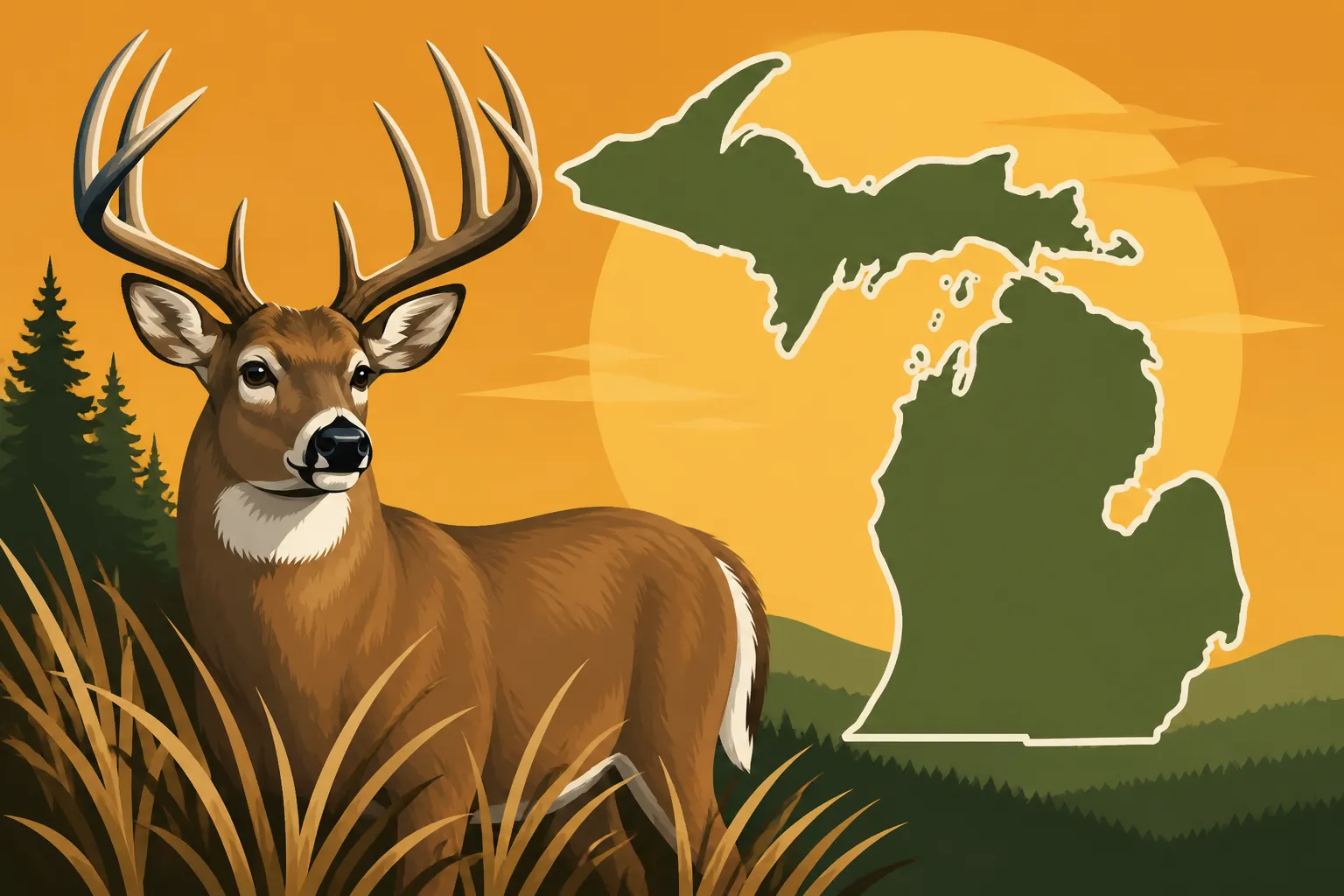
White-Tailed Deer Across Michigan
Hunting white-tailed deer in Michigan presents a unique set of challenges and triumphs, from navigating the vast, often brutal, landscapes of the Upper Peninsula to deciphering the movements of farm country bucks in the Lower. Many hunters struggle to understand the nuances of this diverse deer herd, feeling overwhelmed by regional differences, ever-changing regulations, and the constant threat of disease. This comprehensive guide is here to unravel the complexities, providing you with a realistic, in-depth look at Michigan's whitetails, their habitats, and what it takes to pursue them successfully across our incredible state.
The Majestic Whitetail: An Overview of Michigan's Deer Herd
Michigan's white-tailed deer are more than just a game animal; they are an iconic symbol of our state's wild beauty and a cornerstone of its hunting heritage. Understanding this diverse and dynamic population is the first step toward becoming a more effective and responsible hunter. From the dense cedar swamps to the rolling farmlands, deer adapt to incredibly varied landscapes, each presenting its own set of opportunities and management challenges.
Population Dynamics and Management Challenges
Michigan boasts one of the largest and most robust white-tailed deer populations in the Midwest, a testament to effective management and the resilience of the species. Estimates can fluctuate, but it's safe to say we have a thriving herd that provides ample opportunities for hunters. However, managing a population of this size is a complex dance, balancing ecological health with social and economic interests. We're not just talking about deer numbers; we're talking about everything from forest regeneration to deer-vehicle collisions and the impact on agricultural crops. It's a constant juggle, and the Michigan Department of Natural Resources (DNR) works tirelessly to gather data, listen to public input, and implement strategies that aim for a healthy, sustainable herd.
One of the biggest challenges lies in the sheer scale of Michigan's deer range. What works in one part of the state might be detrimental in another. For instance, winter survival rates in the Upper Peninsula are a far cry from those in the southernmost counties. The DNR utilizes a variety of tools, including mandatory harvest reports, aerial surveys, and field observations, to keep tabs on population trends, buck-to-doe ratios, and overall herd health. This data is critical for making informed decisions about antlerless quotas, season lengths, and other regulations designed to shape the herd. It’s a dynamic process, and as hunters, our participation in reporting harvests is a vital part of this larger effort.
Another significant hurdle is balancing hunter expectations with what the habitat can truly support. Everyone wants to see more deer, especially mature bucks, but an overpopulated deer herd can devastate forest ecosystems, reduce carrying capacity for other wildlife, and lead to increased disease transmission. It's a delicate balance, and sometimes the decisions made by the DNR, while unpopular with some, are based on sound ecological principles aimed at the long-term health of the resource. As hunters, it’s important we understand the "why" behind some of these decisions, even if we don't always agree with them.
Regional Differences: U.P. vs. Lower Peninsula
When we talk about white-tailed deer in Michigan, it's really like talking about two or even three distinct populations, primarily due to the vast geographical and climatic differences between the Upper Peninsula (U.P.) and the Lower Peninsula (LP). These regions present entirely different deer hunting experiences, shaped by habitat, weather, and hunting pressure.
The Upper Peninsula is often referred to as "big woods" country, characterized by vast tracts of public land, dense conifer swamps, mixed hardwood forests, and long, brutal winters. Here, deer densities are generally lower than in the Lower Peninsula. The deer that call the U.P. home are incredibly tough and resilient, having adapted to survive harsh conditions. Their movements are often dictated by the search for winter cover and food, leading to significant migrations to deer yards. Hunters in the U.P. often face deeper snow, colder temperatures, and larger areas to cover, making success a hard-earned reward. If you're heading north, understanding the unique challenges and rewards of Hunting the Michigan Upper Peninsula for Deer is essential.
In contrast, the Lower Peninsula, especially the southern half, is a mosaic of agricultural fields, woodlots, suburbs, and smaller state game areas. Here, deer densities can be significantly higher, benefiting from abundant food sources (corn, soybeans, alfalfa) and milder winters. Deer in the southern LP often have smaller home ranges, though they are highly influenced by crop cycles and localized hunting pressure. The northern Lower Peninsula acts as a transition zone, blending elements of both, with extensive state forests, cedar swamps, and some agricultural pockets. These regional differences profoundly impact deer size, behavior, and the tactics hunters employ. For instance, a southern Michigan hunter might spend their season focused on a standing cornfield, while a U.P. hunter is navigating miles of mixed timber. These variations mean that a one-size-fits-all approach to deer hunting simply doesn't work in Michigan.
Understanding Deer Behavior and Habitat in Michigan
To consistently put venison in the freezer or a tag on a mature buck, you need to think like a deer. This means understanding their daily routines, their preferred bedding and feeding areas, and how they react to different environmental cues. Michigan's diverse landscape offers an incredible variety of habitats, each with its own advantages and disadvantages for whitetails.
Key Habitat Types and Deer Preferences
Michigan is a tapestry of different ecosystems, and deer have adapted to thrive in almost all of them. Understanding these key habitat types and how deer utilize them is crucial for effective scouting and stand placement. Hardwood forests, common throughout much of the state, offer abundant food in the form of acorns and other mast crops, particularly in the fall. These areas provide excellent bedding cover in dense undergrowth or along ridges, and deer will often travel between these areas and feeding zones. Oak ridges, in particular, can be hot spots during the acorn drop.
Cedar swamps, especially prevalent in the northern Lower Peninsula and throughout the Upper Peninsula, are critical wintering grounds and year-round sanctuaries. These dense, lowland areas offer thermal cover from biting winds and deep snow, as well as browse during lean times. Deer will often bed deep within these swamps, making them incredibly difficult to hunt without proper strategy. Hunters who learn Reading a Michigan Cedar Swamp for Deer gain a significant advantage. Agricultural fields, scattered primarily across the southern Lower Peninsula, are massive food magnets. Deer will stage in nearby woodlots or cover before entering fields to feed, especially at dusk and dawn. These edges are prime locations for ambush, but identifying specific entry and exit points is key.
Finally, regenerating aspen cuts, clearcuts, and other timber openings are vital for deer in more forested regions. These areas provide dense browse and security cover for fawns and bedding areas for mature deer. The thick, regenerating growth creates excellent hiding spots and food sources that wouldn't exist in a mature, closed-canopy forest. Understanding how deer move through and utilize these different cover types, often traveling along the edges and transitions, is fundamental to successful deer hunting in Michigan.
Seasonal Movements and Food Sources
Deer aren't static; their movements and dietary preferences shift dramatically throughout the year, driven by the changing seasons and the availability of food and cover. In spring, after the long, lean winter, deer focus on succulent new growth, like clover, alfalfa, and tender shoots in forest openings. This is a time of recovery and antler growth for bucks, and nourishment for pregnant does. Summer sees them seeking out lush green fields, gardens, and rich browse, often moving into more open areas under the cover of darkness. They're trying to pack on as much weight as possible before the lean months ahead.
As fall approaches, the deer's focus turns intensely to mast crops. Acorns, especially from red and white oaks, become a primary energy source, critical for building fat reserves for winter and fueling the rut. Apple orchards, abandoned homesteads with fruit trees, and standing agricultural crops like corn and soybeans also become major draws. This is when a hunter's scouting pays dividends; locating these preferred food sources can reveal prime hunting locations. During the rut, bucks will expand their movements dramatically, driven by the urge to breed, often passing through areas they might not frequent during other times of the year, checking scrapes and rubbing trees along the way.
In the depths of winter, particularly in the northern half of Michigan, deer movements become more restricted. They seek out thermal cover in dense conifer stands, often congregating in traditional "deer yards" where they can find some protection from the elements and a limited amount of browse. This yarding behavior is a survival strategy, minimizing energy expenditure in deep snow and brutal cold. Understanding these seasonal shifts in diet and movement is paramount; a stand placed over a clover field in August will be useless over that same field in November. It’s all about being where the deer want to be, given the time of year. Knowing what Late-Season Food Sources for Whitetails are available can be a game changer when the snow starts to fly.
The Impact of Michigan's Winters on Deer
Michigan winters, particularly in the northern reaches, are legendary for their severity. While beautiful, they are also the single biggest natural factor influencing deer survival, herd health, and population dynamics across the state. Understanding this harsh reality is crucial for appreciating the resilience of our deer and the challenges of managing them.
The Harsh Realities of Upper Peninsula Winters
The Upper Peninsula experiences some of the most extreme winter conditions east of the Rocky Mountains. Deep snow, prolonged periods of sub-zero temperatures, and biting winds are the norm, not the exception. These conditions directly impact the deer herd, making survival a constant struggle. Fawns born in the previous spring are particularly vulnerable, as they haven't had a full year to build up fat reserves and learn survival skills. A harsh winter can decimate a fawn crop, leading to lower deer numbers in subsequent seasons.
The DNR monitors what's called the Winter Severity Index (WSI) in the U.P. This index combines the cumulative number of days with 10 or more inches of snow on the ground with the number of days with temperatures below 0°F. A higher WSI indicates a more severe winter and, consequently, higher deer mortality. When the snow piles up and temperatures plummet, deer are forced to expend immense amounts of energy simply to move and stay warm. This is why you'll see them congregating in traditional deer yards – dense conifer swamps that offer thermal protection and some limited browse. These yards, often passed down through generations of deer, are critical survival zones.
While deer yarding is a vital survival strategy, it also concentrates animals, making them more vulnerable to predation and, in some cases, disease transmission. These areas are truly sanctuaries, and responsible hunters and outdoor enthusiasts understand the importance of not disturbing deer in their winter yards, especially during times of high stress. The health of the U.P. herd is inextricably linked to the severity of these winters, making every mild winter a blessing and every harsh one a significant challenge for the deer and those who manage them. When planning your U.P. hunt, researching Upper Peninsula Deer Yarding and Winter Movement is an important piece of the puzzle.
Winter Stress and Recovery in the Lower Peninsula
While the Lower Peninsula generally experiences milder winters than the U.P., don't let that fool you into thinking deer here are immune to winter stress. The northern Lower Peninsula, especially regions like the northern Lower Michigan snow belt, can still receive significant snowfall and prolonged cold snaps that take a toll on the herd. Deep snow can hinder access to food, and persistent cold forces deer to burn through their fat reserves rapidly.
The impact of winter on the Lower Peninsula deer herd is often more subtle but no less significant. It can affect the overall body condition of does going into spring, which in turn impacts fawn survival rates and the health of new births. Bucks, too, can suffer, potentially affecting antler development in the upcoming season if they are stressed and lose too much weight. While extensive yarding behavior might be less pronounced than in the U.P., deer will still seek out dense cover in cedar swamps, thick conifer plantations, or even dense hardwood thickets to escape the worst of the weather.
Recovery from a severe winter takes time. A stressed herd needs a few good springs and summers to regain optimal health, which means plentiful food and favorable conditions for fawn recruitment. This recovery process directly influences antler growth, population numbers, and ultimately, hunting opportunities for the next few years. Biologists carefully monitor these trends to adjust antlerless quotas, aiming to balance harvest with the herd's ability to bounce back. Understanding How Long a Deer Herd Takes to Recover helps us appreciate the cyclical nature of deer populations and the importance of responsible management.
Antler Point Restrictions (APRs) and Big Buck Management
Antler Point Restrictions (APRs) are a management tool that has sparked considerable debate among Michigan hunters, yet their impact on the state's deer herd, particularly the age structure of bucks, is undeniable.
How APRs Work Across Michigan
Antler Point Restrictions are regulations designed to protect yearling bucks (often 1.5 years old) from harvest, allowing them to survive another year or two to reach older age classes and, ideally, grow larger antlers. The most common APR in Michigan is the "3-point rule," meaning a buck must have at least three points on one antler to be legal for harvest. These regulations are typically implemented on a Deer Management Unit (DMU) basis, meaning they apply to specific counties or groups of counties. The idea behind APRs is simple: if fewer young bucks are harvested, more will survive to grow larger antlers and potentially contribute to a more balanced age structure within the buck segment of the herd.
When APRs were first implemented in Michigan, the goal was to address hunter complaints about the lack of mature bucks and a perceived "young" deer herd. The strategy aims to allow bucks to live long enough to participate in the rut and pass on their genetics, as well as to simply give hunters the opportunity to pursue older, larger-antlered animals. The DNR uses public input, scientific research, and harvest data to determine where and when APRs are appropriate. It's a nuanced discussion, as some hunters prefer high deer numbers and any-buck opportunities, while others prioritize the chance at a mature buck.
The effectiveness of APRs is a continuous topic of discussion. While many hunters report seeing more mature bucks in APR units, others argue that it can lead to confusion in the field or an increased take of "cull" bucks that don't meet the point requirements but are still older deer. Regardless of individual opinions, hunters operating in an APR unit must be vigilant and careful to correctly count antler points before pulling the trigger, understanding What Counts as an Antler Point in Michigan. Failing to do so can result in serious penalties. For detailed information on specific areas, you can always check the official Michigan Antler Point Restrictions by DMU map provided by the DNR.
Chasing Michigan's Record Book Bucks
For many Michigan deer hunters, the ultimate dream is to harvest a true record book whitetail. And while Michigan might not be famous for giant bucks in the same way some Midwestern states are, our state consistently produces some absolute monsters, particularly from certain regions. The pursuit of these elusive animals is a blend of intense scouting, strategic hunting, and a fair bit of luck.
The vast majority of Michigan's biggest bucks, those that make it into the Boone and Crockett or Pope and Young record books, come from areas with a combination of exceptional nutrition, adequate age structure, and lower hunting pressure. The southern Lower Peninsula, with its rich agricultural lands providing a consistent and high-quality food supply, is a prime region for growing massive antlers. Counties in the southern tier, often bordering Ohio and Indiana, have a well-deserved reputation for producing some of the state's largest deer. You can learn more about these hotspots in our guide to the Best Michigan Counties for Big Bucks. While the Upper Peninsula has lower deer densities, it occasionally yields truly immense whitetails that have survived multiple harsh winters in the vast public lands, often benefiting from less human disturbance.
Successfully chasing record book bucks requires a deep understanding of deer behavior, meticulous scouting, and often, the willingness to pass up smaller deer. Many serious trophy hunters spend countless hours year-round, using tools like trail cameras, analyzing aerial imagery, and walking countless miles to find core areas, dominant scrape lines, and optimal bedding cover. Using platforms like GoHunt can significantly aid in this process, allowing hunters to identify prime public and private land parcels, analyze habitat features, and even track weather patterns that influence deer movement. While a Boone and Crockett buck is a rare achievement, Michigan certainly has the potential to produce them, making the pursuit an exciting challenge for dedicated hunters.
Major Threats to Michigan's Deer Herd
While Michigan's deer herd is generally robust, it faces significant threats, primarily from various diseases that can impact population health and hunter success. Staying informed about these issues is not just good practice; it's a critical part of being a responsible steward of the resource.
Chronic Wasting Disease (CWD)
Chronic Wasting Disease (CWD) is arguably the most serious long-term threat facing Michigan's deer herd, and indeed, deer populations across North America. It's a fatal neurological disease that affects cervids (deer, elk, moose) and is caused by abnormal proteins called prions. CWD is always fatal, and there is no known cure or vaccine. Symptoms include drastic weight loss, stumbling, listlessness, and other neurological signs.
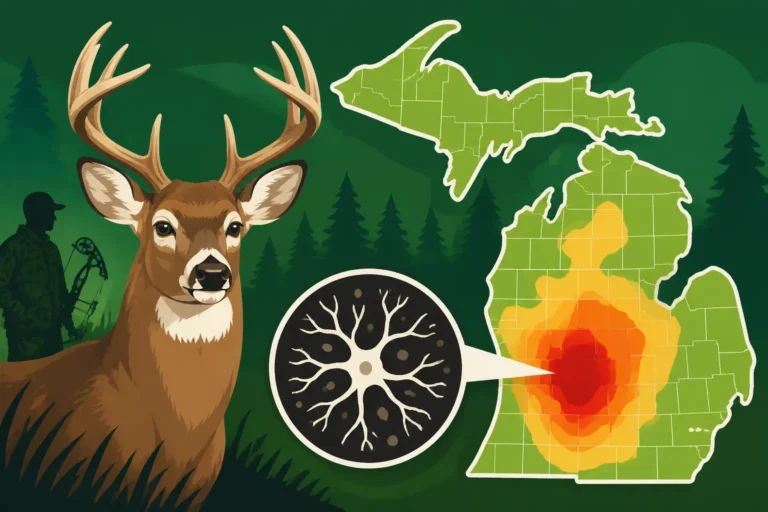
CWD was first detected in Michigan in 2015 in a free-ranging deer in Ingham County, and since then, it has been found in several other counties in the Lower Peninsula, primarily in the central and southwestern regions. The Michigan DNR has implemented a comprehensive CWD management plan that includes specific CWD Management Zones where hunting regulations are often modified, mandatory harvest checks or voluntary submission of heads for testing are encouraged, and carcass movement restrictions are in place. These restrictions aim to prevent the spread of the prions through infected deer parts. It is imperative for hunters to understand these rules, especially if hunting in an affected county, as transporting a deer carcass out of a CWD zone without proper processing can spread the disease further.
Hunters play a crucial role in monitoring and managing CWD. Submitting deer heads for testing, reporting sick-looking deer, and adhering to carcass transport regulations are all vital actions. While CWD has not been shown to be transmissible to humans, health agencies still recommend caution when handling and consuming venison from CWD-positive animals. The goal of management is to slow the spread and keep prevalence rates low, protecting the long-term health of our deer and the tradition of deer hunting. For more current information on affected areas and testing sites, refer to the Michigan DNR website, or check out our guide on Chronic Wasting Disease in Michigan.
Bovine Tuberculosis (bTB) and Other Diseases
Beyond CWD, another significant disease concern for Michigan's deer herd, particularly in a specific region, is Bovine Tuberculosis (bTB). This bacterial disease primarily affects cattle but can spill over into wildlife populations, especially deer. In Michigan, bTB has been a persistent issue in deer populations in the northeastern Lower Peninsula, mainly in Alcona, Alpena, Montmorency, and Oscoda counties. The disease can cause lesions in the lungs and other organs, and while not immediately fatal, it can weaken deer and make them more susceptible to other health issues.
The presence of bTB in wild deer poses a risk to livestock, and extensive efforts have been made by the DNR, Michigan Department of Agriculture and Rural Development (MDARD), and local stakeholders to manage and control its spread. This includes intense testing of harvested deer, restrictions on feeding and baiting, and targeted harvest strategies to reduce deer densities in affected areas. Hunters in this region are required to have their deer checked and often asked to submit specific samples for bTB testing. Understanding the history and impact of Bovine Tuberculosis in Michigan Deer is crucial for anyone hunting in this specific zone.
While CWD and bTB are the most prominent disease concerns, Michigan's deer can also be affected by other pathogens, albeit typically on a more localized or cyclical basis. Epizootic Hemorrhagic Disease (EHD), for example, is a viral disease transmitted by biting midges ("no-see-ums"). EHD can cause significant localized die-offs, especially during late summer and early fall droughts. Deer infected with EHD often appear feverish, have swollen tongues, and may seek water before succumbing to the disease. While EHD is not a long-term population threat, it can severely impact local deer numbers for a season or two. Responsible hunters report sick or dead deer to the DNR, contributing to ongoing wildlife disease surveillance efforts across the state.
Ethical Hunting Practices and Conservation
Hunting in Michigan is a privilege, not a right, and it comes with significant responsibilities. Ethical practices and a commitment to conservation are paramount to ensuring the future of our deer herd and our hunting heritage. This means not only adhering to regulations but also acting as stewards of the land and the animals we pursue.
Respecting the Resource: Field Dressing and Meat Care
One of the most fundamental ethical responsibilities of any deer hunter is to properly care for the animal after the shot. This starts with efficient and humane dispatch, followed by proper field dressing and rapid cooling of the carcass to preserve the venison. Nothing is more wasteful or disrespectful than letting good meat spoil. After a successful harvest, especially during Michigan's warmer early archery season or even a mild November day, immediate field dressing is critical. Removing the internal organs helps the carcass cool down rapidly, preventing bacterial growth that can taint the meat.
Once field dressed, the next step is getting the deer to a cooler environment as quickly as possible. This might mean dragging it out of the woods and getting it hung in a shaded, well-ventilated area, or even quartering it in the field if you're deep in the back forty and the temperatures are high. For those early season hunts, having game bags and ice in coolers ready to go is a smart move. In colder weather, like during the late muzzleloader season, the cold itself can be your best friend, allowing for more time to retrieve and process. However, even then, getting the hide off and the meat cooling properly is vital. Our guide on Field Dressing a Deer in Cold Weather offers practical tips for ensuring your venison remains top quality.
Beyond personal consumption, considering options like donating venison to local food banks or programs like "Hunters for the Hungry" is a fantastic way to honor the animal and contribute to your community. Many processing facilities participate in such programs, making it easy to share the bounty of your hunt with those in need. This act of giving not only provides nutritious protein but also helps change negative perceptions some non-hunters might have about hunting.
Hunter Responsibility and Public Land Ethics
As hunters, we are often the most ardent conservationists, and our actions on public lands reflect on the entire hunting community. Respecting the resource extends beyond just the animal; it includes the land it lives on and the other users who share that space. Public lands in Michigan, whether state forests, game areas, or national forests, are a tremendous resource, but they require responsible use. This means adhering to "Leave No Trace" principles: pack out everything you pack in, avoid damaging natural features, and minimize your impact on the environment.
Part of this responsibility involves knowing and strictly following all hunting regulations. This includes understanding season dates, bag limits, antler point restrictions, baiting rules, and legal shooting hours. Ignorance of the law is no excuse, and violations not only carry penalties but also damage the reputation of all hunters. If you witness illegal activity, such as poaching or trespassing, reporting it to the DNR's Report All Poaching (RAP) hotline is an important duty. We are the eyes and ears in the woods, and protecting our wildlife from those who disrespect it is paramount.
Finally, consider your impact on other public land users. Hikers, birdwatchers, mountain bikers, and other outdoor enthusiasts have just as much right to enjoy these spaces as hunters. Being courteous, wearing hunter orange when required, and being mindful of noise and visibility can go a long way in fostering a positive image of hunting. Utilizing mapping tools like those offered by GoHunt, which integrate with Michigan's Mi-HUNT data, can help you navigate public land boundaries, identify access points, and plan your hunt to minimize conflicts with other users, ensuring a positive experience for everyone. Our commitment to ethical conduct is how we safeguard our hunting privileges for generations to come.
Future Outlook and Adaptations for Michigan Deer Hunters
The landscape of Michigan deer hunting is constantly evolving. From shifts in regulations to the influence of technology, hunters need to be adaptable and informed to continue their success and contribute to the future of the sport.
Adapting to Changing Regulations and Environmental Factors
Michigan's hunting regulations are not static; they are dynamic tools used by the DNR to manage wildlife populations, respond to disease outbreaks, and address social concerns. Over the years, we've seen significant changes, such as the statewide baiting ban in the Lower Peninsula, adjustments to antler point restrictions in various DMUs, and modifications to season dates. These changes, while sometimes inconvenient, are typically implemented based on scientific data and public input to ensure the long-term health of the deer herd. Hunters who embrace these changes, rather than resist them, are often more successful. Staying informed through the DNR website, local news, and reputable hunting publications is crucial. Our piece on Why Michigan Banned Baiting provides a good example of how and why regulations change.
Beyond regulations, environmental factors are also constantly at play. Climate change, for example, is influencing Michigan's weather patterns, potentially leading to milder winters in some areas or more extreme weather events in others. This can impact deer habitat, food availability, and even disease prevalence. Understanding these broader ecological shifts can help hunters adapt their strategies, perhaps focusing on different food sources or recognizing new bedding areas as the environment changes. It's about being observant, learning from each season, and recognizing that deer are always adapting, and we should too.
Furthermore, human population growth and development continue to fragment habitat, especially in the southern Lower Peninsula. This necessitates more creative hunting strategies, whether it's gaining permission on smaller private tracts or finding overlooked pockets of public land. The days of simply heading into the woods without a plan are fading. The adaptable hunter, willing to learn new techniques, embrace new regulations, and understand the bigger picture of wildlife management, will be the most successful in the years to come.
The Role of Technology and Scouting
The digital age has revolutionized how we approach deer hunting, especially when it comes to scouting and in-field navigation. Gone are the days when a paper map and compass were your only tools. Today, a wealth of technology is available to give hunters an edge, from detailed mapping applications to advanced trail cameras.
GPS-enabled phone apps, like those integrating with the Michigan Mi-HUNT map, allow hunters to analyze aerial photos, identify public and private land boundaries, pinpoint critical habitat features like food plots and thick cover, and even mark treestand locations and deer sign. Platforms like GoHunt take this a step further, offering layers of data that can show historical fire activity, timber cuts, and even public land access points that might otherwise go unnoticed. This kind of detailed information allows hunters to "e-scout" extensively before ever stepping foot in the woods, saving valuable time and potentially uncovering hidden gems, especially on heavily pressured public land. You can delve deeper into this topic by exploring Using Michigan's Mi-HUNT Map.
Trail cameras, once a luxury, are now standard equipment for many deer hunters. They provide invaluable intelligence on deer movements, herd composition, and buck activity patterns. Placing cameras on scrape lines, pinch points, or near food sources can help confirm deer presence, identify specific bucks, and even pattern their travel times. While technology is a powerful tool, it's important to remember that it's a supplement to, not a replacement for, time spent in the woods. Nothing beats boots-on-the-ground scouting for truly understanding deer behavior and the nuances of a specific piece of property. The combination of cutting-edge tech and traditional woodsmanship is the most potent formula for success in modern Michigan deer hunting.
Michigan's Diverse Hunting Seasons
Michigan offers an incredible array of opportunities for deer hunters throughout the fall and early winter, with distinct seasons catering to different preferences and weapons. Understanding the timing and characteristics of each season allows hunters to maximize their time afield.
Archery, Firearm, and Muzzleloader Opportunities
Michigan's deer hunting calendar kicks off with the archery season, typically opening on October 1st. This is a long season, running through mid-November, then reopening in early December for a final push. When Michigan's Archery Season Opens is a date many hunters eagerly await. Early archery offers warm weather challenges but also the chance to hunt deer in their predictable pre-rut patterns over food sources. As the season progresses into late October and early November, hunters can experience the thrill of the rut, when bucks are actively seeking does and are more vulnerable to calling and decoy strategies. Bowhunting requires a different skill set, emphasizing stealth, close-range accuracy, and often, extensive patience from a treestand or ground blind.
The November firearm season is arguably Michigan's most popular and iconic hunting period. Opening on November 15th, it’s a time when thousands of hunters flock to deer camp, and the woods come alive with activity. This season often coincides with the peak of the rut, making for exciting encounters. The choice of legal firearms varies depending on the region of Michigan, with straight-walled cartridges and shotguns being mandated in the southern Lower Peninsula's "limited firearm zone," while rifles are permitted in the northern Lower Peninsula and Upper Peninsula. The intense pressure during the firearm season often forces deer into thicker cover, requiring hunters to adapt their tactics, perhaps by still-hunting or participating in deer drives. For a deeper dive into Michigan's deer hunting periods, check out Michigan Deer Seasons and Tags.
Finally, the muzzleloader season typically runs for a few weeks in December. This season provides a challenging but rewarding opportunity to hunt deer in colder weather, often with snow on the ground. Muzzleloading requires a different level of commitment, with attention to keeping powder dry and understanding the limitations of the weapon. Deer during this time are often focused on late-season food sources and bedding down in thick thermal cover. Success in the muzzleloader season often comes down to tracking in the snow, hunting overlooked pockets of cover, and enduring the late-season chill.
Special Hunts and Antlerless Opportunities
Beyond the main seasons, Michigan offers several special hunts and opportunities for hunters to pursue antlerless deer, which are crucial for effective herd management and putting meat in the freezer. The "Liberty Hunt" and "Independence Hunt" are special firearm deer hunts specifically for youth hunters and hunters with disabilities, providing dedicated periods with potentially less pressure and focused opportunities. Hunting the Liberty Hunt With a Youth can be an incredibly rewarding experience, fostering a love for the outdoors in the next generation.
Antlerless deer tags are a key component of Michigan's deer management strategy, allowing hunters to help control local deer populations and balance buck-to-doe ratios. These tags are often available for specific DMUs and can be purchased over the counter in many areas, though some highly sought-after units may require an application. Utilizing these antlerless tags is not just about filling the freezer; it's a direct contribution to herd health, ensuring that the population remains within the carrying capacity of the land and reducing potential impacts like crop damage or disease spread.
Michigan also offers a "Late Antlerless Firearm Season" in December, after the general firearm and muzzleloader seasons. This hunt, often held in specific DMUs, provides an additional opportunity to harvest antlerless deer, further contributing to population management, especially in areas with higher deer densities. These late-season hunts can be challenging due to cold weather and wary deer, but they often present unique opportunities, particularly around remaining food sources. Understanding the details of Michigan Late Antlerless Firearm Season can unlock additional hunting days and venison for your family. All these varied seasons and opportunities highlight Michigan's commitment to both hunter access and responsible wildlife management.
Michigan Deer Hunting Overview
| Region | General Deer Density | Primary Habitat Types | Typical Hunting Pressure | Antler Quality Potential | Winter Severity Impact |
|---|---|---|---|---|---|
| Upper Peninsula (U.P.) | Lower | Vast Forests (Hardwoods, Conifers), Cedar Swamps | Moderate to Low | Good, but Lower Density | High |
| Northern Lower (NL) | Moderate | Mixed Forests, Aspen/Pine Cuts, Swamps, Some Ag | Moderate to High | Moderate to Good | Moderate |
| Southern Lower (SL) | High | Agricultural Fields, Woodlots, Suburban Green Spaces | High | Excellent | Low |
Disclaimer
The information provided in this guide is for general informational purposes only and is not a substitute for official regulations. Hunting regulations in Michigan can change frequently. Always consult the current year's Michigan DNR Hunting Digest or visit the official DNR website (Michigan.gov/DNR) for the most up-to-date and complete rules and regulations before heading afield. It is the hunter's responsibility to know and follow all applicable laws.