Bovine Tuberculosis in Michigan Deer
There's nothing quite like the crisp air of a Michigan autumn morning, the rustle of leaves underfoot, and the promise of a whitetail deer sighting. But for many hunters, especially those in our beautiful northeastern Lower Peninsula, that excitement is often tempered by a quiet worry: Bovine Tuberculosis. It’s a serious concern that can feel confusing and even a little scary, not just for the health of our deer herd, but for our families and our own hunting traditions. This guide is here to walk you through everything you need to know about Bovine TB in Michigan deer, from understanding the disease itself to safe hunting practices and how we, as a community, are working to manage it.
Understanding Bovine Tuberculosis: A Persistent Threat
Bovine Tuberculosis, or Bovine TB as it's commonly known, has been a significant wildlife disease management challenge here in Michigan for decades. It's a bacterial disease that primarily affects cattle but can spread to other mammals, including our wild deer populations. It's not a new phenomenon, but its presence creates unique challenges for hunters and wildlife managers alike.
What Exactly is Bovine TB?
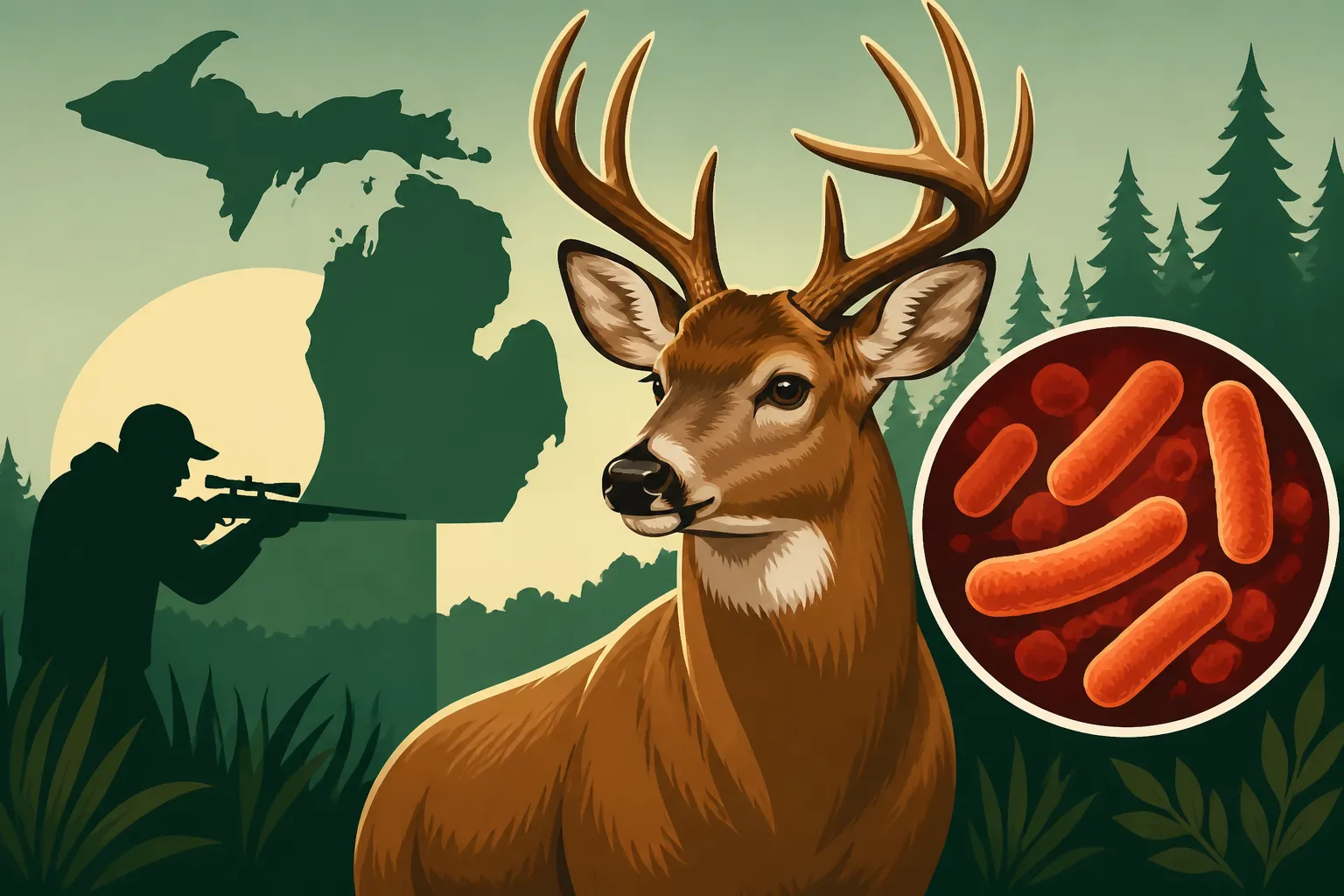
At its heart, Bovine TB is caused by the bacterium Mycobacterium bovis. This isn't some fast-acting virus that sweeps through a herd overnight; it's a slow, progressive bacterial infection. When an animal contracts Bovine TB, the bacteria typically cause lesions, or abnormal growths, to form in various organs, most commonly the lungs and lymph nodes. Over time, these lesions can expand and become quite severe, ultimately debilitating the animal. Think of it like a persistent, insidious enemy slowly taking hold. It's a chronic disease, meaning deer can carry it for a long time without showing obvious external signs, making it harder to detect in the wild.
The bacteria themselves are quite resilient. They can survive in the environment for weeks or even months under certain conditions, especially in cooler, moist settings. This environmental persistence is a big part of why it's so challenging to eradicate once it establishes a foothold in a wild population.
How Bovine TB Spreads Among Deer
Understanding how Bovine TB moves through our deer herd is crucial to understanding the management strategies in place. The primary mode of transmission among wild deer is through close, prolonged contact with infected animals. Imagine deer congregating at a shared food source, a salt lick, or even just bedding down in close proximity – these are prime opportunities for the bacteria to spread.
The bacteria are shed through respiratory secretions (coughing, sneezing), saliva, urine, and feces. So, if an infected deer coughs near a food plot or drinks from a shared water source, it can leave behind M. bovis that other deer can then ingest or inhale. This is why practices that encourage deer to gather in unnaturally high densities, like baiting or feeding, have been identified as major contributors to the spread of the disease. The more deer rub noses, so to speak, the easier it is for Bovine TB to find new hosts. The history of this disease in Michigan is deeply intertwined with these behaviors, leading to significant changes in our Michigan Baiting and Feeding Rules.
Symptoms and Signs in Infected Deer
Spotting a deer infected with Bovine TB in the wild can be incredibly difficult, especially in the early stages. Remember, it's a slow-acting disease. Many deer will appear perfectly healthy externally, even if they're carrying the infection internally. However, as the disease progresses, some signs might become apparent.
Advanced cases of Bovine TB in deer can manifest as general poor health, weight loss, or a dull coat. A deer might look emaciated or just "off." The most definitive signs, however, are found during field dressing. Hunters should look for yellowish or tan lesions, often gritty or pus-filled, in the lymph nodes (especially those in the head, throat, and chest cavity), lungs, and sometimes the liver or spleen. These lesions can range in size from tiny pea-sized spots to large, golf-ball-sized growths. They don't look like normal healthy tissue, and once you see them, they're generally quite distinct. It’s important to familiarize yourself with what healthy deer organs look like, so you can easily identify anything unusual.
The History and Hotspots of Bovine TB in Michigan
Michigan's experience with Bovine TB is a long and challenging one, deeply rooted in a specific region of our Lower Peninsula. It's a story of discovery, adaptation, and ongoing management efforts.
Where Bovine TB First Appeared
The saga of Bovine TB in Michigan's wild deer herd began back in the mid-1990s. The first confirmed case in a free-ranging deer was discovered in 1994, specifically in Alcona County, located in the northeastern Lower Peninsula. This discovery sent shockwaves through the hunting and agricultural communities. Prior to this, Bovine TB was primarily considered a disease of livestock, and its appearance in a wild population was a serious wake-up call.
Initially, it was believed the disease had likely jumped from infected cattle to deer, potentially through shared feed or pasture. The presence of the disease in the wild deer herd then created a reservoir, making eradication in both livestock and wildlife incredibly complex. The initial focus quickly turned to understanding the scope of the problem and implementing strategies to contain it, especially to prevent its spread to other deer populations and back into cattle herds.
Why Northeast Michigan Remains the Epicenter
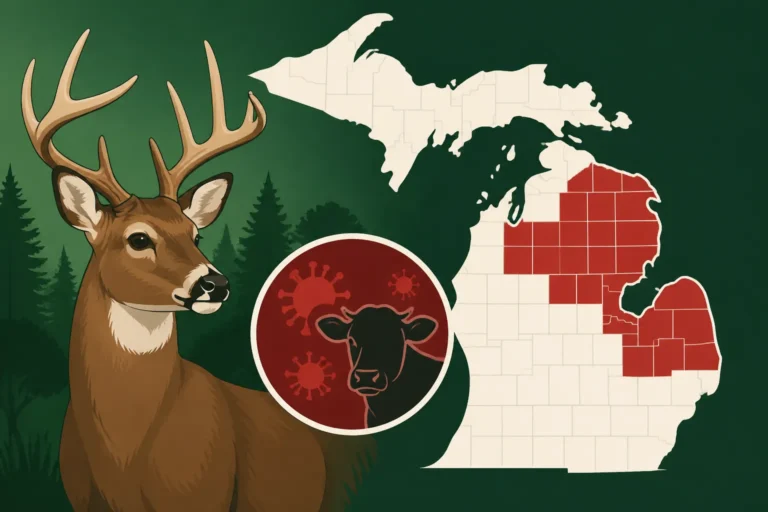
Even decades later, the northeastern Lower Peninsula continues to be the primary concern zone for Bovine TB in Michigan. Areas like Alcona, Alpena, Montmorency, and Oscoda counties are often highlighted on DNR maps as the "Bovine TB Area." There are several interconnected reasons why this region remains the epicenter:
- Intermixing with Cattle: Historically, this region has a significant number of cattle farms, and the interface between wild deer and domestic livestock has been a critical factor. While farmers have made tremendous efforts to secure their feed and prevent interaction, the historical and ongoing proximity plays a role.
- Deer Density: The habitat in this area can support relatively high deer densities. When deer numbers are high, and they concentrate in specific areas due to habitat features or human activities, the chances of nose-to-nose transmission increase dramatically.
- Baiting and Feeding History: For many years, baiting and recreational feeding of deer were common practices in Michigan. In the northeastern Lower Peninsula, this practice created artificial congregation points for deer, exacerbating the spread of the disease. Even after the ban, the legacy of these practices contributed to the disease's entrenchment. You can learn more about this in our article Why Michigan Banned Baiting.
- Habitat: The landscape of the region, with its mix of agricultural lands, forests, and swamps, provides ample cover and food sources for deer, maintaining a healthy population that unfortunately also serves as a host for the bacteria.
Michigan's Management Strategies Over Time
Michigan's Department of Natural Resources (DNR) and Department of Agriculture and Rural Development (MDARD), along with numerous stakeholders, have implemented a multi-faceted approach to manage Bovine TB. This isn't a simple fix; it's a long-term battle requiring continuous effort.
Early strategies focused heavily on culling infected cattle herds and reducing deer numbers in affected areas to lower overall deer density and thus, reduce transmission rates. This included issuing additional antlerless deer permits in the Bovine TB management zone.
One of the most impactful changes was the statewide ban on baiting and feeding deer in 1998, which was later modified to a ban in specific counties where CWD (Chronic Wasting Disease) or TB was present. This was a highly contentious issue among hunters, but it was deemed essential to curb disease transmission. While some changes have occurred, the ban remains largely in place in the affected counties.
The DNR also established mandatory deer testing in the Bovine TB management zone. Hunters harvesting deer in certain DMUs (Deer Management Units) are often required or strongly encouraged to submit their deer for testing, particularly the heads. This data is vital for tracking the disease's prevalence and geographic spread. You can often find details on which DMUs are affected by using resources like Michigan's Mi-HUNT Map. Intensive surveillance, educational campaigns, and close cooperation between wildlife managers, farmers, and hunters continue to be cornerstones of the management plan.
The Impact of Bovine TB on Hunters and Deer Management
Bovine TB has profoundly reshaped the hunting experience in parts of Michigan. It's not just about the science; it's about the practical realities for those of us who spend time in the woods and rely on wild game for food.
Mandatory Testing and Carcass Restrictions
For hunters pursuing deer in the designated Bovine TB Area of the northeastern Lower Peninsula, specific rules are in place that are different from other parts of the state. It's absolutely critical to be aware of these. The Michigan DNR designates specific counties and Deer Management Units (DMUs) where Bovine TB testing is mandatory or highly recommended for harvested deer. For instance, in some core areas, hunters are required to submit their deer's head for testing at designated check stations or drop-off sites within a certain timeframe, typically 72 hours, after harvest. This means your normal routine of Reporting a Michigan Harvest in 72 Hours takes on an added step.
Beyond testing, there are often carcass transport restrictions. To prevent the potential spread of the disease to unaffected areas, hunters may be restricted from moving certain parts of a deer carcass out of the Bovine TB Area until a negative test result is confirmed. This means careful planning is required if you harvest a deer in one of these counties and intend to process it elsewhere. Hunters need to stay updated on the most current regulations, which can be found on the Michigan DNR website or through hunting apps like GoHunt that integrate up-to-date DMU information and regulations. These rules are not meant to be a nuisance but are crucial public health and wildlife management measures.
Changes to Hunting Practices
The most significant and often discussed change directly related to Bovine TB has been the ongoing baiting ban in the affected counties. For generations, baiting was a common practice for many deer hunters, and its removal was met with understandable frustration. However, the science strongly suggests that concentrating deer at bait piles facilitates the transmission of diseases like Bovine TB by increasing direct contact among animals and contaminating the environment with bacteria.
This ban has forced hunters to adapt. Instead of relying on a bait pile, many hunters have shifted to more traditional methods:
- Scouting for natural food sources: Focusing on acorns, natural browse, or agricultural fields.
- Utilizing cover and travel corridors: Identifying funnels, pinch points, and bedding areas.
- Improving habitat: Some landowners actively manage their property to create attractive food plots or cover, effectively replacing bait with sustainable food sources.
- Still-hunting and tracking: Moving slowly through the woods to locate deer in their natural environment.
While adapting can be challenging, many hunters have found that these methods lead to a deeper understanding of deer behavior and a more rewarding hunting experience. It emphasizes the true challenge of the hunt rather than the attraction of an artificial food source.
The Broader Picture: Disease Management and Herd Health
The DNR's goals in managing Bovine TB extend far beyond just controlling the immediate spread. It's about maintaining a healthy, sustainable deer herd and protecting Michigan's agricultural industry. The cooperation of hunters is paramount in this effort.
Hunter participation in mandatory testing provides critical data on disease prevalence and helps identify any new outbreaks or shifts in the disease's geographic range. By adhering to baiting bans and carcass movement restrictions, hunters directly contribute to preventing further spread. This collective effort safeguards not only our deer but also protects our cattle industry from devastating financial losses and protects public health. Michigan’s experience with diseases like Bovine TB, and even Chronic Wasting Disease in Michigan, highlights the intricate connection between wildlife health, domestic animal health, and human activity.
The long-term outlook involves continued surveillance, research into new detection methods, and ongoing education. It's an uphill battle, but one that Michigan is committed to fighting to ensure the health of our wildlife and the future of our hunting heritage.
Minimizing Risks: Safe Handling and Processing for Hunters
It's natural to have concerns about handling deer from an area known to have Bovine TB. However, with proper precautions, hunters can safely field dress, process, and consume venison from Michigan deer. The key is knowledge and hygiene.
Field Dressing and Handling Precautions
When you're out in the woods, and you've successfully harvested a deer, the adrenaline is pumping. But in areas where Bovine TB is a concern, it's essential to slow down and follow some critical safety steps during field dressing:
- Wear Gloves: This is non-negotiable. Always wear disposable rubber or latex gloves when field dressing any deer, especially if you're in a Bovine TB management zone. This creates a barrier between you and any potential bacteria or other pathogens.
- Inspect Organs Carefully: As you open up the deer, pay close attention to the lymph nodes (especially those around the jaw, throat, and chest), lungs, and liver. Look for any abnormalities like the yellowish, gritty lesions described earlier. If you see anything suspicious, document it.
- Minimize Contact with Lesions: If you do encounter lesions, avoid cutting through them. This prevents spreading the bacteria to other parts of the carcass or your hands.
- Proper Disposal of Organs: In Bovine TB areas, it's often recommended to leave the internal organs at the kill site. If you must remove them, double bag them and dispose of them in a sanitary landfill, or bury them deeply. Do not feed them to pets or other animals.
- Thorough Handwashing: After you've finished field dressing, remove your gloves and wash your hands thoroughly with soap and water (or use hand sanitizer if soap and water aren't immediately available) before touching anything else.
These precautions are not just for Bovine TB; they are good practice for preventing the transmission of any potential diseases and ensuring food safety, whether you're Field Dressing a Deer in Cold Weather or on a warm October day.
Identifying and Reporting Suspect Deer
If, while field dressing, you notice any lesions or other signs suggestive of Bovine TB, it's crucial to report it. Do not discard the carcass and keep quiet. You are a frontline sentinel for wildlife health!
- Do Not Panic: Finding something suspicious can be alarming, but remember that the vast majority of deer tested in Michigan do not have Bovine TB.
- Preserve the Evidence: If you see lesions, try to keep the affected organs cool and intact. Do not trim around them excessively or discard them.
- Contact the DNR: Immediately contact your local Michigan DNR office or the nearest check station. They will provide instructions on how to submit the deer for testing. Be prepared to provide the location of the harvest (GPS coordinates if possible), your contact information, and details about what you observed.
- Follow Instructions: The DNR will guide you through the process, which may involve bringing the entire carcass or specific organs to a designated location for examination by a wildlife veterinarian or biologist.
Your prompt action can help the DNR monitor the disease and prevent further spread, ultimately benefiting the entire deer herd and the hunting community.
Safe Consumption of Venison
Many hunters worry about eating meat from deer harvested in areas with Bovine TB. Here's the good news: Bovine TB is treatable in humans, and following basic food safety guidelines significantly minimizes risk. The most important thing is to not consume meat from an animal confirmed to have Bovine TB.
- Wait for Test Results: If your deer came from a mandatory testing area or showed suspicious lesions, do not consume the meat until you receive a negative test result from the DNR. This is paramount.
- Discard Affected Parts: If lesions are found in specific organs (lungs, liver, lymph nodes), those organs should be discarded. The muscle meat, however, is generally considered safe for consumption if the lesions are localized and the rest of the carcass appears healthy, and a negative test is confirmed.
- Thorough Cooking: Always cook venison to an internal temperature of at least 160°F (71°C). This temperature effectively kills M. bovis bacteria, as well as other common foodborne pathogens. A meat thermometer is your best friend here, whether you’re Butchering a Deer at Camp or preparing a meal at home.
- Cleanliness in Processing: Use dedicated cutting boards, knives, and utensils for wild game meat. Clean and sanitize all surfaces and equipment that come into contact with raw venison using a bleach solution (one tablespoon of bleach per gallon of water) after use.
- Compare to CWD: It's important to differentiate Bovine TB from Chronic Wasting Disease (CWD). While both are serious, Bovine TB is a bacterial infection and affects different parts of the animal, and there's a strong emphasis on cooking to kill the bacteria. CWD is a prion disease and has different recommendations regarding consumption.
By taking these steps, you can confidently enjoy the delicious and natural venison that Michigan's deer provide, while also being a responsible steward of our wildlife.
Table: Michigan Bovine TB Management Zone Snapshot (Northeast Lower Peninsula)
| County (Primary Concern) | Current Bovine TB Status (Deer) | Baiting/Feeding Restrictions | Testing Recommendations/Requirements | Carcass Movement Rules (General) |
|---|---|---|---|---|
| Alcona | Endemic, active surveillance | Prohibited statewide | Mandatory/Highly Encouraged | Restricted from leaving Zone |
| Alpena | Endemic, active surveillance | Prohibited statewide | Mandatory/Highly Encouraged | Restricted from leaving Zone |
| Montmorency | Endemic, active surveillance | Prohibited statewide | Mandatory/Highly Encouraged | Restricted from leaving Zone |
| Oscoda | Endemic, active surveillance | Prohibited statewide | Mandatory/Highly Encouraged | Restricted from leaving Zone |
| Presque Isle | Monitored, occasional detections | Prohibited statewide | Encouraged | Check DNR for specifics |
| Cheboygan | Monitored, occasional detections | Prohibited statewide | Encouraged | Check DNR for specifics |
Note: This table provides a general overview. Specific regulations, particularly regarding mandatory testing and carcass movement, can change based on current disease prevalence and DNR findings. Always consult the most up-to-date Michigan DNR hunting regulations for the exact DMU you plan to hunt.
Disclaimer
The information provided in this guide is for general informational purposes only and does not constitute official legal or scientific advice. Hunting regulations, disease prevalence, and management strategies can change. Always consult the official Michigan Department of Natural Resources (DNR) and Michigan Department of Agriculture and Rural Development (MDARD) websites, publications, or contact their offices directly for the most current and accurate information before engaging in any hunting activities. Hunters are responsible for knowing and following all applicable laws and regulations.