Michigan Baiting and Feeding Rules
Trying to make sense of Michigan's deer baiting and feeding rules can be a real headache, right? It feels like the regulations change constantly, leaving many of us scratching our heads and wondering if our tried-and-true methods are suddenly illegal. For decades, a simple bait pile was a common sight, but now, the legal landscape is far more complex. This comprehensive guide is here to cut through the confusion, clearly explain the current statewide ban, and help you understand exactly what you can and cannot do when it comes to attracting deer in the Great Lakes State.
Understanding the "Why" Behind the Ban
It’s easy to get frustrated with hunting regulations, especially when they disrupt long-standing traditions like deer baiting. But before we dive into the specifics of the ban, it’s crucial to understand the driving forces behind these decisions. Michigan’s Department of Natural Resources (DNR) doesn't just make rules on a whim; these policies are carefully considered responses to very real threats to our deer herd. The primary concerns revolve around highly contagious wildlife diseases that can devastate populations, impact human health, and fundamentally alter the future of deer hunting.
The Threat of Chronic Wasting Disease CWD
The biggest bogeyman in the room, and arguably the main reason for the statewide baiting ban, is Chronic Wasting Disease (CWD). This isn't just a Michigan problem; it’s a terrifying, fatal neurological disease affecting cervids, which include deer, elk, and moose. CWD slowly destroys the brain, leading to emaciation, abnormal behavior, and ultimately, death. What makes it so insidious is that it's caused by prions, not bacteria or viruses, which means it can persist in the environment for years, even decades. Once a CWD-infected deer sheds these prions through saliva, urine, or feces, they can contaminate the soil and vegetation, creating a lasting reservoir for the disease.
When deer gather in close proximity, say, around a bait pile, the risk of CWD transmission skyrockets. Infected deer can directly transmit the prions to healthy deer through nose-to-nose contact, shared saliva, or by contaminating the bait itself. It creates a perfect scenario for rapid disease spread, turning a popular hunting spot into a potential CWD hotspot. The DNR has found CWD in several counties, particularly in the Lower Peninsula, and the fear is that baiting could accelerate its spread across the state, making it even harder to manage. This is a topic so important, we have a whole article dedicated to the specifics of Chronic Wasting Disease in Michigan.
Bovine Tuberculosis bTB Concerns
While CWD is a widespread concern, another disease, Bovine Tuberculosis (bTB), has historically influenced baiting rules, particularly in the northeast Lower Peninsula. Bovine TB is a bacterial disease that can affect deer, cattle, and even humans, though human transmission is rare. In Michigan, a small, persistent cluster of bTB has been identified in wild deer populations, primarily in parts of Alcona, Alpena, Montmorency, and Oscoda counties. Like CWD, bTB spreads when animals congregate, often through respiratory secretions or shared food sources.
The presence of bTB, particularly given its potential to jump to livestock, has always been a major concern for both wildlife management and agricultural industries. While CWD ultimately drove the statewide ban, the ongoing presence of bTB in specific areas served as an early warning about the dangers of artificial feeding and baiting. The history of trying to control bTB in the northeastern Lower Peninsula by restricting feeding played a significant role in shaping the broader understanding of disease transmission risk. Understanding the full picture of Bovine Tuberculosis in Michigan Deer is key to appreciating the complexity of these regulations.
Concentration of Deer and Disease Transmission
At its core, the reason for the baiting and feeding ban boils down to one simple, yet critical, biological principle: the concentration of deer. Any practice that artificially draws deer together in unnaturally high densities creates a perfect petri dish for disease transmission. Whether it's CWD prions, bTB bacteria, or other pathogens, the more animals that share a small space and repeatedly touch the same surfaces, the faster diseases can spread.
Beyond disease, concentrating deer can also lead to increased stress, greater competition for resources, and even changes in natural behavior patterns. A bait pile doesn't just attract deer; it changes their movement, their social interactions, and their reliance on natural food sources. The DNR's goal is to maintain a healthy, free-ranging deer herd that exhibits natural behaviors and relies on the vast natural forage Michigan provides. Removing artificial attractants is a proactive step to prevent the ecological and health problems associated with unnaturally concentrated wildlife.
The Current State of Michigan's Baiting Ban
For many years, Michigan had a patchwork of baiting regulations. Some areas were completely banned, others allowed it under certain conditions, and the Upper Peninsula often had different rules. This created a lot of confusion. However, the situation has become much clearer, albeit more restrictive, in recent years. The Michigan Natural Resources Commission (NRC), in consultation with the DNR, made a significant decision to implement a comprehensive ban to combat the ongoing threat of CWD.
Statewide Ban vs. CWD Management Zones
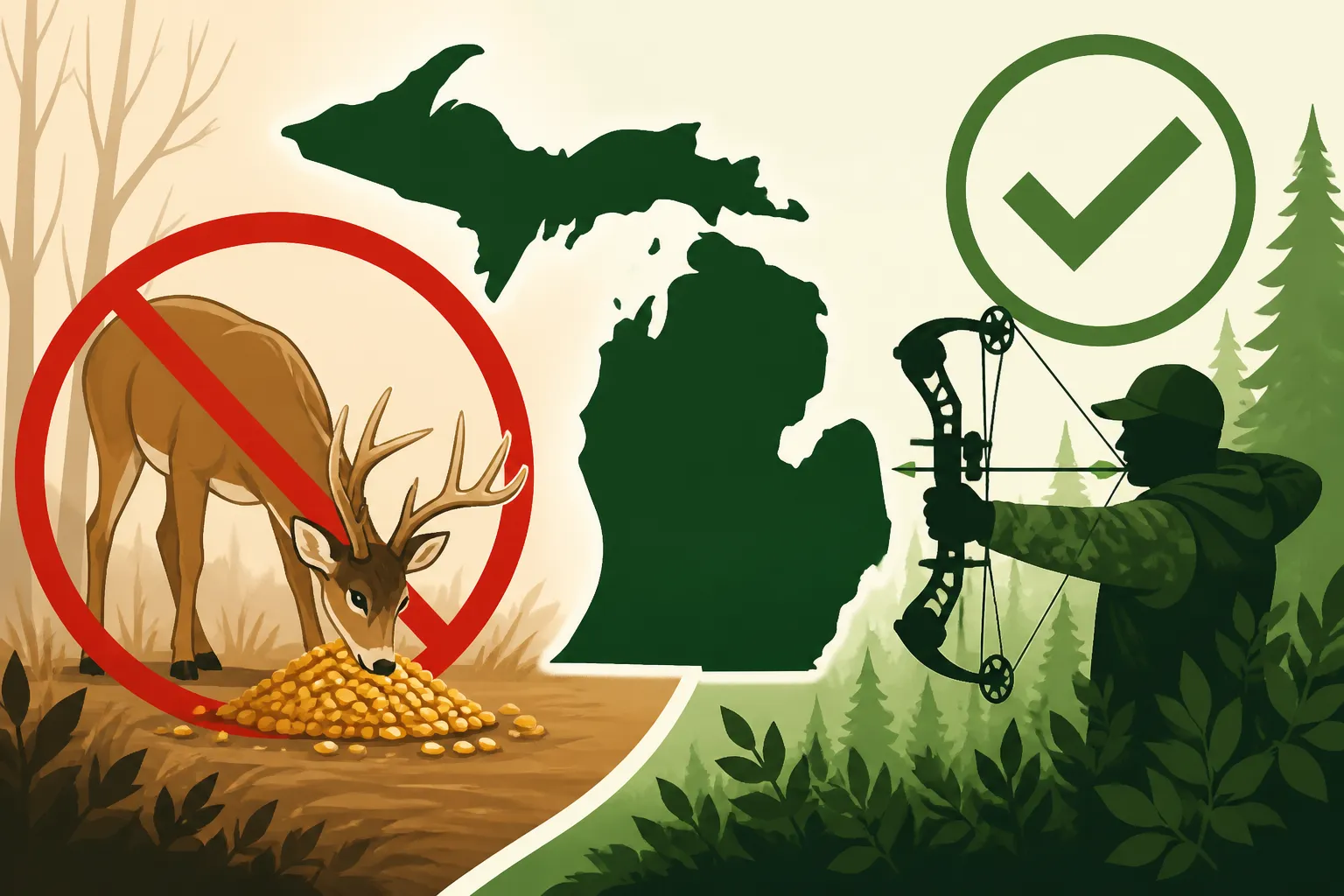
It's critical to understand this: baiting and feeding of deer is banned statewide in Michigan. This isn't just for certain counties anymore; it applies to all 83 counties, both in the Upper and Lower Peninsulas. This sweeping regulation came into effect primarily to slow the spread of CWD, which has now been detected in multiple regions. The idea is to prevent the unnatural congregation of deer, which facilitates direct contact and the contamination of feeding sites with disease agents.
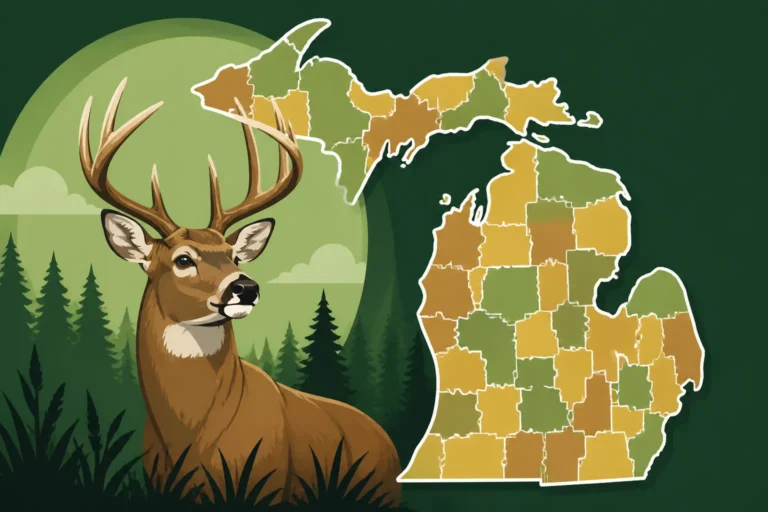
While the ban is statewide, you'll still hear talk of "CWD Management Zones." These are specific areas where CWD has been confirmed, or where there's a high risk of spread. In these zones, there are often additional regulations beyond the baiting ban, such as mandatory deer testing, carcass transport restrictions, and specific antler point restrictions. So, while the baiting rule is universal, hunters in CWD Management Zones might face extra steps and requirements. Always check the DNR website or a resource like Michigan's Mi-HUNT Map for the most up-to-date information on specific zones and rules before heading afield.
Recent Legislative Attempts to Lift the Ban
Given how deeply ingrained baiting was in Michigan's hunting culture, it's no surprise that the statewide ban has faced significant pushback. There have been numerous attempts by state legislators and various hunting groups to challenge or modify the ban since its implementation. These efforts often cite concerns about hunter recruitment and retention, the perception of effectiveness, and the impact on local economies. For instance, discussions around The Bill to Lift the Michigan Baiting Ban often highlight the strong sentiments on both sides of the issue.
However, despite these efforts, the ban has largely remained in place. The DNR and NRC have consistently maintained that the scientific evidence strongly supports the ban as a crucial tool for CWD management. While the debate is ongoing and future legislative attempts are always possible, for now, hunters should operate under the assumption that the statewide ban is firmly in effect. Staying informed about these discussions is important, but compliance with current law is paramount.
Defining "Bait" and "Feeding" Under Michigan Law
Understanding the precise definitions of "bait" and "feeding" is essential for compliance. Michigan law is quite broad in its definition, making sure there are no loopholes.
Bait is defined as any substance or material, whether solid or liquid, that is or contains food or a food byproduct, including, but not limited to, corn, apples, sugar beets, minerals, salt, or other natural or artificial components that may be ingested by deer. It also includes lures and attractants used to entice deer for hunting purposes.
Feeding means to put out bait or food for deer, whether for hunting or for viewing purposes. This means even if you're not hunting over it, simply putting out food that deer can access, even for recreational viewing, is generally prohibited.
The key takeaway here is that if you're intentionally placing anything edible or attractive to deer where they can access it, you're likely violating the ban. This includes mineral blocks, salt licks, or even piles of agricultural crops not directly attached to a growing field. It’s a very encompassing definition designed to prevent deer from gathering in any unnatural way. The intent behind placing the material doesn't matter as much as the potential effect of attracting deer.
Specific Rules for Deer Baiting and Feeding
Now that we understand the "why" and the overarching statewide nature of the ban, let's get into the nitty-gritty of what’s explicitly allowed and, more importantly, what’s prohibited. Navigating these rules requires careful attention to detail, as some common practices that might seem innocuous can still land you in hot water.
What is and Isn't Allowed
To reiterate, the intentional placement of bait or food for deer is banned statewide. This means:
- No corn piles, apple dumps, sugar beets, carrots, potatoes, or any other food items left on the ground or in feeders for deer.
- No mineral blocks, salt licks, or protein blocks explicitly designed or placed to attract deer. Even if they're advertised as "nutritional supplements," if they attract deer, they are considered bait.
- No liquid attractants, scents, or powders that contain food byproducts or are designed to be ingested by deer.
- No bait stations, automatic feeders, or gravity feeders dispensing food for deer.
It's a pretty clear line in the sand: if it's meant to be eaten by deer and you put it there, it's illegal. This applies equally to private and public land. There's no exception for landowners or private hunting clubs, which often comes as a surprise to those used to managing their own property. To fully grasp this shift in strategy, you might find our article Hunting Without Bait in the Lower Peninsula helpful, as it outlines ways to adapt.
Rules for Attracting Deer for Viewing Non-Hunting
Many people enjoy watching deer, and some might think that if they're not hunting over the food, it's okay to put it out for viewing purposes. Unfortunately, the statewide ban on feeding deer generally extends to non-hunting activities as well. The primary concern is still the congregation of deer and the associated disease transmission risks, regardless of the intent.
However, there are very specific and limited exceptions, often related to incidental feeding:
- Bird Feeders: You can typically feed birds and small mammals (like squirrels or rabbits) as long as the feeding device is designed and placed to prohibit deer from accessing the feed. This means bird feeders should be elevated or in locations where deer cannot easily reach them, and any spilled seed must not accumulate to a point where deer are regularly feeding on it. The general guideline is that the feeder should be placed at least 100 yards from cover that deer might use, and if deer are observed regularly feeding on spilled birdseed, the activity should cease.
- Incidental Feeding: This refers to situations where small amounts of feed might be present due to normal human activities, like leaving out a pumpkin for decoration that a deer might nibble on. If this isn't done regularly or in a way that intentionally concentrates deer, it's generally not the target of the ban. However, if it becomes a regular feeding station for deer, it falls under the prohibition.
The key here is "regularly attracting and concentrating deer." If your actions, even with good intentions, are causing deer to gather consistently in one spot, you're likely violating the feeding ban.
Prohibited Substances and Practices
Beyond obvious food items, some substances and practices are specifically targeted:
- Urinary and Glandular Lures: While synthetic lures not derived from cervid urine are generally still legal, natural deer urine and glandular secretions were once a hot topic. As of now, the Michigan DNR advises against the use of natural cervid urine or gland lures due to concerns about CWD transmission. While specific rules can change, the safest bet is to avoid any product derived from wild deer, especially if you're unsure of its origin or processing. Many hunters have already transitioned to synthetic alternatives.
- Carcass Transport Restrictions: Related to the spread of CWD, there are strict rules about transporting deer carcasses, especially from CWD-positive areas. You cannot move certain parts of a deer out of a CWD Management Zone unless they are deboned meat, quarters, hides, or skull caps with antlers attached (free of brain and spinal tissue). These rules are crucial for preventing the physical spread of prions that could contaminate new areas. Understanding Michigan Carcass Transport Restrictions is just as important as knowing the baiting rules.
It's clear the DNR is taking a very cautious, multi-pronged approach to minimize disease transmission risks. Every hunter needs to be aware of these restrictions, as ignorance is not an excuse when it comes to wildlife regulations.
Exceptions and Special Considerations
While the statewide ban on baiting and feeding deer is quite comprehensive, a few specific scenarios and activities are either explicitly permitted or fall outside the scope of the general prohibition. It's important to understand these nuances so you can operate legally and ethically while still managing land or enjoying wildlife viewing responsibly.
Food Plots and Agricultural Practices
One of the most frequently asked questions is, "Are food plots considered baiting?" The good news for land managers and habitat enthusiasts is that no, food plots are generally not considered baiting under Michigan law. This is a critical distinction that many hunters struggle with, especially those who grew up using corn piles. The reasoning is that food plots are designed to be growing crops that provide sustained forage over an extended period, mimicking natural food sources. They don't typically concentrate deer in the same way a single pile of dumped corn would.
Agricultural practices, such as planting soybeans, corn, brassicas, or clover, for general farm production or wildlife habitat enhancement, are permitted. This includes normal planting, cultivating, and harvesting activities. The intent behind a food plot is to provide broad forage, not a concentrated, easy-access pile of food. So, feel free to plant those brassicas, clover, or winter wheat plots! Many hunters are now focusing on Food Plots Instead of Bait as a primary strategy to attract and hold deer. This also encourages healthier deer, as they browse naturally rather than relying on a single, often less nutritious, food source.
Bird Feeders and Small Mammal Feeding
As mentioned earlier, there is an allowance for feeding birds and small mammals, but with very strict conditions to prevent deer from accessing the feed. This is not a loophole to feed deer; it's an acknowledgment that many people enjoy backyard bird watching, and the intent isn't to attract deer.
The rules typically stipulate:
- Feeder Design and Placement: The feeding device must be constructed and placed in a manner that prohibits deer from gaining access to the feed. This often means elevated feeders, squirrel-proof designs, or placing feeders well away from any cover deer might use to approach.
- No Deer Congregation: If deer are observed regularly feeding on spilled seed or directly from the feeder, the activity must cease. The responsibility falls on the landowner to prevent deer from becoming accustomed to feeding in that location.
- Distance from Cover: While not a hard-and-fast rule in all regulations, a general best practice is to place bird feeders at least 100 yards from woody cover or other areas where deer might feel secure.
If you enjoy your backyard birds, keep these rules in mind. The DNR's emphasis is on preventing deer habituation and concentration, even for non-hunting purposes.
Incidental Feeding from Gardens or Landscaping
Another common scenario involves gardens, fruit trees, or landscaping that deer might naturally browse on. This is generally not considered illegal feeding. If you have an apple tree in your yard, and deer come to eat the fallen apples, you are not typically in violation of the ban. The key is that you are not placing additional food there to intentionally attract them.
Similarly, if deer browse your hostas or nibble on vegetables in your garden, that's simply wildlife interaction with your property. The regulations target the deliberate provision of food, not the natural foraging of deer on existing vegetation or accidental spills from human activity (e.g., a dropped sandwich). However, if you started intentionally piling up leftover garden produce in a specific spot to attract deer, that would quickly cross the line into illegal feeding. The distinction often comes down to intent and the active placement of food items.
Impact on Hunting Strategies and Land Management
The statewide baiting ban has forced a significant paradigm shift for many Michigan hunters. For generations, baiting was a primary strategy, especially in areas with dense cover or lower deer densities. Now, hunters must adapt, relying more on traditional woodsmanship, extensive scouting, and thoughtful habitat management. This change, while challenging, has also spurred a renewed focus on understanding deer behavior and their natural environment.
Adapting to Hunting Without Bait
For those accustomed to hunting over a bait pile, the transition can feel daunting. Many wonder, "What Replaced Bait Piles for Michigan Hunters?" The answer is a return to core hunting principles. Instead of luring deer to a specific spot, hunters now focus on intercepting them along their natural travel corridors between bedding areas, feeding areas, and water sources. This requires more time in the woods before the season, identifying pinch points, funnels, and natural browse.
Hunters are spending more time using tools like onX Layers for Michigan Land Status to analyze terrain, vegetation types, and property lines from home. They're also hitting the ground, scouting for rubs, scrapes, and fresh tracks, trying to decode deer movement patterns. It's a more active, dynamic style of hunting that rewards patience and a deep understanding of deer ecology. This shift has also led to a greater appreciation for effective Treestand Setups in Michigan Hardwoods or strategic Using a Ground Blind on Michigan State Land, placed along these natural travel routes.
Shifting Focus to Natural Food Sources
With artificial attractants out of the picture, natural food sources become paramount. Deer are constantly looking for the best available forage, and savvy hunters are learning to identify these hotspots. This means paying attention to:
- Acorn Production: In hardwood forests, white oaks and red oaks are gold mines when acorns are dropping. Deer will prioritize these energy-rich nuts, and areas with heavy acorn crops can become major feeding hubs.
- Agricultural Fields: Standing corn, soybeans, winter wheat, and alfalfa fields are irresistible to deer, especially in agricultural regions. Hunting field edges or entry/exit points to these fields can be highly effective.
- Browse and Forbs: Deer are browsers, meaning they eat twigs, leaves, and forbs (weeds). Clear-cuts, regenerating timber stands, and areas with diverse undergrowth provide excellent natural forage. Learning to identify preferred browse species can help you locate prime deer habitat.
- Soft Mast: Areas with wild apples, berries, or other soft mast can also draw deer in.
Understanding what deer are eating and where they're finding it is now a critical component of scouting and planning your hunt. A resource like GoHunt can be invaluable here, offering detailed satellite imagery and property data that helps hunters identify potential natural food sources, bedding cover, and travel corridors on public and private land.
Habitat Improvement for Deer Attractants
For landowners or those with long-term hunting leases, the baiting ban has spurred a greater interest in active habitat management. Instead of pouring a bag of corn on the ground, hunters are investing in practices that improve the land for deer year-round. This often includes:
- Timber Stand Improvement (TSI): Selectively harvesting trees or removing invasive species to promote the growth of desirable browse and increase sunlight penetration to the forest floor.
- Native Plantings: Establishing native grasses, forbs, and shrubs that provide both food and cover for deer.
- Edge Feathering: Creating soft transitions between forest and open fields by cutting or planting shrubs and small trees. These "edge habitats" are incredibly valuable to deer for both food and security.
- Water Sources: While less common in Michigan due to abundant natural water, creating or enhancing small water sources can be beneficial in dryer areas.
By creating high-quality habitat, landowners can naturally attract and hold deer on their property, providing sustainable hunting opportunities without resorting to bait. It's a long-term investment that benefits the entire ecosystem, not just the deer herd.
How to Stay Informed and Compliant
The ever-evolving nature of hunting regulations, particularly those concerning disease management, means that staying informed is not just a good idea, it’s a necessity. Misinformation can lead to unintentional violations, fines, or worse, contributing to the spread of diseases you’re trying to prevent. Fortunately, there are reliable resources available to help you navigate these complexities.
Utilizing DNR Resources and Maps
The Michigan Department of Natural Resources (DNR) website is your absolute best friend for current and accurate information. They publish annual hunting digests, detailed regulations, CWD updates, and interactive maps. Here's how to make the most of it:
- Annual Hunting Digests: These downloadable PDFs (or physical copies) are your go-to for all hunting regulations, including season dates, bag limits, and specific rules for each game species. Always review the most current year's digest before hitting the woods.
- DNR Website Sections: Look for specific sections on "Chronic Wasting Disease," "Bovine Tuberculosis," and "Deer Hunting Regulations." These pages are updated frequently with the latest news, scientific findings, and policy changes.
- Mi-HUNT Map: The DNR's Michigan's Mi-HUNT Map is an incredibly valuable online tool that allows you to view public lands, CWD surveillance areas, and other important overlays. It’s perfect for scouting from home or checking regulations for a specific area. Learning to use Mi-HUNT effectively can dramatically improve your preparation.
Don't rely solely on word-of-mouth or outdated information. The DNR's official channels are the most authoritative source for compliance.
Tools for Scouting and Land Analysis
Beyond official DNR resources, modern technology offers powerful tools for scouting and understanding the land, which become even more critical when hunting without bait. These tools can help you identify natural food sources, bedding areas, and travel corridors, allowing you to develop effective strategies.
- Mapping Apps: Mobile apps like GoHunt (and others like onX Hunt, HuntStand) provide detailed aerial imagery, topographical maps, property boundaries, and public/private land ownership overlays. These features are invaluable for planning entry and exit routes, identifying pinch points, and understanding how deer might move through a landscape. You can mark waypoints for sign, potential stand locations, and even track your movements.
- Weather and Wind Forecasts: Accurate weather forecasting, especially wind direction, is crucial for stand placement. Many hunting apps integrate detailed wind data, allowing you to plan your hunt based on prevailing conditions to avoid being scented by deer.
- Trail Cameras: Legal on public land in Michigan (with certain restrictions, like not being left overnight on some types of public land, always check specific rules for trail cameras), trail cameras are excellent for monitoring deer movement, identifying individual bucks, and understanding their patterns without needing bait. Placing cameras along natural travel corridors or near natural food sources can provide a wealth of information.
Leveraging these tools helps you make informed decisions, adapting your approach to a bait-free environment. GoHunt, for example, is designed to give you a strategic advantage by providing comprehensive data and maps, helping you pinpoint exactly where deer might be active based on natural features and conditions.
Reporting Violations and Understanding Penalties
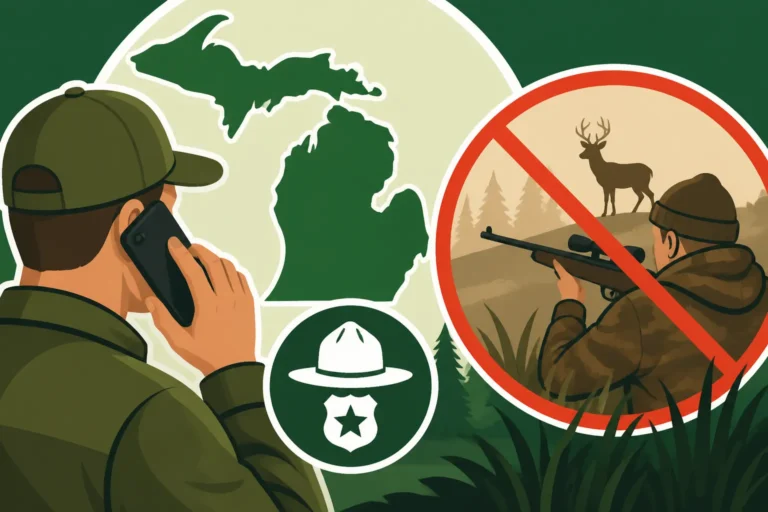
If you witness a baiting or feeding violation, or any other illegal hunting activity, it's important to know how to report it. Michigan's Report All Poaching (RAP) program is the avenue for this. You can call the RAP hotline at 1-800-292-7800 or submit a tip online. When reporting, try to gather as much detail as possible: location, date, time, description of individuals or vehicles, and the nature of the violation. Your anonymity is protected.
Violating Michigan's baiting and feeding laws can result in significant penalties, including:
- Fines: These can range from hundreds to thousands of dollars, depending on the severity and frequency of the offense.
- Loss of Hunting Privileges: Convicted individuals may lose their hunting license for a period of time, potentially for several years.
- Forfeiture of Equipment: In some cases, hunting equipment (like firearms or bows) used in the commission of the crime may be seized and forfeited.
These are not minor infractions. The DNR and law enforcement take these regulations seriously because of the severe threat CWD and other diseases pose to Michigan’s deer herd. Knowing and respecting the rules is part of being a responsible Michigan hunter.
Common Misconceptions and FAQs
Despite the clear language of the statewide ban, some misconceptions and frequently asked questions still pop up among hunters. Let's tackle some of these head-on to further clarify what's allowed and what's not.
Baiting vs. Food Plots Clarification
This is probably the most common area of confusion. As we've discussed, the key difference lies in the nature of the food source and its intent.
Baiting: Involves placing a concentrated pile of food (like corn, apples, mineral blocks) designed for deer to consume directly from that pile. The intent is to draw deer to a very specific, small location for immediate consumption. This is illegal statewide.
Food Plots: Involve planting agricultural crops (e.g., clover, brassicas, corn, soybeans) that grow naturally in the ground and provide forage over an extended period. The intent is to improve habitat and provide broad, sustained nutritional value, mimicking natural foraging. This is legal and encouraged.
Think of it this way: a food plot is like planting an orchard; baiting is like dumping a bushel of apples. One provides a natural, growing food source over time; the other is a singular, artificial concentration. This distinction is vital for land managers and hunters looking to attract deer legally.
Accidental Baiting Scenarios
What happens if you're not intentionally baiting, but deer are still accessing something on your property? This is where the rules can feel a bit fuzzy.
- Spilled Grain or Feed: If you have a farm and some grain spills from a storage bin or during transport, and deer start feeding on it, that's generally not considered intentional baiting. However, if you knowingly allow a large pile of spilled grain to remain accessible to deer for an extended period, or if it regularly attracts them, you could be in violation of the feeding ban. The expectation is that you make reasonable efforts to clean it up or prevent deer access.
- Fruit Trees: If you have apple or pear trees and fruit falls to the ground, deer will naturally eat it. This is generally not illegal feeding, as you haven't "placed" the food there. However, if you were to rake up all the fallen apples and create a concentrated pile for deer, that would likely cross the line into illegal baiting.
- Leftover Pumpkins/Decorations: A single Halloween pumpkin left in the yard that a deer nibbles on is usually not an issue. But if you routinely put out several pumpkins, gourds, or other edible decorations specifically knowing deer will consume them, it starts to look like intentional feeding.
The general principle is: if you're actively creating a new, concentrated food source for deer, it's problematic. If deer are simply foraging on existing or naturally occurring items, it's usually fine, provided you're not enhancing or concentrating those items for their consumption.
What to Do if You Find Bait on Public Land
Finding bait on public land can be frustrating and even angering, especially when you're making an effort to hunt legally. If you encounter bait on state land:
- Do Not Disturb It: It might be tempting to kick over a bait pile, but it's best not to disturb a potential crime scene. The DNR or conservation officers may want to investigate.
- Document: Take photos or videos if possible, noting the exact location (GPS coordinates from your phone are perfect), date, and time.
- Report: Immediately report it to the DNR's Report All Poaching (RAP) line (1-800-292-7800) or online. Provide all the details you've gathered. Don't confront individuals you suspect of baiting; let law enforcement handle it.
Your report helps the DNR enforce regulations and protect the resource. Finding bait can be demoralizing, but responsible reporting is the best course of action for all ethical hunters.
The Future of Baiting Regulations in Michigan
The debate over baiting and feeding deer in Michigan is far from over. It's a complex issue with passionate arguments on both sides, driven by scientific data, economic considerations, cultural traditions, and public opinion. While the current statewide ban remains firm, the discussion around it continues, and understanding these ongoing dynamics can help us anticipate potential future changes.
Ongoing Scientific Research and Policy Review
The Michigan DNR and its partners are continually engaged in scientific research regarding CWD, bTB, and other wildlife diseases. This includes studying transmission rates, environmental persistence of prions, and the effectiveness of various management strategies, including baiting bans. As new scientific data emerges, it directly informs the DNR's recommendations to the Natural Resources Commission (NRC), which sets Michigan's hunting regulations.
The policy review process is ongoing and thorough. It's not a static decision made once and then forgotten. The NRC holds public meetings, takes input from hunters and stakeholders, and reviews the latest biological information before making decisions. If, for instance, new research were to definitively show that baiting has a negligible impact on CWD spread, or conversely, that its impact is even greater than currently understood, it could influence future policy decisions. This iterative process means that while current rules are stable, they are always subject to review based on the best available science.
Hunter Advocacy and Political Landscape
The issue of baiting has a strong political component. Various hunter advocacy groups, conservation organizations, and individual citizens actively lobby their legislators and the NRC, expressing their views on the ban. Some argue for its necessity to protect the herd, while others advocate for its repeal, citing tradition, economic impact, or perceived ineffectiveness. This ongoing tension often manifests in proposed legislation, as discussed earlier regarding The Bill to Lift the Michigan Baiting Ban.
The political landscape around hunting regulations can shift with changes in elected officials, public sentiment, and the perceived urgency of wildlife health issues. Hunters who want their voices heard are encouraged to participate in public comment periods, contact their state representatives, and engage with reputable hunting and conservation organizations that represent their views. Active participation, rather than just frustration, is key to influencing future policy.
Potential for Future Changes
While the statewide baiting and feeding ban is currently in effect and strongly supported by the DNR's scientific assessment, it's not set in stone for all eternity. The future could bring several scenarios:
- Continued Statewide Ban: If CWD continues to spread or prevalence rates increase, or if scientific understanding reinforces the current rationale, the ban is likely to remain in place, possibly even with increased enforcement.
- Regional Adjustments: If CWD is successfully contained in certain areas and proven to be absent in others over a long period, there could be discussions about regional relaxations, though this is a complex and highly unlikely scenario given the challenges of CWD eradication. Historically, Michigan has moved towards more uniform regulations, not less.
- Modified Regulations: Perhaps future policies might explore highly controlled, limited baiting under very specific, strict conditions (e.g., specialized feeders, specific substances), though this would require significant scientific backing and enforcement capabilities.
For the foreseeable future, however, the most prudent course of action for any Michigan hunter is to assume the statewide baiting and feeding ban is here to stay. Adapt your strategies, focus on ethical hunting practices, and stay informed through official channels. The health of Michigan's deer herd, and the future of hunting, depends on our collective responsibility and compliance.
Disclaimer
The information provided in this guide is for general informational purposes only and is not intended as legal advice. Hunting regulations in Michigan can change. Always consult the most current Michigan Department of Natural Resources (DNR) hunting digests and official websites for the precise and up-to-date regulations before participating in any hunting activities.