Chronic Wasting Disease in Michigan
Discovering that Chronic Wasting Disease (CWD) is a very real, very present threat to Michigan's deer herd can be incredibly unsettling for any hunter. It raises so many questions: Is the venison safe to eat? How do I even know if a deer has it? And what exactly do I need to do differently when I'm out in the woods or after a successful hunt? This guide is here to cut through the confusion and give you a clear, empathetic understanding of CWD in Michigan, equipping you with the knowledge to hunt responsibly and safely.
Understanding Chronic Wasting Disease (CWD)
It’s natural to feel a knot in your stomach when you hear about diseases affecting our wildlife, especially something as mysterious and persistent as CWD. This isn't just another passing illness; it's a serious concern that impacts deer, our hunting traditions, and the health of the herd we cherish. Understanding the basics of CWD is the first step to becoming a more informed and responsible hunter in Michigan.
What is CWD and How Does it Spread?
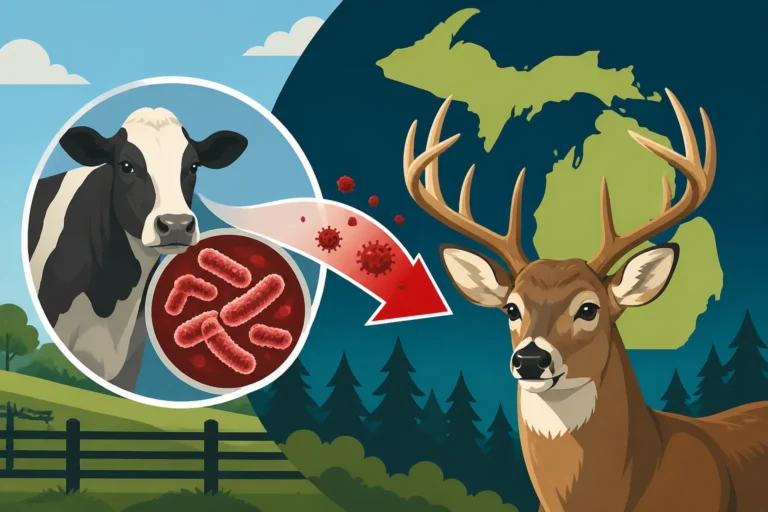
Chronic Wasting Disease is a neurological disease, a truly insidious condition, that affects deer, elk, and moose, all members of the cervid family. It's caused by abnormal proteins called prions, which are incredibly resilient and can linger in the environment for a very long time. Unlike bacteria or viruses, prions aren't "alive" in the traditional sense, which makes them incredibly difficult to destroy with conventional methods. When a deer becomes infected, these prions slowly accumulate in the brain and nervous system, gradually causing irreversible damage.
The spread of CWD is a complex and often frustrating aspect of this disease. It primarily spreads through direct contact between animals, but it's not just nose-to-nose contact we're talking about. Infected animals shed prions through their saliva, urine, and feces. These prions can then contaminate the soil, plants, and water sources, turning the environment itself into a reservoir for the disease. Imagine a popular deer trail or a communal feeding area: a single infected deer could potentially leave behind prions that could infect numerous other deer long after it's gone. This environmental persistence is why CWD is such a tough adversary to manage in the wild.
Symptoms of CWD in Deer
One of the most concerning aspects of CWD is that a deer can be infected for a long time, sometimes over a year, before showing any noticeable symptoms. This "incubation period" means a seemingly healthy deer could still be shedding prions and spreading the disease. When symptoms do finally appear, they are heartbreaking to witness and often progress slowly, making it easy to confuse CWD with other deer ailments or even just general poor health.
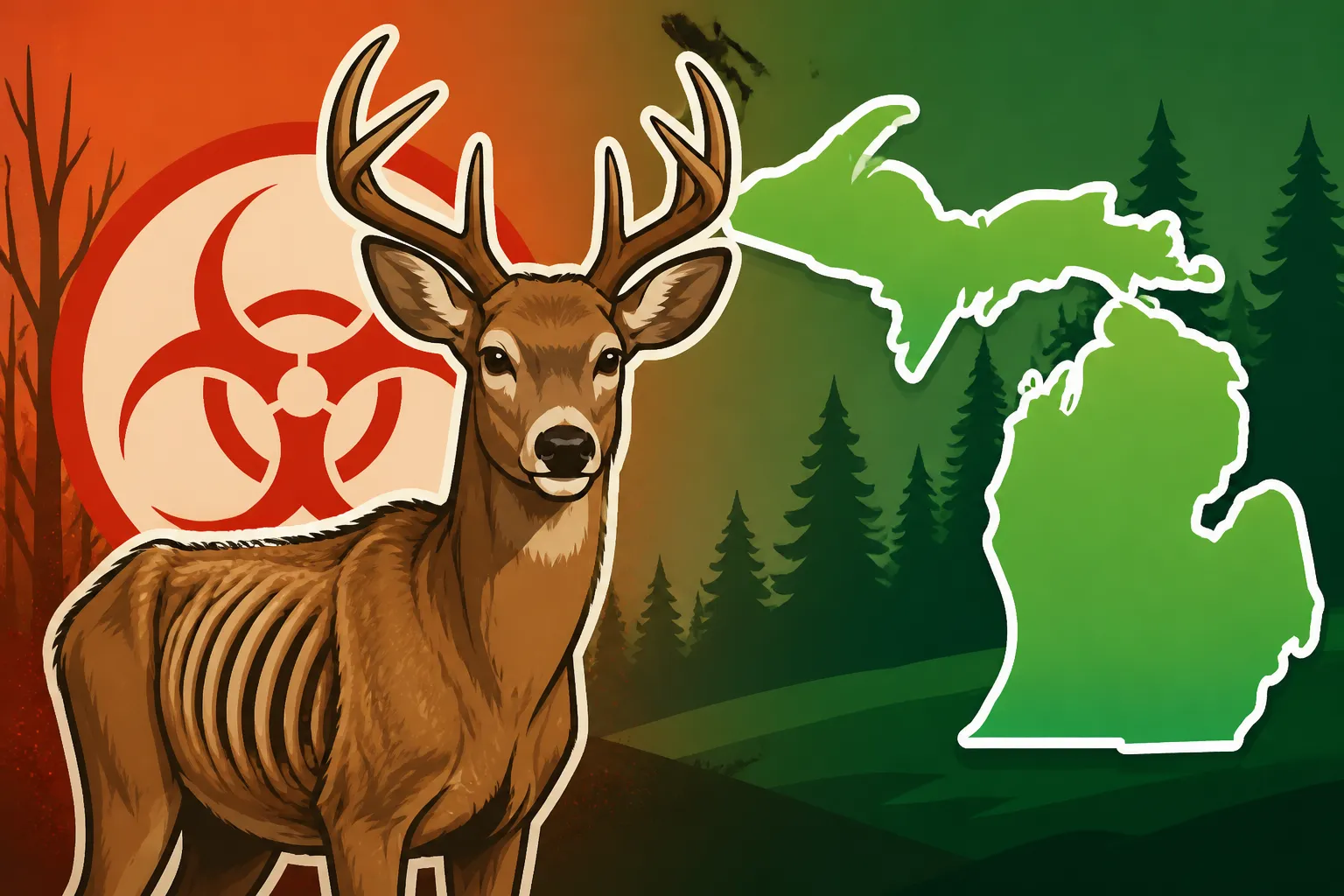
Common symptoms of CWD include drastic weight loss, which is how it got the "wasting" in its name. You might observe an animal that looks incredibly thin, almost emaciated, even during times of plentiful forage. Other signs include stumbling or poor coordination, a lack of fear of humans, excessive salivation (often referred to as drooling), and an increased thirst combined with frequent urination. Affected deer might also carry their head and ears lowered, showing a general dullness or listlessness. It’s crucial to remember that these signs are not exclusive to CWD, and a definitive diagnosis can only be made through laboratory testing of specific tissues. If you ever encounter a deer exhibiting these symptoms, it's vital to report it to the Michigan Department of Natural Resources (DNR) immediately, rather than attempting to approach the animal yourself.
Is CWD a Risk to Humans?
This is arguably the most pressing question on every hunter's mind, and rightly so. The short answer is: currently, there is no scientific evidence that CWD has spread to humans. However, public health agencies, including the Centers for Disease Control and Prevention (CDC), strongly advise against consuming meat from CWD-positive animals. This is a precautionary measure, as the long-term effects of consuming CWD-infected venison are not fully understood. It's always better to err on the side of caution when it comes to something like this.
While there haven't been any confirmed cases of CWD jumping to humans, research is ongoing, and scientists are continually monitoring the situation. The concern stems from the nature of prions and how similar diseases, like Bovine Spongiform Encephalopathy (BSE) or "Mad Cow Disease," have crossed species barriers to humans. For now, the best advice is to avoid any potential exposure. This means taking appropriate precautions when field dressing, handling, and processing deer, especially in known CWD areas. It's about protecting yourself and your family, even if the risk seems low.
CWD in Michigan: A Brief History and Current Status
Michigan hunters have faced a lot of challenges over the years, and CWD is certainly one of the most significant. It's a relatively new guest in our state, but its presence has already reshaped how we think about deer hunting and herd management. Understanding its journey through Michigan helps us appreciate the regulations in place and why they're so important.
When and Where CWD Was First Detected
The Michigan hunting community held its breath for years, hoping CWD would bypass our state. Unfortunately, that hope was dashed in May 2015 when the first free-ranging deer tested positive for CWD in Michigan. This pivotal moment occurred in Meridian Township, Ingham County. It was a jolt to everyone, confirming that this persistent disease had indeed made its way into our wild deer population. Prior to this, CWD had only been detected in captive cervid facilities within the state, which raised concerns but hadn't directly impacted the free-ranging herd.
The detection in Ingham County immediately triggered a swift and comprehensive response from the Michigan DNR. This initial discovery led to intensive surveillance efforts, expanded testing, and the establishment of the first CWD Management Zone in the Lower Peninsula. Since that initial case, unfortunately, CWD has continued to spread, albeit slowly, to additional counties. Each new positive test reinforces the need for vigilance and cooperation from hunters to help manage its impact. To track the disease's progression and specific locations, hunters often rely on resources like the GoHunt app or the DNR's official maps, which are regularly updated with the latest CWD detection areas.
Current CWD Management Zones and Affected Areas
Today, CWD is not spread uniformly across Michigan; it's concentrated in specific areas that the DNR designates as CWD Management Zones. These zones are typically established around the locations where CWD-positive deer have been detected and are subject to stricter regulations to help prevent further spread. While the exact boundaries and list of affected counties can shift over time as new information emerges, these zones typically encompass several counties, primarily in the central and southern Lower Peninsula. For instance, areas like Kent, Ionia, Montcalm, Jackson, Clinton, and Eaton counties have been frequently associated with CWD detections.
Keeping up with these specific zones and the regulations that come with them can feel like a moving target. That's why tools and platforms that provide current, localized information are so helpful. For example, knowing if your chosen hunting spot is within one of these CWD areas is critical, as it directly impacts rules regarding carcass transport and mandatory testing. The Michigan DNR website is always the most authoritative source for the latest CWD management zone maps and associated regulations, but apps popular with hunters like GoHunt can also be useful for quickly checking boundaries in the field.
How CWD Prevalence Rates are Monitored
Monitoring CWD prevalence rates is a monumental task that requires a significant amount of effort from biologists, technicians, and critically, hunters. The DNR employs a multi-faceted approach to keep tabs on the disease. Primarily, this involves extensive surveillance through hunter-harvested deer. During peak hunting seasons, particularly the firearm deer season, the DNR sets up voluntary and sometimes mandatory CWD testing stations in certain areas. Hunters are encouraged, and sometimes required, to bring their deer heads for sampling. This allows biologists to collect lymph node samples, which are then tested for the presence of CWD prions.
Beyond hunter-harvested deer, the DNR also collects samples from road-killed deer and those showing clinical signs of CWD. This diverse collection of samples provides a broader picture of where the disease is present and at what rates. The data gathered from these samples is crucial for understanding the disease's geographic spread and its prevalence within a given deer population, which directly informs management decisions. The goal is to detect CWD as early as possible and understand its trajectory, allowing for targeted management efforts to minimize its impact on the herd. When you see a check station or a drop-off bin, remember that every sample submitted contributes to this vital effort. You can learn more about specific testing opportunities and rules under Michigan CWD Testing for Hunters.
Michigan's Response to CWD: Regulations and Hunter Responsibilities
The Michigan DNR hasn't stood idly by since CWD arrived. They've implemented a series of regulations aimed at slowing its spread and protecting our deer herd. As hunters, it’s our responsibility to understand and adhere to these rules, not just to avoid penalties, but to be a part of the solution for the long-term health of Michigan's wildlife.
Mandatory Testing and Carcass Transport Rules
In areas where CWD has been detected or where surveillance is critical, the Michigan DNR often implements mandatory CWD testing for hunter-harvested deer during specific periods. Typically, this might apply to the opening weekend of the firearm deer season in certain Deer Management Units (DMUs) within a CWD Management Zone. When mandatory testing is in effect, hunters are required to submit their deer heads for sampling at designated DNR check stations or drop-off locations. Failure to comply can result in citations, so it's crucial to know the rules for your hunting area. Even outside of mandatory periods, voluntary testing is always encouraged and easily accessible.
Beyond testing, strict carcass transport rules are in place, particularly when moving deer out of a CWD Management Zone. These rules are designed to prevent the accidental spread of prions to new areas via deer carcasses. Generally, you cannot move certain high-risk parts of a deer, such as the brain, spinal cord, eyes, and lymph nodes, out of a CWD zone. The good news is that deboned meat, hides, antlers (with brain matter removed), and finished taxidermy mounts are usually exempt. This means if you harvest a deer in a CWD zone and plan to take it home or to a processor outside that zone, you'll need to field dress and process it accordingly. These rules apply whether you're heading across the state or just a few counties over. You can find detailed breakdowns of these regulations and more on Michigan Carcass Transport Restrictions.
Here's a quick overview of what's generally allowed and restricted when transporting deer from a CWD zone:
| Carcass Part | Transport Allowed Out of CWD Zone? | Notes |
|---|---|---|
| Deboned Meat | Yes | Meat must be removed from the bone. |
| Hides | Yes | Must be free of brain/spinal tissue. |
| Antlers (cleaned skull plate) | Yes | Skull plate must be cleaned of all brain matter and soft tissue. |
| Finished Taxidermy Mounts | Yes | Taxidermy work must be completed, ensuring no high-risk tissues remain. |
| Live Deer/Elk | No | Illegal to move live cervids. |
| Whole Carcasses | No | Cannot transport whole carcasses out of a CWD zone. |
| Brain, Spinal Cord, Eyes, Lymph Nodes | No | These high-risk tissues must remain within the CWD zone or be disposed of properly (e.g., in approved landfills). |
| Untagged Carcasses or Parts | No | All parts must be properly tagged and reported. |
Baiting and Feeding Bans in CWD Areas
One of the most significant and often debated regulations implemented to combat CWD is the ban on baiting and feeding deer. This isn't just a suggestion; it's a strict rule in CWD Management Zones and, in Michigan's Lower Peninsula, it applies statewide. The rationale behind this ban is simple: baiting and feeding artificially concentrate deer in small areas. When deer gather closely to feed, the risk of disease transmission through direct contact and environmental contamination from shed prions (via saliva, urine, feces) increases dramatically. It creates a perfect scenario for CWD to spread quickly through a local population.
The frustration this causes for hunters is totally understandable. Many of us have grown up with the tradition of baiting, using it as a primary hunting strategy. However, the scientific evidence supporting the ban's effectiveness in slowing disease transmission is compelling. Michigan first enacted these prohibitions to mitigate the risk of CWD and other diseases, like Bovine Tuberculosis (bTB). While there's always discussion and debate, especially regarding potential changes, the current regulations remain firmly in place in areas affected by CWD. For a deeper dive into the reasons behind this, you can check out Why Michigan Banned Baiting. It’s a tough pill to swallow for some, but it’s a critical tool in the fight against CWD.
Hunter Harvest Reporting and Sample Submission
After the adrenaline rush of a successful hunt, it’s easy to focus solely on field dressing and getting your deer home. However, timely and accurate harvest reporting is not just a formality; it's a cornerstone of Michigan's wildlife management, especially concerning CWD. Every deer harvested in Michigan must be reported to the DNR within 72 hours of harvest. This helps the DNR track harvest numbers, understand population trends, and identify areas where CWD surveillance needs to be intensified. For specific instructions, remember to review Reporting a Michigan Harvest in 72 Hours.
Beyond general reporting, hunters play an absolutely vital role in CWD surveillance by submitting samples for testing. As mentioned, in designated CWD Management Zones, specific testing might be mandatory. But even in areas where it's not, voluntary submission of deer heads for testing is highly encouraged. The process is usually straightforward: you take your deer's head to a designated drop-off site or a DNR check station. They'll collect lymph node samples, and you'll typically be able to check the test results online later. This direct involvement by hunters provides the critical data points that allow the DNR to map the disease's spread, measure its prevalence, and make informed decisions on management strategies. Your participation is not just a favor; it's an essential contribution to the health of Michigan's deer herd.
Hunting in CWD Areas: What Every Hunter Needs to Know
Hunting in a CWD-affected area can feel a bit different, and it's normal to have some apprehension. The key is to be prepared and knowledgeable. This isn't about fear; it's about being smart, safe, and doing your part as a responsible steward of our natural resources.
Strategies for Hunters in CWD Management Zones
Hunting in a CWD Management Zone requires a heightened sense of awareness and potentially some adjustments to your usual approach. First and foremost, thoroughly familiarize yourself with the specific regulations for your DMU before you even step foot in the woods. These zones often have unique rules regarding antler point restrictions, mandatory testing days, and carcass transport that differ from other areas of the state. It’s also wise to research How Many Michigan Counties Have CWD and check current maps provided by the DNR or even within apps like GoHunt to confirm you are aware of the latest zone boundaries.
Consider your hunting strategy. Given the baiting ban, you'll need to focus more on natural food sources, travel corridors, and bedding areas. Scouting becomes even more critical to identify where deer are naturally congregating or moving. If you typically rely on bait, this is a prime opportunity to refine your still-hunting techniques or improve your treestand setups around natural funnels and mast crops. Hunters often find success by adapting to these natural patterns. Additionally, if you're on public land, be prepared for increased hunter pressure, especially during opening week, as CWD zones might attract more scrutiny. Always make ethical, informed decisions about your shot selection, aiming for clean, quick kills to minimize tracking efforts and ensure a quality harvest.
Field Dressing and Meat Handling Precautions
Field dressing a deer is already a hands-on process, but in a CWD area, it demands extra care. While the risk of CWD transmission to humans is currently considered low, it's prudent to minimize contact with high-risk tissues. This includes the brain, spinal cord, spleen, and lymph nodes. When field dressing, wear disposable gloves and avoid cutting through the spine or brain if possible. Use dedicated tools for gutting that can be thoroughly cleaned and disinfected afterward, or consider disposing of them. For those concerned, the "gutless method" of field dressing, where you essentially skin and debone the deer in the field, leaving the internal organs and spinal column intact, can be a great option, especially if you plan to transport deboned meat out of the CWD zone.
Once the deer is field dressed, ensure you properly dispose of the high-risk parts. In CWD Management Zones, the DNR often recommends that these parts remain within the zone in which the animal was harvested. This might mean burying them deep enough that scavengers can't access them or placing them in designated CWD disposal bins if available. When processing the meat, avoid consuming or handling brain tissue, spinal cord, eyes, spleen, or lymph nodes. Deboning the meat is generally recommended, and ensure your knives, cutting boards, and other processing equipment are thoroughly cleaned with a bleach solution or hot, soapy water after use. Always cook venison thoroughly; while heat doesn't destroy CWD prions, it's good practice for general food safety. Remember, when in doubt, it’s always better to discard the questionable parts than risk it. For further guidance, refer to Field Dressing a Deer in Cold Weather for general best practices that can be adapted.
Supporting CWD Surveillance Efforts
Your active participation in CWD surveillance is one of the most powerful tools we have as hunters to combat this disease. It's not just about following the rules; it's about being an active partner with the Michigan DNR. Whenever possible, take advantage of voluntary CWD testing opportunities. Even if your deer doesn't fall into a mandatory testing window or area, submitting a sample provides valuable data that helps biologists track the disease's spread and prevalence. This data is crucial for understanding Michigan CWD Prevalence Rates and how to best manage the herd.
Another critical way to support surveillance is by reporting any deer you see exhibiting symptoms consistent with CWD. If you observe a deer that appears emaciated, is stumbling, drooling excessively, or acting unusually fearless of humans, do not harvest it if you can avoid it, and do not approach it. Instead, immediately contact the Michigan DNR. Provide specific details about the location, date, and observed symptoms. This information allows wildlife biologists to investigate potential new cases and take appropriate action. Your eyes in the field are an invaluable asset to the DNR's efforts. By being proactive and cooperative, hunters demonstrate their commitment to the long-term health of Michigan's deer herd and our hunting heritage.
The Future of CWD in Michigan and What Hunters Can Do
The presence of CWD in Michigan is a long-term challenge, not a temporary one. There's no quick fix, but there is hope. The combined efforts of wildlife agencies, researchers, and dedicated hunters can make a significant difference in managing this disease and ensuring healthy deer populations for generations to come.
Ongoing Research and Management Efforts
Scientists are constantly working to better understand CWD, and Michigan is an active participant in these efforts. Research focuses on everything from developing more effective and rapid testing methods to understanding the genetic susceptibility of deer to the disease, and even exploring potential environmental remediation strategies for prion-contaminated areas. This scientific understanding is the foundation upon which effective management strategies are built.
The Michigan DNR, informed by this research and its own surveillance data, continually refines its CWD management plans. These plans might involve targeted removals of deer in high-prevalence areas, changes to hunting regulations (like antlerless quotas) to reduce deer density, and ongoing public education campaigns. It's a dynamic process, adapting to new scientific discoveries and the evolving landscape of the disease. While progress can sometimes feel slow, every piece of research and every adjustment to management helps us chip away at this formidable challenge.
The Role of Hunter Cooperation in CWD Control
Without the active and willing cooperation of Michigan's hunters, the battle against CWD would be significantly harder, if not impossible. We are the DNR's most important partners in the field. Adhering to carcass transport rules, participating in mandatory and voluntary testing, respecting baiting and feeding bans, and accurately reporting harvested deer are all critical actions. These aren't just bureaucratic hurdles; they are direct contributions to a larger, coordinated effort to monitor and mitigate the spread of CWD.
Think of it this way: every deer head submitted for testing provides a data point, helping to create a clearer picture of the disease's distribution. Every hunter who properly disposes of high-risk tissues prevents potential environmental contamination. Every hunter who abides by the baiting ban helps reduce the chance of close contact among deer, which slows transmission. It’s a collective responsibility, and when we all pull in the same direction, we increase our chances of protecting the future of White-Tailed Deer Across Michigan and our cherished hunting traditions.
Resources for Michigan Hunters
Navigating the complexities of CWD doesn't have to be overwhelming. The Michigan DNR provides a wealth of resources specifically designed to help hunters stay informed and compliant. Their official website is the ultimate go-to for the most current CWD maps, regulations by DMU, locations of CWD testing drop-off sites, and the latest news or changes in policy. They also have dedicated phone lines and email contacts for specific questions.
Beyond the official channels, hunter education courses and local DNR events often include segments on CWD, providing an opportunity to ask questions and get direct answers. Publications from reputable hunting organizations and even advanced mapping apps popular with hunters, such as GoHunt, can also be invaluable tools. These apps often integrate DNR data, allowing you to visually identify CWD Management Zones and other critical information while you're planning your hunt or even in the field. Staying proactive about seeking out and utilizing these resources is the best way to ensure you're always hunting ethically, legally, and safely in the face of CWD.
Disclaimer
Please remember that hunting regulations and wildlife disease information are subject to change. Always consult the official Michigan Department of Natural Resources (DNR) website and current hunting regulations handbook before engaging in any hunting activities to ensure you have the most up-to-date and accurate information. This guide is for informational purposes only and does not supersede official DNR guidance.