How Many Michigan Counties Have CWD
It’s an unfortunate reality that Chronic Wasting Disease (CWD) is a major concern for deer hunters across Michigan, casting a shadow over our hunting heritage. The frustration of trying to keep up with changing regulations, understand where the disease is, and what it means for your local hunting spot is something many of us grapple with annually. This guide aims to demystify the presence of CWD in Michigan, giving you a clearer picture of its spread, its impact on different regions, and what you, as a hunter, need to know to adapt and contribute to managing this challenging disease.
Understanding CWD in Michigan
Chronic Wasting Disease is a topic that can easily make a hunter's heart sink. It's not just another deer disease; it's a game-changer for how we think about deer management and our hunting practices. The first step to dealing with it is truly understanding what we're up against.
What is CWD and Why is it a Concern?
At its core, Chronic Wasting Disease is a neurological disease that affects cervids, which include our beloved white-tailed deer, as well as elk and moose. It's caused by abnormal proteins called prions, not a bacteria or a virus. These prions slowly accumulate in the brain and other tissues of an infected animal, leading to characteristic symptoms like severe weight loss (hence "wasting"), stumbling, listlessness, behavioral changes, and excessive drooling. The insidious nature of CWD is that it's always fatal. There's no cure, and once an animal contracts it, its fate is sealed.
For Michigan hunters, the concern goes beyond the individual deer. CWD poses a significant threat to the long-term health and sustainability of our wild deer herds. It can reduce herd populations, alter age structures, and in severe cases, even impact the very availability of hunting opportunities. Imagine a future where the deer you pursue are constantly at risk, where the tradition of a venison meal carries an added layer of concern. That's the heavy weight CWD brings to the table, making it crucial for every hunter to be informed and proactive. You can read more about the broader impact of Chronic Wasting Disease in Michigan to deepen your understanding.
The Initial Discovery and Early Spread
Michigan’s journey with CWD began with an unwelcome discovery. The disease was first detected in a free-ranging white-tailed deer in May of 2015, in central Michigan's Ingham County. This wasn't an isolated incident that just popped up out of nowhere; it confirmed fears that had been building for years as neighboring states dealt with their own CWD outbreaks. The initial detection immediately triggered a swift response from wildlife agencies, establishing surveillance efforts and emergency regulations to try and contain its spread.
Following that first confirmation, additional cases began to emerge in nearby counties, indicating a localized, but expanding, presence. These initial "hot zones" became the focal points for intensive monitoring, mandatory deer checks, and strict carcass movement restrictions. The disease wasn't just showing up in one isolated spot; it was demonstrating its ability to gain a foothold, challenging the state's efforts to keep it at bay. Understanding Where CWD Was First Found in Michigan helps put the current situation into historical context.
Geographic Spread and Management Zones
The footprint of CWD in Michigan isn't static; it's a dynamic and evolving map that requires constant attention from both wildlife managers and hunters. Keeping tabs on where the disease has been detected is vital for responsible hunting.
Identifying CWD-Affected Regions
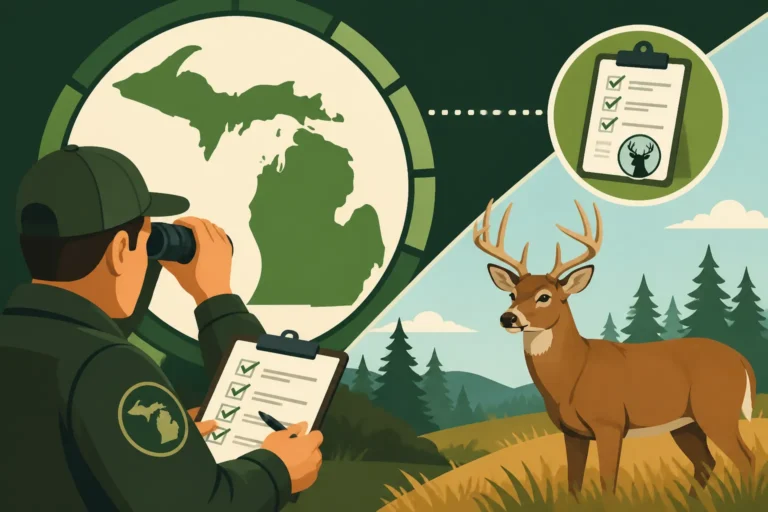
Wildlife agencies don't just randomly guess where CWD might be. They have a methodical approach to identifying affected regions, primarily through extensive surveillance and testing. When a CWD-positive deer is found, it typically triggers the establishment of a "CWD Management Zone" around that detection. These zones aren't just lines on a map; they come with specific regulations designed to monitor the disease and hopefully slow its spread.
Initially, these zones were often centered around the first detections, but as new cases arise, the boundaries are adjusted. Sometimes, a detection in a new county might mean a whole new management area is designated, or existing zones expand to encompass a larger geographic footprint. It’s an ongoing process, and the goal is always to understand the prevalence and distribution of the disease to inform management strategies. Tools like the DNR's online maps or hunting apps such as GoHunt are invaluable for hunters trying to visualize these ever-changing zones and their associated rules. These resources often highlight areas where specific actions, like Michigan CWD Testing for Hunters, are mandatory.
Counties Impacted by CWD
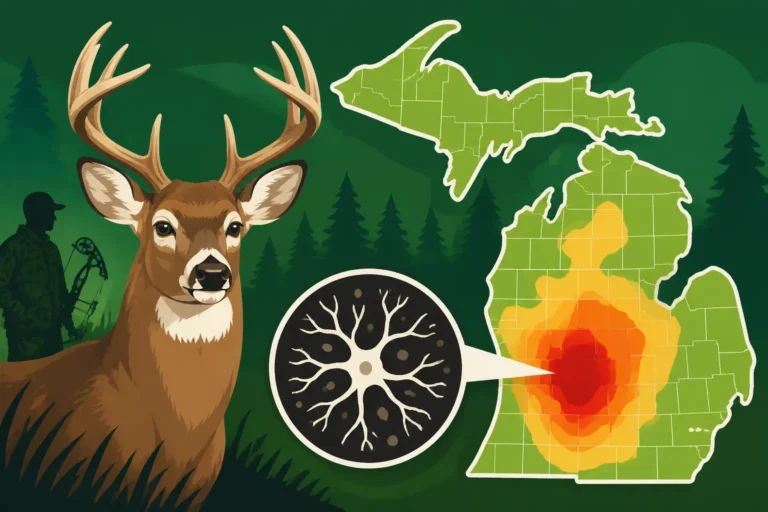
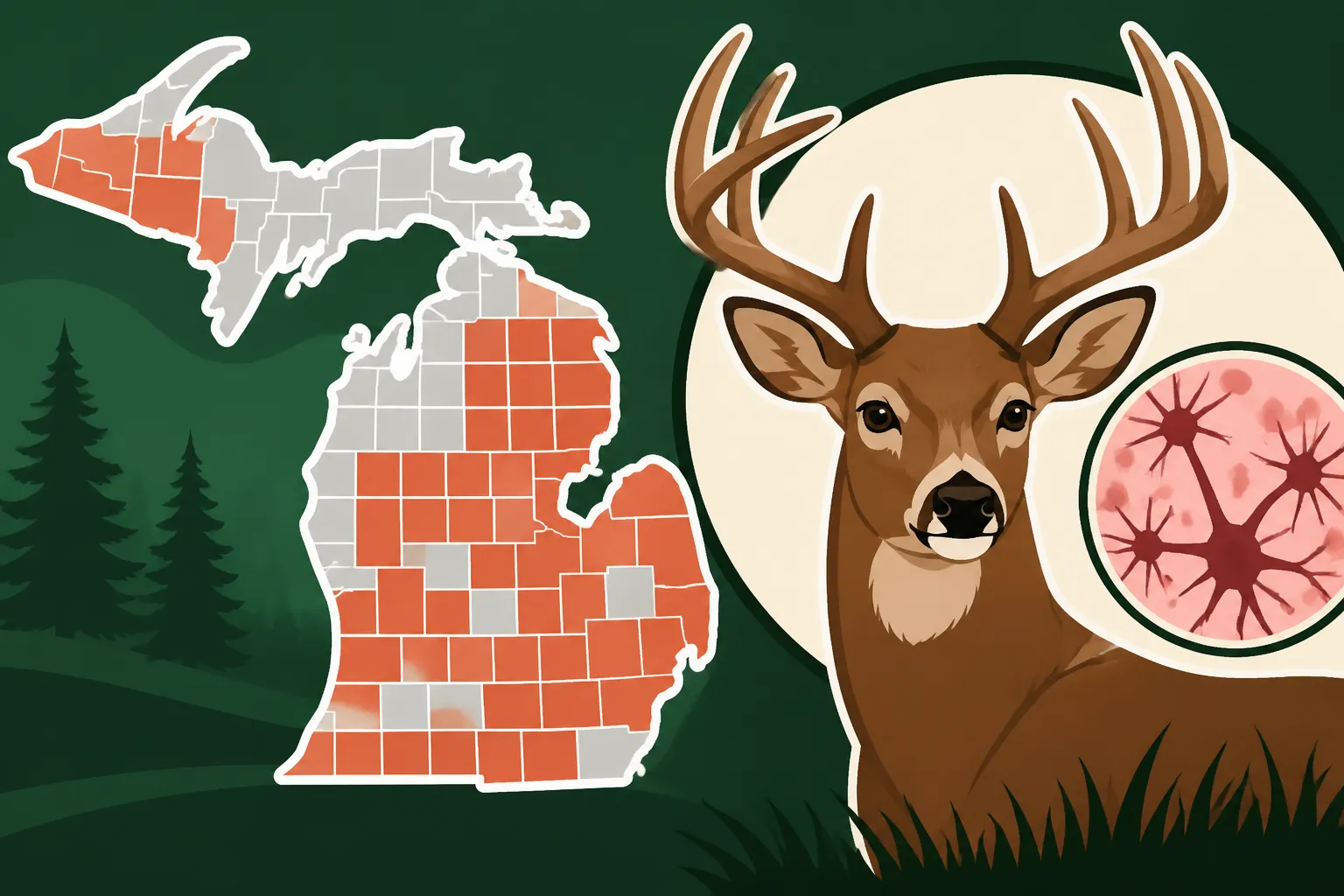
Since that initial discovery, CWD has sadly been found in a growing number of Michigan counties. While the exact, real-time count of affected counties can fluctuate as new detections are made and surveillance efforts continue, the disease has primarily gained a foothold in parts of the Lower Peninsula, particularly in central and southern regions. However, detections have not been exclusively limited to these areas, and the disease continues to be a concern across the entire state.
The pattern of detections often shows clusters around initial outbreak areas, with sporadic positive animals appearing in new locales further afield, which then prompts the expansion of surveillance or the establishment of new zones. It's not necessarily a uniform spread across the state; rather, it often appears in pockets. Hunters should understand that the number of counties with a confirmed CWD case has steadily increased over time, making it critical to check the most current information available from the Michigan Department of Natural Resources (DNR) or reliable hunting apps like GoHunt before heading out. These resources will show you Which Michigan Counties Have CWD and help you plan your hunt accordingly. The critical takeaway is that CWD is not confined to a single county but is a statewide concern that manifests in various regions.
Implications for Michigan Hunters
The presence of CWD profoundly impacts how we hunt in Michigan, requiring us to be more diligent, informed, and responsible than ever before. It's not just about getting your deer; it's about protecting the health of the herd for future generations.
CWD Testing and Carcass Restrictions
One of the most immediate and impactful implications for hunters in CWD management zones is the necessity of CWD testing. In specific areas, particularly those designated as CWD Management Zones or Surveillance Zones, mandatory deer checks and submission of heads for testing may be required. Even in areas where it's not mandatory, voluntary testing is always encouraged. The DNR sets up various drop-off locations and check stations, especially during the firearm season, to make this process as convenient as possible. You can find up-to-date information on Michigan CWD Rules and Test Sites on the DNR's website.
Equally important are the strict rules surrounding carcass movement. To prevent inadvertently spreading CWD to new areas, hunters who harvest a deer within a CWD-positive county often face restrictions on transporting certain parts of the animal. Generally, only deboned meat, antlers, hides, and taxidermy-ready skulls (with all brain and nervous tissue removed) can be moved out of a CWD zone. The spinal cord, brain, and other high-risk materials must often remain within the affected county or be disposed of in designated facilities. Ignoring these Michigan Carcass Transport Restrictions can have serious consequences for herd health and could lead to penalties.
Hunting Regulations in CWD Zones
CWD also brings with it changes to hunting regulations, which can feel a bit like a moving target for hunters trying to stay compliant. One of the most common changes is the prohibition of baiting and feeding deer in CWD Management Zones. This measure is put in place because concentrating deer at bait sites increases direct deer-to-deer contact, which is believed to facilitate the spread of CWD prions. This means hunters must adapt their strategies, focusing on natural food sources, funnels, and traditional hunting methods. If you're used to baiting, you'll need to learn hunting deer without bait in the Lower Peninsula or other specific regions where bans are in effect.
Furthermore, antlerless deer quotas might be adjusted in CWD zones. Wildlife managers sometimes issue more antlerless tags with the goal of reducing overall deer density, which can help slow disease transmission within the herd. For hunters, this might mean more opportunities to fill an antlerless tag, but it also underscores the serious efforts being made to manage the disease. It's crucial to consult the Michigan Hunting Regulations each season, especially concerning your specific Deer Management Unit (DMU), as these rules can change year to year based on CWD surveillance results. For any hunter, understanding these nuanced regulations and leveraging tools like GoHunt for current information is essential.
Here's a quick comparison of general hunting actions inside and outside active CWD surveillance zones:
| Action / Item | Inside CWD Surveillance Zone | Outside CWD Surveillance Zone |
|---|---|---|
| Deer Testing | Often mandatory or highly encouraged at DNR check stations. | Voluntary testing encouraged, but not usually mandatory. |
| Carcass Movement | Restricted (only deboned meat, clean skull, etc., can leave). | Generally unrestricted, but always check local rules. |
| Baiting/Feeding | Prohibited to minimize deer congregation. | Check current regulations; may be restricted in some areas for other reasons. |
| Antlerless Tags | May see increased availability to manage deer density. | Based on local population goals and harvest success. |
| Information Source | High reliance on current DNR maps and alerts, GoHunt resources. | General hunting regulations, local scouting. |
Ultimately, living and hunting with CWD in Michigan demands diligence and cooperation from every one of us. By understanding where the disease is, how it's managed, and our role in preventing its further spread, we can continue to enjoy the incredible hunting opportunities Michigan offers while also safeguarding its wildlife for the future. Don't forget to report your harvest within The Michigan Harvest Report Deadline too, as that data is crucial for wildlife management decisions, including those related to CWD.
Disclaimer
This article is for general informational purposes only and does not constitute professional advice. Laws, prices and regulations vary by location and change over time. Consult a qualified professional for guidance on your specific situation.