Bears in the Northern Lower Peninsula
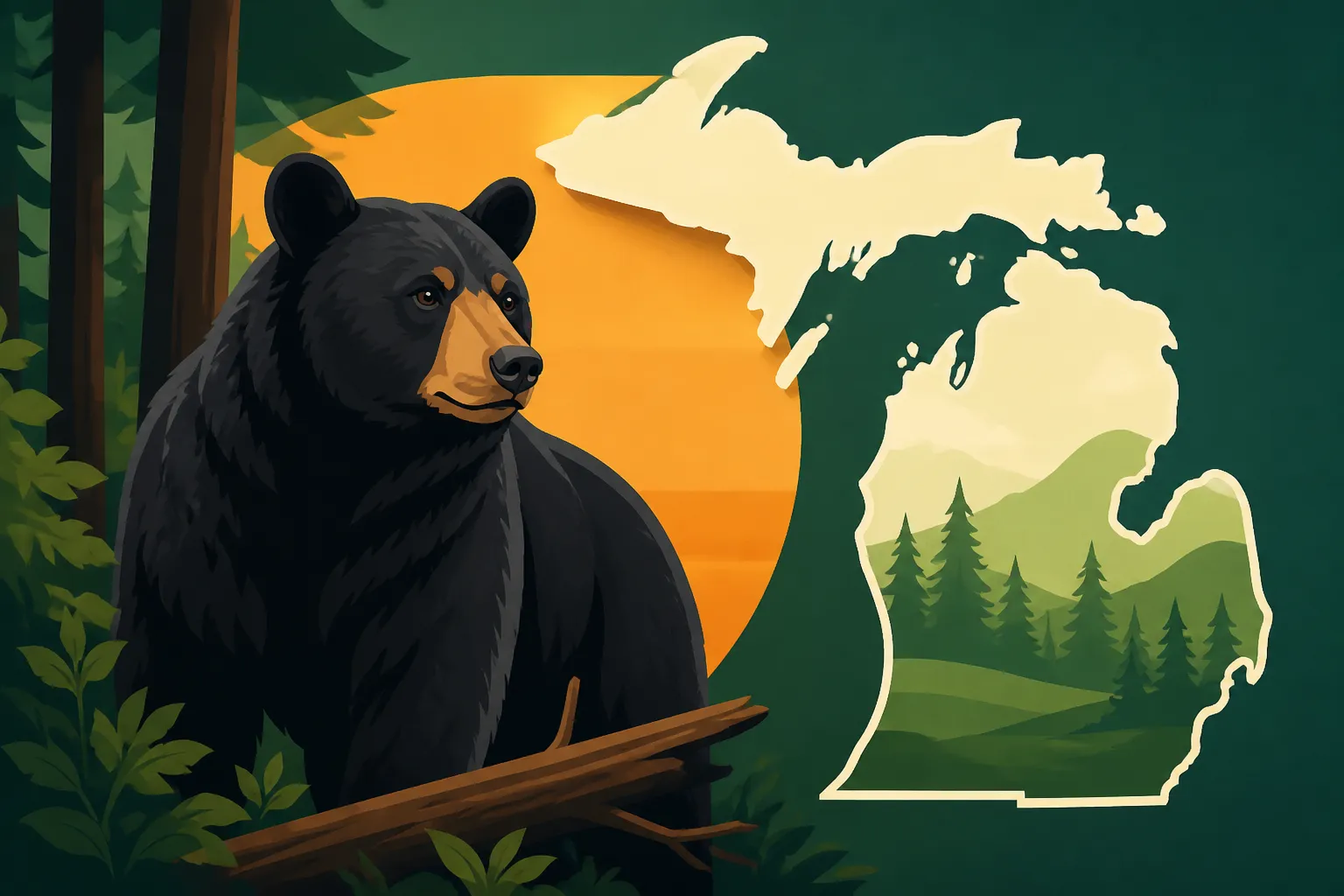
When many of us think about black bears in Michigan, our minds often drift to the vast, remote stretches of the Upper Peninsula. We envision dense forests and rugged terrain where bears truly feel at home, far from any significant human presence. However, this perception overlooks a significant and growing reality: the Northern Lower Peninsula (NLP) is also home to a thriving and expanding black bear population. This guide aims to shed light on where these impressive animals can be found in the NLP, what sustains them, and what this means for both wildlife enthusiasts and hunters in this unique part of our state.
The Growing Presence of Black Bears in the Northern Lower Peninsula
It’s easy to understand why the common image of a Michigan bear is often tied to the U.P. For decades, that’s where the majority of our state’s black bears resided, a testament to the sheer wildness of the northern landmass. But if you’ve spent any time hunting or exploring the northern half of the Lower Peninsula, particularly in recent years, you’ve likely heard more stories, seen more tracks, or perhaps even had a fleeting glimpse of a bear yourself. The truth is, the black bear population in the NLP is robust and continues to expand its range, much to the surprise of some and the delight of others.
Understanding Population Trends and Distribution
The notion that bears are exclusively U.P. residents is a bit of an outdated idea. While the Upper Peninsula certainly holds the largest contiguous bear population, the Northern Lower Peninsula has seen its bear numbers steadily climb over the past few decades. Wildlife biologists with the Michigan Department of Natural Resources (DNR) regularly monitor these populations, and their data consistently shows a healthy and expanding bear presence in the NLP. What this means on the ground is that while a few decades ago a bear sighting south of the Straits was a rare event, it's now increasingly common in the right habitat.
The highest concentrations of black bears in the NLP tend to be in the northernmost counties, particularly those with vast tracts of state and national forest land. Think of areas around the Huron-Manistee National Forest or the expansive state forests in counties like Cheboygan, Montmorency, Oscoda, and Roscommon. These regions offer precisely what a bear needs: solitude, diverse forest types, and a reliable food base. You won't typically find them in the highly fragmented landscapes of southern Michigan, but rather where the woods run deep and uninterrupted. For a deeper dive into the overall health and distribution of these incredible animals, you might find our article on Michigan's Black Bear Population insightful, as it touches on statewide trends that influence NLP numbers.
Key Characteristics of Northern Lower Peninsula Bear Habitat
So, what makes these NLP forests so appealing to bears? It’s a combination of diverse vegetation, ample cover, and a reliable food supply. Bears are incredibly adaptable, but they thrive in areas that provide a mix of habitat components. In the NLP, this often means sprawling mixed hardwood forests interspersed with thick conifer swamps and dynamic aspen stands. These different forest types each play a critical role throughout the bear's annual cycle.
Hardwood ridges, rich in oak and beech, become prime feeding grounds in the fall when acorns and beech nuts drop. These "mast crops" are absolute gold for bears trying to pack on calories before winter hibernation. Conifer swamps, on the other hand, offer dense thermal cover, perfect for escaping summer heat or finding secluded bedding areas. Aspen stands, often regenerated after timber harvests, provide abundant soft mast like berries in the summer and are rich in insect life – another favorite bear food. Crucially, the presence of numerous water sources, from small creeks to larger lakes, is vital. And let's not forget the importance of places for dens. Bears will seek out blowdowns, hollow logs, or even dig into brush piles for their winter slumber. The extensive public land base in the NLP, as detailed in our guide on Michigan State Forest Hunting, ensures that bears have the large, interconnected blocks of habitat they need to roam and thrive, minimizing conflict with human development.
Life in the Northern Lower Peninsula Woods: Bear Behavior and Diet
Understanding how black bears live their lives in the Northern Lower Peninsula is fascinating and incredibly useful, especially if you spend time afield. Their annual cycle is largely dictated by food availability and the changing seasons, influencing everything from their movements to their interactions with other wildlife.
Seasonal Movements and Foraging Habits
Black bears are opportunists, and their diet shifts dramatically with the seasons. When spring finally pushes back the Michigan winter, bears emerge from their dens, often lean and hungry. Their initial focus is on easily digestible greens, grubs, and unfortunately for some, carrion from winter-killed deer. As spring turns to summer, their diet diversifies significantly. Berries—blueberries, raspberries, and blackberries—become a major food source, especially in recently logged areas or old field edges. They'll also spend countless hours flipping rocks and tearing apart logs looking for insects and their larvae, which are a critical protein source.
As summer wanes and the crisp air of fall arrives, a bear's behavior undergoes a dramatic shift. This is the period of "hyperphagia," where they consume as much food as possible to build up fat reserves for hibernation. Hard mast, primarily acorns and beech nuts from those hardwood ridges we talked about, becomes paramount. If agricultural fields like corn exist on the fringes of their range, bears will certainly take advantage of those calorie-rich offerings too. This intense feeding phase in the fall is a crucial time for hunters to understand, as bears will be highly active and concentrated around these food sources. Many of the same food sources that attract deer in late season, as discussed in Late-Season Food Sources for Whitetails, will also be a magnet for hungry bears. Knowing what they're after can help you understand their movements.
Denning and Reproduction in the NLP
As the leaves fall and the first snow flurries begin, black bears in the NLP start to think about their long winter nap. Typically, by late November or early December, most bears will have entered their dens. These dens aren't always elaborate caves; they can be as simple as a depression under a fallen tree, a hollow log, or a burrow dug into a brush pile. The key is insulation and seclusion.
It's within these winter dens that new life begins. Around late January or early February, sows (female bears) give birth to tiny, blind, and helpless cubs. These cubs will nurse and grow rapidly within the den, protected from the harsh Michigan winter. By the time they emerge with their mother in the spring, usually around April, they're much larger and ready to face the world. For the most part, adult black bears are solitary creatures, except during the breeding season in early summer and, of course, a sow with her cubs. This solitary nature is another reason why finding them in the dense NLP woods can be such a challenge.
Coexisting and Hunting: Bears and Humans in the NLP
The growing presence of black bears in the Northern Lower Peninsula means an increased likelihood of encounters, whether you’re a hunter, a camper, or a cabin owner. While exciting, it also brings a responsibility to understand how to minimize conflicts and, for hunters, how to ethically pursue these magnificent animals.
Minimizing Bear Encounters and Conflicts
For those who recreate or live in bear country, the thought of encountering a bear can be a mix of awe and apprehension. It’s completely natural to feel a bit unsettled knowing these powerful animals are around, especially if you have children or pets. The key to minimizing negative interactions is understanding bear behavior and taking preventative measures.
For campers and hikers, proper food storage is paramount. Scent is a bear’s primary tool for finding food, so anything with an odor—food, trash, even scented toiletries—should be secured in bear-resistant containers, hung from a tree, or stored in a vehicle. Never leave food unattended or accessible. For cabin owners, the same rules apply: secure garbage, don't leave pet food outside, and clean barbecue grills thoroughly. If you do encounter a bear, remain calm, make yourself look as large as possible, make noise, and slowly back away. Never run, as this can trigger a chase instinct. While a direct encounter can be unnerving, remember that bears generally want to avoid humans.
When planning your adventures, especially if you're venturing into more remote areas, using mapping and scouting tools can be invaluable. Platforms like GoHunt offer satellite imagery and landowner data that can help you identify dense cover, potential food sources, and travel corridors where bears might be active, allowing you to be more aware of your surroundings and potentially avoid surprising a bear.
Hunting Opportunities and Regulations in the NLP
Michigan manages its bear population through a carefully regulated lottery system, recognizing the demand for bear hunting and the need to maintain healthy populations. For hunters interested in pursuing black bears in the NLP, it's a unique and challenging experience. The state is divided into several Bear Management Units (BMUs), and several of these are located within the Northern Lower Peninsula. Drawing a tag for these units is often competitive, a testament to the thriving populations. Details on applying for a tag and understanding the lottery system are well-covered in our article Michigan Bear Licence Drawing.
Hunting methods for bears in the NLP can vary. While some U.P. units allow for running hounds, the NLP hunting experience often focuses on still-hunting or hunting over bait. Baiting, when allowed in specific units, can be an effective strategy, drawing bears into a predictable location. However, it's not simply a sit-and-wait game; setting up a successful bait site requires immense effort, knowledge of bear habits, and adherence to specific regulations that differ from those in the Upper Peninsula, as briefly touched upon in Baiting Bears in the Upper Peninsula. Many hunters also opt for still-hunting or spot-and-stalk tactics, which can be incredibly challenging and rewarding in the dense NLP cover. Regardless of method, a successful bear hunt in Michigan is a testament to skill and perseverance. A platform like GoHunt can assist significantly in pre-season scouting, helping hunters identify prime habitat and potential travel routes within their chosen BMU, which is further detailed in Michigan Bear Management Units.
The Role of Hunter Participation in Bear Management
Hunting isn't just a recreational pursuit; it's a vital tool in modern wildlife management. For black bears in the NLP, regulated hunting seasons help maintain a healthy, balanced population, preventing overpopulation that could lead to increased human-bear conflicts, habitat degradation, or disease outbreaks. Each harvested bear provides valuable data to wildlife biologists, contributing to population estimates and future management decisions.
Ethical hunting practices are paramount. This includes proper shot placement, quick retrieval, and respectful handling of the animal. Furthermore, reporting your harvest, as outlined in Michigan Bear Harvest Registration, is not just a legal requirement but a crucial contribution to conservation. Hunters are often the first line of defense in observing changes in wildlife populations or habitat conditions, making their eyes and ears in the woods invaluable. Through responsible participation, hunters play a direct and positive role in ensuring that black bears continue to thrive in Michigan's Northern Lower Peninsula for generations to come.
Challenges and the Future of NLP Bear Management
While the black bear population in the Northern Lower Peninsula is currently robust, it faces ongoing challenges that require thoughtful management and continued conservation efforts. These challenges often stem from the unique pressures of a region that balances wild places with increasing human activity.
Habitat Preservation and Human Encroachment
One of the most persistent threats to bear populations, in the NLP and elsewhere, is the steady creep of human development. As more people seek out the natural beauty of northern Michigan for homes, cabins, and recreation, bear habitat can become fragmented. Roads dissect critical travel corridors, and construction diminishes the large, unbroken blocks of forest that bears need to thrive.
The good news is that Michigan boasts a vast amount of public land, particularly in the NLP, which acts as a crucial buffer. State forests, as detailed in Michigan State Forest Hunting, and portions of the Huron-Manistee National Forest provide essential core habitat. However, vigilance is always necessary to ensure that these areas remain viable for wildlife. Land conservation initiatives and smart land use planning are critical to ensure that bears have sufficient room to roam, find food, and raise their young without constant conflict. These public lands are truly treasures, offering not just hunting opportunities but also vital sanctuaries for species like the black bear. For hunters trying to find these secluded spots, tools that allow you to read aerial photos for swamp deer and apply similar strategies for finding bear habitat can be incredibly useful, especially when trying to pinpoint areas on Public Hunting Land in Michigan that see less human pressure.
Disease Monitoring and Management
While diseases like Chronic Wasting Disease (CWD) are a major concern for Michigan's deer herd, black bears generally face different, less widespread disease threats. However, wildlife agencies continuously monitor the health of bear populations. This involves examining harvested bears for signs of illness or parasites and tracking any unusual mortality events. A healthy habitat and well-managed population are the best defenses against disease outbreaks, but ongoing surveillance is a critical part of ensuring long-term health.
The Hunter's Role in Long-Term Sustainability
The future of black bears in the Northern Lower Peninsula depends heavily on a collaborative approach, and hunters are undeniably at the forefront of this effort. By purchasing licenses, which directly fund wildlife management, and by participating in regulated seasons, hunters contribute financially and biologically to the conservation of this species. Beyond that, responsible hunters are often passionate advocates for habitat protection and ethical wildlife stewardship.
Continuing to educate ourselves about bear biology, habitat needs, and management challenges is key. Resources like GoHunt can be instrumental in providing up-to-date information on population data, harvest reports, and management unit changes, allowing hunters to make informed decisions and better understand their role. Furthermore, engaging in discussions about land use, supporting conservation organizations, and practicing ethical behavior in the woods all contribute to a sustainable future where black bears continue to roam Michigan's Northern Lower Peninsula. Finding Ground Others Walk Past is not only a hunting tactic but also a philosophy that helps preserve pockets of wilderness for all wildlife, including bears.
Seasonal Black Bear Activity in the Northern Lower Peninsula
To help hunters and outdoor enthusiasts better understand bear movements and habits throughout the year, here's a general overview of their seasonal activity in the Northern Lower Peninsula:
| Season | Typical Bear Activity | Hunter/Outdoor User Implications |
|---|---|---|
| Spring | Emerging from dens, lean and hungry. Seeking early greens, grubs, and carrion. Often traveling widely. | Bears are actively searching for food. Secure all food and garbage if camping or at a cabin. Be alert for fresh tracks and turned-over logs. |
| Summer | Foraging heavily on soft mast (berries), insects, and vegetation. Less active during hot daylight hours. | Focus on berry patches in clearcuts or openings. Be aware that sows with cubs are highly protective. Encounters can be less frequent due to heat and dense vegetation, but always practice bear safety. |
| Early Fall | Increased foraging as hyperphagia begins. Still utilizing soft mast, but shifting to early hard mast. | Bears are becoming more active and focused on calorie intake. Scout for early acorn or beech nut drops. This can be an excellent time to pattern movements if you're pursuing a bear hunting permit. Consider scouting with tools that show mast crop areas like GoHunt. |
| Late Fall | Intense feeding (hyperphagia) on hard mast, such as acorns and beech nuts. May utilize agricultural fields. | Prime hunting season for bears. They are highly active, feeding nearly constantly. Focus scouting on oak ridges, beech stands, and agricultural field edges near dense cover. Prepare for colder weather and potential snow, which can reveal tracks. |
| Winter | Denning and hibernation. Rarely active. | Bears are in their dens and generally not encountered unless disturbed. Avoid knowingly approaching den sites. |
Disclaimer
This article is for general informational purposes only and does not constitute professional advice. Laws, prices and regulations vary by location and change over time. Consult a qualified professional for guidance on your specific situation.