What Wolves Eat in the Upper Peninsula
It’s a question that echoes through deer camps and along two-tracks across Michigan’s Upper Peninsula: "What exactly are these wolves eating up here?" For many U.P. hunters, understanding the diet of the resident wolf population isn't just academic curiosity; it's a vital piece of the puzzle in comprehending deer population dynamics and planning their hunts. This guide will delve into the primary food sources of U.P. wolves, explore their opportunistic nature, and discuss how their feeding habits shape the ecosystem.
The Cornerstones of the Upper Peninsula Wolf Diet: Big Game
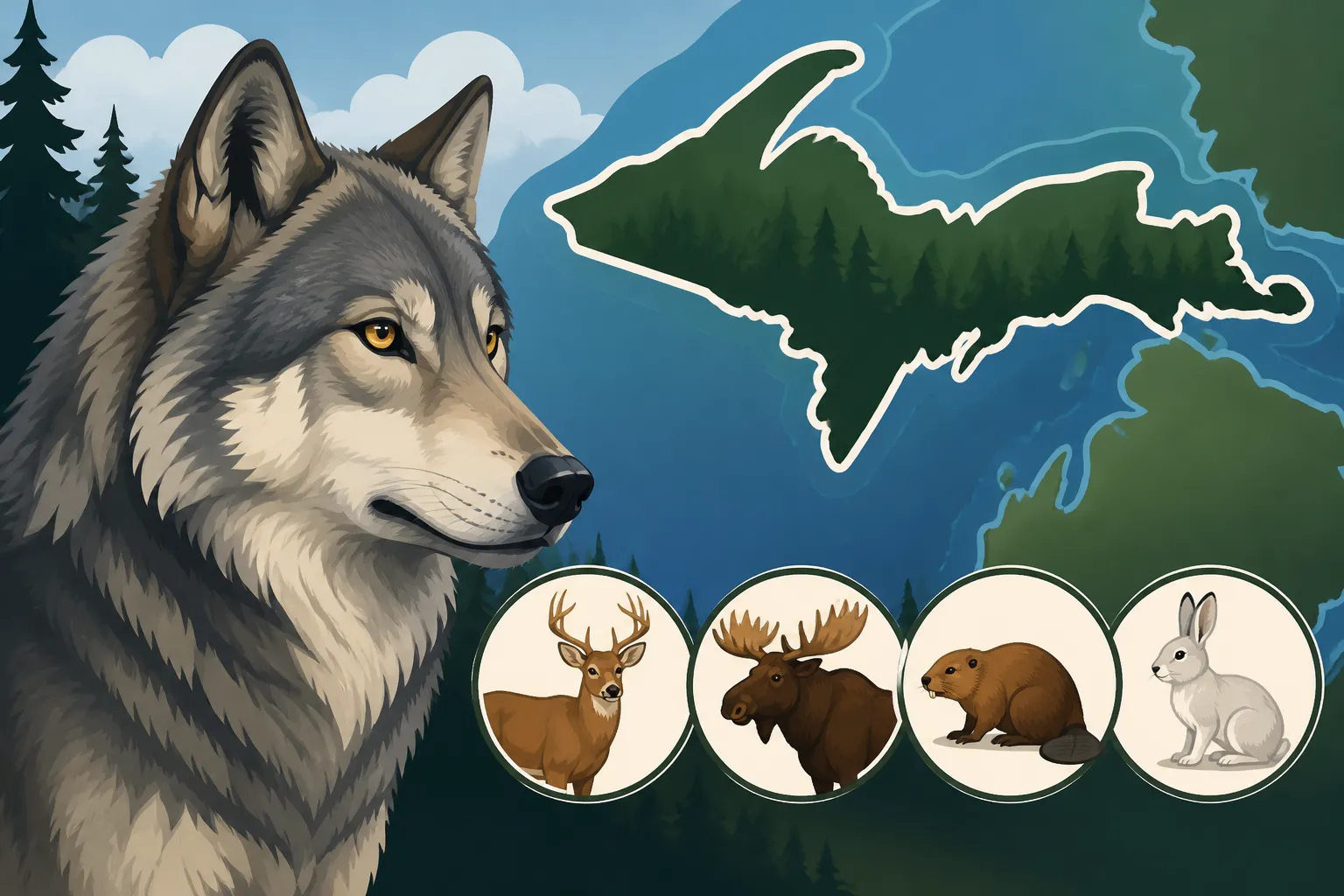
When you talk about wolves in Michigan's Upper Peninsula, you're inevitably talking about their relationship with big game. Wolves are apex predators, and their diet primarily reflects the abundance and vulnerability of the largest prey animals available in their territory. In the vast forests and challenging terrain of the U.P., that largely means deer and, to a lesser extent, moose.
White-Tailed Deer: The Mainstay
Without a doubt, white-tailed deer are the primary food source for wolves in the Upper Peninsula. These agile predators are incredibly efficient at hunting deer, and their success rate often depends on a combination of factors, including snow depth, deer health, and the wolf pack's size and experience. When you think about the sheer number of deer that inhabit the U.P. – even with the challenging winters – it makes sense that they form the bulk of a wolf's caloric intake.
Wolves are often targeting the most vulnerable animals in the herd. This includes fawns, especially in spring and early summer when they are still developing their speed and instincts. A fawn, while small, offers a significant meal for a wolf or an entire pack. As the year progresses, older deer, those weakened by harsh winters, or individuals with injuries become prime targets. This natural culling can, in some ways, be seen as a mechanism that helps maintain the overall health of the deer herd by removing the weakest links. Hunters often debate the exact impact of wolves on the deer herd, especially after a particularly Severe Winters Do to Michigan Deer, but the biological reality is that deer are a crucial component of the U.P. wolf's existence.
Moose: A Bigger Challenge, a Bigger Reward
While deer are the bread and butter, moose also feature on the menu for U.P. wolves, particularly in areas where moose populations are more concentrated, like parts of the western Upper Peninsula. Hunting a full-grown moose is a far more dangerous and difficult endeavor for a wolf pack than taking down a deer. An adult moose is a formidable animal, capable of inflicting serious injury with its powerful legs and sheer size.
Therefore, wolves typically target moose that are already compromised. Calves are highly vulnerable, especially when young and less able to keep up with their mothers. Old, sick, or injured adult moose are also candidates. A prolonged, deep snow winter might make it harder for even a healthy moose to move quickly, offering an opportunistic window for a determined wolf pack. The energy expenditure to bring down a moose is immense, but the reward in terms of meat is substantial, feeding a pack for an extended period. Understanding the specific ranges of Michigan's Elk Herd Size and History might help us understand broader prey distribution, though elk are not currently a significant prey base for U.P. wolves.
Beyond the Big Hunt: Smaller Prey and Opportunistic Eating
Wolves are not exclusively big game hunters. While deer and moose provide the caloric foundation, U.P. wolves are incredibly adaptable and opportunistic, rounding out their diet with a variety of smaller animals and even some plant matter, especially when larger prey is scarce or difficult to catch. This flexibility is key to their survival in a diverse ecosystem like the Upper Peninsula.
The Small Game Buffet
Don't let the image of a wolf chasing a deer overshadow their proficiency at catching smaller critters. When the opportunity arises, or when big game is harder to come by, wolves will readily turn their attention to a diverse menu of smaller animals. Snowshoe hares, with their booming and busting population cycles, can become a significant food source in certain years. Beavers, too, are preyed upon, especially when they venture away from their watery refuges or during periods of ice-over when they are more exposed. Raccoons, porcupines, and even various small rodents like voles and mice can contribute to a wolf's diet.
This varied diet helps wolves sustain themselves even when the deer herd faces challenges, or when a pack's hunting success on larger game is low. It's a testament to their adaptability and their role as generalist predators within the ecosystem. When hunters are out Grouse Hunting Michigan Aspen Cover or Rabbit Hunting With Beagles in Michigan, they might unknowingly be sharing that same landscape with wolves who are also targeting those very small game animals.
Scavenging and Plant Matter
Wolves are not above scavenging. A significant portion of their diet can come from carrion – animals that have died from natural causes, accidents, or even from kills made by other predators (including human hunters, especially if a deer is wounded and lost). Finding a deer carcass, particularly during or after a harsh winter, is an energy-efficient meal that allows the pack to conserve valuable energy that would otherwise be spent on a strenuous hunt.
Beyond meat, wolves occasionally consume plant matter. While it's not a primary food source, things like berries, wild fruits, and even grasses can be found in their scat, particularly during warmer months. This might be for nutritional reasons, or simply to aid digestion. It illustrates that a wolf's diet, while meat-centric, is ultimately designed to exploit whatever resources are available in its environment.
Seasonal Shifts and How They Influence Wolf Predation
The U.P.'s distinct seasons play a massive role in what wolves eat and how they hunt. Just like deer change their behavior throughout the year, wolves adapt their strategies and their dietary focus based on weather conditions, prey availability, and the vulnerabilities of different species.
Winter: The Time of Vulnerability
Winter is arguably the most critical season for both wolves and their prey in the U.P. Deep snow, bitter cold, and limited forage stress deer and moose, making them more vulnerable. When the snow piles up, deer "yard up" in conifer swamps, seeking thermal cover and easier movement. While this concentrates them, it also concentrates wolves, leading to intense predator-prey dynamics. Wolves, with their large paws acting like natural snowshoes, often have an advantage in deep snow, which hinders a deer's escape.
During these harsh months, the focus is heavily on deer. Fawns born the previous spring, if they haven't put on enough weight, are particularly susceptible. Older deer, or those with underlying health issues, might struggle to navigate the deep snow and find sufficient food, making them easier targets. A hunter using a mapping tool like GoHunt to understand Upper Peninsula Deer Yarding and Winter Movement might also indirectly be observing areas of potential wolf activity, as wolves will follow these concentrated deer herds.
Spring and Summer: Fawns and Opportunism
As spring arrives and the snow melts, the landscape changes dramatically, and so does the wolf's menu. Early spring sees the deer herd dispersed, and wolves may still be cleaning up carrion from winter kills. However, the true bounty of spring and early summer arrives with the birth of fawns. Young fawns are relatively easy prey, and a significant portion of a wolf pack's summer diet will consist of these vulnerable youngsters. The energy provided by fawns helps mothers nurse their own pups, making successful fawn predation critical for wolf reproduction.
During the warmer months, wolves also expand their opportunistic hunting to smaller animals more readily available, such as snowshoe hares, beaver, and other rodents. The relative ease of movement in snow-free conditions means wolves can cover more territory and encounter a wider array of prey. They might even incorporate more plant matter into their diet, as berries and fruits become available. This is also a time when wolf pups are growing rapidly, requiring a steady supply of food brought back to the den.
The Wolf's Impact and What Hunters Should Know
Understanding what wolves eat isn't just about curiosity; it's about gaining a clearer picture of the complex ecological interactions happening in Michigan's wild north. For hunters, this knowledge can influence scouting, strategy, and even their perspective on wildlife management.
Influencing Deer Herd Health and Dynamics
The presence of wolves, through their predation, acts as a selective pressure on the deer herd. By primarily removing the sick, old, and young, wolves can contribute to a healthier and more robust deer population over time. While individual deer are lost to predation, the overall fitness of the herd can be improved. This doesn't mean it's always easy for a hunter to see or accept, especially when deer numbers feel low in certain areas. It's a natural balance, albeit a harsh one.
This natural selection can also influence deer behavior. Deer in wolf country are often warier and more accustomed to predation pressure, leading them to be more elusive. Hunters, especially those used to Southern Michigan Farm Country Deer Hunting, might notice a distinct difference in deer temperament in the U.P. big woods. The Michigan Deer Population Estimate is a complex figure, influenced by many factors beyond just predation.
How Hunters Can Adapt Their Strategies
Knowing what wolves eat and how they operate can help hunters adapt their strategies in the U.P. For example, understanding that wolves key in on vulnerable deer might make a hunter think differently about where and when they hunt. Areas with heavy deer sign that also show signs of wolf activity might indicate a higher presence of older or weaker deer, or perhaps a higher concentration of does and fawns.
Hunters using detailed mapping applications, such as GoHunt, can analyze terrain and vegetation to predict both deer movement and potential wolf ambush points. Identifying dense cover where deer might yard up or areas with good escape routes can be crucial. If you're planning a hunt in the U.P., consider areas with diverse habitat, which can often support a more robust prey base, potentially drawing in wolves but also offering good hunting opportunities for healthy deer. Remember, deer are resilient, and adapting your tactics to the landscape, including the presence of predators, is part of hunting in the U.P.
| Primary Prey Type | Target Vulnerability | Seasonal Emphasis | Hunter Relevance |
|---|---|---|---|
| White-tailed Deer | Fawns, old, sick, injured | Year-round, highest in winter | Main prey, influences herd health and deer behavior. |
| Moose (Calves/Weak) | Calves, old, sick, injured | Year-round, especially calves in spring. | Less common, but significant where moose exist. |
| Snowshoe Hare | Abundant in cycle peaks | Winter/Spring | Opportunistic, provides critical calories when big game is scarce. |
| Beaver | Away from water, ice-over | Year-round | Opportunistic, often preyed upon in specific habitats. |
| Carrion | Any deceased animal | Year-round, especially post-winter | Energy-efficient food source, less hunting effort required. |
| Small Rodents/Birds | General availability | Warmer months | Minor caloric contribution, important for pups. |
| Plant Matter (Berries) | Abundance in season | Summer/Fall | Very minor, mostly opportunistic or for digestion. |
The dance between predator and prey is an ancient one, deeply ingrained in the fabric of the Upper Peninsula wilderness. By understanding How Many Wolves Michigan Has and what sustains them, we gain a deeper appreciation for the wild beauty and challenges of hunting in this remarkable part of Michigan.
Disclaimer
This article is for general informational purposes only and does not constitute professional advice. Laws, prices and regulations vary by location and change over time. Consult a qualified professional for guidance on your specific situation.