The 111 Days of Deep Snow in the U.P.
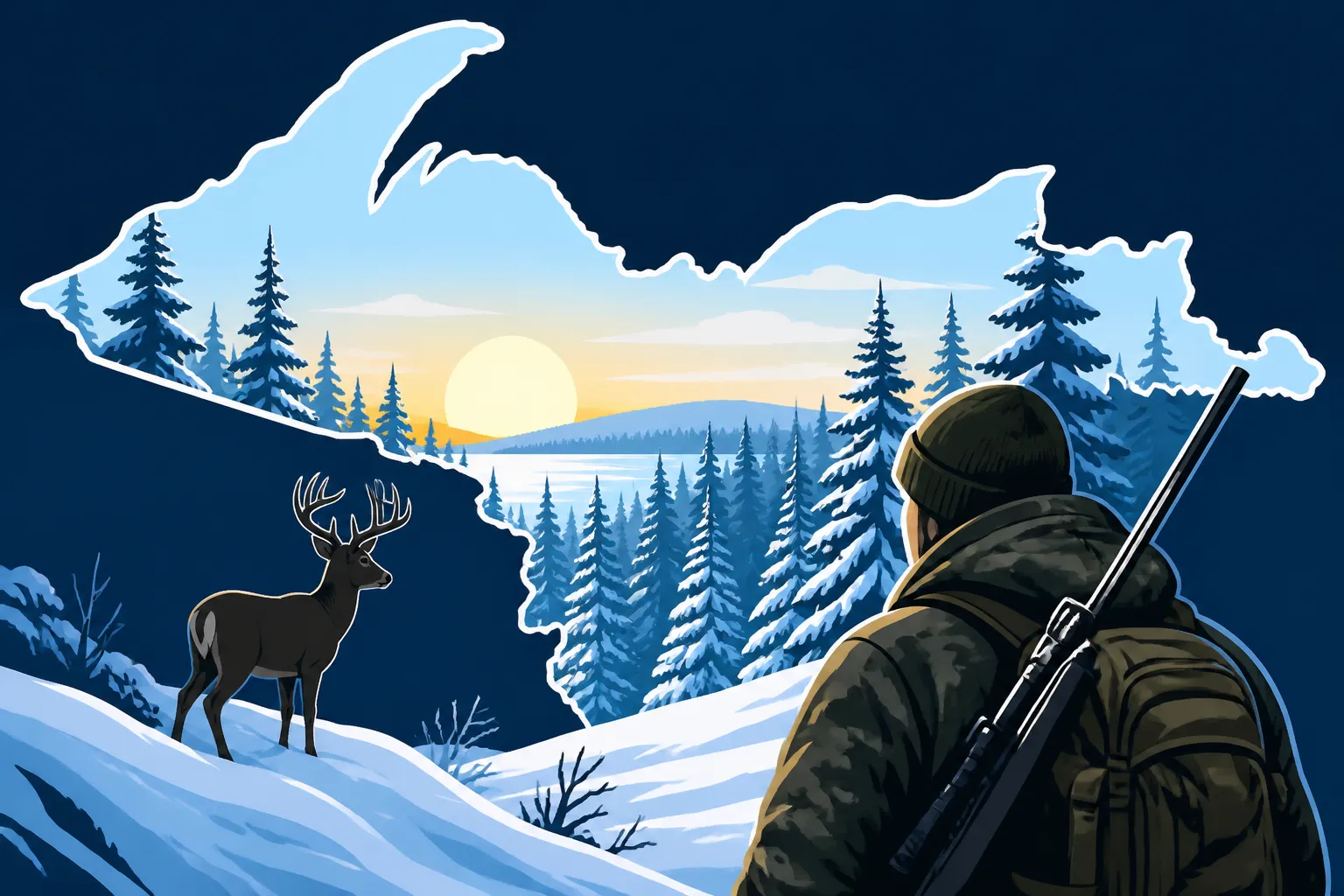
If you've spent any time hunting the Michigan Upper Peninsula, you know that winter isn't just a season; it's a force of nature. For deer, especially, a brutal winter can mean the difference between life and death, shaping the herd for years to come. One particularly infamous stretch, often referred to as "the 111 days of deep snow," looms large in the memories of U.P. hunters and wildlife biologists alike, representing the kind of extreme conditions that redefine survival for whitetails. This guide will dive deep into what those prolonged periods of heavy snow mean for our whitetails, how they impact hunting opportunities, and what we can learn from them when navigating the U.P.'s challenging landscape.
Understanding the "111 Days" Phenomenon: More Than Just a Number
The "111 days of deep snow" isn't just a poetic phrase; it represents a tangible, severe environmental challenge for the deer herd in Michigan's Upper Peninsula. It describes an extended period where snow depths remain consistently high, often exceeding 18-24 inches, and temperatures plummet, creating incredibly harsh living conditions for wildlife. When the snow piles up and stays deep for months on end, it drastically alters the landscape and the ability of deer to survive.
What Constitutes a "Severe" U.P. Winter
A "severe" U.P. winter is defined by a combination of factors, primarily sustained deep snow and frigid temperatures. It's not just about one big snowfall; it's about the accumulation and persistence of snow cover. The deeper the snow, the harder it is for deer to move, escape predators, and access forage. When coupled with prolonged sub-zero temperatures, deer must burn through their fat reserves at an alarming rate just to stay warm. We've all seen those winters where it feels like the snow just keeps coming, piling higher and higher, day after agonizing day. That's the essence of what these "111 days" represent—a relentless assault of cold and snow.
The Winter Severity Index and Its Role
To help quantify these conditions, wildlife biologists use a tool called the Winter Severity Index (WSI). The WSI tracks the number of days with 18 inches or more of snow and the number of days with temperatures below 0 degrees Fahrenheit. Each day meeting these criteria adds points to the index. A higher WSI score indicates a more severe winter, and these scores are absolutely crucial for understanding Winter Severity Index and What It Means. It's essentially a report card on how tough the winter has been on the deer, helping the Michigan DNR predict potential impacts on fawn survival and overall herd health. For hunters, knowing the WSI for a particular year can give you an early warning sign about the health and numbers of deer you might encounter in subsequent seasons. It's a key piece of the puzzle in understanding How Many Deer the Upper Peninsula Lost during particularly bad years.
| Winter Severity Level | Snow Depth (inches) | Temperature (°F) | General Impact on Deer |
|---|---|---|---|
| Mild | < 12 | > 0 | Minimal stress, good survival |
| Moderate | 12-18 | Occasional < 0 | Increased stress, some fawn mortality |
| Severe | 18-24 | Frequent < 0 | High stress, significant fawn & doe mortality |
| Extremely Severe | > 24 for prolonged | Prolonged < 0 | Critical stress, widespread mortality |
The Direct Impact of Deep Snow on Michigan Whitetails
When those deep snows persist for those infamous "111 days," deer face an incredible struggle for survival. It's not just about finding food; it's about every aspect of their existence being compromised. The sheer depth of the snow fundamentally changes their world, making even basic tasks incredibly energy-intensive.
Restricted Movement and Increased Energy Expenditure
Imagine trying to walk through waist-deep snow for miles every single day. That's what a whitetail deer faces. Deep snow restricts their movement, forcing them to expend far more energy for every step. This means they're burning precious calories just to get around, calories they desperately need to stay warm and survive. The deeper the snow, the more difficult it is for them to escape predators like coyotes and wolves, which often have an easier time navigating on top of a crusty snowpack. This is where you really start to see the toll on the deer. You might wonder, How Deer Starve in a Bad Michigan Winter. It's not always a lack of food directly, but the inability to access it efficiently and the immense energy cost of simply moving and staying warm.
Deer Yarding and Concentrated Wintering Areas
In response to deep snow, U.P. whitetails instinctually gather in specific areas known as "yards." These are typically conifer swamps, particularly cedar swamps, that offer dense overhead cover. The thick canopy of cedars, pines, and firs intercepts snow, creating shallower snow depths on the ground underneath. This cover also provides a thermal refuge, shielding deer from bitter winds and helping them conserve body heat. While these yards are critical for survival, they also lead to high concentrations of deer in relatively small areas. This concentration, while a survival mechanism, can exacerbate other problems, such as increased disease transmission and localized overbrowsing of available forage. Understanding Upper Peninsula Deer Yarding and Winter Movement is key to comprehending deer behavior in harsh winters. If you're using a mapping tool like GoHunt, you can often identify these types of cover by looking at satellite imagery, giving you a clue where deer might be trying to tough out the winter.
Forage Scarcity and Nutritional Stress
Even in deer yards, the availability of quality forage becomes incredibly scarce during a prolonged, deep snow winter. Deer rely on browse—twigs and buds of woody plants. With deep snow, much of this browse is simply buried, making it inaccessible. They're forced to subsist on whatever they can reach, often lower-quality browse that offers less nutritional value. This leads to severe nutritional stress, making them weaker, more susceptible to disease, and less capable of reproducing successfully in the spring. For fawns, who have smaller bodies and less fat reserves, this period of scarcity is often fatal. The impact is seen not just in immediate deaths but in the overall health of the surviving herd, affecting antler growth in bucks and reproductive rates in does for the following year.
Long-Term Repercussions for U.P. Deer and Hunting
The effects of a winter with 111 days of deep snow don't just disappear when the spring thaw arrives. These brutal periods cast a long shadow over the deer herd, impacting their numbers, health, and even the hunting experience for years to come. It’s a harsh reminder of nature’s power and the delicate balance of the ecosystem.
Population Declines and Recovery Timelines
The most immediate and heartbreaking consequence of an extremely severe winter is often a significant decline in the deer population. Fawns are particularly vulnerable, but weak adult does and even some bucks can succumb to starvation or increased predation. When a severe winter hits, especially after a couple of milder years that allowed the herd to grow, the population can take a serious hit. We've seen it time and again, where hunters report far fewer deer the following season. It can take several years of mild winters and good fawn recruitment for the herd to truly rebound to pre-winter levels. Understanding How Long a Deer Herd Takes to Recover is vital for setting realistic expectations and for wildlife managers to make informed decisions about antlerless quotas and season structures. It’s not a quick fix; it’s a marathon of ecological recovery.
Impact on Antler Quality and Herd Health
Beyond sheer numbers, severe winters also profoundly affect the health and vigor of the surviving deer. Bucks that barely make it through a tough winter will likely put all their energy into rebuilding their body condition in the spring and summer, rather than growing impressive antlers. This often means smaller racks, or even button bucks for yearlings, in the seasons following a brutal winter. Does, too, will be in poorer condition, potentially affecting their ability to carry fawns to term or to lactate sufficiently. A stressed herd is also more susceptible to diseases. While deer in the U.P. face unique challenges, biologists have studied the interplay of factors, often debating Do Wolves Drive Michigan Deer Numbers? and what truly limits the deer population. It's a complex equation, but severe winters are undeniably a major factor in overall What Biologists Say Limits U.P. Deer.
Adaptations for Future Generations (or Lack Thereof)
While individual deer suffer, the overall herd carries a genetic resilience. However, extremely severe winters test even that. The deer that do survive are often the hardiest, the ones best adapted to find food, conserve energy, and withstand the cold. Over generations, this natural selection process can subtly influence the herd's overall robustness. However, such slow adaptations are often no match for the immediate, catastrophic impacts of back-to-back brutal winters. Hunters should be mindful that these long-term impacts require a patient approach to management and hunting, respecting the incredible challenges these animals face.
Hunting Strategies During and After Severe Winters
Hunting the Michigan Upper Peninsula is always a challenge, but when a season follows a winter of "111 days of deep snow," your strategies need to adapt significantly. It's not business as usual; it requires careful scouting, patience, and a deep understanding of how deer behavior changes under stress.
Scouting for Wintering Areas and Browse Pressure
After a tough winter, scouting becomes even more critical. You'll want to focus your efforts on identifying traditional deer wintering areas, like those cedar swamps and dense conifer stands. Look for signs of heavy browse pressure from the previous winter. Are the cedar tips and balsam fir browsed as high as a deer can reach? Are there significant trails through the deepest parts of these swamps? These are clues that deer were forced into these areas and heavily utilized the available food. Using a mapping app like GoHunt can help you analyze satellite imagery for these prime habitat types, even before you put boots on the ground. Understanding Scouting Michigan Public Land Before Season is always important, but it's paramount after a severe winter.
Hunting Deer in Deep Upper Peninsula Snow
If you're hunting during a winter with deep snow, say during the muzzleloader season or late archery, your tactics must shift. Deer will be highly concentrated in their yards. Focus your efforts on the edges of these yards, or on pinch points that connect smaller pockets of cover within them. Movement will be minimal, so you might need to embrace still-hunting or short, strategic deer drives to push deer out of thick cover. Remember that deer are conserving energy, so they won't be moving much unless pressured or absolutely necessary. This is especially true if you find yourself Hunting Deer in Deep Upper Peninsula Snow. Patience is a virtue, and staying warm and dry yourself becomes even more crucial during these cold, snowy hunts.
Finding Deer After a Severe Winter
In the seasons following a severe winter, deer numbers will likely be lower, and their distribution might be more scattered as the surviving animals try to find the best available forage and recover their condition. You might need to cover more ground and adjust your expectations. Focus on areas with robust food sources—lush clearcuts from a few years prior, regenerating timber, or areas with good mast production. Deer will prioritize nutrition. Also, consider that surviving deer, especially older bucks, might become even more reclusive and stick to the thickest cover available. Patience and persistence will be your greatest assets. For hunters, Finding Deer After a Severe Winter means recalibrating your mental map of the deer woods and embracing the challenge. Remember to Hunting the Michigan Upper Peninsula for Deer effectively in these conditions requires a deep understanding of habitat and deer needs.
Ethical Considerations and Conservation Mindset
Ultimately, prolonged deep snow periods like the "111 days" are a stark reminder of the wild nature of the U.P. and the inherent challenges deer face. As hunters, it’s our responsibility to approach these situations with an ethical and conservation-minded perspective. This might mean adjusting our personal harvest goals in years following a severe winter, or prioritizing the harvest of antlerless deer in areas where the herd is recovering well, to help balance the population with the available habitat. Understanding Reading Aerial Photos for Swamp Deer can help identify critical habitat that deer rely on during these tough times, allowing us to hunt smarter and ensure the long-term health of the herd.
Disclaimer
This article is for general informational purposes only and does not constitute professional advice. Laws, prices and regulations vary by location and change over time. Consult a qualified professional for guidance on your specific situation.