What Biologists Say Limits U.P. Deer
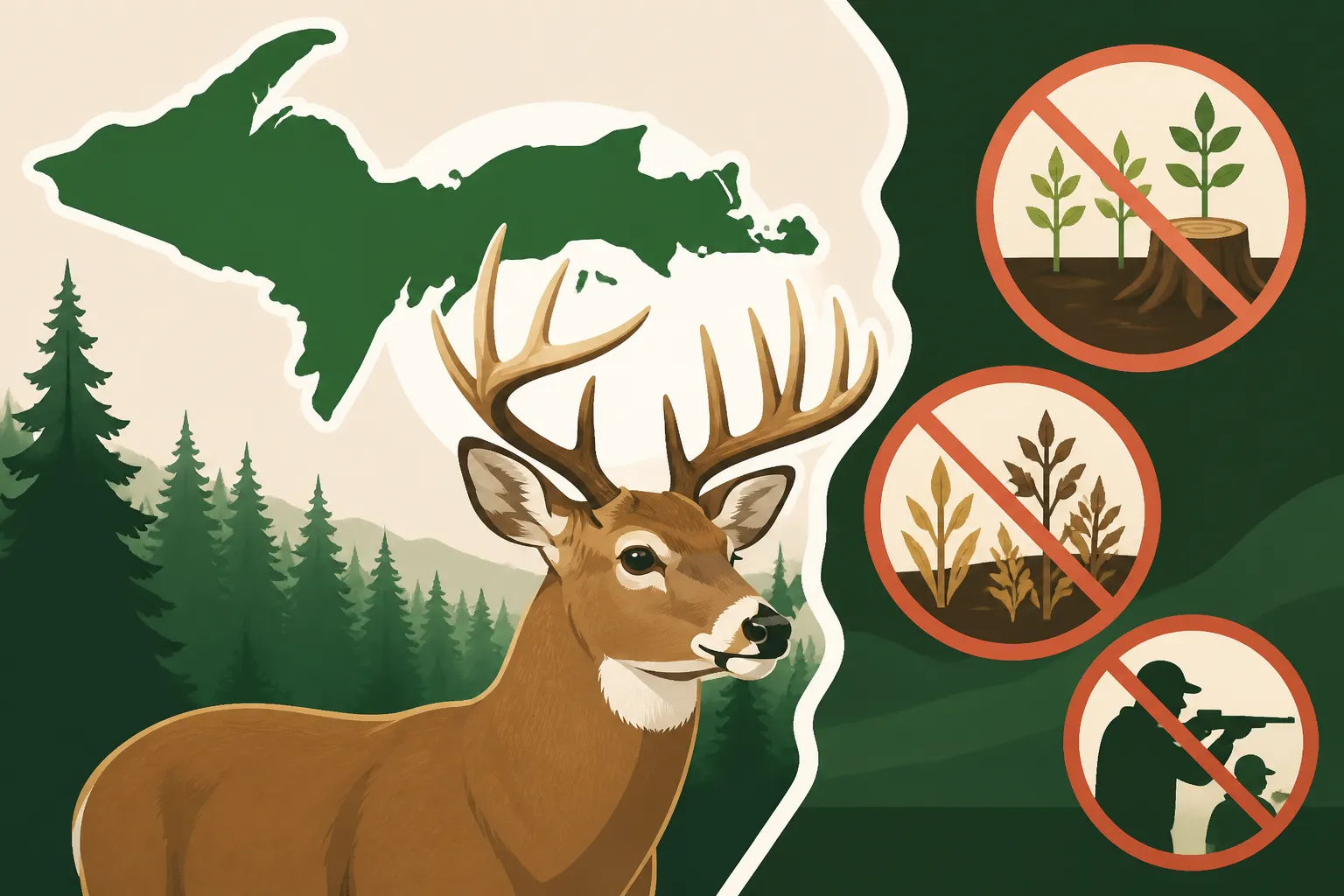
For anyone who’s spent time hunting or even just living in Michigan’s rugged Upper Peninsula, the struggles of the whitetail deer herd are a constant topic of conversation. It's truly frustrating to see the numbers fluctuate, and as hunters, we often wonder what's really holding these resilient animals back. This guide will dig into what wildlife biologists have consistently found to be the primary limiting factors for deer populations in the U.P., helping us understand the complex challenges these animals face year after year.
The Harsh Reality of Winter in the U.P.
When you think of the Upper Peninsula, you probably picture pristine forests, vast wildlands, and, let's be honest, a lot of snow. For the whitetail deer, these legendary U.P. winters are by far the most significant factor limiting their population. It’s not just about a few cold days; it’s about months of relentless deep snow and bitter temperatures that push these animals to their absolute physiological limits.
Deep Snow and Cold Stress
Imagine walking through waist-deep snow day after day, trying to find food and evade predators. That's the reality for U.P. deer, especially fawns and older animals. Biologists consistently point to snow depth as the single most critical environmental factor impacting deer survival. When snow accumulates to depths of 18 inches or more, deer expend significantly more energy to move, browse, and escape danger. This prolonged energy expenditure, coupled with the insulating effect of snow, which can actually make them lose body heat in severe conditions, creates immense cold stress.
The deeper the snow, the harder it is to move, and the more calories a deer burns just trying to survive. This isn't just an inconvenience; it's a battle for survival that can last for months. A severe winter, often described by what's called the Winter Severity Index and What It Means, measures this cumulative effect of cold and snow. When the index hits high numbers, we know deer are in for a brutal fight, and fawn survival rates often plummet, impacting future generations. This impact compounds over successive hard winters, making recovery slow.
Food Scarcity in Winter Yards
To combat the deep snow and cold, U.P. deer concentrate in what are known as "deer yards" or "wintering complexes." These are typically areas of dense conifer cover, like cedar swamps, which offer thermal protection from the wind and heavy snowfall. The thick canopy intercepts snow, leaving shallower depths on the forest floor, making travel easier and providing some shelter from extreme cold. However, these yards, while critical for survival, also become areas of intense competition for food.
As thousands of deer might pack into relatively small areas, the available browse quickly gets depleted. Deer primarily feed on woody browse in winter – twigs and buds of cedar, hemlock, balsam fir, and various hardwoods. When these preferred food sources are eaten down to a "browse line" as high as a deer can reach, it becomes a dire situation. Younger deer and those already in poor condition struggle the most, unable to compete with healthier, more dominant animals. Biologists know that even with shelter, if deer can't find enough caloric intake to sustain themselves through the long winter, they simply starve. This is often described as How Deer Starve in a Bad Michigan Winter, a harsh reality that biologists monitor closely.
Predation: A Natural, But Complex Factor
While winter is the undeniable king of limiting factors, the presence of predators, particularly wolves, is another significant piece of the U.P. deer puzzle. It's a topic that often sparks passionate debate among hunters, and rightly so, as we all care deeply about the deer herd. Biologists, however, look at predation through an ecological lens, understanding its natural role in a healthy ecosystem, even while acknowledging its impact on deer numbers.
Wolves and Their Role
The return and flourishing of wolves in the Upper Peninsula represent a significant wildlife success story from a conservation perspective, but also a complex challenge for deer management. Biologists confirm that wolves are efficient predators of deer, especially in winter when deer are vulnerable in yards and movement is restricted by deep snow. For many hunters, the question of Do Wolves Drive Michigan Deer Numbers? is a crucial one. From a biological standpoint, wolves absolutely do impact deer numbers, particularly in specific areas or during harsh winters.
However, the scientific consensus is that wolves primarily prey on the weakest, sickest, or oldest deer, playing a role in natural selection. This can help to maintain a healthier overall herd by removing less fit individuals. During severe winters, when deer are already stressed, wolf predation can become additive, meaning it contributes to a higher overall mortality rate beyond what would occur from winter alone. It's a delicate balance, and biologists spend considerable effort monitoring both wolf and deer populations to understand these dynamics. The exact level of impact varies by location and year, making broad generalizations difficult.
Bear and Coyote Impacts
Beyond wolves, other predators also take their toll on U.P. deer, especially fawns. Black bears, which are abundant in the Upper Peninsula, are known fawn predators, particularly in the spring and early summer when fawns are born and most vulnerable. A sow bear emerging from hibernation with hungry cubs will readily capitalize on a defenseless fawn. While adult deer can often evade bears, newborns are an easy target.
Coyotes are another significant predator, especially of fawns, throughout the U.P. and indeed across Michigan. While a single coyote might struggle to take down a healthy adult deer, packs of coyotes can certainly stress and eventually kill adult deer, particularly if the deer are already weakened by winter or disease. Like wolves, coyotes often target the vulnerable, but their widespread presence means a constant pressure on young deer. Understanding the combined effect of these predators, alongside habitat and winter conditions, is key to comprehending deer population dynamics. For those interested in managing these predators, understanding methods like Coyote Calling in Michigan Winter can be insightful.
Habitat Challenges and Human Impact
Even with milder winters and fewer predators, deer populations in the Upper Peninsula would still face significant challenges from the quality and availability of their habitat. Michigan’s U.P. is a vast forested landscape, but not all forest is equal for whitetails. Forest management practices, natural succession, and human development all play a role in shaping the deer's world.
Forest Succession and Food Availability
The U.P. is predominantly a big woods environment, with vast tracts of mature timber. While beautiful, mature forests often lack the dense understory and diverse forage that deer thrive on. As forests age, the canopy closes, shading out sunlight and preventing the growth of young trees, shrubs, and forbs that provide critical browse and forage for deer. This natural process is called forest succession.
Deer need early successional habitat – areas with young trees, brush, and openings created by logging, fires, or other disturbances. These areas provide abundant food and cover. Biologists often advocate for active forest management, including timber harvests, to create these necessary habitats. Without regular disturbances, much of the U.P.'s forest becomes less productive for deer over time. When looking at long-term trends, resources like GoHunt, which often have mapping and data overlays, can help hunters visualize areas with recent timber cuts that might be more productive. This type of habitat work is crucial to boosting deer numbers.
Human Development and Fragmentation
While less intense than in southern Michigan, human development also plays a role in U.P. habitat. Roads, cabins, towns, and industrial sites, while seemingly small, can fragment crucial deer habitat, especially wintering yards. Fragmentation can disrupt deer movement patterns, limit access to essential resources, and increase encounters with humans and vehicles. Even smaller, seasonal developments can contribute to habitat loss or degradation over time.
Additionally, while Michigan has extensive public lands, including vast state forests and national forests, these areas are not always uniformly managed for deer habitat. Understanding where public land management is actively creating favorable conditions for deer is key. Tools and platforms like GoHunt can be invaluable for scouting, allowing hunters to study aerial photos and land ownership maps to pinpoint prime habitat zones and identify where to find good deer sign. It's not just about finding any woods, but finding the right kind of woods, which often involves understanding how humans are interacting with the landscape. You can learn more about general access in Public Hunting Land in Michigan.
Disease and Other Stressors
While winter, predation, and habitat are the dominant themes, deer in the Upper Peninsula are not immune to diseases and other stressors that can contribute to population declines or impact herd health. These factors, though sometimes less dramatic than a severe winter, are constantly monitored by wildlife biologists.
CWD and Other Acute Threats
Chronic Wasting Disease (CWD) is a major concern for wildlife agencies across North America, including Michigan. While CWD has primarily been detected in the Lower Peninsula, biologists are vigilant in monitoring for its appearance in the U.P. CWD is a fatal neurological disease that can decimate deer herds. Its presence would add a very serious, long-term challenge to deer management in the U.P. Currently, Upper Peninsula deer seem largely unaffected, but the threat is always present, and rigorous testing remains a priority. For more information on CWD and its impact, hunters often refer to resources like Michigan CWD Rules and Test Sites to stay informed.
Beyond CWD, other diseases, though usually more localized or sporadic, can also cause issues. Epizootic Hemorrhagic Disease (EHD), for example, causes acute illness and often death, especially in late summer or early fall. While EHD outbreaks are more common and severe in the southern Lower Peninsula, they can occur in the U.P. during drought years. These acute diseases, combined with the stress of winter, can further weaken deer and reduce their ability to survive the cold months or resist predation.
Competing With Other Wildlife and Human Activity
Deer don't live in a vacuum. They compete for resources with other herbivores, though this is usually a minor factor compared to winter. More significantly, human activity outside of direct habitat changes can also stress deer. Increased vehicle traffic, recreational activities like snowmobiling and ORV use, and even hunting pressure itself (though managed for sustainability) contribute to the overall stress on deer. While it's easy to focus on the big, obvious factors like snow and wolves, biologists look at the cumulative effect of all these elements.
For example, too much disturbance in a critical deer yard can push deer out of thermal cover and into deeper snow, increasing their energy expenditure and making them more vulnerable. It’s a subtle but real factor. When preparing for a hunt in the U.P., understanding how to navigate these elements is crucial. Hunters often consult tools like GoHunt to understand public land regulations, access points, and terrain to minimize disturbance while maximizing their chances. Knowing things like Entry Routes on Flat Michigan Ground can help you get to your spot without pushing deer unnecessarily.
Summary of Limiting Factors for U.P. Deer
To help visualize the primary challenges, here's a breakdown of what biologists consider the most significant limiting factors for Michigan's Upper Peninsula deer herd:
| Limiting Factor | Description | Primary Impact | Hunter Relevance |
|---|---|---|---|
| Severe Winters | Deep snow, extreme cold, and prolonged periods of low temperatures. | Increased energy expenditure, starvation, high fawn mortality, delayed recovery. | Directly impacts deer numbers; influences hunting success in subsequent seasons. |
| Habitat Quality | Lack of diverse, early successional browse and cover, especially in winter yards. | Limited food availability, reduced nutritional intake, less effective escape cover. | Highlights importance of forest management and scouting for prime habitat like Hunting Michigan Clearcuts and Aspen Cuts. |
| Predation (Wolves) | Apex predator pressure, particularly on vulnerable deer (fawns, old, weak). | Contributes to mortality, especially during harsh winters; can influence deer distribution. | Often a contentious topic; understanding ecological role is crucial. |
| Predation (Other) | Coyotes and bears preying on fawns, and to a lesser extent, weakened adults. | Significant fawn mortality; constant pressure on young deer. | Awareness of broader predator landscape. |
| Disease | Threats from CWD, EHD, and other localized illnesses. | Direct mortality, reduced herd health, long-term management challenges. | Requires vigilance, harvest reporting, and staying informed on DNR recommendations. |
| Human Disturbance | Fragmentation, vehicle traffic, recreational activity, can push deer from critical cover. | Increased stress, energy loss, exposure to elements or predators. | Mindful outdoor recreation, smart hunting tactics. |
Understanding the Interconnected Web
It’s crucial to remember that these factors don't act in isolation. They form an intricate, interconnected web. A deer that barely survived a brutal winter due to poor habitat is far more susceptible to predation or disease in the spring. A fawn that didn't get enough nutrition from its mother, who was also stressed by winter, will be weaker and an easier target for a coyote.
Biologists understand that the health and abundance of the U.P. deer herd is a constant dance between environmental conditions, resource availability, and natural pressures. While hunters might naturally focus on things they can directly influence, like harvest numbers or advocating for predator management, the science consistently points back to winter severity and habitat quality as the foundational elements that truly dictate how many deer the Upper Peninsula can sustain. It's a tough environment, but it makes the success of these resilient animals all the more remarkable. For those looking to brave the challenging conditions, understanding Hunting Deer in Deep Upper Peninsula Snow can be incredibly valuable.
Disclaimer
This article is for general informational purposes only and does not constitute professional advice. Laws, prices and regulations vary by location and change over time. Consult a qualified professional for guidance on your specific situation.