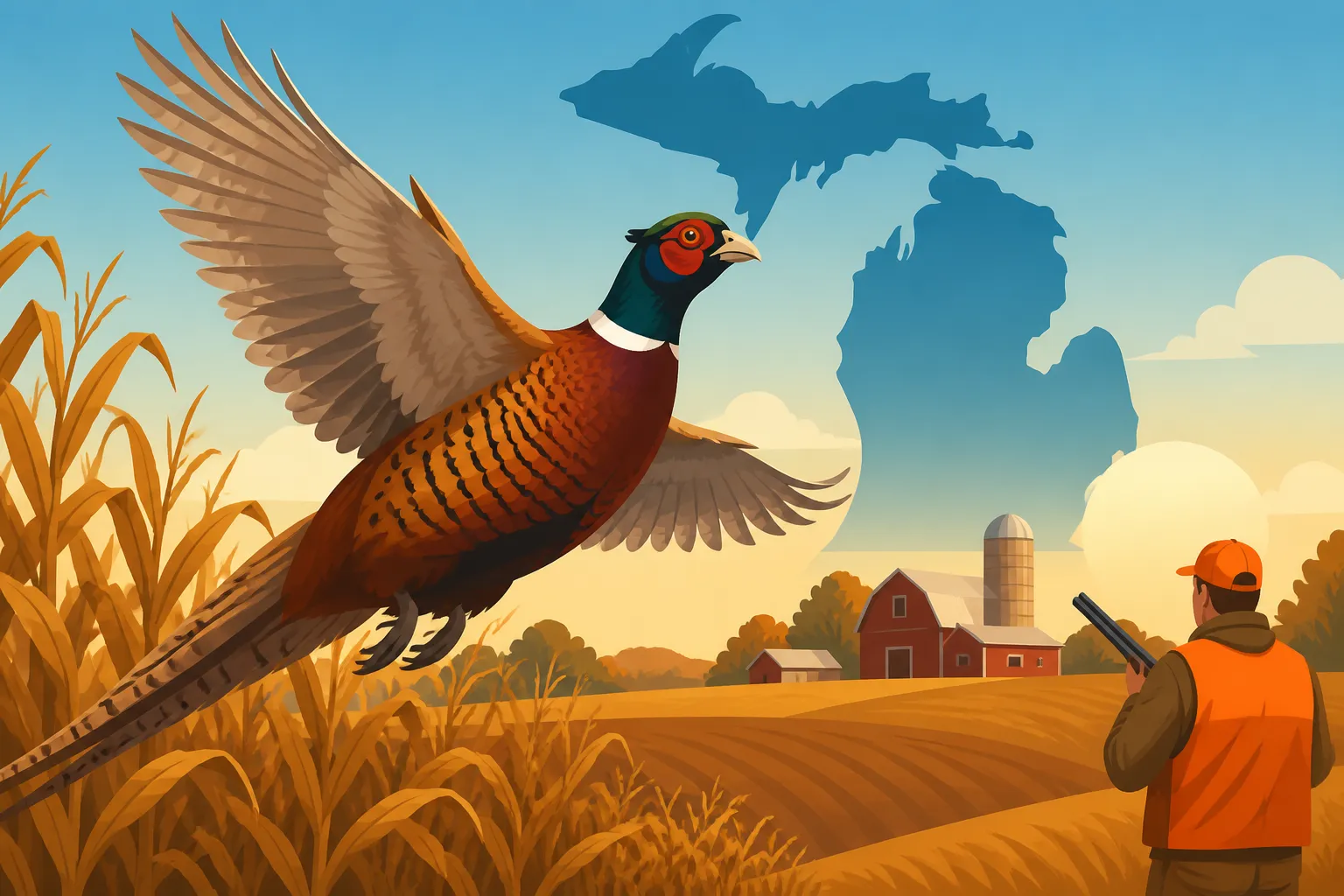
Pheasants and Michigan Farmland
It’s a frustrating truth for many Michigan hunters: the pheasants we remember from our childhoods, or even just stories from older generations, are a rare sight today. What was once a widespread and abundant game bird across our farmlands has seen a significant decline, leaving many wondering if pheasant hunting in Michigan is even worth the effort anymore. This comprehensive guide will explore the fascinating history of ringneck pheasants in our state, delve into the reasons behind their struggles, and equip you with the knowledge and strategies to find and hunt these elusive birds in Michigan’s modern agricultural landscape.
Michigan's Pheasant Heyday: A Look at History and Habitat
To truly understand the challenges pheasants face today, we first need to appreciate the conditions that allowed them to thrive in Michigan for decades. The ringneck pheasant, originally from Asia, was introduced to North America in the late 19th and early 20th centuries and quickly found a perfect home in Michigan's burgeoning agricultural landscape.
When the Ringneck Ruled the Roost
Michigan, particularly its southern Lower Peninsula, once boasted some of the best pheasant hunting in the nation. This wasn't by accident. Following widespread logging in the late 1800s and early 1900s, much of the southern part of the state was converted to diverse agricultural operations. Farms were smaller, more varied, and characterized by a patchwork of row crops like corn and soybeans, small grain fields such as wheat and oats, hayfields, pastures for livestock, and extensive areas of brushy fence rows, woodlots, and fallow ground. It was a mosaic of perfect pheasant habitat, offering everything a ringneck needed to survive and multiply.
Hunters would often describe opening day pheasant hunts as akin to flushing grouse in thick cover – birds exploding from every direction. The bag limits were generous, and stories abound of hunters filling their limits quickly, sometimes without even leaving the family farm. This era, stretching from the 1930s through the 1960s, represents the golden age of pheasant hunting in Michigan, a time when the colorful cocks were an iconic symbol of autumn in our agricultural heartland.
The Agricultural Landscape That Fueled the Boom
The key to the pheasant boom was the diversity and "messiness" of the agricultural practices of the time. Small grain fields provided crucial nesting cover in the spring and early summer, while hayfields, often cut later in the season, offered secondary nesting areas and insect-rich foraging grounds for poults. The wide fence rows, often left untrimmed and growing thick with multiflora rose, hawthorn, and other shrubs, served as vital winter cover, protecting birds from harsh winds and snow. These dense thickets were often adjacent to cornfields, which provided an abundant food source, especially after harvest when waste grain was readily available.
The presence of livestock also played a role. Pastures and un-mowed areas provided additional foraging and loafing cover, and the general pattern of smaller, less intensely farmed fields created more "edge habitat" – the transition zone between different types of cover – which pheasants absolutely thrive in. This wasn't just about food; it was about shelter, nesting sites, and escape cover, all intricately woven into the fabric of the rural landscape.
The Decline and Persistent Challenges for Michigan Pheasants
Sadly, the vibrant pheasant populations of yesteryear have largely faded, leaving hunters with a much tougher challenge. The factors contributing to this decline are complex, primarily driven by changes in agriculture and increasing pressure from predators.
Habitat Loss and Changing Farming Practices
The single biggest reason for the pheasant's decline in Michigan, and indeed across much of the Midwest, is the dramatic shift in agricultural practices since the 1970s. Modern farming emphasizes efficiency and large-scale operations. Fields are much larger, fence rows have been cleared to maximize tillable acreage, and many farms have specialized in commodity crops like corn and soybeans, leading to monoculture landscapes. The diverse patchwork of yesteryear has been replaced by vast expanses of single crops, often harvested cleanly with little waste grain left behind.
The widespread shift from hay and small grains to corn and soybeans means a significant reduction in critical nesting cover. Hayfields are often cut too early for pheasant nests to hatch, and the intense tillage associated with row crops destroys nests and exposes chicks to predators. Furthermore, the use of more potent herbicides eliminates broadleaf weeds and wildflowers, which are essential sources of insect protein for young pheasant chicks. Simply put, the habitat pheasants rely on for every stage of their life cycle has been drastically reduced and fragmented.
Predation, Weather, and Other Limiting Factors
While habitat loss is the primary driver, other factors contribute to the pheasant's struggle. Increased predator populations, particularly raccoons, skunks, foxes, and coyotes, have a significant impact on pheasant nests and adults, especially when cover is limited. With fewer places to hide and nest, pheasants become more vulnerable to these opportunistic predators. Severe winter weather, especially prolonged periods of deep snow and ice, can also take a heavy toll on pheasant survival. When food sources are buried and thermal cover is scarce, birds can succumb to starvation and exposure.
Heavy rainfall during nesting season can flood nests, and cold, wet springs can lead to high mortality rates for pheasant chicks, which are particularly susceptible to hypothermia. These natural pressures, while always present, become much more impactful when birds are already struggling with fragmented and degraded habitat. For example, a late hay cutting might be survivable with ample alternative cover, but without it, it can decimate a local population.
Finding Pheasants Today: Identifying Remaining Pockets and Key Habitats
Despite the challenges, Michigan still holds huntable pheasant populations, albeit in much smaller, more scattered pockets. Success today hinges on understanding where these birds persist and what specific habitat elements they rely on.
Geographic Hotspots and Remaining Farm Country Cover
Pheasants are not evenly distributed across Michigan. The best remaining opportunities are generally found in the southern Lower Peninsula, where agriculture still dominates, but certain areas have managed to retain critical habitat. Look to counties like Allegan, Lenawee, Hillsdale, Jackson, Calhoun, Gratiot, and Saginaw. These areas often have a mix of active agriculture, state game areas, and private lands enrolled in conservation programs. The key is to find areas with a diverse landscape: row crops, yes, but also adjacent cover like dense grass fields, cattail marshes, thick brush, and fallow areas.
It's about finding the exceptions to the rule – those forgotten corners, unkempt field edges, or areas where landowners are actively trying to manage for wildlife. Using tools like GoHunt can be invaluable for pinpointing these areas, as their detailed mapping layers can help identify public land boundaries, habitat types, and potential access points, allowing you to scout effectively without needing to drive every backroad. Pay close attention to areas that look "rough" or unmanaged, as these often hold the most promise for a wily ringneck.
Essential Habitat Components for Survival
When you're scouting for pheasants, whether using GoHunt from your couch or walking fields, you're essentially looking for a specific set of habitat components that must exist in close proximity. First and foremost, pheasants need dense, residual nesting cover – think tall, undisturbed grasses, alfalfa fields, or undisturbed fence rows that provide concealment from predators and a safe place to lay eggs. Next, they need brood-rearing cover, which typically means areas rich in insects, like weedy field margins, unmowed areas, or diverse herbaceous cover. Young chicks rely heavily on insects for protein, so areas sprayed heavily with herbicides are often barren for them.
Finally, pheasants require robust winter cover, which is perhaps the most limiting factor in many areas. This means dense cattail marshes, thick brushy draws, or even small woodlots with a dense understory that can provide thermal protection from cold winds and deep snow. These winter cover areas must be close to a reliable food source, such as standing corn or unharvested grain fields, so birds don't have to expend too much energy traveling. If one of these components is missing or too far apart, a pheasant population will struggle to maintain itself.
Hunting Strategies for Michigan Farmland Pheasants
Hunting pheasants in Michigan today is less about walking into a field and flushing birds every few steps and more about strategic scouting, smart use of available cover, and often, a good bird dog. The birds that remain are usually wilder and more pressured than their ancestors.
Public Land Opportunities and Access Programs
Michigan offers some decent public land opportunities for pheasant hunting, primarily through its extensive system of Michigan State Game Areas and other public lands managed by the DNR. Many of these areas in the southern Lower Peninsula have specific parcels managed for grassland habitat, sometimes even featuring pheasant release programs. You’ll need to do your homework to find these spots, and be prepared for company, especially on opening day or during the Michigan Pheasant Season Dates. Early mornings and weekdays often provide a less crowded experience.
Beyond traditional public lands, the Michigan Hunting Access Program Farms (HAP) can be a goldmine. This program leases private land from farmers and landowners for public hunting, often including prime pheasant habitat. These properties are typically well-marked and offer a chance to hunt land that might otherwise be inaccessible. Checking the DNR’s HAP website or using a mapping app with HAP overlays, like GoHunt, is essential to find these properties and understand their specific rules. Remember that hunting on any private land not enrolled in HAP generally requires securing permission from the landowner, respecting Michigan Trespass and Permission Law.
Tactics for Pressured Birds and Scattered Cover
Hunting today's Michigan pheasants requires a different approach than the old days. These birds are pressured, wary, and will run long before they flush if given the chance. A good flushing dog, like a Springer Spaniel, Labrador, or German Shorthaired Pointer, is almost a necessity. They can cover ground efficiently, push birds out of dense cover, and locate downed birds quickly. If you're hunting without a dog, you'll need to work cover very slowly and thoroughly, often employing small deer drives with a few friends to push birds towards blockers.
Focus on the thickest cover available – dense switchgrass, cattail sloughs, standing corn that hasn't been harvested, or brushy ditches. These are the places pheasants feel safe and where they'll often hold tight. Don't overlook small, isolated patches of cover, as a single rooster can often be found hunkered down in a tiny clump of weeds in an otherwise open field. Walking into the wind can help your dog scent birds better and makes birds flush into the wind, often giving you a slightly slower, more predictable shot. For more general small game information, consider checking out Michigan Small Game and Furbearer Seasons.
Michigan's Pheasant Restoration Efforts: Hope for the Future
Despite the historical decline, there's a concerted effort to bring pheasants back to Michigan. The Michigan Department of Natural Resources (DNR) and various conservation organizations are actively working to restore habitat and bolster populations.
DNR's Stocking and Habitat Initiatives
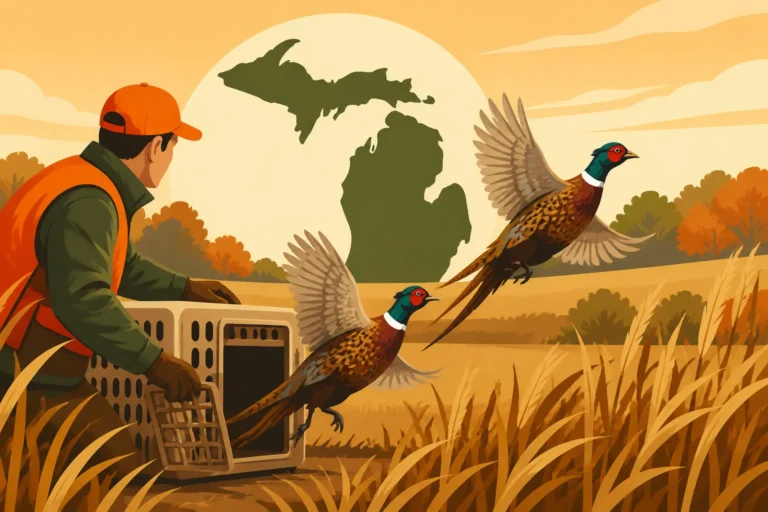
The DNR recognizes the cultural and ecological value of pheasants in Michigan. Through programs like the Michigan Pheasant Release Program, they release pen-reared pheasants on certain state game areas, primarily in the southern Lower Peninsula, to provide hunting opportunities. While these birds are not truly wild, they offer a chance for hunters, especially youth, to experience pheasant hunting and get dogs on birds. These release sites are typically managed to provide excellent habitat, giving the released birds the best chance of survival and allowing hunters to practice their skills in realistic settings.
Beyond direct stocking, the DNR also works on large-scale habitat improvement projects. This includes converting marginal farmlands back to diverse grasslands, planting food plots, and restoring wetlands within state game areas. These efforts aim to create self-sustaining habitat that could, over time, support wild pheasant populations. Hunters and conservationists often assist in these habitat projects through volunteer work or by purchasing habitat stamps and licenses, directly funding these initiatives.
The Role of Hunters and Conservation Groups
The future of pheasants in Michigan isn't solely in the hands of the DNR; it relies heavily on the passion and dedication of hunters and conservation groups. Organizations like Pheasants Forever play a critical role, working directly with landowners to implement habitat improvements, often leveraging federal conservation programs like the Conservation Reserve Program (CRP). These efforts transform agricultural fields into vital grasslands, providing nesting cover, brood-rearing areas, and winter sanctuary.
Hunters can contribute in numerous ways: joining local Pheasants Forever chapters, advocating for wildlife-friendly agricultural policies, and participating in habitat workdays. Even simply choosing to hunt on private lands where landowners are actively managing for pheasants, and perhaps offering to help with habitat work, can make a difference. The more collective effort we put into restoring and maintaining diverse agricultural landscapes, the better the chances that future generations will once again hear the thrilling cackle of a wild rooster pheasant bursting from the Michigan farmlands.
| Habitat Component | Importance for Pheasants | Historical Abundance | Current Availability |
|---|---|---|---|
| Nesting Cover | Tall grasses, small grains, hayfields for egg laying | Abundant | Limited |
| Brood Rearing Cover | Weedy areas, diverse forbs for insect protein | Abundant | Scarce |
| Winter Cover | Dense cattails, brushy draws, thick fence rows | Common | Highly Fragmented |
| Food Sources | Waste grain (corn, beans), seeds, insects | Abundant | Reduced |
| Water | Dew, succulent plants, small puddles | Generally Sufficient | Generally Sufficient |
Disclaimer
Hunting is an inherently risky activity. Always prioritize safety, follow all Michigan Department of Natural Resources regulations, and ensure you have the appropriate Michigan Hunter Safety and Youth Licences before heading afield. This guide is for informational purposes only and does not supersede official hunting regulations. Be aware of your surroundings and respect private property.