Michigan Sandhill Crane Numbers
If you’ve spent any time in Michigan’s wetlands, marshes, or even open agricultural fields, chances are you’ve encountered the majestic sandhill crane. Their distinct trumpeting call echoing across the landscape is unmistakable, and their towering presence, often seen gracefully wading or foraging, is truly a sight to behold. But many of us wonder: just how many of these incredible birds call Michigan home, and what’s their story? This comprehensive guide will dive deep into the fascinating journey of sandhill crane numbers in our state, exploring their remarkable comeback, where they thrive, and the ongoing discussions surrounding their future.
The Remarkable Resurgence of Sandhill Cranes in Michigan
It’s easy to take the sight of a sandhill crane for granted today, but believe it or not, these magnificent birds were once on the brink of disappearing from Michigan. Their story is a powerful testament to conservation efforts and the resilience of nature when given a fighting chance.
A Conservation Success Story
Think back to the early 1900s. Michigan’s landscape was undergoing massive changes. Wetlands were being drained at an alarming rate for agriculture and development, stripping away the critical habitats these birds needed to survive. On top of that, unregulated hunting in the past, when wildlife populations were not managed as they are today, also took its toll. By the 1930s, sandhill cranes were considered practically extirpated from Michigan, meaning they were almost entirely gone. It was a bleak time for many wildlife species across the continent.
However, a shift in public awareness and the advent of modern conservation principles began to turn the tide. Federal protections for migratory birds were put in place, offering a vital lifeline. Here in Michigan, efforts began to protect and restore critical wetland habitats. This wasn't a quick fix; it was a slow, deliberate process of understanding their needs, preserving what little habitat remained, and creating new opportunities for them to thrive. The comeback of the sandhill crane isn't just a biological event; it's a social one, demonstrating what dedicated conservationists and a supportive public can achieve.
Today, witnessing a pair of sandhill cranes gracefully soaring overhead or watching a whole flock gather in a field is a truly awe-inspiring experience. It serves as a living monument to those early conservation efforts and reminds us of the delicate balance required to maintain healthy ecosystems. What was once a rarity is now a common, cherished sight, a direct result of dedicated work and policy changes that recognized the intrinsic value of these birds.
Current Population Estimates and Trends
So, how do we know how many sandhill cranes are actually here? The Michigan Department of Natural Resources (DNR), in cooperation with federal agencies like the U.S. Fish and Wildlife Service, employs a variety of methods to monitor these migratory birds. This isn't just a casual headcount; it involves systematic aerial surveys, ground counts in known staging areas, and even banding programs where individual birds are tagged to track their movements and survival rates. These methods, while challenging due to the birds' migratory nature and widespread habitat, provide crucial data for understanding population health. You can imagine the effort it takes to get an accurate picture across such diverse and often remote landscapes.
The good news is that the general trend for sandhill cranes in Michigan has been overwhelmingly positive for decades. From those dangerously low numbers in the early 20th century, their population has seen a significant and sustained increase. While exact year-to-year figures fluctuate, the overall trajectory points towards a healthy, thriving population. Experts estimate tens of thousands of these birds now call Michigan home during various parts of the year, a far cry from the handful that remained less than a century ago. This robust growth showcases a true success story in wildlife management.
What does this all mean for Michigan? It signals a vibrant wetland ecosystem capable of supporting these large birds, and it’s a positive indicator for the broader health of our environment. A thriving crane population not only adds beauty to our natural spaces but also plays a role in the intricate web of our state's biodiversity. Their numbers reflect successful habitat restoration and protection, contributing to a richer and more balanced natural world that many of us cherish.
Where Michigan's Sandhill Cranes Roam
Understanding the sheer numbers of sandhill cranes is one thing, but knowing where to find them and why they choose certain spots in Michigan really brings their story to life. These birds have very specific needs when it comes to raising their young and preparing for their long migratory journeys.
Prime Breeding and Nesting Habitats
Sandhill cranes are masters of wetland living. When it comes to breeding and nesting, they seek out secluded wetlands, expansive marshes, and wet meadows that offer both abundant food sources and, most importantly, critical cover for their vulnerable nests and chicks. They prefer areas with shallow water and dense vegetation, such as cattails, sedges, and rushes, which provide ideal camouflage from predators and a stable platform for their typically large, mounded nests built directly in the water. The security of being surrounded by water is paramount to their reproductive success.
While cranes can be found across various parts of Michigan, certain regions stand out as prime breeding grounds. The vast wetland complexes of southern Michigan, often interspersed with agricultural lands, are particularly important. Areas around the Haehnle Memorial Sanctuary near Jackson, while famous as a staging area, also highlight the type of rich wetland habitat that attracts these birds. The secluded corners of state game areas and even private land with suitable marshy tracts also play host to nesting pairs. Michigan State Game Areas are often carefully managed to provide these types of diverse habitats, benefiting not only cranes but a wide array of other wetland species.
Finding a crane nest is a rare treat, as they are incredibly well-hidden. The chicks, once hatched, are precocial, meaning they can walk and feed themselves almost immediately, but they remain dependent on their parents for protection and guidance. The sheer expansiveness of these wetland areas means that many nests go undetected by humans, a testament to the cranes' ability to find the peace and quiet they need to successfully fledge their young. Protecting these vital breeding grounds is key to maintaining their robust population numbers.
Migration Patterns and Staging Areas
The lifecycle of a sandhill crane in Michigan isn't just about breeding; it's also about a remarkable annual journey. As temperatures drop and the seasons change, Michigan's sandhill cranes begin to gather for their southward migration, heading to warmer climates in states like Florida and Georgia. They return north in early spring, often among the first migratory birds to announce the arrival of warmer weather, a welcome sight after a long Michigan winter. This annual back-and-forth is a true spectacle of the natural world, dictated by instinct and the search for food and suitable climate. Michigan Waterfowl Migration Timing provides some context on how other bird species also follow these seasonal patterns.
Before embarking on their long flights, sandhill cranes congregate in massive numbers at specific staging areas. These critical locations are typically large, open agricultural fields—often cut corn or hay fields—adjacent to wetlands or other protected roosting sites. Here, they can feed extensively, building up the necessary energy reserves for their journey, and gather in immense flocks that provide safety in numbers. The sight of thousands of cranes descending upon a field at dusk, their calls filling the air, is an unforgettable experience for any wildlife enthusiast. These staging areas act as vital rest stops, crucial for the success of their migration.
The migration isn't always a single, non-stop push. Cranes will often make several stops along their migratory routes, depending on weather conditions and food availability. A sudden cold snap or strong headwind might delay their departure, while favorable conditions can accelerate their journey. This adaptability allows them to navigate the unpredictable nature of seasonal weather, ensuring they arrive at their destinations healthy and ready for the next phase of their annual cycle. It’s a complex logistical dance that they've perfected over millennia.
Understanding Crane Management and Challenges
While the sandhill crane's comeback is a wonderful success story, their increasing numbers and widespread presence also bring new considerations and management challenges. It's a careful balancing act for wildlife agencies to ensure the species remains healthy while addressing potential conflicts with human interests.
DNR's Role in Monitoring and Management
The Michigan Department of Natural Resources (DNR) plays a pivotal role in the ongoing conservation and management of sandhill cranes, just as they do for other game and non-game species across the state. Their mandate is to protect and conserve Michigan's wildlife resources for current and future generations. For cranes, this involves not only population monitoring through surveys but also habitat management efforts within Michigan Managed Waterfowl Areas and other public lands. They work to ensure the wetlands and fields that cranes depend on remain viable and productive.
Data collection for cranes extends beyond just population counts. The DNR collaborates closely with federal agencies on broader migratory bird surveys, sharing information to get a continent-wide picture of crane health. This extensive data allows them to understand reproductive success rates, survival rates, and the impact of environmental factors. Furthermore, they keep an eye on potential threats like Michigan Wildlife Disease Monitoring, ensuring that any outbreaks affecting crane populations are identified and addressed, though cranes are generally hardy birds.
The management of sandhill cranes is a continuous process of evaluation and adaptation. It involves weighing the ecological health of the species against social and economic factors, particularly when large crane populations interact with human activities. The DNR's approach is rooted in scientific data, ensuring decisions are made with the best available information to maintain the long-term sustainability of the species in Michigan.
Challenges: Agriculture, Habitat, and Human Interaction
With a thriving population comes new challenges, particularly when wildlife lives alongside human development and agriculture. One of the most significant issues surrounding Michigan's sandhill cranes is their impact on agricultural crops. As cranes forage for food, they can sometimes cause damage to newly planted corn, soybeans, or other row crops, especially in areas where large flocks concentrate. This can lead to financial losses for farmers, creating a direct conflict between agricultural productivity and wildlife conservation. It's a very real frustration for those who rely on their fields for their livelihood.
Beyond agriculture, habitat fragmentation continues to be a concern, even for a species that has seen such a strong recovery. While many wetlands are protected, development pressures can still encroach on critical breeding or staging areas, isolating populations or reducing the overall carrying capacity of the land. It’s a constant battle to ensure that sufficient high-quality habitat remains interconnected enough to support a healthy and expanding crane population. Programs like Michigan Hunting Access Program Farms sometimes offer opportunities for wildlife to use private land, but habitat quality remains key.
Finally, increased human interaction, while often positive in the form of wildlife viewing, can also present challenges. Accidental collisions with vehicles are a risk, particularly as cranes feed in roadside fields. There's also the delicate balance of public appreciation versus disturbance; getting too close to nesting pairs or large flocks can cause stress to the birds. Education is key to fostering respectful coexistence, ensuring that people can enjoy these magnificent birds without inadvertently harming them.
The Future of Sandhill Cranes in Michigan
The journey of the sandhill crane in Michigan is far from over. As their numbers remain robust, discussions about their place in our ecosystem and potential future management strategies continue. It’s a testament to their success that we’re now looking at what comes next for these iconic birds.
Ongoing Conservation Efforts
Even with their incredible comeback, conservation efforts for sandhill cranes in Michigan are far from finished. Many public and private organizations, including groups like Michigan Audubon, continue to advocate for wetland protection and restoration. These efforts often involve purchasing key parcels of land, establishing conservation easements with private landowners, and actively managing existing public lands to enhance their value for cranes and other wetland-dependent species. It's a collaborative approach, recognizing that no single entity can carry the entire burden of conservation.
Wetland restoration and enhancement projects are particularly important. This might involve re-flooding drained agricultural lands, creating shallow water impoundments, or planting native vegetation to provide better nesting cover and food sources. These targeted habitat improvements benefit not only cranes but a whole host of other wildlife, from migratory waterfowl to muskrats and frogs. Programs aimed at improving habitat on Michigan State Forest Hunting lands also indirectly contribute to a broader healthier environment that benefits various species.
Education and public outreach also form a crucial part of ongoing conservation. Helping the public understand the ecological role of sandhill cranes, the challenges they face, and the beauty they bring to our landscapes encourages a sense of stewardship. When people appreciate and understand wildlife, they are more likely to support policies and initiatives that ensure the long-term health and presence of these magnificent birds.
Potential for a Hunting Season
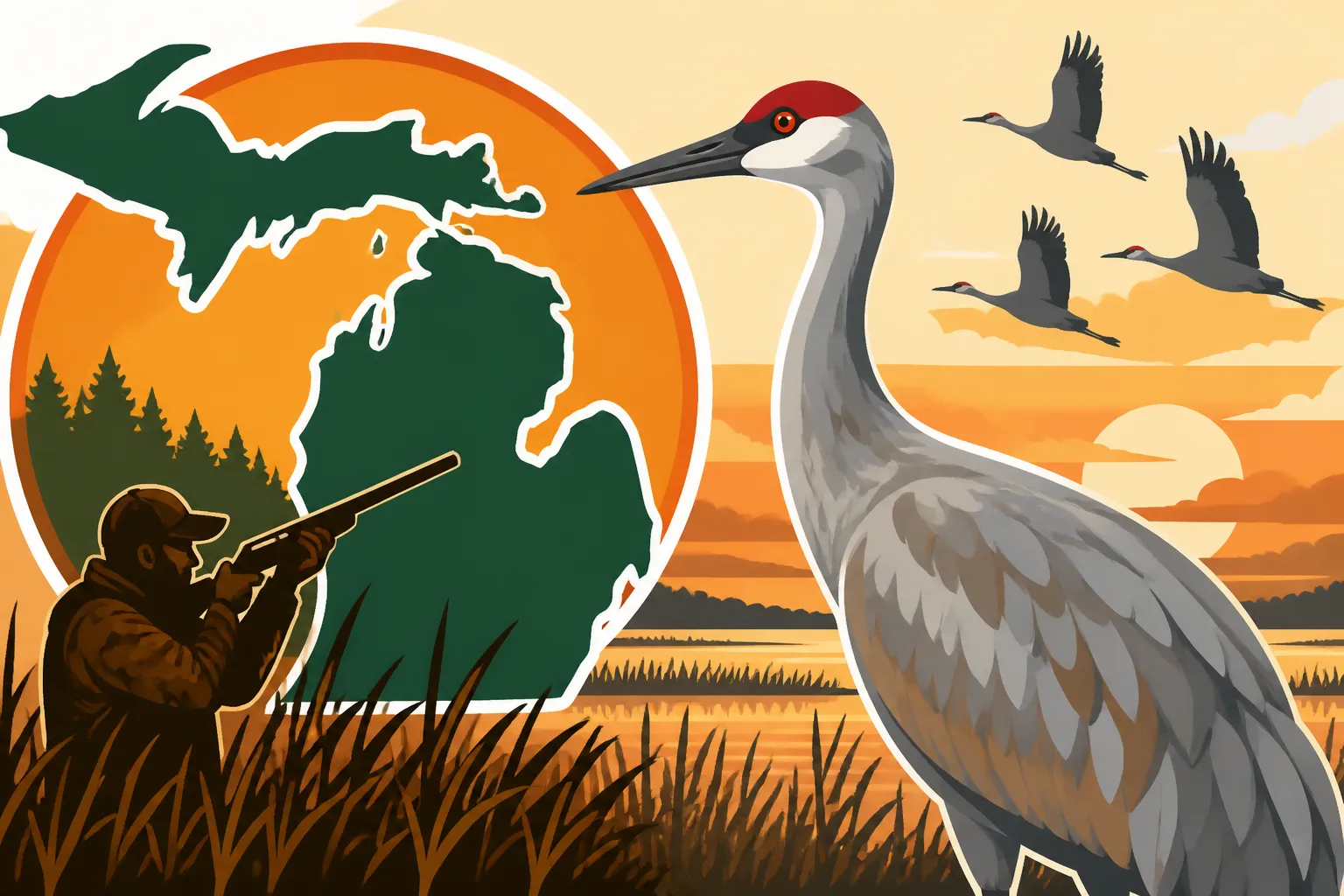
The robust population numbers of sandhill cranes in Michigan have naturally led to discussions, sometimes quite passionate, about the possibility of establishing a hunting season. Currently, sandhill cranes are not hunted in Michigan, though they are federally recognized as a game bird and hunting seasons exist in several other states across their range. The federal framework allows states to propose seasons if populations can sustain harvest, and Michigan's population is certainly abundant. This debate is deeply rooted in different perspectives on wildlife management and the role of hunting. This is the heart of the discussion addressed in Whether Michigan Will Hunt Sandhill Cranes.
Advocates for a hunting season often point to the healthy population numbers and the increasing crop damage experienced by farmers as justification. They argue that regulated hunting could serve as a management tool to help mitigate agricultural conflicts and provide a recreational opportunity for hunters for a challenging game bird, similar to Michigan Turkey Population Trends, where careful management allows for hunting. Proponents emphasize that a season would be strictly controlled with limited tags and areas, ensuring the population's sustainability.
On the other side of the debate, many conservationists, wildlife enthusiasts, and a segment of the public strongly oppose a hunting season. They often highlight the sandhill crane's iconic status, their aesthetic value, and their story as a conservation success, arguing that hunting would be an unnecessary step that goes against the spirit of their recovery. Concerns about the potential impact on local populations, even with regulated hunting, and the ethical considerations of hunting a species admired for its beauty and unique characteristics, are frequently raised. This ongoing conversation reflects the diverse values and priorities people hold regarding Michigan's wildlife.
Michigan Sandhill Crane Population Overview
| Aspect | Historical Status (Early 1900s) | Current Status (Early 2000s onwards) | Management Implications |
|---|---|---|---|
| Population Trend | Critically low, near extirpation | Strong, increasing, robust | Requires ongoing monitoring, habitat protection |
| Primary Habitat | Remaining isolated wetlands | Widespread wetlands, agricultural interfaces | Need for wetland conservation, addressing crop conflicts |
| Conservation Status | Highly endangered in Michigan | Secure, common breeding resident/migrant | Shifting from recovery to sustainable management, public education |
| Human Interaction | Minimal, due to rarity | High visibility, potential for crop damage, viewing | Balancing human interests with wildlife needs, potential hunting debate |
Disclaimer
This article is for general informational purposes only and does not constitute professional advice. Laws, prices and regulations vary by location and change over time. Consult a qualified professional for guidance on your specific situation.