Why Southern Michigan Grows Bigger Bucks
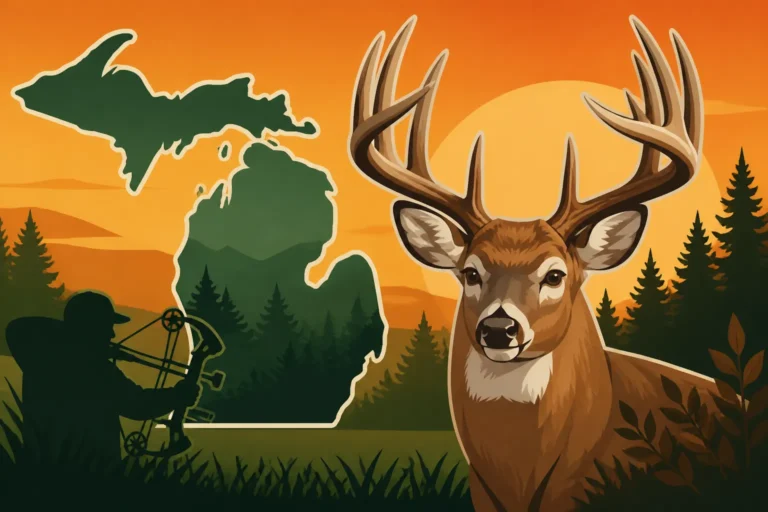
It's a question that echoes through deer camps every fall, especially after someone spots a monster buck photo on social media: "Why does Southern Michigan always seem to produce those giant deer?" Many hunters, especially those of us battling thick cedar swamps up north, feel a pang of jealousy. This guide will dive deep into the specific reasons why the southern half of our beloved state often yields bigger bucks, exploring the crucial factors that play into antler growth and overall deer health.
The Agricultural Advantage: Fueling Antler Growth
One of the most undeniable factors contributing to larger bucks in Southern Michigan is the sheer abundance and quality of food sources available to them. Unlike the vast expanses of northern forests or the often-barren timberlands of the Upper Peninsula, Southern Michigan is a patchwork of fertile agricultural fields, woodlots, and suburban sprawl, all of which provide a smorgasbord for whitetails.
Think about it: a young buck growing its first rack in the northern Lower Peninsula might be scrounging for browse in a clearcut or munching on acorns when they're available. That's decent food, but it's often seasonal and can be limited. Now picture a buck in a southern county, browsing on alfalfa fields in spring, chowing down on corn and soybeans all summer, and even finding forgotten pumpkins or lush food plots in the fall. That consistent, high-protein, high-energy diet translates directly into robust body growth and, crucially, impressive antler development. Deer are like any other animal; what they eat directly impacts their health and physical potential.
The nutritional quality of the soil itself also plays a huge role. Southern Michigan generally boasts richer, more productive soils than the sandy, glacial outwash plains further north. This means the native browse and mast crops that do grow there are often more nutrient-dense. Even in woodlots that aren't surrounded by agriculture, the underlying soil can provide better minerals for forbs and woody browse, which deer readily consume. This consistent availability of high-quality forage throughout the year allows bucks to put more energy into antler growth, pushing their genetic potential to the max. For those looking to understand the patterns of Southern Michigan Farm Country Deer Hunting, this agricultural richness is key.
Age Structure and Management: Allowing Bucks to Mature
Beyond diet, the age structure of the buck population is paramount when discussing antler size. A buck simply can't grow a truly impressive rack if it doesn't live long enough to reach its physical prime, which for whitetails is typically between 4.5 and 6.5 years old. In many areas of Southern Michigan, a combination of factors, including specific regulations and private land management, helps foster an older age class of bucks.
Michigan has adopted Antler Point Restrictions (APRs) in many Deer Management Units (DMUs) across the state. While not exclusive to Southern Michigan, where they are implemented, APRs require bucks to have a certain number of antler points (often four on one side) to be legal to harvest during certain seasons. This regulation effectively acts as a filter, allowing younger bucks (often 1.5- and 2.5-year-olds) to walk and mature for another year or two. This isn't just about giving them time to grow, but also about improving the overall buck-to-doe ratio, which can positively impact rut behavior and fawn recruitment. Understanding Michigan Antler Point Restrictions by DMU is vital for any hunter in these areas.
Furthermore, a significant portion of Southern Michigan is private land, and landowners often implement their own forms of Quality Deer Management (QDM). This might involve voluntarily passing on younger bucks, actively managing habitat through food plots, or carefully controlling hunting pressure. When a large percentage of the landscape is managed with these principles, it creates a sanctuary effect that benefits all deer, including those on adjacent public lands. Hunters using platforms like GoHunt can often see property boundaries, which helps illustrate just how fragmented and privately owned much of this prime deer country really is, influencing how bucks move and where they find refuge.
Hunting Pressure Dynamics and Access Challenges
Hunting pressure in Southern Michigan operates quite differently than in the vast public forests of the northern Lower Peninsula or the Upper Peninsula. While there can still be intense pressure in certain areas, the fragmented nature of the landscape and the prevalence of private land create unique dynamics that can inadvertently contribute to larger bucks.
On smaller parcels of private land, owners can control who hunts and how often. This often means less overall hunting pressure on any given deer compared to state land that sees dozens or hundreds of hunters throughout the season. Bucks learn quickly, and mature bucks become incredibly adept at avoiding detection. On these smaller, often dense woodlots interspersed with agriculture, a savvy old buck can live a relatively undisturbed life, using thick cover for bedding and slipping into fields under the cloak of darkness. This can lead to longer lifespans for more bucks.
Access to these prime areas also presents a challenge, which, paradoxically, can benefit trophy buck potential. While public land is available, much of the best agricultural country is privately owned. Gaining permission to hunt these parcels can be difficult, requiring persistence and good relationships, as highlighted in guides like Knocking on Doors in Michigan Farm Country. When hunters successfully secure access, they often commit to careful management, knowing they have a valuable resource. The difficulty of widespread, uncontrolled access in many areas helps maintain pockets where bucks can reach maturity without constant harassment.
Table: Comparing Key Factors for Buck Size in Michigan Regions
| Factor | Southern Michigan | Northern LP/Upper Peninsula |
|---|---|---|
| Primary Food Source | Abundant agriculture (corn, soy, alfalfa), rich native browse, food plots | Native browse, acorns (seasonal), limited agriculture, pine/cedar swamps |
| Soil Fertility | Generally high, leading to nutrient-dense forage | Variable; often sandy or less fertile |
| Deer Density | Often high | Moderate to high in some areas, lower in others |
| Buck Age Structure | Tendency towards older age classes due to management/APRs | More pressure on younger bucks; harsh winters |
| Hunting Pressure | Variable; intense in some areas, pockets of low pressure on private land | Often widespread and consistent on public land |
| Land Ownership | Predominantly private, fragmented | Significant public land |
| Winter Severity | Milder winters, less stress on deer | Severe winters, high winter mortality risk |
Michigan's Landscape Diversity: Beyond the Cornfields
While we often associate Southern Michigan with vast agricultural fields, it's essential to remember the incredible diversity of its landscape. It's not just corn and soybeans. Southern Michigan also boasts extensive marshlands, river bottoms, mature hardwood forests, and even suburban green spaces, all of which contribute to an ideal environment for growing big deer.
Take the marshlands and river corridors, for example. These areas often provide incredibly dense, protective cover where a buck can escape pressure and find refuge. Combined with adjacent agricultural fields, these natural sanctuaries create a perfect blend of safety and nutrition. Bucks can bed down in cattails or thick riparian zones, then slip out under cover of darkness to gorge on crops. For hunters looking to optimize their approach, understanding how deer use these varied habitats is crucial. Even without baiting, which is banned in most of the Lower Peninsula, the diverse natural food sources and cover allow deer to thrive, making it easier to implement strategies like Hunting Without Bait in the Lower Peninsula.
Furthermore, the growing trend of small, meticulously managed food plots, sometimes as alternatives to the former practice of baiting, offers a localized boost in nutrition. While large-scale agricultural operations provide the baseline, these smaller plots offer concentrated, high-quality forage precisely when deer need it most, such as during the late summer antler growth phase or pre-rut conditioning. This is where options like Food Plots Instead of Bait really shine, demonstrating a proactive approach to supplementing natural food sources. Hunters often use tools like GoHunt to scout and locate these prime areas, whether it's public land adjacent to agriculture or private parcels with optimal habitat.
Lastly, the comparatively milder winters in Southern Michigan also play a subtle but important role. While the Upper Peninsula and northern Lower Peninsula can experience brutal, deep-snow winters that stress deer and even lead to significant winter mortality, Southern Michigan rarely sees such extremes. This means less energy expenditure for survival, better fawn recruitment, and a healthier deer herd overall, allowing bucks to recover more quickly from the rigors of the rut and allocate resources efficiently to antler growth in the following year. Even a great resource like Michigan Deer Population Estimate will show how winter severity impacts northern deer numbers far more dramatically than those in the south.
Ultimately, it’s a confluence of factors – superior nutrition from rich agricultural land and diverse habitat, a greater chance for bucks to reach older age classes due to management and regulations, and specific hunting pressure dynamics – that creates the perfect storm for growing those impressive bucks we all dream about in Southern Michigan. It's not luck; it's ecology and management working hand-in-hand. For anyone curious about statewide trends, diving into Michigan Deer Harvest Trends can reveal a lot about where and how Michigan's deer are thriving.
Disclaimer
This article is for general informational purposes only and does not constitute professional advice. Laws, prices and regulations vary by location and change over time. Consult a qualified professional for guidance on your specific situation.