Michigan Deer Harvest Trends
It's incredibly frustrating when you're out in the Michigan woods, putting in the time, and you can't quite get a handle on what the deer herd is really doing. One year you see deer everywhere, the next it feels like a ghost town, and it leaves you wondering if it's just your spot or if something bigger is going on. This guide is here to pull back the curtain on Michigan's deer harvest trends, delving deep into the official numbers and the real-world factors that shape them, so you can understand the bigger picture of our state's whitetail population.
Understanding Michigan's Deer Harvest Data
Let's face it, hunting isn't just about pulling the trigger; it's about understanding the land, the animals, and even the data that helps manage it all. Michigan's deer harvest data is more than just a bunch of numbers – it's a critical tool the Department of Natural Resources (DNR) uses to gauge the health and population of our whitetail herd. But for us hunters, it can sometimes feel a bit abstract. What do all those charts and figures actually mean for our time in the woods?
The Michigan DNR's Role in Data Collection
The Michigan DNR takes on the monumental task of collecting deer harvest data, and honestly, it’s a huge undertaking. Every time you successfully fill a tag, you’re required to report your harvest. This isn't just a bureaucratic hoop to jump through; it's how the state gets a real-time snapshot of what's happening in the woods. Hunters can report their deer quickly and easily through the DNR's online system, via their popular mobile app, or even through various retailers. This mandatory reporting, typically within 72 hours of harvest, is vital for accurate data. Think about it: if even a quarter of us forgot or chose not to report, the entire picture of the herd's health and density would be skewed, making it harder for the DNR to make informed decisions about seasons, quotas, and regulations.
Over the years, the methods of reporting have definitely evolved. Back in the day, it was all about checking stations and paper tags, which could be a real hassle, especially after a long drag out of a swamp. Now, with the convenience of smartphones and online access, the reporting process is much smoother. These technological advancements have not only made it easier for hunters but have also improved the timeliness and accuracy of the data collected. It helps create a more robust dataset for analysis, allowing for quicker responses to changes in deer populations or emerging health concerns within the herd.
Key Metrics: Antlered Versus Antlerless Harvest
When you dig into the harvest reports, you'll quickly notice a breakdown between antlered and antlerless deer. This distinction isn't arbitrary; it’s fundamental to understanding the dynamics of the herd. The antlered harvest, specifically the number of bucks taken, often serves as a primary indicator for many hunters. A strong buck harvest can suggest a healthy population, good recruitment of young bucks, and sometimes, even successful management strategies like antler point restrictions (APRs) that allow younger bucks to mature. It's often the metric we hear most about and what many hunters focus on when discussing the "quality" of a hunting season.
However, focusing solely on antlered deer only tells half the story. The antlerless harvest – the number of does and fawns taken – is equally, if not more, crucial for managing the overall deer population. When deer numbers are too high for the available habitat, an increased antlerless harvest helps to bring the population into balance, reducing competition for food and mitigating potential crop damage or deer-vehicle collisions. Conversely, if antlerless harvest is too low, the population can boom, leading to an overabundance of deer that might suffer from poor health, stunted growth, and increased susceptibility to disease. Understanding this balance is key to grasping the DNR's management goals and how they influence the tags available each year.
Season-Specific Harvest Breakdowns
Michigan's deer hunting structure is designed to offer diverse opportunities throughout the fall and early winter, and each season contributes uniquely to the overall harvest. The archery season, which spans a significant portion of the fall, often sees a substantial number of deer taken, especially as hunters utilize tactics during Hunting the Pre-Rut in Late October. It typically accounts for a significant chunk of the total harvest, with many hunters appreciating the extended time in the woods and the challenge of bowhunting. The early part of archery, particularly, can see high activity before deer become more pressured.
Then, of course, there's the firearm season – Michigan's traditional "orange army" period in November. This 16-day window, often overlapping with the peak of the rut, consistently represents the largest portion of the state's total deer harvest. The sheer number of hunters in the woods, coupled with the greater range and effectiveness of firearms compared to bows, leads to these higher harvest figures. Finally, the late muzzleloader season, usually in December, and the late antlerless firearm season, offer additional opportunities, often under colder, snowier conditions. While these seasons contribute smaller numbers to the overall tally, they are important for specific management goals, particularly for reducing antlerless numbers in certain areas, and offer hunters a chance to extend their season into the colder months, often requiring different tactics as outlined in guides like Muzzleloader Deer Hunting in Michigan.
Historical Overview of Michigan Deer Harvests
Michigan has a long, storied history of deer hunting, and looking back at the harvest trends over the decades reveals a fascinating journey of boom, bust, and adaptive management. These aren't just dry statistics; they tell the story of our state's landscape, our hunting culture, and the challenges our deer herd has faced and overcome.
Peaks and Valleys: Major Trends Over Decades
Michigan's deer harvest numbers haven't always been a straight line; they've ridden a rollercoaster of peaks and valleys. In the early to mid-20th century, deer populations were much lower, rebounding from overhunting and habitat destruction from widespread logging. As forests regenerated and management practices improved, the numbers steadily climbed, often reaching impressive highs in the late 20th century. I remember older hunters talking about the "good old days" in the 70s and 80s, where deer seemed to be everywhere. These peak periods were driven by a combination of recovering habitat, relatively mild winters, and expanding agricultural lands that provided abundant food sources.
However, these highs were often followed by periods of decline. Factors like increased hunting pressure, particularly on does, severe winter weather, and habitat maturation (meaning fewer young, nutritious plants for deer) led to dips in the harvest. For example, periods of extensive clearcutting provided excellent browse, which then matured into denser, less productive forest. Understanding these cycles helps us realize that the current trends aren't isolated; they're part of a much larger, ongoing story of Michigan's whitetails. It’s a constant dance between what nature provides and what human management aims to achieve.
The Impact of Past Regulations
Regulations are the DNR's primary lever for influencing deer populations and harvest, and Michigan has seen its fair share of changes. One of the most significant shifts for many hunters was the implementation of Antler Point Restrictions (APRs) in various Deer Management Units (DMUs). These regulations, which specify a minimum number of points a buck must have on one antler to be legally harvested, were introduced with the goal of increasing the age structure of the buck herd. While initially controversial for some, the idea was that by protecting yearling bucks, they would survive to older ages, potentially leading to more mature bucks and improved breeding dynamics. The harvest data clearly shows how these rules changed the number of yearling bucks taken, with a noticeable shift towards older class bucks in many regulated areas. If you're wondering how these work, our guide on How Michigan APRs Work by Unit dives deeper.
Beyond APRs, the evolution of doe permit systems has also heavily shaped harvest trends. Early on, doe tags were often very limited, leading to population growth. As the herd expanded, more antlerless tags were issued to manage numbers. More recently, regulations concerning baiting and feeding have also influenced hunter behavior and harvest success. The widespread ban on baiting in much of the Lower Peninsula and all of the Upper Peninsula, implemented to help slow the spread of diseases like CWD, changed how many hunters approach their season. Many hunters who relied on bait for consistent success had to adapt their strategies, potentially impacting local harvest numbers, though the overall goal was for herd health. It was a tough pill for many to swallow, and our piece on Why Michigan Banned Baiting explores the reasoning behind it.
Economic and Social Factors
It’s easy to focus solely on biological factors, but economic and social trends play a subtle yet significant role in Michigan’s deer harvest. Hunter participation rates, for example, have a direct correlation. If fewer people are hunting, even with a healthy deer population, the overall harvest numbers can decline. Michigan, like many states, has seen a gradual decrease in hunter numbers over the past few decades, though efforts are continuously being made to recruit and retain new hunters. This decline can be due to a variety of factors, including urbanization, fewer people growing up in hunting families, and the increasing costs associated with hunting.
Economic downturns can also ripple through the hunting community. During recessions, discretionary spending tightens, meaning fewer hunting trips, less equipment purchased, and sometimes even a delay in obtaining licenses. This can result in reduced hunter effort and, consequently, lower harvest numbers. Furthermore, the changing demographics of Michigan – with more people living in urban areas and less direct connection to rural traditions – means that the traditional hunting lifestyle is less prevalent for many. These societal shifts are ongoing challenges that impact not just harvest numbers, but the very future of hunting in our state.
Regional Differences in Harvest Trends
Michigan is a vast and diverse state, and what's happening with the deer herd in the sprawling forests of the Upper Peninsula is often vastly different from the agricultural mosaics of the southern Lower Peninsula. Understanding these regional distinctions is key to truly grasping Michigan's deer harvest trends. It's not a one-size-fits-all situation, and the challenges and opportunities vary dramatically from one end of the state to the other.
Upper Peninsula Deer Harvest Challenges
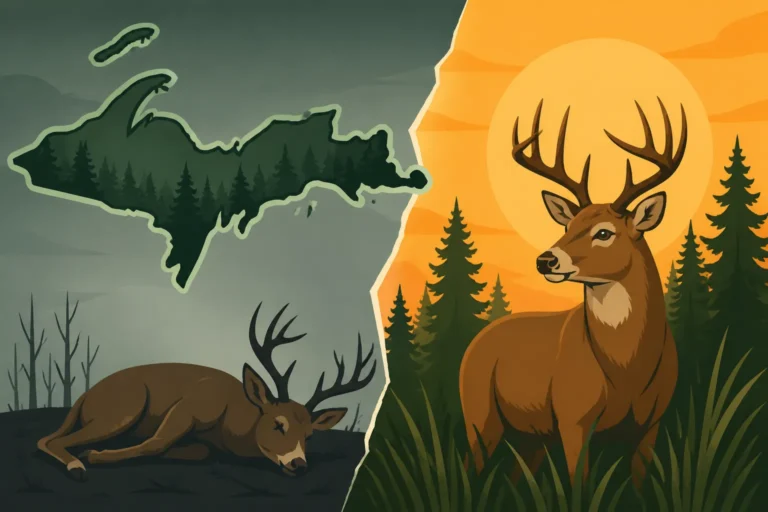
Hunting the Michigan Upper Peninsula for deer is a truly unique experience, but it comes with distinct challenges that profoundly affect harvest trends. The U.P. is defined by its vast tracts of big woods, harsh winters, and lower deer densities. For hunters in the U.P., the impact of severe winters cannot be overstated. When the snow piles up deep and stays for extended periods, it takes a heavy toll on the deer herd, especially fawns and older animals. Our article on What Severe Winters Do to Michigan Deer paints a stark picture of how devastating these conditions can be. These "winter severity index" scores are a huge indicator for future harvest potential, as fawn recruitment directly impacts future year classes of deer.
Compounding these winter struggles are the naturally lower deer densities in much of the U.P. compared to the Lower Peninsula. Fewer deer per square mile mean fewer opportunities for hunters, and subsequently, lower harvest numbers. While some areas, particularly near agricultural pockets, might hold more deer, the vast majority of the U.P. is characterized by these more challenging conditions. Predators, notably wolves and coyotes, also play a more significant role in the U.P. ecosystem. While their exact impact on deer numbers is a subject of ongoing debate and study, many hunters believe they contribute to the difficulties in building a robust deer population, especially after harsh winters. All these factors combine to create a harvest trend in the U.P. that often fluctuates more dramatically and generally remains lower than the rest of the state.
Northern Lower Peninsula Dynamics
The Northern Lower Peninsula (NLP) presents a mixed bag when it comes to deer harvest trends. It's a region characterized by a blend of state and national forests, interspersed with agricultural clearings and small towns. This varied habitat offers a more stable environment for deer than the U.P., often resulting in more consistent harvest numbers. However, the NLP still faces its own unique challenges. While winters are generally less severe than in the U.P., they can still be tough enough to impact fawn survival and overall herd health, especially in the more northern counties.
Hunting pressure in the NLP can be substantial, particularly on public lands and during the firearm season. This pressure can shift deer movement patterns, making them more nocturnal or pushing them into thicker, harder-to-reach cover. Areas with extensive state forest, like the Huron-Manistee National Forest, often see high hunter numbers. Yet, the mix of dense timber, cedar swamps, and regenerating clearcuts provides excellent habitat, allowing for a good balance of deer numbers. Harvest trends in the NLP tend to be more stable than the U.P. but less consistently high than the farm country further south, reflecting a middle ground in terms of habitat, pressure, and winter severity.
Southern Michigan Farm Country's Consistent Harvest
When you look at the raw numbers, Southern Michigan Farm Country consistently leads the state in total deer harvest. This region, characterized by extensive agriculture, woodlots, river bottoms, and suburban fringes, provides an almost ideal environment for whitetails. The abundant food sources from farm fields (corn, soybeans, alfalfa) coupled with fragmented yet diverse cover, allows for incredibly high deer densities. Hunters in areas like the "Thumb" or southwestern Michigan often experience the highest success rates in the state. Our guide to Southern Michigan Farm Country Deer Hunting really details why this area is a whitetail haven.
The consistent food supply and generally milder winters mean better fawn survival and healthier deer, translating into higher harvest numbers year after year. While much of this hunting takes place on private land, with access often requiring permission, leases, or ownership, the sheer carrying capacity of the land means there are more deer to go around. It’s also no secret that this region often produces some of Michigan's biggest bucks, a topic we explore in Where Michigan's Biggest Bucks Come From. This combination of high density, robust deer health, and productive habitat ensures that Southern Michigan Farm Country remains a cornerstone of the state's total deer harvest, often providing the most stable and highest numbers in comparison to the more challenging northern regions.
Current Factors Influencing Modern Harvests
The deer woods of Michigan are constantly evolving, and what influences our deer herds today might be different from even a decade ago. While weather and habitat remain critical, new challenges like diseases and changing land use patterns are increasingly shaping modern harvest trends. These factors require continuous monitoring and adaptive management strategies from the DNR, and they certainly impact our time afield.
Wildlife Diseases: CWD and Bovine TB
Perhaps no factor looms larger over Michigan's deer herd and its harvest trends than the ongoing threat of wildlife diseases. Chronic Wasting Disease (CWD) is a neurological disease that is always fatal to deer and elk, and its presence in Michigan has dramatically influenced harvest regulations and hunter behavior. Since CWD was first detected in Michigan, the DNR has implemented strict rules, including mandatory testing in certain areas, carcass transport restrictions, and the baiting ban in affected zones. These measures, while necessary, can sometimes lead to reduced hunter participation in CWD zones or influence where hunters choose to hunt, thus impacting harvest numbers in specific DMUs. Understanding Chronic Wasting Disease in Michigan is crucial for hunters today.
Similarly, Bovine Tuberculosis (bTB) has been a persistent issue in the northeast Lower Peninsula, particularly in what is known as the "Modified Accelerated Disease Eradication" (MADE) zone. While less widespread than CWD, bTB also carries significant implications for herd health and management. Harvest quotas in this region are often designed to keep deer numbers in check, reducing the potential for disease transmission. Hunters in these areas are often encouraged to harvest more deer and participate in testing, directly affecting the harvest numbers. The presence of diseases like CWD and bTB introduces an additional layer of complexity to deer management, moving beyond simple population control to include disease mitigation, and it significantly impacts both harvest totals and hunter experience. Our article on Bovine Tuberculosis in Michigan Deer offers more detail on this localized challenge.
Habitat Changes and Land Use
Our forests and landscapes are dynamic, and how they change directly affects deer habitat and, subsequently, harvest trends. Large-scale forest management practices, such as clearcuts or aspen regeneration, initially create vast amounts of ideal browse for deer. In the years following, these areas can become prime deer magnets, leading to localized increases in deer density and potentially higher harvest rates for hunters who target them, as they provide excellent cover and food. However, as these cuts mature and grow into dense timber, they become less productive for deer browse, causing populations to shift or decline in those specific areas over time. It's a continuous cycle of growth and change that hunters need to be aware of when scouting.
On the flip side, urban sprawl and development are constantly eating away at traditional hunting grounds, especially in the southern Lower Peninsula. As more land is developed for housing or commercial use, deer habitat becomes fragmented, and hunting access diminishes. This can lead to increased deer populations in suburban areas where hunting is restricted, creating nuisance issues, while simultaneously reducing harvest opportunities in what were once prime hunting locations. The conversion of natural areas or even agricultural fields into housing developments directly removes huntable land and impacts the overall regional harvest potential. Conversely, changes in agricultural practices, such as planting more cover crops or diversifying rotations, can create new pockets of deer habitat, influencing local movements and harvest success.
Weather Patterns and Their Immediate Impact
Beyond the long-term trends, annual weather patterns have an immediate and often dramatic impact on Michigan's deer harvest. Mild winters, for example, typically lead to higher fawn survival rates, which translates into a stronger deer population in the following years. More fawns survive, grow into yearlings, and then older deer, providing more animals for hunters to pursue. Conversely, a severe winter with deep, persistent snow and prolonged cold can decimate fawn crops and even impact adult deer, leading to reduced overall numbers and, therefore, lower harvest totals in subsequent seasons. This is particularly true in the Upper Peninsula, but even strong winters in the northern Lower Peninsula can have noticeable effects.
Weather during the actual hunting seasons also plays a massive role in hunter effort and success. A warm, rainy archery season might keep hunters out of the woods, or make deer less active during daylight hours, leading to a dip in bow harvest. Conversely, a cold snap or an early snow during the firearm season can get deer moving, boost hunter spirits, and increase success rates. Think about those perfect frosty mornings with a fresh dusting of snow – those are the days many hunters dream of! A lack of "rutting" weather – unseasonably warm temperatures during November – can also impact the visible deer activity and, consequently, the number of bucks harvested. These short-term weather fluctuations are unpredictable but are always a major talking point among hunters at deer camp and can significantly swing the numbers from one year to the next.
Analyzing and Interpreting Harvest Data
Numbers can tell a powerful story, but only if you know how to read them. For Michigan deer hunters, understanding how to access and interpret the DNR's harvest data isn't just for biologists; it's a way to become a more informed, more successful hunter. It helps you grasp the bigger picture beyond your immediate hunting spot and offers insights into the health and trends of the broader deer population.
How to Access and Understand Harvest Reports
The good news is that Michigan's DNR makes a significant amount of deer harvest data publicly available. You can typically find detailed annual harvest reports, often broken down by county, DMU, and even by season, on their official website. These reports are usually released a few months after the hunting season concludes, giving biologists time to compile and analyze all the data. It's worth taking the time to navigate these reports. They often include not just raw numbers but also trend analyses, charts comparing antlered vs. antlerless takes, and even success rates per hunter.
Beyond the official DNR reports, there are also fantastic third-party tools that can help visualize this data in a more user-friendly way. Services like GoHunt compile and present state-specific data, including harvest trends, license sales, and draw odds for other species, making it easier for hunters to interpret complex information. The key is not to just look at a single year's numbers. A single bad year might just be an anomaly due to extreme weather or a late rut. Instead, look for multi-year trends. Is the antlered harvest consistently declining in your county over five years, or is it stable? Are antlerless quotas being met? These longer-term views provide a much more accurate picture of the herd's health and trajectory.
What the Numbers Tell Us About Herd Health
Harvest data is a crucial diagnostic tool for wildlife managers, and it can also be for us. High antlerless harvests in a particular DMU might indicate the DNR is actively trying to reduce deer density to balance the population with available habitat or to mitigate disease spread. Conversely, if antlerless tag quotas aren't being met year after year, it could signal either low hunter interest in taking does, or perhaps that the local population isn't as high as the DNR's initial estimates, prompting future adjustments.
The breakdown of antlered bucks by age class, particularly in APR units, offers insights into the success of those regulations. An increase in the harvest of 2.5-year-old and older bucks suggests that younger bucks are surviving to maturity, contributing to a more balanced age structure. This focus on age structure, often discussed in our piece on Buck Age Structure Under Michigan APRs, aims to improve herd genetics and overall health. Ultimately, harvest data helps the DNR balance the often-competing goals of maintaining a healthy, sustainable deer population, providing ample hunting opportunities, and mitigating negative impacts like agricultural damage or disease transmission.
Future Outlook for Michigan Deer Hunting
Looking ahead, Michigan's deer hunting landscape will undoubtedly continue to evolve. The DNR employs an adaptive management strategy, meaning they constantly monitor data, assess conditions, and adjust regulations as needed. This flexibility is critical in responding to challenges like changing climate patterns, the persistent threat of CWD, and shifts in habitat. For hunters, this means staying informed and understanding that regulations aren't static – they're tools to ensure the long-term health of the resource we all cherish.
There are both challenges and opportunities on the horizon. Retaining current hunters and recruiting new ones, especially younger generations and diverse groups, is vital for maintaining the hunting tradition and ensuring future conservation funding. Efforts to simplify licensing, expand public access, and provide mentorship opportunities are all part of this. While local frustrations about deer numbers will always exist, the overall outlook for Michigan deer hunting remains strong, supported by robust management and the enduring passion of its hunters. By understanding these trends and actively engaging, we can all contribute to a thriving deer herd for generations to come.
| Region of Michigan | Average Annual Antlered Deer Harvest (Past 5 Years) | Average Annual Antlerless Deer Harvest (Past 5 Years) | Total Average Annual Harvest (Past 5 Years) | Key Influencing Factors |
|---|---|---|---|---|
| Upper Peninsula (U.P.) | 20,000 – 25,000 | 5,000 – 10,000 | 25,000 – 35,000 | Severe winters, lower deer density, predation, vast forests |
| Northern Lower (NLP) | 60,000 – 70,000 | 30,000 – 40,000 | 90,000 – 110,000 | Mixed forest/agriculture, moderate winters, public land pressure |
| Southern Lower (SLP) | 75,000 – 85,000 | 60,000 – 70,000 | 135,000 – 155,000 | Abundant agriculture, mild winters, high deer density, private land |
Note: These figures are approximate averages for illustrative purposes and can vary year to year based on specific conditions and DNR reporting. Always refer to current DNR harvest reports for the most precise data.
Disclaimer
The information provided in this guide is for general informational purposes only and is based on publicly available data and common hunting knowledge in Michigan. Hunting regulations, season dates, and deer population dynamics are subject to change by the Michigan Department of Natural Resources (DNR). Always consult the official Michigan DNR hunting regulations and publications before heading afield to ensure compliance with all current laws and safety requirements.