What Severe Winters Do to Michigan Deer
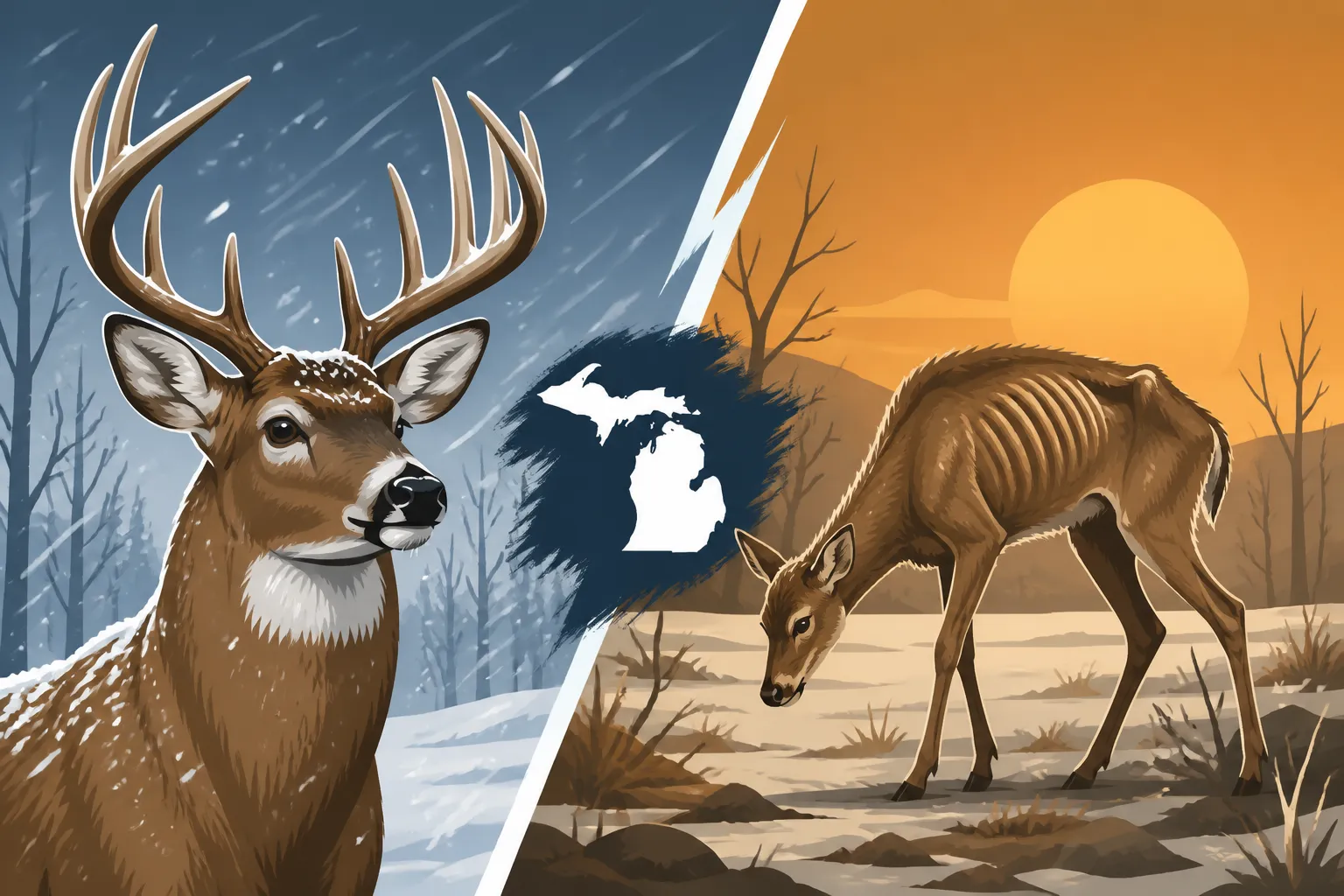
For those of us who spend our autumns in the Michigan woods, there’s nothing quite as disheartening as facing a brutal winter and wondering what it means for the deer we cherish. When the snow piles deep, and the temperatures plummet for weeks on end, it's natural to worry about how our deer herd will fare. This guide will dive deep into the real, tangible effects that severe Michigan winters have on our whitetail deer, from their physical well-being to the long-term health of the population.
Understanding the Michigan Winter Landscape for Deer
Michigan winters are legendary, especially when you head north of the "cereal bowl" farmlands. What might seem like just a lot of snow to us, for a deer, it's an existential threat. The sheer duration and intensity of a Michigan winter can turn an already challenging time of year into a desperate struggle for survival, particularly for the deer population that's already been through the rigors of the rut and the hunting season. It's a critical period that often dictates the health and numbers of our deer herd for the coming year and beyond.
The Brutal Reality of Deep Snow and Ice
When the snow starts to pile up, especially in the northern Lower Peninsula and throughout the Upper Peninsula, it creates immense challenges for deer. We're not talking about a few inches here; we're talking about consistent, deep snow that can measure two, three, or even four feet in depth for extended periods. This makes simply moving through the landscape an exhausting, calorie-burning ordeal. Imagine trying to run a marathon through waist-deep snow every single day – that's the kind of energy expenditure deer face.
Beyond the physical exertion, deep snow can also limit a deer's ability to escape predators. A coyote, with its longer legs and smaller footpads, often has an advantage when the snow gets deep, making it easier for them to track and corner a struggling deer. Ice crusts, often forming after a brief warm-up and refreeze, are perhaps even worse. These crusts can slice a deer's legs, creating open wounds that become susceptible to infection, further weakening an already stressed animal. For those of us who spend time in the woods after a harsh winter, finding tracks where deer have broken through these crusts, leaving blood trails, is a stark reminder of the struggle.
Limited Food Availability in Winter
As temperatures drop and snow blankets the forest floor, the deer's natural forage options drastically diminish. The lush greens of spring and summer, the acorns and mast of fall – all become either buried or consumed. Deer in Michigan are forced to rely on browse, which consists primarily of woody stems and evergreen vegetation. While species like cedar, hemlock, and fir can offer some sustenance, they aren't nearly as nutritious as summer forage. They're often referred to as "starvation diets" because they lack the caloric density needed to sustain a deer through prolonged periods of cold and stress.
This is where deer yards become so crucial. In areas like the western Upper Peninsula, deer will congregate in dense stands of conifers, typically cedar swamps or stands of balsam fir, where the snow depth is slightly less, and the canopy provides some thermal cover. These winter havens, essential for Upper Peninsula Deer Yarding and Winter Movement, become critical bottlenecks. Unfortunately, even in these yards, food becomes scarce as hundreds of deer repeatedly browse the same limited resources. Every accessible twig and bud within reach is consumed, leaving nothing but barren stems and increasing the competition among an already vulnerable population.
The Role of Winter Severity Index (WSI)
To help understand and quantify the impact of winter on deer, biologists use something called the Winter Severity Index (WSI). This index, often discussed by the Michigan DNR, is a tool that helps track the cumulative effect of cold temperatures and deep snow over an entire winter. It's a simple yet powerful measure: one point is added for every day with 10 inches or more of snow on the ground, and another point is added for every day the temperature drops to 0 degrees Fahrenheit or below. The higher the WSI score, the more severe the winter.
A WSI score that consistently stays in the high numbers, perhaps above 100, can spell disaster for deer populations, especially in the northern reaches of the state. It allows wildlife managers to predict potential deer losses and adjust future management plans accordingly. For hunters, understanding the Winter Severity Index and What It Means can offer crucial insight into the health of the deer herd in their favorite hunting grounds. For example, a WSI of 120 means deer endured 120 days of either deep snow or extreme cold, or a combination thereof, putting immense strain on their survival. It’s a statistic that tells a story of struggle, and it's a key factor in why we might see fewer deer, or smaller deer, in subsequent seasons.
Physiological Impacts on Michigan Deer
The relentless pressure of a severe Michigan winter doesn't just affect deer numbers; it profoundly impacts the individual animal. Their bodies are incredible machines, built to adapt to seasonal changes, but there's a limit to what they can endure. The cumulative stress of foraging in deep snow while battling freezing temperatures takes a heavy toll, often leading to a cascade of negative health effects that can weaken even the strongest animals.
Draining Energy Reserves: The Cost of Survival
Deer enter winter with fat reserves they’ve diligently built up during the abundant summer and fall months. This stored energy is their lifeline, especially during the lean months when nutritious forage is scarce. However, severe winters accelerate the depletion of these critical reserves. Every step through deep snow, every shivering moment to maintain body temperature, burns precious calories. When a deer's fat reserves are exhausted, their body starts breaking down muscle tissue for energy, leading to significant weight loss and physical weakness.
This metabolic shift makes them sluggish, less alert, and generally less capable of surviving. They become more prone to accidents, like breaking through ice or getting tangled in brush, and their immune systems are compromised. The impact is particularly devastating for bucks that have just gone through the exhausting rut, expending a tremendous amount of energy chasing does and fighting rivals. They often enter winter already in a deficit, making them highly vulnerable to starvation as their body simply runs out of fuel.
Increased Susceptibility to Disease and Predation
A deer weakened by starvation and cold is a deer susceptible to almost everything else the Michigan wilderness throws at it. Their compromised immune systems make them more vulnerable to diseases that might otherwise be minor. While diseases like Chronic Wasting Disease (CWD) are always a concern, even common parasites or bacterial infections can become deadly when an animal's body is fighting for basic survival.
Furthermore, these weakened deer become easier targets for predators. Coyotes, bobcats, and even wolves, especially in the Upper Peninsula, often key in on the weakest individuals. Deep snow, as mentioned earlier, can make escape nearly impossible for a struggling deer, turning the predator-prey dynamic sharply in favor of the hunter. We often see evidence of this through increased predator kills following severe winters, a natural but grim reality of the ecosystem. For more on the complex relationship between predators and prey, consider reading Do Wolves Drive Michigan Deer Numbers?.
Impact on Fawn Survival and Reproduction
Perhaps one of the most heartbreaking consequences of a severe winter is its profound impact on fawn survival and future reproduction. Does that endure a harsh winter are often in poor physical condition themselves. If they manage to conceive, their bodies are simply too stressed to properly nourish a developing fetus. This can lead to lower birth weights for fawns, stillbirths, or even the doe resorbing the fetus entirely to preserve her own life.
Even if fawns are born, their chances of survival are significantly reduced. A doe in poor health produces less milk, and her fawns are born with fewer fat reserves, making them weaker and more vulnerable to predators, disease, and the lingering effects of a cold spring. This ripple effect means that a single severe winter can depress fawn recruitment – the number of fawns that survive to become part of the hunting population – for not just one year, but potentially for two or three seasons, as the does slowly recover their body condition and reproductive health. Understanding these dynamics is crucial for grasping how a deer herd takes time to recover, which you can learn more about in How Long a Deer Herd Takes to Recover.
Population-Level Consequences and Herd Dynamics
The collective impact of individual deer struggling through winter manifests as significant changes in the overall deer population and its demographics. When winter is truly severe, the herd isn't just thinned out; its very structure can be altered, leading to long-term shifts in hunting opportunities and ecological balance.
Regional Differences: U.P. vs. Northern Lower vs. Southern Lower
Michigan is a big state with diverse habitats, and the impact of winter severity varies significantly by region. The Upper Peninsula, with its vast wilderness and consistently deep snow, bears the brunt of the harshest winters. Here, deer survival is a year-round battle, and a bad winter can decimate local populations. It’s not uncommon for regions in the U.P. to experience a significant drop in deer numbers after a particularly tough winter, something reflected in articles like How Many Deer the Upper Peninsula Lost. The dense cedar swamps provide critical winter cover, but even those can only do so much against sustained cold and snow.
The northern Lower Peninsula also experiences severe winters, though often not to the same extreme as the U.P. Deep snow is common, and deer yards are crucial. However, the slightly milder conditions and different forest compositions can sometimes offer a small buffer. In contrast, southern Michigan farm country, with its milder temperatures, less snow accumulation, and abundant agricultural food sources, rarely sees the catastrophic winter die-offs common up north. Deer here might experience stress, but widespread starvation is far less frequent. This regional disparity highlights why deer management strategies, including antler point restrictions (APRs), are often tailored to specific Michigan Deer Management Units.
Delayed Recovery and Long-Term Trends
A significant deer die-off due to a harsh winter isn't a problem that disappears with the spring thaw. The recovery of a deer population is a slow process, often taking several years. The loss of a significant number of does, especially mature does, means fewer fawns are born in subsequent years. Even if the following winters are mild, it takes time for the surviving does to regain optimal body condition and for the fawn recruitment rates to climb back up.
This delayed recovery can lead to noticeable long-term trends for hunters. You might observe a few years where buck sightings are down, and deer appear smaller. It can be frustrating, especially when you’re used to seeing a healthy population. The DNR closely monitors these trends, using data from harvest reports, winter surveys, and the WSI to make informed decisions about antlerless quotas and season structures. It’s a constant balancing act, trying to ensure the long-term health of the herd while still providing hunting opportunities. Tools like GoHunt can help hunters visualize these population trends and scouting data, making it easier to understand where deer numbers might be recovering or still struggling.
Changes in Deer Age Structure
Beyond just numbers, severe winters can fundamentally alter the age structure of a deer herd. Typically, fawns and older, less healthy deer are the most vulnerable to starvation and predation during winter. This means that a severe winter can disproportionately remove these age classes from the population. While the loss of fawns is clear, the loss of older deer can also have an impact, particularly on the breeding success and overall genetic health of the herd.
For hunters, this might mean a noticeable reduction in younger bucks in subsequent years, as fewer fawns survived to grow antlers. It could also lead to a temporary reduction in older, mature bucks if they entered winter in poor condition after a strenuous rut. While the focus is often on the total number of deer, understanding changes in age structure helps us appreciate the subtle but profound ways winter shapes our hunting experiences. It emphasizes why conserving habitat, especially Late-Season Food Sources for Whitetails and winter cover, is so vital for helping all age classes of deer weather the tough months.
| Winter Severity Index (WSI) Category | Typical Impact on Deer Population (Northern Michigan) | Hunter Observation |
|---|---|---|
| Mild (WSI < 50) | Minimal direct mortality; good fawn survival | Strong herd health, good buck numbers, healthy fawns |
| Moderate (WSI 50-99) | Some fawn mortality, limited adult loss | Stable deer numbers, some younger deer appear smaller |
| Severe (WSI 100-149) | Significant fawn mortality, notable adult loss | Noticeable drop in deer numbers, fewer younger bucks |
| Very Severe (WSI 150+) | High mortality across all age classes, especially fawns | Drastic decline in deer numbers, long recovery period |
Hunter Impact and Management Strategies
As hunters and conservationists, we are deeply invested in the health of Michigan's deer herd. When severe winters hit, it’s not just a biological event; it's a concern that touches our traditions, our expectations, and our role in responsible wildlife management. Understanding the winter's impact helps us adjust our approach and support the efforts to ensure a robust deer population for future generations.
Adjusting Hunting Expectations and Seasons
One of the hardest things for a Michigan hunter to do after a truly harsh winter is adjust their expectations for the upcoming season. When the DNR reports indicate significant winter kill, it’s a strong signal that deer numbers will be down, especially in the hardest-hit areas. This might mean fewer deer sightings, a lower success rate, and perhaps even smaller-bodied deer as the herd recovers. It's a tough pill to swallow, but it’s the reality.
Responsible hunters understand that the health of the herd comes first. Sometimes, this means choosing to pass on a marginal deer, or shifting hunting efforts to areas that were less affected. In extreme cases, the DNR might even adjust hunting season lengths or antlerless tag quotas to help the herd rebound faster. For example, after the brutal winter of 2013-2014, the DNR adjusted antlerless quotas in many northern areas to help Finding Deer After a Severe Winter become a little easier in the coming years and allow the herd to rebuild. These are difficult but necessary decisions that require foresight and a commitment to long-term sustainability.
The DNR's Role in Winter Management
The Michigan Department of Natural Resources (DNR) plays a pivotal role in monitoring and managing deer populations, especially in the face of severe winters. Through extensive surveys, aerial counts in deer yards, and detailed analysis of the Winter Severity Index, they gather crucial data. This information directly informs their management decisions, which can include modifying antlerless deer quotas, establishing special regulations in specific DMUs, and even recommending habitat improvement projects.
The DNR's goal is always to maintain a healthy and sustainable deer population that can withstand the natural ebbs and flows of Michigan's environment, including its challenging winters. They often collaborate with local conservation groups and hunters to educate the public on the impacts of winter and solicit feedback on management strategies. For example, they’ve often emphasized the importance of Habitat Work on Michigan State Forest lands to create diverse forage options and improve winter cover, recognizing that healthy habitat is the best defense against severe weather. They are always working to ensure the best for our wildlife.
Supporting Deer Through Habitat Improvements
While we can't control the weather, we as hunters and landowners can absolutely impact how well deer survive severe winters by focusing on habitat improvements. One of the most critical aspects is ensuring adequate winter cover, especially dense conifer stands that act as thermal refugia and shield deer from deep snow and biting winds. Managing forests to promote healthy cedar, hemlock, and fir growth, or even planting these species, can create vital Michigan deer yarding areas.
Beyond cover, enhancing winter food sources is also key. This might involve selective timber harvesting to promote browse regeneration, or planting native shrubs and trees that retain forage quality through the winter. Even on a smaller scale, working with local conservation organizations to improve public lands or carefully managing private property can make a real difference. While baiting and feeding rules in Michigan have changed due to disease concerns, the principle of providing natural, sustainable food and cover remains paramount. Every bit of effort to create a more resilient habitat contributes to a stronger, healthier deer herd that is better equipped to survive Michigan's unforgiving winters. Knowing where to focus your efforts can even be aided by modern tools. For example, using a mapping application like GoHunt can help you identify potential wintering areas and plan habitat improvements on properties you own or manage, giving deer a better chance when the snow flies.
Disclaimer
The information provided in this article is for general guidance and informational purposes only. Hunting regulations and wildlife management practices in Michigan are subject to change. Always consult the latest Michigan Department of Natural Resources (DNR) hunting digests and regulations before planning any hunting activities.