When Woodcock Migrate Through Michigan
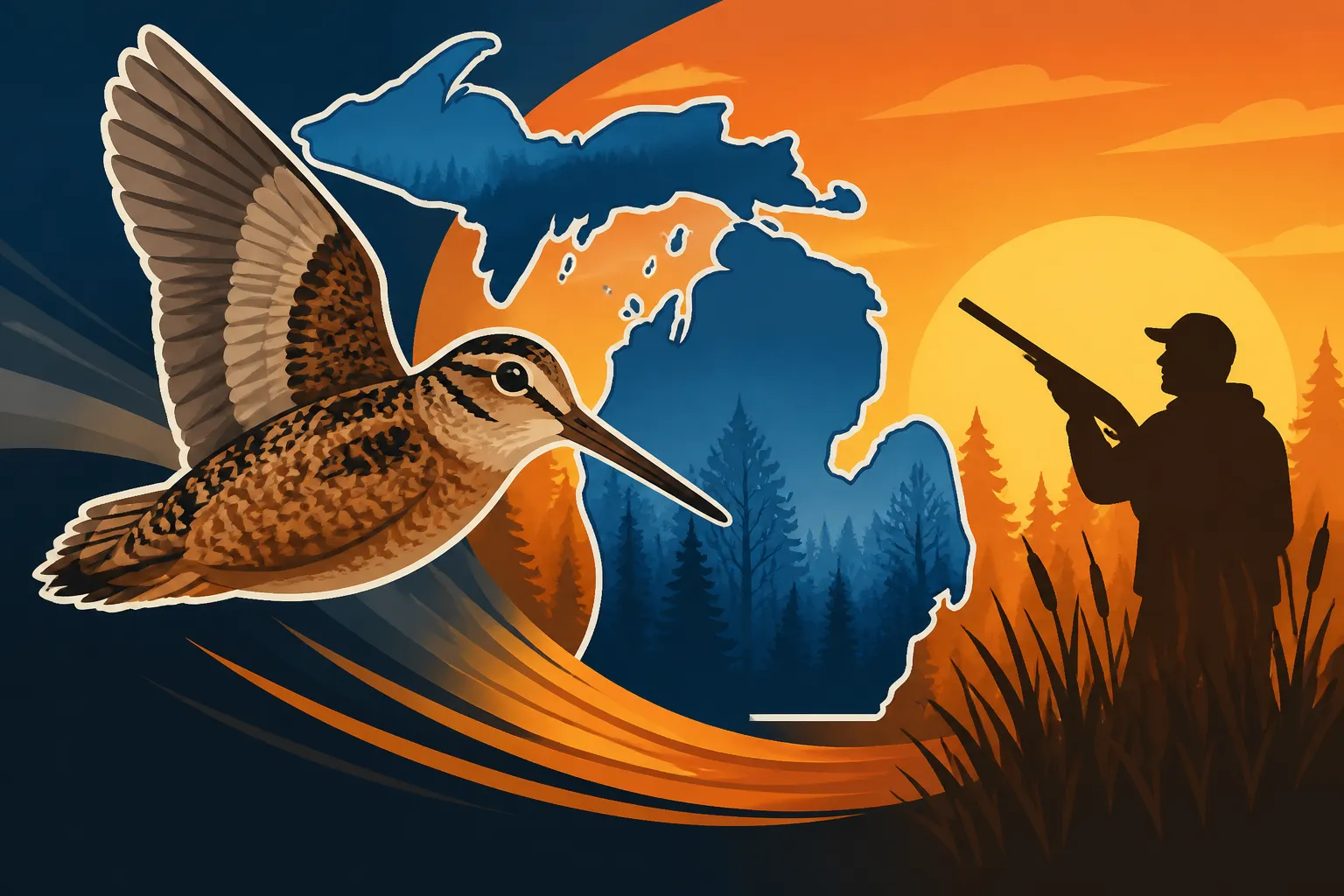
Every Michigan hunter who cherishes the unique challenge and fleeting joy of woodcock hunting knows the frustration of showing up too early or, worse, too late. These incredible little birds are a migratory species, and hitting their peak movement through our state can feel like trying to catch smoke. This guide is here to unravel the mysteries of the woodcock migration in Michigan, helping you understand the subtle cues and patterns so you can be in the right cover at just the right time.
Understanding Woodcock Migration Patterns in Michigan
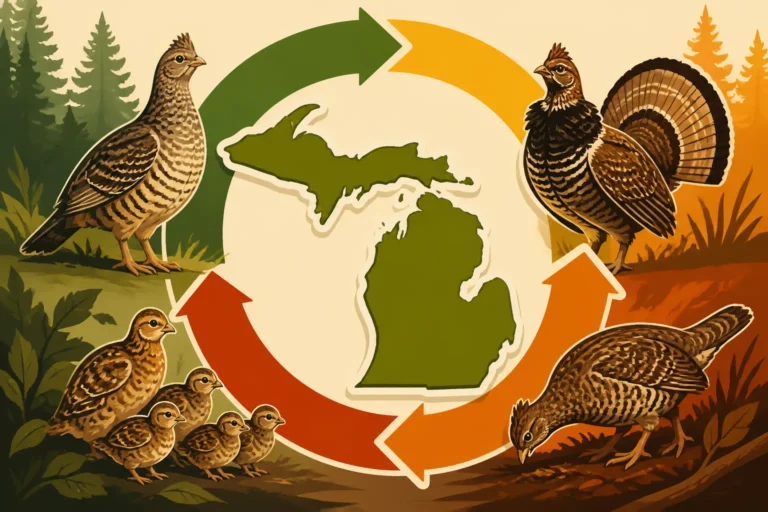
Woodcock, often lovingly called "timberdoodles," are true North American migrants. They breed in the northern states and southern Canada, including much of Michigan, and then head south to wintering grounds in the southeastern U.S. Their journey through Michigan is a dance choreographed by weather, food availability, and an innate drive to move.
The Role of Cold Fronts in Initiating Migration
It’s no secret that major weather shifts are the primary trigger for woodcock to pack their bags. While some local birds might start to trickle south in late September, the real "flight" birds from further north truly get moving when the first hard-hitting cold fronts sweep down from Canada. We're talking about those crisp, clear days following a deep dip in temperatures, often accompanied by strong northwest winds. These conditions create the perfect tailwind and incentive for woodcock to cover ground quickly. If you've been watching the weather, and you see a significant drop in overnight temperatures that holds for a couple of days, chances are those birds are getting the urge to move. This is often the time when hunters further north in Michigan might start to see their local birds thinning out, indicating they've already headed south, only to be replaced by new migrants from even further north.
For a hunter, this means keeping a keen eye on the long-range forecast, not just for your local area, but for areas like Ontario and the Upper Peninsula. What's happening north of you today could be impacting your hunting grounds a few days later. A good resource for understanding these broader weather patterns can be found in discussions around Michigan Waterfowl Migration Timing, as ducks and geese often respond to similar continental weather systems.
Food Sources and Staging Areas
While cold fronts are the kick-off, the availability of food plays a crucial role in where woodcock pause on their journey. These birds are worm-eaters, and they need soft, moist soil to probe for earthworms. When a hard freeze penetrates the ground, their primary food source becomes inaccessible, forcing them to move. Prior to those hard freezes, they'll congregate in prime habitats where worms are plentiful. This often means alder thickets, young aspen cuts, and dense, moist bottomlands near water. These areas serve as critical staging grounds where birds can fuel up before their next leg of the journey.
Think of it like a gas station along a highway. Woodcock will stop in these rich feeding areas, sometimes for a few days, sometimes for over a week, depending on the weather and the local food supply. If the weather holds mild, they might linger, offering fantastic hunting opportunities. But a sudden freeze can empty these spots overnight. Scouting these specific cover types, especially those with good overhead cover for protection from raptors, will be key to finding birds, particularly during the peak of migration. It's often the same types of cover you'd look for when Finding Woodcock in Alder Runs.
Key Factors Influencing the Michigan Woodcock Migration
Predicting the exact "when" of the woodcock migration is more art than science, but understanding the contributing factors can give you a significant edge. It’s a dynamic interplay between temperature, precipitation, and the overall health of the bird population.
Temperature Drops and Freezing Soil
As mentioned, temperature is paramount. Woodcock simply cannot feed if the ground is frozen solid. Therefore, the first significant dips into the low 20s or teens at night, especially when accompanied by daytime temperatures that don't allow the ground to thaw completely, will push birds south in a hurry. You'll hear hunters lamenting about "the ground turning to concrete." This is what they're talking about. This doesn't mean all birds leave at the first frost; a light frost might just push them into slightly wetter, unfrozen areas. But sustained freezing conditions are a definitive migration trigger.
The timing of these freezes can vary wildly from year to year and region to region within Michigan. The Upper Peninsula will experience them much earlier than, say, the southern Lower Peninsula. This staggered freeze-up means the woodcock migration is rarely a single, statewide event, but rather a rolling wave from north to south. Hunters in the U.P. might be seeing their last birds just as hunters in southern Michigan are seeing their first significant influx. Understanding these regional differences is crucial, and mapping tools can help track weather patterns across the state. Using scouting tools like GoHunt, you can often cross-reference historical weather patterns with reported bird activity, though woodcock reports can be sparse due to their specific habitat.
Precipitation and Water Levels
While not as direct a trigger as temperature, precipitation plays a subtle but important role. Adequate moisture ensures that earthworms are abundant and accessible. A prolonged drought in late summer or early fall can dry out the soil, making it harder for woodcock to feed, even if temperatures are mild. This can sometimes cause birds to move earlier or to bypass certain dry areas, concentrating them in moister pockets. Conversely, excessively wet conditions, like heavy rains that flood traditional low-lying coverts, might temporarily displace birds to higher ground, though these situations are usually short-lived.
The ideal conditions for woodcock are damp, but not flooded, soil. This is why low-lying alder bottoms and creek edges are such prime spots. They tend to retain moisture longer than upland areas, providing a consistent food source. So, when you're thinking about migration, consider not just the current temperature, but also the recent rainfall patterns. Has your usual covert been unusually dry? The birds might not be there, even if the temperature seems right.
Timing Your Woodcock Hunts: Early, Peak, and Late Season
Pinpointing the absolute best time is the holy grail for woodcock hunters. While Michigan's woodcock season typically opens in mid-September, the actual migration timeline is more nuanced, unfolding in distinct phases from late September through late October, sometimes into early November in the southernmost parts of the state.
Early Season: September to Early October
When Michigan's woodcock season first opens, you're primarily hunting local, resident birds. These are the birds that hatched and grew up in your area. They haven't been pressured much, and often hold tight for a pointing dog or flush readily. The cover is still quite thick, which can make shooting challenging, but it also provides excellent concealment for the birds. During this period, migration hasn't truly begun for the vast majority of northern birds. You'll find these local birds in their typical breeding coverts: dense, young aspen, tag alder swamps, and moist forest edges.
This early season is fantastic for working dogs and enjoying the crisp fall air, even if bird numbers aren't at their peak. It's a great opportunity to scout new areas and see where the local populations are strong. Focus on fresh probing holes and droppings to confirm bird presence. As you move into late September, you might start to see a very gradual influx of birds from slightly further north if the weather gets chilly, but the major pushes are still to come. Remember that during this time, many hunters are also out for Grouse and Woodcock Hunting in Michigan simultaneously, so you might encounter more company in popular public lands.
Peak Migration: Mid-October
This is the golden window, the period every woodcock hunter dreams of. Typically, from the second week of October through the end of the third week, sometimes extending into the fourth, Michigan sees the heaviest flights of migrating woodcock. This is when the hard cold fronts from Canada have begun in earnest, pushing birds from northern Michigan, Ontario, and even parts of Wisconsin and Minnesota south through our state. You'll often find birds literally everywhere during these peak flights, with coverts that seemed empty suddenly holding dozens.
During this time, pay close attention to overnight lows. A sequence of nights in the low 30s or upper 20s, followed by clear, sunny days, is a classic recipe for a strong flight. Birds will stop to feed intensely during the day, making them excellent targets. This is when you want to be out every chance you get. The leaves will be turning, perhaps even starting to fall, making for slightly better visibility and shooting windows. Tools like GoHunt can help you analyze weather patterns across larger regions, allowing you to anticipate these pushes. You might find a covert that held three birds one day, holds twenty the next. This rapid turnover is the hallmark of peak migration.
Late Season: Late October to Early November
As we move into late October and early November, the migration begins to wind down. The majority of birds have passed through, pushed south by increasingly colder temperatures and harder freezes. However, there can still be pockets of good hunting, especially in the southernmost counties of Michigan. These are often the last lingering migrants, or birds that are simply moving at a slower pace.
Hunting during this period requires more dedication and often focusing on the absolute last unfrozen, moist coverts. Look for areas with dense overhead cover that might offer some thermal protection, and south-facing slopes that get more sun. The ground may be firming up, so seek out springs, seepages, or creek bottoms where the soil remains soft enough for probing. While the numbers won't be as high as peak migration, these late-season birds can often be the most rewarding to find, representing a final hurrah before winter fully sets in. Just make sure you're aware of the dates for Michigan Small Game and Furbearer Seasons to ensure you're within the legal framework.
| Season Phase | Typical Dates (Approx.) | Weather Characteristics | Bird Behavior | Hunter Experience |
|---|---|---|---|---|
| Early Season | Mid-Sept – Early Oct | Mild, occasional light frosts | Local birds, some tricklers from north | Challenging due to dense cover, good for dog work |
| Peak Migration | Mid-Oct | Distinct cold fronts, crisp nights, warming days | High numbers of new migrants, often concentrated | Fast action, exciting flushes, best chance for limits |
| Late Season | Late Oct – Early Nov | Consistent freezing nights, hard ground becoming common | Few lingering migrants, concentrated in prime spots | More challenging, requires scouting for remaining birds |
Recognizing Migration Signs and Adapting Your Strategy
The woodcock is a master of camouflage, but they do leave clues if you know what to look for. Paying attention to these subtle signs and being willing to adjust your strategy are vital for consistent success, especially when the migratory birds are flying.
Fresh Probing Holes and Droppings
The most obvious signs of woodcock presence are their characteristic probing holes in the soil and their unique, splattered droppings. Woodcock use their long bills to probe for earthworms, leaving behind small, round holes, typically a few inches deep. When migration is in full swing, you might find entire patches of ground riddled with these fresh holes, indicating a recent influx of birds. The key word here is fresh. Old, dried-up holes mean the birds have moved on.
Their droppings are also distinctive: white, chalky splatters, often with a dark center. Fresh droppings will be moist and vibrant. If you're walking through a covert and suddenly start seeing an abundance of fresh probing and droppings in an area that was barren a few days prior, you've likely hit a new flight of migrants. This is your cue to slow down, cover the area thoroughly, and be ready for action. Scouting Michigan Public Land Before Season can help you identify these prime, moist areas even before birds arrive.
Changes in Bird Numbers and Behavior
One of the most telling signs of migration is a sudden, dramatic change in bird numbers. You might hunt a familiar covert for weeks, only finding a handful of birds. Then, after a cold front passes, you return to find it teeming with woodcock. This "now you see them, now you don't" phenomenon is classic migration behavior. Conversely, if an area that was holding many birds suddenly goes quiet, it’s a strong indicator that the local birds have moved south, or a flight has passed through.
Migratory woodcock also tend to behave a bit differently than resident birds. They might be less inclined to hold tight, flushing wilder, or flying further before pitching down. This is often because they are traveling and are more wary. Adapting your hunting style, perhaps pushing a bit faster or being ready for longer shots, can be beneficial. Consider how you approach the covert, always playing the wind, as scent is critical for both you and your dog. You might also notice them utilizing different cover types than purely local birds, as they are simply seeking out good feeding and resting spots along their route, rather than strictly their breeding territories.
Consulting Online Resources and Hunter Reports
In today's connected world, many hunters share their observations, and these can be invaluable. Online forums, social media groups, and dedicated hunting apps can sometimes provide real-time (or near real-time) reports of bird movements. While you should always take such reports with a grain of salt and confirm them with your own scouting, they can offer general trends, especially for birds moving through different parts of the state.
Some hunters even use flight radar data (for larger birds) or weather models to predict when pushes might occur. While woodcock are small and low-flying, major weather patterns that move other migratory species like waterfowl (which you can learn about in Great Lakes Waterfowl Hunting in Michigan) will often affect woodcock too. Keep an eye on regional weather patterns, especially to your north. If a friend reports great hunting north of you, or the weather suddenly drops there, you might be in for a treat a few days later. GoHunt, for example, often has community features or data overlays that can help you track these broader environmental conditions, which are critical for understanding the "big picture" of bird movement. Always cross-reference with your boots-on-the-ground scouting to confirm.
Disclaimer
This article is for general informational purposes only and does not constitute professional advice. Laws, prices and regulations vary by location and change over time. Consult a qualified professional for guidance on your specific situation.