Where Michigan’s Biggest Bucks Come From
For many Michigan deer hunters, the dream isn't just a deer in the freezer, it's the chance at a truly mature whitetail, a buck that makes your heart pound just seeing his rack. But finding those elusive giants in Michigan can feel like searching for a needle in a haystack, especially with such diverse landscapes and varying deer densities. This guide aims to pull back the curtain on where those Michigan monsters are most likely to roam, delving into the habitat, nutrition, and management factors that contribute to exceptional antler growth and offering practical advice on how to target them.
Understanding Michigan's Deer Landscape
Michigan is a state of incredible contrasts when it comes to deer habitat, and understanding these differences is the first step in unraveling the mystery of where the biggest bucks come from. It's not just about what part of the state you're in, but the subtle nuances of the land itself that make all the difference.
The North vs. South Divide
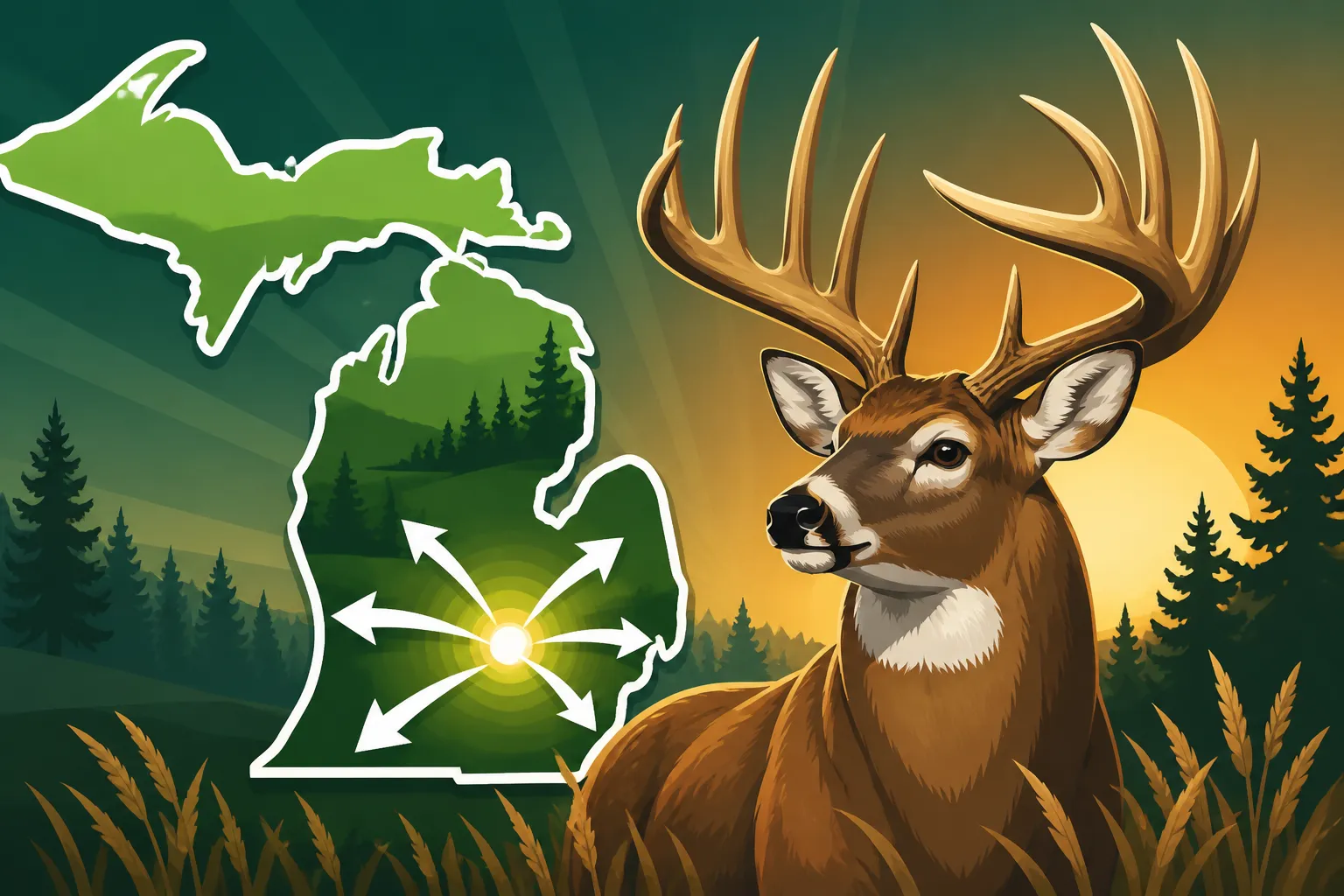
When we talk about Michigan deer, we instinctively divide the state into the Upper Peninsula (U.P.), the Northern Lower Peninsula (NLP), and the Southern Lower Peninsula (SLP). This division is more than just geographic; it dictates everything from deer density to antler potential. The U.P., while vast and wild, typically supports a lower deer population density, influenced heavily by severe winters and persistent predators like wolves. Deer here often spend more energy simply surviving, and while big-bodied deer are common, exceptionally large antlers can be rarer due to nutritional constraints and shorter growing seasons. You can learn more about the specifics in our guide on the Upper Peninsula Versus Lower Peninsula Deer.
The Northern Lower Peninsula often presents a mixed bag. It's characterized by large tracts of state forest, pine plantations, and reverting farmlands. While there's plenty of cover, the soil quality can be poorer than in the south, leading to less nutrient-rich forage. Deer numbers can be good, but the overall potential for consistent trophy antlers is often tempered by these factors, along with persistent hunting pressure in many areas. It's a land of opportunity, but often requires more work to find those specific honey holes.
The Southern Lower Peninsula, however, is where the consistent action for big antlers often takes place. This region is dominated by agriculture – corn, soybeans, alfalfa, and winter wheat – which provides an incredible year-round food source for deer. The mild winters compared to the north mean less energy expenditure for survival, allowing bucks to put more resources into antler growth. The combination of abundant, high-quality nutrition and generally more favorable weather conditions creates a prime environment for deer to reach their full potential.
Habitat Diversity and Its Impact
Beyond the north-south divide, Michigan's varied habitats play a critical role. Within any given region, you'll find a mosaic of timber types, wetlands, and open fields, each offering different benefits and challenges for deer and hunters alike. In the U.P. and northern Lower, vast tracts of cedar swamps, mixed hardwoods, and pine forests provide excellent cover, but the food sources can be scattered and less nutritious, often leading to deer that are harder to pattern and have less consistent antler growth. Deer here thrive on mast crops like acorns and beechnuts, or browse in clear-cuts and swamp edges.
Contrast that with the southern farmlands, where deer have a buffet of high-protein, energy-rich crops practically at their hooves. Here, the challenge isn't finding food, but finding pockets of cover where mature bucks can feel secure. These might be small woodlots, thick creek bottoms, overgrown fencerows, or dense marshy areas. The presence of these secure sanctuaries, coupled with the abundant food, is what allows bucks to live long enough and get enough nutrition to grow impressive racks. The specific blend of food, water, and cover within a smaller geographic area is what truly defines a "big buck" property, regardless of whether it's public or private land.
Key Factors Influencing Antler Growth
Growing truly big antlers isn't just about luck; it's a complex interplay of several crucial elements that dictate a buck's potential. Understanding these factors can help you pinpoint areas where the odds of encountering a giant are significantly higher.
Nutrition and Soil Quality
This is arguably the most critical component. Just like humans, deer need good nutrition to thrive, and antler growth is directly tied to the availability of high-quality forage. Bucks need ample protein, minerals (especially calcium and phosphorus), and energy (carbohydrates) to develop impressive headgear. These nutrients are absorbed from the plants they eat, which in turn get their nutrients from the soil. Therefore, areas with rich, fertile soils typically produce more robust forage, leading to better-fed deer and bigger antlers. This is a big reason Why Southern Michigan Grows Bigger Bucks.
In Michigan, the glaciated soils of the southern Lower Peninsula are generally more fertile than the sandier, acidic soils often found in the northern Lower Peninsula and parts of the Upper Peninsula. Agricultural areas, with their fertilized fields of corn, soybeans, and alfalfa, essentially supercharge the deer's diet, providing an almost unlimited supply of high-energy, high-protein food. Even on public lands, adjacent agricultural fields can dramatically improve the nutritional plane for local deer. When bucks have access to this kind of consistent, rich diet throughout the year, especially during the crucial antler growing months from spring through late summer, their bodies can allocate more resources to developing larger, denser racks. This nutritional advantage allows bucks to express their full genetic potential for antler size, something that’s simply harder to achieve in areas with poorer soils and sparser forage.
Age Structure and Management
A buck cannot grow a trophy rack if he doesn't live long enough. Age is paramount. While a yearling buck might show promising genetics, it's the 3.5, 4.5, and especially 5.5-year-old and older bucks that consistently sport the kind of antlers that make the record books. These older bucks have had multiple seasons to put energy into antler development, and with each passing year, their racks generally increase in mass, tine length, and spread, assuming good nutrition.
Areas with a robust age structure are often the result of specific management practices, whether formal or informal. This can include Quality Deer Management (QDM) on private lands, where hunters voluntarily pass on younger bucks, allowing them to mature. Even on public lands, certain areas might have natural refuges or lower hunting pressure that allows bucks to reach older age classes. Michigan's Michigan Antler Point Restrictions by DMU in some areas also play a role in protecting younger bucks, giving them a chance to age. It’s important to understand how these restrictions work, and What Counts as an Antler Point in Michigan, as they directly impact the age structure of the local buck population. When you combine older age classes with excellent nutrition, you have the recipe for truly spectacular antlers. Without age, even the best genetics and nutrition won't produce a Boone and Crockett contender.
Genetic Potential
While nutrition and age are often the biggest drivers, genetics also play a role. Some deer simply have the genetic blueprint to grow larger antlers than others, even under identical conditions. However, it's a common misconception that genetics are the primary limiting factor in most areas. In Michigan, the native whitetail herd generally has excellent genetic potential for antler growth. The problem is often that bucks are harvested before they can express that potential, or they simply don't have access to the optimal nutrition throughout their lives.
True genetic "super bucks" are rare, but the overall gene pool in Michigan is robust enough that if you provide age and nutrition, you will see a significant increase in antler quality. Think of it like this: a person might have the genetics to be a great athlete, but without proper training and diet (nutrition and age), they'll never reach their full potential. The same applies to deer. While you can't manage for specific genetics on a large scale in the wild, focusing on areas known for good age structure and abundant food sources will inherently put you in areas where genetic potential has the best chance to be realized. The presence of larger-racked deer year after year in a particular region suggests that the combination of genetics, age, and nutrition is working in harmony.
Top Michigan Regions for Trophy Bucks
While a big buck can technically come from anywhere in Michigan, certain regions consistently produce larger and more numerous trophy-class whitetails due to the factors we've discussed. If your goal is to punch a tag on a true Michigan giant, these are the areas you'll want to focus your efforts.
Southern Michigan Farm Country
Without a doubt, the rich agricultural belt of Southern Michigan is the undisputed king for trophy whitetails. Counties like Branch, Hillsdale, Lenawee, Jackson, Eaton, and Kent consistently show up in the top rankings for big bucks reported in Michigan. The reason is simple: an abundance of high-energy crops like corn and soybeans, combined with diverse cover in woodlots, creek bottoms, and swamp edges. This region provides an unparalleled nutritional foundation for antler growth, year after year. Deer here not only grow impressive antlers but also reach larger body weights than their northern counterparts.
Hunting in these areas often means navigating a patchwork of private land, where hunting pressure can vary wildly. Public land in southern Michigan, such as State Game Areas, can be heavily pressured, but often hold pockets of mature deer that escape into less accessible cover. Successful hunters in this region often rely on gaining private land access, or rigorously Scouting Michigan Public Land Before Season to find those overlooked sanctuaries. The sheer density of deer, coupled with the incredible food sources, means that if a buck lives long enough, he has a very high chance of becoming a trophy. This is prime territory for Hunting Southern Michigan Farm Country Deer Hunting.
Pockets of the Northern Lower Peninsula
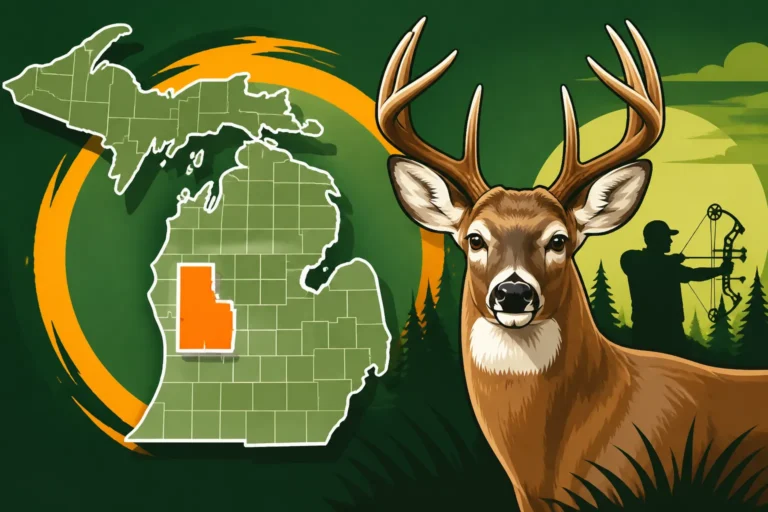
While the Northern Lower Peninsula generally doesn't rival the consistent trophy production of the south, there are absolutely specific areas that produce giants. These often correspond to zones with better soil quality, specific logging practices that create excellent browse, or areas with a mix of agriculture and extensive cover. Counties like Newaygo, Mason, Oceana, and parts of Montcalm and Mecosta, which straddle the transition zone between northern forest and southern agriculture, can be hotbeds. Here, you'll find a blend of sandy soils mixed with more fertile pockets, coupled with significant tracts of state land and some smaller agricultural parcels.
Success in these Northern Lower Peninsula hotspots often comes down to finding specific "edges" – where mature timber meets younger clear-cuts, where agricultural fields abut vast swamps, or where remote river bottoms offer sanctuary. These deer might not have the continuous buffet of the south, but selective feeding on acorns, apples, and varied browse, combined with excellent thermal and security cover, can lead to impressive growth. These areas also tend to have lower human population densities and less overall hunting pressure than southern farm country, which can allow bucks more opportunities to reach older age classes. Scouting becomes even more critical here, looking for those specific habitat features that provide both food and security.
Specific Upper Peninsula Hotspots
The Upper Peninsula is often viewed as "big woods" country, producing tough, resilient deer rather than antler giants. However, even in the U.P., there are specific areas where conditions align to produce some truly exceptional bucks. These tend to be areas with pockets of better soils, such as the farmlands of Menominee and Delta counties in the south-central U.P., or regions along Lake Michigan's fertile limestone belt. Also, areas with significant logging activity that create abundant, high-quality browse, particularly on more nutrient-rich soils, can be productive.
The key to finding big bucks in the U.P. is often about identifying these rare convergence zones – agricultural influence, good mast crops, or areas with a history of strategic timber management that provides excellent browse and security. Additionally, areas with lower hunting pressure, particularly on large, inaccessible tracts of public land, allow bucks the opportunity to age. While the numbers of Boone and Crockett entries from the U.P. are fewer, the bucks that do grow large antlers here are often the result of incredible resilience and the utilization of every available resource. Patience and deep understanding of U.P. deer movement, especially in relation to Upper Peninsula Deer Yarding and Winter Movement, are crucial for consistent success.
Strategies for Hunting Michigan's Giants
Finding where the big bucks live is only half the battle. Successfully harvesting one requires dedication, smart tactics, and an understanding of how mature deer operate. These strategies are particularly effective when targeting those older, wiser whitetails Michigan has to offer.
Intensive Scouting and Property Selection
You simply cannot kill a big buck where a big buck doesn't live. That might sound obvious, but it underpins the entire strategy of intensive scouting. Before the season even begins, you should be on the ground, or at least on digital maps, trying to understand the landscape. This means dissecting aerial imagery (GoHunt and onX Hunt are invaluable tools for this), identifying key habitat features like bedding areas, travel corridors, and primary food sources. Look for pinch points, funnels, dense cover, and water sources that are often overlooked by other hunters. GoHunt, with its detailed maps and data layers, can help you analyze terrain, identify potential bedding cover, and understand land ownership boundaries, which is crucial for maximizing your chances.
Physical scouting during the off-season is non-negotiable. Look for old rubs, large tracks, shed antlers, and historical bedding locations. Pay attention to how deer move through different wind conditions. When you've identified potential big buck areas, focus your efforts there. If you're hunting public land, identify areas that are difficult to access, as these often hold less pressured deer. On private land, understand the landowner's specific goals and how they manage their property. Remember, a big buck often needs security cover just as much as he needs food. He’s looking for a place where he feels safe enough to reach older age classes. You can get more insights on this by learning about Reading Aerial Photos for Swamp Deer and Finding Sign in Big Timber.
Low-Pressure Tactics and Timing
Mature bucks, especially those that have survived a few hunting seasons, are masters of avoiding pressure. This means your hunting tactics need to be subtle, strategic, and often involve minimizing your impact on their core areas. Avoid over-hunting any single stand or area. Instead, have multiple stand locations for different wind directions and access routes. Consider using ground blinds where possible to minimize scent and visibility.
Timing is also critical. The Michigan rut in November is often highlighted as the prime time for trophy buck hunting because mature bucks are actively seeking does and are more vulnerable. Understanding Hunting the Michigan Rut in November can give you a significant edge. However, big bucks can be killed throughout the season, especially during the early season when they are still on predictable summer patterns, or late season when they are solely focused on food. During the rut, focus on pinch points between bedding and feeding areas, or active scrape lines. During other times, understand their feeding and bedding routines and try to intercept them with minimal disturbance. A consistent, low-impact approach will pay dividends.
Leveraging Technology and Data
In today's hunting world, technology can be a huge asset in the pursuit of trophy bucks. Mapping apps like GoHunt are indispensable for identifying prime habitat, understanding property boundaries, and marking scouting finds. These tools allow you to study satellite imagery, topo maps, and land ownership data from the comfort of your home, saving valuable boots-on-the-ground time. Use the data from the GoHunt platform to cross-reference past harvest data, habitat reports, and even historical weather patterns to predict deer movement.
Trail cameras, used judiciously, can help confirm the presence of mature bucks, understand their travel patterns, and determine their daylight activity. Be mindful of scent control when checking cameras. Weather apps that provide wind direction, barometric pressure, and moon phase information can help you decide when and where to hunt. Finally, consider using a good GPS unit or a phone app like onX Hunt for navigation, especially when venturing deep into public lands, to ensure you know exactly where you are and how to get back out. These technologies don't replace woodsmanship, but they certainly amplify it.
Challenges and Considerations
Hunting for Michigan's biggest bucks isn't without its hurdles. Understanding these challenges and planning for them can significantly increase your chances of success and ensure a more realistic approach to your hunting season.
Hunting Pressure and Public Land
Michigan boasts millions of acres of public land, a fantastic resource for hunters. However, this accessibility often comes with a significant downside: hunting pressure. Many of the most accessible public land parcels, especially in the Southern Lower Peninsula, can see heavy hunter traffic, particularly during the firearm season. Mature bucks, being masters of survival, quickly learn to avoid these high-pressure areas, often becoming almost entirely nocturnal or retreating to dense, overlooked sanctuaries. The sheer number of hunters can displace deer, making them unpredictable and difficult to pattern. You can get a sense of this in our guide on Opening Day Crowds on Michigan State Land.
To overcome this on public land, hunters need to be willing to work harder and walk further. Seek out those remote corners, the deep swamps, the steep ravines, or the thick clear-cuts that other hunters are less willing to penetrate. Use mapping tools like GoHunt or onX Hunt to identify areas with difficult access points, such as across large wetlands, through dense brush, or far from main roads. Hunting during weekdays, or during less popular seasons like the late archery or muzzleloader seasons, can also reduce pressure. Sometimes, the "biggest buck" on public land is simply the one that was smart enough to avoid people.
Disease and Environmental Factors
Michigan's deer herd, like any wild population, faces environmental challenges and diseases that can impact antler quality and overall herd health. Chronic Wasting Disease (CWD) is a significant concern in certain parts of the state, particularly in the core CWD counties of the Lower Peninsula. This neurological disease is always fatal to deer and can lead to population declines and impact the age structure of local herds. The presence of CWD often triggers specific regulations, such as mandatory testing, carcass transport restrictions, and baiting bans, all of which hunters need to be aware of. Understanding Chronic Wasting Disease in Michigan is vital for ethical hunting.
Beyond CWD, other factors like Bovine Tuberculosis (TB) in specific areas of the northeast Lower Peninsula, or periodic EHD (Epizootic Hemorrhagic Disease) outbreaks during drought years, can also affect deer health and numbers. Severe winters, especially in the Upper Peninsula, can also take a heavy toll on deer populations, leading to reduced antler growth in the surviving bucks for subsequent years. While hunters can't control these environmental and disease factors, being informed about them is crucial. This information can influence where you choose to hunt, how you manage any deer you harvest (e.g., CWD testing), and your overall expectations for the season. The Michigan DNR provides updated information on disease hotspots, which is always worth reviewing before heading afield.
Disclaimer
Always consult the current Michigan Department of Natural Resources (DNR) hunting regulations and local ordinances before heading afield. Hunting laws and regulations can change, and it is your responsibility to ensure you are in compliance.