Best-Eating Game in Michigan
One of the most common frustrations for new hunters, and even some seasoned folks, is hearing whispers about game meat being "gamey" or tough. It's a real shame, because when handled and cooked right, wild game from Michigan's woods and waters can be some of the most delicious, healthy, and satisfying food you'll ever put on your plate. Forget everything you think you know about wild meat being second-rate; this guide is all about helping you discover the truly best-eating game Michigan has to offer, and how to make sure every harvest is a culinary triumph.
The Flavor Spectrum: Why "Best-Eating" is a Personal Journey
When we talk about what tastes "best," it's easy to get into heated debates around the campfire. What one person considers a delicacy, another might find too bold or too subtle. The truth is, "best-eating" is incredibly subjective, and it's heavily influenced by personal taste, cultural background, and even how you grew up eating. But there are some general characteristics that make certain Michigan game stand out consistently for their flavor and texture.
More Than Just "Gamey": Understanding Wild Flavors
Let's clear the air about the term "gamey." For many, it conjures images of strong, unpleasant odors or tough, livery textures. But "gamey" in the truest sense simply refers to the distinct, rich, and often earthy flavors found in wild animals, a direct result of their natural diets, active lifestyles, and lack of artificial growth hormones or antibiotics. It's a flavor profile that can be incredibly complex and rewarding, far removed from the bland uniformity of much store-bought meat.
Think about it: a whitetail deer browsing on acorns and wild berries in a northern hardwood forest is going to have a different flavor than one living strictly on agricultural crops in southern Michigan. Their muscles are well-developed from constant movement, which contributes to a leaner, firmer texture. The fat content is also much lower and often has a stronger flavor, which is why many chefs recommend trimming most of it away before cooking. Understanding these nuances is the first step to appreciating the incredible diversity of wild game flavors. It's not about hiding the wildness, but celebrating it.
Individual Preferences and Culinary Traditions
Just as some people prefer a rare steak and others a well-done one, our preferences for game meat vary wildly. Some hunters swear by the delicate flavor of a young grouse, while others crave the rich, deep notes of a late-season canvasback duck. These preferences are often deeply rooted in culinary traditions. In some Michigan families, venison chili is a fall tradition, while in others, rabbit stew or fried squirrel is the ultimate comfort food passed down through generations.
Regional influences play a role too. Up in the Upper Peninsula, where hearty, sustaining meals are often a necessity after a long day in the cold, recipes for bear roasts or pasties featuring game might be more prevalent. Down in the Lower Peninsula's farm country, where deer have access to different food sources, different preparations might be favored. There's no single right answer, and the journey of discovering your own favorite Michigan game meat is part of the fun of hunting. Embrace the exploration, try different recipes, and don't be afraid to experiment to find what truly sings on your palate.
The Importance of Freshness and Proper Handling
Before we even get to specific species, it's absolutely crucial to understand that even the most inherently delicious game animal can be ruined by poor handling. Imagine buying the finest cut of prime beef, then leaving it in the sun for hours before throwing it in a dirty cooler. The outcome wouldn't be good. Wild game is no different, and in many ways, it's even more sensitive. The clock starts ticking the moment an animal is harvested.
Proper field care, immediate cooling, and hygienic processing are the cornerstones of delicious wild game. This includes rapid field dressing to remove internal organs and allow the carcass to cool, keeping the meat clean, and getting it out of the elements as quickly as possible. The concept of "you only get out what you put in" applies tenfold to wild game meat. A perfectly shot deer that isn't properly handled will taste far worse than a less-than-perfectly shot one that receives immediate and meticulous attention. This initial care sets the stage for everything that follows, ensuring that the natural flavors are preserved and enhanced rather than tainted.
Michigan's Prime Table Fare: Top Contenders for Deliciousness
Michigan is blessed with an abundance of game species, each offering a unique culinary experience. While personal taste will always be king, some species consistently rank high on the "best-eating" list for many hunters.
Venison: A Michigan Staple with Versatility
Without a doubt, white-tailed deer is the most widely hunted and consumed game in Michigan. For many, venison is wild game. It's incredibly lean, rich in protein, and when prepared correctly, incredibly flavorful. The taste can vary depending on the deer's age, sex, and diet. Younger deer, particularly antlerless deer or yearlings, often have a milder flavor and more tender meat. Older bucks, especially during the rut, can have a stronger, more intense flavor due to hormonal changes, but this can still be managed with proper care. You can learn more about these animals in White-Tailed Deer Across Michigan.
The versatility of venison is one of its greatest strengths. The backstraps and tenderloins are prized for their tenderness and are often quickly seared or grilled to perfection. Roasts from the hindquarters can be slow-cooked to fork-tender deliciousness, while ground venison, often mixed with a bit of pork fat for moisture, makes fantastic burgers, chili, and sausages. Because it's so lean, venison benefits from moisture and fat during cooking, so don't be afraid to wrap cuts in bacon, marinate them, or braise them in liquid. The key is to avoid overcooking, which can quickly dry it out. Properly aging your venison, as discussed in Aging Venison in Cold Weather, can also dramatically improve its tenderness and flavor.
Wild Turkey: A Lean and Flavorful Feast
Michigan's wild turkey population has made a remarkable comeback, offering fantastic hunting opportunities and some truly delicious table fare. Forget the bland, sometimes dry, domestic turkeys you find in the grocery store; wild turkey is a completely different animal. The meat is darker, leaner, and boasts a much richer, more complex flavor profile. The breast meat is especially sought after, often described as a richer, more flavorful version of chicken or pheasant. For more on these birds, check out Wild Turkeys in Michigan.
The challenge with wild turkey is its extreme leanness, particularly the breast meat. This means it can dry out quickly if not cooked with care. Many hunters opt to brine the breast meat before cooking to help retain moisture and add flavor. Fast cooking methods like grilling, searing, or pan-frying work well, as do slower methods like braising or smoking, provided you monitor the internal temperature closely. The leg and thigh meat, while tougher, is packed with flavor and excellent for slow-cooking methods like confit, stewing, or making delicious pulled turkey. We have some great ideas in Cooking a Wild Turkey Breast.
Upland Birds: Grouse and Woodcock's Delicate Taste
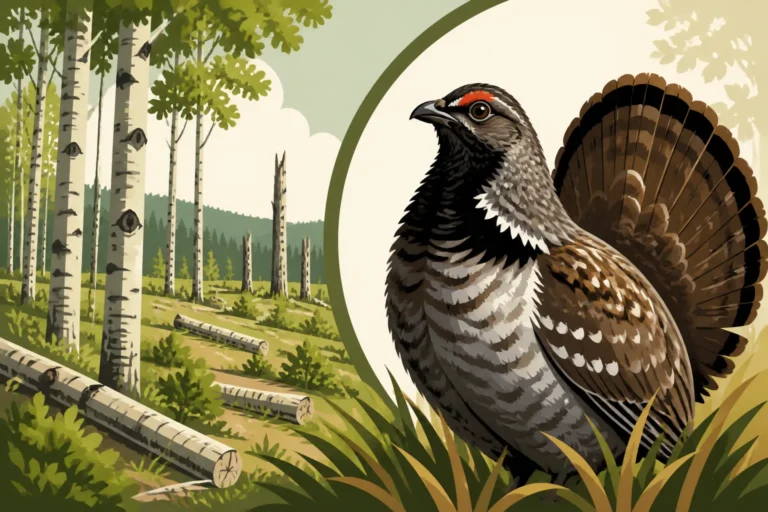
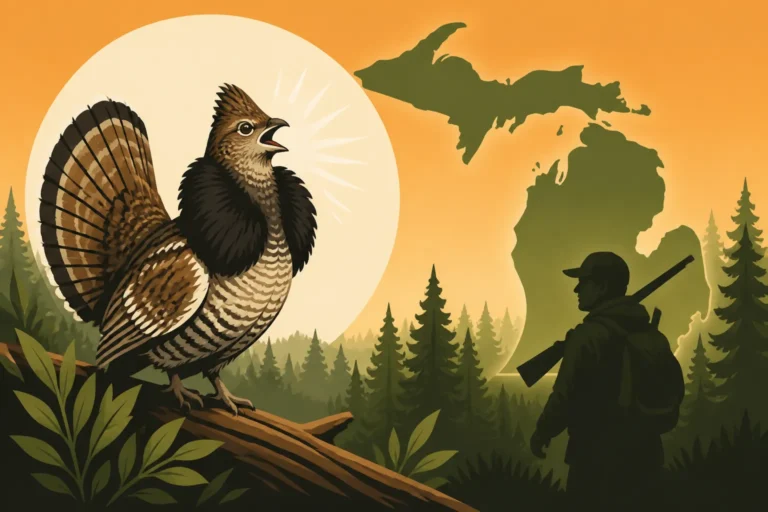
For those who appreciate delicate flavors and fine textures, Michigan's upland birds are a true treat. Ruffed grouse and American woodcock are often found in similar habitats, especially in the northern parts of the state, and both offer exquisite dining experiences. Our article Ruffed Grouse and Woodcock in Michigan delves deeper into these birds.
The meat of a ruffed grouse is pale, tender, and possesses a mild, almost nutty flavor. It's often compared to pheasant or even a very lean chicken, but with a distinctly wild essence. Because of its delicate nature, grouse meat shines with simple preparations: a quick pan-fry with butter and herbs, roasting whole, or creating a flavorful sauté. Overcooking is the enemy here; you want to preserve that tenderness and subtle flavor. Woodcock, on the other hand, is a small bird with surprisingly dark, rich meat. It has a slightly more pronounced "gamey" flavor than grouse, but it's still very mild and incredibly tender. Often roasted whole or pan-seared quickly, woodcock are considered a gourmet item by many, prized for their unique and delicate taste. Both birds offer a true taste of the Michigan forest.
Waterfowl: A Richer, More Distinctive Experience
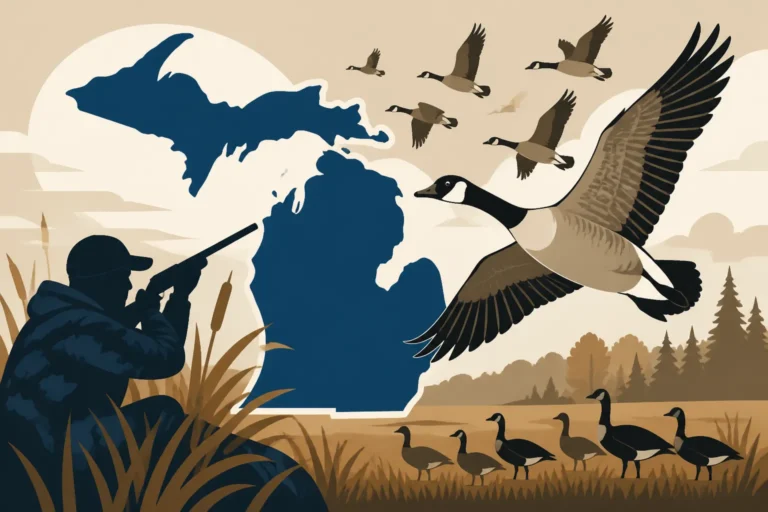
Michigan's position on the Great Lakes flyway makes it a waterfowl hunter's paradise, and the diverse array of ducks and geese offers an equally diverse culinary adventure. Unlike the relatively mild flavors of upland birds or deer, waterfowl meat, particularly ducks, tends to be darker, richer, and more distinctive. For more on waterfowl hunting in Michigan, explore Michigan Waterfowl on the Great Lakes.
Mallards and other dabbling ducks generally have milder, less "fishy" flavors than diving ducks, especially if they've been feeding in cornfields or freshwater marshes. Their breasts are excellent seared to medium-rare, allowing the skin to crisp and the rich fat layer to render. Geese, being larger, offer more meat and a similar rich, dark flavor, often benefiting from slow-roasting or smoking to tenderize. Diving ducks like bluebills, canvasbacks, and redheads, which feed heavily on aquatic invertebrates and fish, can have a stronger, more pronounced flavor. Many hunters advocate for removing the skin and fat, then brining the meat to mellow the taste. Others embrace the strong flavor, pairing it with equally bold sauces or smoking it low and slow. Regardless of the species, proper care (cooling rapidly, plucking or skinning quickly) is paramount to ensure the best possible flavor.
The Hidden Gems: Unexpected Delights from Michigan's Woods and Fields
While deer, turkey, and ducks get most of the culinary spotlight, Michigan is home to several other game species that, when given a chance, prove to be incredibly delicious. These often overlooked options can provide some of the most rewarding meals.
Small Game: Rabbits, Squirrels, and Their Sweet Meats
Don't let their size fool you; Michigan's small game animals offer some fantastic eating. Cottontail rabbits and snowshoe hares, in particular, are renowned for their sweet, mild, and tender white meat. Many older hunters will tell you that fried rabbit or rabbit stew was a staple of their childhood, and for good reason. It's often compared to chicken but with a more refined, wild flavor. You can find out more about these creatures in Michigan Small Game and Hares.
Squirrels, both fox and gray, are another underappreciated culinary delight. Their meat is dark, lean, and intensely flavorful, often best suited for slow-cooking methods that tenderize the muscle and allow the flavor to deepen. Squirrel pot pie, Brunswick stew, or simply braised squirrel with root vegetables are classic preparations that highlight their rich taste. While they require a bit more effort to process due to their size, the reward is a truly unique and delicious meal that connects you directly to the Michigan forest.
Furbearers: The Surprising Goodness of Bear and Raccoon
This might raise an eyebrow for some, but several furbearers are excellent table fare, with black bear and raccoon being two notable examples in Michigan. Bear meat is highly prized by those who hunt it, often described as a dark, rich meat with a flavor somewhere between beef and pork. The taste can vary significantly based on the bear's diet (berries vs. fish vs. bait), with those feeding on sweet mast or fruit generally having the best flavor. However, it's absolutely critical to handle and cook bear meat properly to an internal temperature of at least 160°F (71°C) to kill any potential parasites, specifically trichinosis. Safety is paramount here; see Handling Bear Meat Safely for more detailed information.
Raccoon, while not as commonly hunted for meat today, was once a staple for many rural families. Its meat is dark, rich, and can be fatty, with a flavor often likened to a darker, gamier pork. It's best suited for long, slow cooking methods like stewing, braising, or smoking, which render out the fat and tenderize the meat. Often, the meat is parboiled first to remove some of the stronger flavors before final preparation. While it might not be for everyone, those who appreciate rich, robust flavors will find raccoon a surprisingly delicious option. More about these animals is covered in Michigan Furbearers and Trapping.
Other Game Birds: Pheasants and Doves
Beyond grouse, woodcock, and turkeys, Michigan also offers other game bird opportunities that provide excellent eating. Pheasants, while often raised and released for hunting, still offer a fine-eating experience. Their white meat is mild, slightly firmer than chicken, and takes well to roasting, grilling, or frying. The flavor can be influenced by their diet; wilder pheasants might have a slightly richer taste. They make for an elegant meal, often served whole or as breast fillets.
Mourning doves, while small, are considered by many to be one of the best-tasting game birds anywhere. Their dark, rich breast meat is incredibly tender and flavorful, often compared to miniature steaks. Because they are so small, quick cooking methods are ideal. Doves are fantastic grilled whole or pan-seared, often wrapped in bacon to add moisture and flavor, preventing them from drying out. The season for doves is brief in Michigan, but the reward for hunters is a truly exquisite culinary experience.
From Field to Fork: Maximizing Flavor Through Proper Handling
No matter what game species you pursue, the journey from field to fork is a continuous process where every step impacts the final flavor and tenderness of your meal. Skimping on care at any stage can degrade even the finest wild meat.
The Critical First Steps: Field Dressing and Cooling
The absolute most important steps happen immediately after the animal is harvested. Rapid field dressing is crucial for large game like deer. Removing the internal organs dissipates body heat, which is the primary enemy of meat quality. Bacteria thrive in warm, moist environments, and internal heat can quickly "sour" meat, giving it that unpleasant, truly "gamey" taste that most people dislike. Getting those guts out, and getting them out cleanly, is paramount. For detailed guidance, our article Field Dressing a Deer in Cold Weather is an excellent resource.
Once field-dressed, the goal is to cool the carcass as quickly and thoroughly as possible. In Michigan's fall and winter hunting seasons, cooler temperatures often assist with this, but even then, hanging the animal in a shaded, airy spot or placing ice bags in the cavity can be necessary. For smaller game like birds and rabbits, getting them into a cooler with ice as soon as possible is the best practice. Cleanliness cannot be overstated; keep hair, dirt, and gut contents away from the meat at all costs. This initial care pays dividends in taste and safety.
Aging and Butchering: Enhancing Tenderness and Flavor
After initial cooling, the next phase for large game like deer often involves aging. Aging is a controlled process where natural enzymes in the meat begin to break down muscle fibers, leading to increased tenderness and enhanced flavor. For venison, this typically means hanging the carcass in a cool, well-ventilated environment (ideally between 35-40°F / 1.5-4.5°C) for several days to two weeks, depending on the temperature and humidity. Our guide on Aging Venison in Cold Weather offers more specific advice. Aging is less common or necessary for small game or birds, which are usually processed quickly.
Once aged (or immediately, for smaller animals), proper butchering transforms the carcass into usable cuts of meat. A skilled butcher, whether professional or at home, will remove all hair, dirt, and most importantly, any fat that could impart an off-flavor. They'll separate muscle groups into logical cuts (steaks, roasts, stew meat, grind) and trim away connective tissue. Learning to butcher your own game, as described in Butchering a Deer at Camp, is a rewarding skill that gives you complete control over the final product and minimizes waste.
Storage and Preparation: Preserving and Cooking Your Harvest
The final stage is all about preserving your hard-earned harvest and preparing it for the table. Vacuum sealing is the gold standard for long-term storage, removing oxygen that causes freezer burn and preserves flavor for months. Properly wrapped meat in heavy-duty freezer paper or bags is also effective. Labeling everything with the species, cut, and date is a must to keep your freezer organized.
When it comes to cooking, understanding the characteristics of each meat is key. As mentioned, lean meats like venison and wild turkey benefit from moisture and fat. Marinades can add flavor and help tenderize. Slow-cooking methods (braising, stewing, smoking) are excellent for tougher cuts or older animals, while tender cuts like backstraps or bird breasts shine with quick, high-heat cooking. Don't be afraid to experiment with herbs, spices, and sauces that complement the wild flavors rather than overpowering them. For specific tips on preparing your turkey, check out Cooking a Wild Turkey Breast. Ultimately, the "best-eating" game is the game that you've cared for properly and cooked to your liking, honoring the animal and the incredible experience of harvesting your own food.
| Game Species | Typical Flavor Profile | Best Cooking Methods | Key Considerations |
|---|---|---|---|
| White-tailed Deer | Lean, earthy, rich (varies by age/diet) | Grilling, searing, roasting, stewing, braising, grinding | Trim fat, avoid overcooking, consider aging |
| Wild Turkey | Lean, rich, distinctly "wild chicken" | Brining, grilling, searing, slow-cooking (legs), smoking | Very lean, can dry out quickly, legs are tougher |
| Ruffed Grouse | Mild, delicate, slightly nutty, fine-textured | Pan-frying, roasting, sautéing | Delicate, easy to overcook, simple preparations are best |
| Woodcock | Dark, rich, subtle "gamey," very tender | Pan-searing, roasting whole, quick grilling | Small, intensely flavored, cook quickly |
| Dabbling Ducks | Rich, dark, mild to medium "gamey" | Seared breast (medium-rare), roasting, smoking, stewing | Remove skin/fat if strong flavor is undesired, don't overcook |
| Diving Ducks | Dark, very rich, more pronounced "gamey" | Brining, smoking, stewing, confit (often skinless/fat removed) | Stronger flavor, benefits from brining or bold spices |
| Canada Goose | Dark, rich, hearty, similar to beef/duck | Roasting, smoking, stewing, grinding, jerky | Can be tough; slow cooking or grinding works well |
| Rabbit/Hare | Sweet, mild, white meat, tender | Frying, stewing, braising, roasting | Versatile, great for comfort food classics |
| Squirrel | Dark, rich, flavorful, slightly fibrous | Stewing, braising, pot pie, slow-cooking | Best for long, slow cooking to tenderize |
| Black Bear | Dark, rich, beef-like/pork-like (varies by diet) | Roasting, stewing, slow-cooking, grinding (to 160°F+) | Must be cooked thoroughly (160°F) for safety (trichinosis) |
| Raccoon | Dark, rich, fatty, strong flavor | Stewing, braising, smoking (often parboiled first) | Rich, flavorful, best with slow, moist heat |
Disclaimer
This article is for general informational purposes only and does not constitute professional advice. Laws, prices and regulations vary by location and change over time. Consult a qualified professional for guidance on your specific situation.