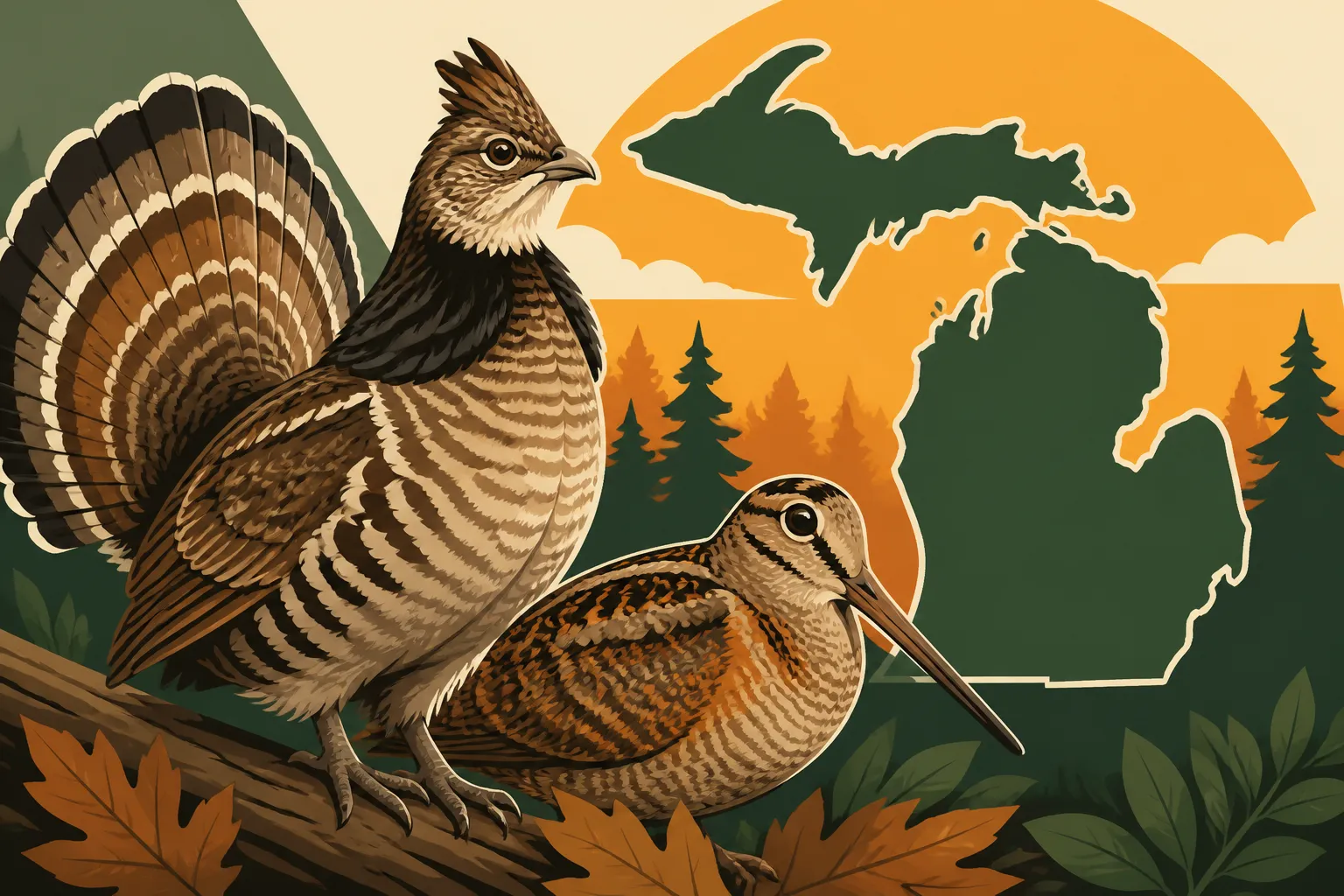
Ruffed Grouse and Woodcock in Michigan
For many Michigan hunters, the pursuit of ruffed grouse and American woodcock is more than just a hunt; it's an annual pilgrimage into the state's vibrant autumn woods. These elusive upland birds present unique challenges, demanding stealth, keen observation, and a deep understanding of their habitats. This guide aims to demystify the art of chasing Michigan's most beloved forest fowl, offering insights into their behavior, prime locations, effective hunting strategies, and essential gear to help you fill your vest and make unforgettable memories.
Understanding Michigan's Ruffed Grouse and Woodcock
Ruffed grouse and woodcock, often referred to as "pats" and "timberdoodles" respectively, are iconic figures in Michigan's hunting landscape. While they often share similar coverts, their life cycles, behaviors, and migration patterns offer distinct hunting experiences. Understanding these nuances is key to consistent success in the field.
Ruffed Grouse Population Dynamics and Cycles
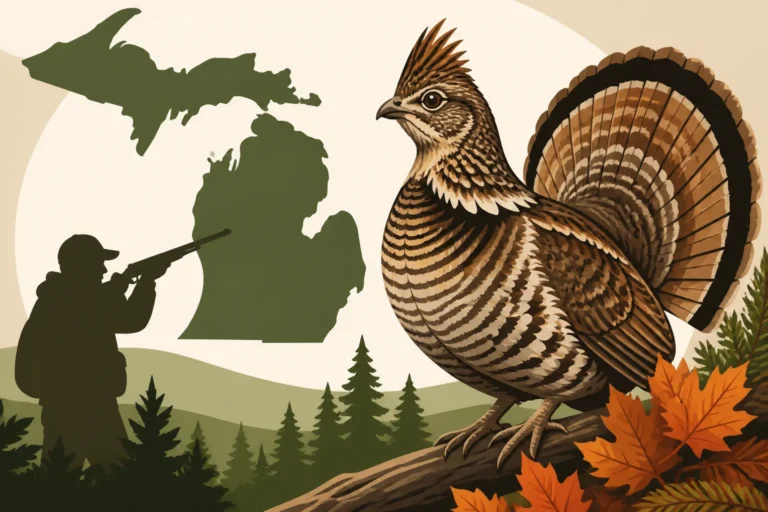
Ruffed grouse populations in Michigan are largely influenced by a fascinating phenomenon known as the "grouse cycle," a roughly 7 to 10-year boom-and-bust pattern. This cycle is driven by a complex interplay of factors, including weather, predator populations, habitat quality, and disease. When numbers are high, the woods feel alive with drumming and flushes; during a downturn, even the best coverts can seem eerily quiet. For instance, the Upper Peninsula and northern Lower Peninsula generally exhibit more pronounced cycles compared to some southern areas where habitat might be more fragmented. Checking the Michigan DNR's annual Ruffed Grouse Survey results can give you a general idea of where the population stands.
Beyond the cyclical nature, factors like harsh winters with insufficient snowpack (which grouse use for thermal cover) or wet, cold springs during nesting can significantly impact annual hatches. A good summer for insect production, on the other hand, can lead to healthier broods and a stronger autumn flight. As hunters, we feel the effects of these cycles profoundly; a fantastic season one year might be followed by a much tougher one just a few years later. This variability adds to the challenge and reward, making every flush a cherished event.
Woodcock Migration and Local Movements
American woodcock are migratory birds, passing through Michigan twice a year – once in spring to nest and again in fall on their journey to wintering grounds in the southern U.S. Their presence in Michigan is a beautiful, fleeting opportunity for hunters. Unlike grouse, woodcock don't really have a 'cycle' in the same sense; their numbers are more influenced by nesting success across their vast breeding range and weather patterns during migration. In Michigan, we're fortunate to be a major stopover and breeding ground.
The "woodcock flight" in Michigan typically begins in earnest in late September and can last well into October, depending on weather fronts. A cold snap or significant rain event to our north can trigger a large influx of birds overnight. These birds are looking for soft, moist soil to probe for earthworms, their primary food source. Early in the season, you might find Michigan-hatched birds, often referred to as "local birds," still scattered across appropriate cover. As the season progresses, northern migrants from Canada and the Upper Peninsula start pouring into the Lower Peninsula. Knowing when the big pushes of birds are likely to occur can help you plan your hunts for maximum success. Tracking weather patterns to the north is often as important as scouting local cover.
Prime Habitats and Coverts: Where to Find Them
Successfully hunting ruffed grouse and woodcock in Michigan hinges almost entirely on understanding their preferred habitats. These birds are incredibly specific about the types of cover they inhabit, and knowing what to look for can drastically improve your chances of encountering them. It's not just about finding woods; it's about finding the right kind of woods.
Ruffed Grouse Habitat Preferences
Ruffed grouse are creatures of young, regenerating forests. They thrive in what's often described as "early successional habitat." This means areas that have been recently logged, burned, or otherwise disturbed, allowing for a dense growth of young trees, shrubs, and brush. Aspen stands are particularly crucial for grouse, often called the "king of grouse cover." They provide dense overhead cover from raptors, abundant buds for winter food, and openings at ground level for easy movement. Look for aspen stands in various age classes:
- Young Aspen (5-15 years old): This is ideal brooding cover, offering thick protection for young birds and abundant insects. The understory here is almost impenetrable to humans but perfect for grouse.
- Middle-aged Aspen (15-25 years old): These stands still offer good cover and provide excellent food sources as the trees mature and develop more buds. This is often where you'll find drumming logs and more mature birds.
- Mature Aspen (25+ years old): While less ideal for grouse directly, adjacent mature stands can provide diverse habitat, and more importantly, they are often candidates for future logging, which will restart the cycle.
Beyond aspen, grouse also use mixed hardwood stands with a dense shrub layer, coniferous thickets (especially cedar swamps) for winter thermal cover, and edges where different forest types meet. Focus on areas with a good mix of species, plenty of ground cover, and proximity to water. Finding a good aspen stand is often just the beginning; look for areas within those stands that offer even thicker, brushier components. A great tool for identifying these areas is the Mi-HUNT map from the Michigan DNR, which often shows timber harvest history and cover types, helping you pinpoint potential hot spots.
Woodcock Coverts and Soil Requirements
Woodcock, unlike grouse, are less about tree species and more about soil and moisture. They require soft, moist soil where they can easily probe for earthworms with their long bills. This often translates to lowland areas, alder swamps, young willow thickets, and the edges of beaver ponds or slow-moving streams. They also favor young, dense deciduous saplings like tag alder, willow, or dogwood, which provide overhead cover from predators. The key is that ground moisture; if the ground is hard and dry, woodcock simply won't be there.
When scouting for woodcock, look for areas with a thick understory, often along river bottoms or in low-lying pockets. The soil should be damp, almost spongy, and you might even see their characteristic probing holes in the mud. Overgrown apple orchards, old farm fields reverting to forest, and even brushy fence rows near wetlands can hold birds. A dense canopy that keeps the ground moist and provides security is essential. These birds are small and can hide incredibly well, melting into the shadows of dense brush, so even if a covert looks thin, it might still hold birds if the ground conditions are right. For example, some of the best woodcock cover I've found are those tangled messes along the edges of a forgotten creek bed in a northern Michigan state forest. You can find more detail on their specific preferences and migration timing in articles like Woodcock Hunting Michigan Alder Runs and Timing the Michigan Woodcock Flight.
Season Dates and Regulations: What You Need to Know
Before you even step foot in the woods, understanding Michigan's hunting regulations for ruffed grouse and woodcock is paramount. Seasons, bag limits, and specific licensing requirements can change, so always consult the current Michigan DNR Hunting and Trapping Digest. Being informed ensures a legal and enjoyable hunt.
Michigan Ruffed Grouse Season and Bag Limits
Michigan's ruffed grouse season is relatively long, offering ample opportunity to chase these challenging birds. Historically, it opens in mid-September in the Upper Peninsula and northern Lower Peninsula and usually extends through November, sometimes even into December. This gives hunters a chance to experience early season hunts with dense foliage, mid-season hunts as leaves drop, and late-season hunts after snowfall.
The daily bag limit for ruffed grouse is typically generous, allowing hunters to take several birds if they find a productive covert. The possession limit is usually double the daily bag limit. It's crucial to check the exact dates and bag limits each year, as they can be adjusted based on population trends and management goals. For instance, in years where the grouse cycle is on an upswing, the season might be optimized to allow for greater harvest. Conversely, during a downturn, conservation might be prioritized. You can often find the most up-to-date information on the DNR website or by picking up a physical copy of the digest. For specific dates, check out Michigan Grouse Season Dates.
American Woodcock Season and Federal Requirements
Woodcock hunting in Michigan is regulated under both state and federal laws because they are migratory birds. This means hunters need a few extra stamps and certifications beyond their standard Michigan hunting license.
Here’s what you typically need:
- Michigan Base License: This is your foundational hunting license.
- Michigan Migratory Bird License: A state-specific permit for hunting migratory birds.
- Federal Migratory Bird Hunting Stamp (Duck Stamp): An annual stamp required by the federal government for anyone 16 years or older hunting migratory waterfowl and most other migratory birds, including woodcock.
- Harvest Information Program (HIP) Certification: You must register with the HIP each year, even if you don't plan to hunt ducks or geese. It's a quick, free registration process that helps the U.S. Fish and Wildlife Service gather harvest data for migratory bird management.
The woodcock season typically opens in late September and usually runs for about 45 days. The daily bag limit is typically set lower than grouse, reflecting their migratory status and differing population dynamics. Like grouse, always verify the exact season dates and bag limits in the current digest. Missing any of these federal requirements can result in fines and loss of hunting privileges, so double-check before heading afield. Information on specific dates can be found at Michigan Woodcock Season Dates.
Hunting Strategies for Ruffed Grouse: Techniques for the Drummer
Hunting ruffed grouse is an active and exhilarating pursuit that tests a hunter's patience, reflexes, and knowledge of the birds' habits. These birds are renowned for their explosive flushes, often leaving even seasoned hunters with a racing heart and an empty shell casing. Success isn't just about walking through the woods; it's about smart, strategic movement.
Still-Hunting and Covert Walking
Still-hunting for grouse involves moving slowly and deliberately through prime cover, pausing frequently to observe, listen, and let the woods settle around you. Instead of crashing through the brush, you’re trying to sneak up on birds or make them flush within shooting range. This is particularly effective in dense cover where grouse might hold tight.
Here’s how to approach it:
- Slow Pace: Move at a snail's pace, often taking just a few steps every minute. Think of it more as walking and waiting.
- Stop and Go: This is crucial. Grouse often let you walk past them, only flushing when they perceive you've gone by or are out of their immediate danger zone. By stopping, you make them nervous; they might think they’ve been spotted and flush, giving you a shot. Many grouse are flushed not while walking, but while pausing.
- Scan the Cover: Don't just look at the ground. Scan ahead, left, and right, searching for any subtle movement, a flash of brown, or the outline of a bird. Often, you'll see a grouse running or hear it sneaking away before it flushes.
- Listen: Pay attention to every sound. The rustle of leaves, a subtle drumming, or the scolding of a squirrel can indicate a grouse's presence.
- Work the Edges: Grouse love edges – where an aspen stand meets a pine thicket, or where dense brush transitions to more open woods. These provide food, cover, and escape routes. Also, focus on areas with fallen logs, thick briars, and brush piles, as these are prime hiding spots. When you're using a mapping tool like those found on GoHunt, look for areas where different cover types converge; these are often high-probability grouse locations.
Hunting with a Bird Dog
For many, grouse hunting truly comes alive with a well-trained bird dog. A good grouse dog, often a setter or a pointer, adds an entirely new dimension to the hunt, locating birds that would otherwise be missed and holding them on point, offering the hunter a much better chance at a shot. The dog's nose can cut through the dense scents of the forest, pinpointing birds that are holding incredibly tight.
- Finding and Pointing: The primary role of a bird dog is to scent a grouse, lock up on point, and hold the bird until the hunter arrives. This allows the hunter to approach the dog, get into a shooting position, and be ready for the flush.
- Flushing to Order: Some dogs are trained to flush on command, giving the hunter maximum control. Others might simply hold until the bird gets too nervous and flushes on its own.
- Retrieval: A dog that retrieves is invaluable, especially in thick cover where a downed bird can easily disappear.
- Patience and Training: Grouse dogs need extensive training in dense cover. They must learn to work close, respond to commands, and be steady to wing and shot. Wild Michigan grouse are notorious for running or flushing prematurely, so a dog with a strong point and good manners is essential. Training a young dog on wild birds in Michigan is a significant undertaking, but the rewards are immeasurable. You can learn more about Grouse Hunting Michigan Aspen Cover with or without a canine companion.
Hunting Strategies for Woodcock: Tactics for the Timberdoodle
Woodcock hunting, while sharing some similarities with grouse hunting, has its own unique rhythm and requirements. These birds often hold tighter than grouse, allowing for closer flushes, but their erratic flight patterns can still make for challenging shooting.
Walking Patterns in Moist Coverts
The key to finding woodcock is covering the right ground. As discussed, they prefer soft, moist soil, so target alder thickets, willow bottoms, and the brushy edges of swamps. Unlike grouse, which can be found across a broader range of forest types, woodcock are very specific.
- Systematic Gridding: When working a known woodcock covert, move in a systematic grid pattern. Woodcock tend to be scattered, and a thorough approach ensures you don't walk past birds.
- Slow and Deliberate: Like grouse, a slow, deliberate pace is important. Woodcock will often hold incredibly tight, relying on their camouflage to avoid detection. You might have to almost step on them before they flush.
- Target the Densest Areas: Don't shy away from the nastiest, thickest parts of the cover. These are often where woodcock feel most secure. Push through the thorns, briars, and tangled branches.
- Look for Sign: Keep an eye out for woodcock droppings – small, white "splashes" on the leaves or ground. This is a clear indicator that birds are using the area. Their probing holes, as mentioned earlier, are also a dead giveaway.
- Focus on Edges: While woodcock love dense cover, the edges where it meets a slightly more open area can also be productive, especially as they move into or out of a feeding area.
Shooting the Erratic Flight of a Woodcock
The "timberdoodle" earned its nickname for a reason – their flight is famously erratic. When flushed, a woodcock often flies a short, corkscrew pattern before leveling off and disappearing into the trees. This makes for tricky wing shooting.
- Be Ready: The moment a woodcock flushes, your gun should be coming to your shoulder. There’s no time for hesitation.
- Follow Through: Because of their zigzagging flight, it's easy to stop your swing. Keep the barrel moving through the bird.
- Tight Windows: Woodcock often flush in incredibly dense cover, meaning your shooting windows can be tiny. You might only get a split-second glimpse of the bird before it's gone.
- Patience with the Point: If hunting with a dog that's on point, take your time approaching. Get into a position where you have the clearest possible shooting lane (or at least the least obstructed one) before commanding the flush or allowing the bird to flush naturally.
- Don't Overthink It: The best approach to shooting a woodcock is often instinctive. Mount the gun, find the bird, swing, and pull the trigger. Too much conscious thought can lead to missing. Many hunters find success by aiming just ahead of the bird as it tries to evade obstacles. You can learn more about how to set up for these birds and other upland hunting strategies in Hunting Grouse and Woodcock Together.
Essential Gear and Dog Considerations
A successful day afield pursuing Michigan's grouse and woodcock isn't just about knowing where to go and how to hunt; it's also about having the right tools for the job. From your shotgun to your boots, every piece of gear plays a role in your comfort, safety, and effectiveness.
Shotguns, Ammunition, and Choke Selection
For upland birds like grouse and woodcock, a lightweight, fast-handling shotgun is ideal. Most hunters prefer 20-gauge or 28-gauge guns for their reduced recoil and nimble feel, though a 12-gauge can certainly do the job.
- Gauge:
- 20-gauge: A fantastic all-around choice, offering a good balance of shot payload and maneuverability. Loads are readily available.
- 28-gauge: A true pleasure to carry and shoot, especially for those who appreciate classic upland guns. Its lighter recoil makes it a favorite for long days in the field.
- 12-gauge: While heavier, a 12-gauge with lighter loads is perfectly effective. Some prefer it for its larger shot payload, especially in thick cover where a few extra pellets might make the difference.
- Action: Side-by-sides, over/unders, and semi-automatics are all popular. Choose what feels best in your hands and points naturally for you.
- Barrel Length: Shorter barrels (24-26 inches) are often preferred for grouse and woodcock hunting. They make the gun easier to swing in tight cover and less likely to snag on branches.
- Choke: Open chokes are the name of the game here.
- Cylinder or Skeet: Excellent for very close-flushing birds, maximizing pattern spread quickly.
- Improved Cylinder (IC): The most popular all-around choice for grouse and woodcock, offering a good balance of pattern density and spread.
- Many hunters using double barrels will pair a Cylinder or Skeet choke in the first barrel with an Improved Cylinder in the second, providing options for different flush distances. Learn more about optimal choke choices at Choke Choice for Fast Flushes.
- Ammunition:
- Shot Size: Number 7 ½ or 8 lead shot is standard for both grouse and woodcock. These smaller pellets provide a dense pattern, which is crucial for these quick-flying birds. For specific recommendations, refer to Shot Size for Grouse and Woodcock.
- Load: Use light target or field loads. Heavy magnum loads are unnecessary and only contribute to increased recoil, which can lead to flinching and slower follow-up shots.
Boots, Vests, and Safety Considerations
Your personal gear needs to be as robust and well-suited to the Michigan woods as your shotgun. Comfort and safety are paramount when navigating dense, often wet, upland cover.
- Boots: Invest in a high-quality pair of waterproof, ankle-supporting hunting boots. You'll be walking miles over uneven terrain, through mud, and potentially standing water. Look for good traction and breathability. Rubber boots can be excellent for exceptionally wet areas like alder runs, but may be too hot for early season hunts.
- Upland Vest/Jacket: A good upland vest is essential. It needs to have:
- Large Game Bag: For carrying harvested birds.
- Ample Pockets: For shells, water, a compass/GPS, and snacks.
- Blaze Orange: Safety is critical. Most upland vests incorporate blaze orange for visibility, which is a key component of Michigan hunter safety rules, especially during concurrent deer seasons. Always check the specific How Much Hunter Orange Michigan Requires for grouse and woodcock, but generally, wearing a significant amount is wise.
- Clothing: Dress in layers. Early season hunts can be warm, but late season can bring cold, wet weather. Durable, brush-resistant pants are a must to protect against thorns and briars.
- Navigation: A GPS unit or a reliable mapping app (like the one GoHunt provides, with its detailed public land and cover type overlays) on your phone is highly recommended. It's easy to get disoriented in thick cover. Always carry a compass as a backup.
- Water and First Aid: Carry plenty of water, especially if hunting with a dog. A small first-aid kit for both yourself and your dog is a wise addition.
- Dog Gear: If hunting with a dog, ensure they have:
- GPS Collar: Absolutely vital for tracking your dog in dense cover and ensuring their safety. Products like Garmin's Alpha or Sport PRO series are popular among bird hunters.
- Protective Vest/Bell: A protective vest can guard against thorns and sharp sticks. A bell helps you keep track of your dog's location.
- Water and Food: Crucial for canine hydration and energy throughout the day.
Conservation Efforts and Habitat Management
The future of grouse and woodcock hunting in Michigan relies heavily on ongoing conservation and habitat management. These birds are directly tied to specific forest health and land use practices, making it imperative for hunters to understand and support these efforts.
The Importance of Early Successional Habitat
As previously mentioned, both ruffed grouse and woodcock are dependent on early successional forest habitat – young, regenerating woods. This habitat is inherently transient; left undisturbed, forests mature, and the thick, young growth these birds need eventually gives way to older timber. This means active management is essential to maintain a healthy supply of these critical coverts.
- Forestry Practices: Timber harvesting, particularly clear-cutting in specific blocks or patches, is the primary tool for creating and maintaining early successional habitat. While a clear-cut might look stark initially, within a few years, it explodes with dense growth, providing ideal conditions for grouse and woodcock. The Michigan DNR and organizations like the Ruffed Grouse Society work closely with private landowners and state foresters to implement sustainable logging practices that benefit these birds. For specific insights into how forest cuts impact grouse, you can read How Old a Cut Should Be for Grouse.
- Prescribed Burns: In certain ecosystems, prescribed burns can mimic natural fire cycles, stimulating new growth and creating diverse cover for wildlife, including upland birds.
- Aspen Regeneration: Aspen is a short-lived tree species that regenerates best after a disturbance like clear-cutting. Managing aspen stands on a rotational basis ensures a continuous supply of various age classes, benefiting a wide range of wildlife. This practice is detailed in Aspen Management and Michigan Grouse.
Without intentional management, vast tracts of forest would age beyond their usefulness for grouse and woodcock, leading to significant population declines. Hunters, through license fees and contributions to conservation groups, play a direct role in funding these vital habitat projects.
Michigan DNR and Partner Programs
The Michigan Department of Natural Resources (DNR) actively manages state forest lands for a variety of wildlife, with significant attention paid to upland birds. They work with numerous partners, including:
- Ruffed Grouse Society (RGS): This national organization is dedicated to the conservation of ruffed grouse, American woodcock, and their habitats. RGS frequently partners with the Michigan DNR on habitat projects, funding, and advocacy.
- Michigan United Conservation Clubs (MUCC): MUCC advocates for sound conservation practices and helps educate hunters and the public about wildlife management issues.
- U.S. Forest Service: Manages Michigan's three National Forests (Huron-Manistee, Ottawa, and Hiawatha), implementing forestry practices that often include early successional habitat creation.
These organizations contribute through:
- Habitat Improvement Projects: Funding and executing projects like timber stand improvements, brush hogging, and creating wildlife openings.
- Research and Surveys: Conducting studies and surveys (like Michigan Ruffed Grouse Numbers Today and Michigan Woodcock Singing Ground Surveys) to monitor populations and inform management decisions.
- Public Education: Informing hunters and landowners about the importance of habitat and how they can contribute.
Hunters can support these efforts by purchasing their licenses, contributing to conservation groups, and participating in volunteer habitat workdays. The health of Michigan's ruffed grouse and woodcock populations is a direct reflection of our collective commitment to responsible land stewardship. When planning your hunts, using tools like GoHunt, which often integrates public land data and habitat types, can help you see where these management efforts are making a difference on the ground.
Common Challenges and Troubleshooting
Hunting ruffed grouse and woodcock in Michigan, while incredibly rewarding, is rarely easy. From thick cover to uncooperative birds, hunters face a variety of challenges. Knowing how to troubleshoot common issues can save you frustration and lead to a more successful day.
Navigating Dense Cover and Thick Briars
Michigan's prime grouse and woodcock coverts are often synonymous with the word "thick." This isn't your grandfather's open hardwood forest; we're talking about dense tangles of brush, thorny briars, and young, almost impenetrable saplings. Getting through this stuff comfortably and effectively is a challenge.
- Dress for the Bush: As mentioned in the gear section, heavy-duty brush pants are non-negotiable. Look for briar-proof or double-front styles. A durable upland jacket or vest will also protect your torso.
- Footing: Watch your step constantly. Hidden stumps, fallen logs, and uneven ground are common tripping hazards. Good ankle support from your boots is crucial.
- Slow and Steady Wins: Trying to crash through thick cover is exhausting, noisy, and inefficient. Move slowly, picking your path through the least resistant areas. Use your shotgun as a "third hand" to push aside branches or feel for obstacles.
- Mental Fortitude: Be prepared to get scratched, snagged, and tired. Part of the grouse and woodcock experience is pushing through the discomfort to get to where the birds are. Remember that the thicker it is, the more likely it is to hold birds.
- Hydration: Especially on warmer early-season days, the exertion of pushing through heavy cover can quickly lead to dehydration. Carry more water than you think you'll need.
Dealing with Tough-Holding and Running Birds
Not all birds flush predictably. Sometimes grouse will run on the ground, or woodcock will simply let you walk past them without flushing. This can be incredibly frustrating.
- Running Grouse: Grouse are notorious for running, especially when pressured or if they hear you coming from a distance.
- Circling Back: If you suspect a grouse ran, try circling back 20-30 yards downwind or crosswind from where you last saw or heard it. They often run in a semi-circle and might flush when they think they've eluded you.
- Work with Your Dog: A good dog can often scent a running grouse and follow it, eventually pinning it down or forcing a flush. Be ready to move quickly with your dog.
- Stop and Go Again: The stop-and-go method (pausing frequently) can sometimes make a running bird nervous enough to flush.
- Tight-Holding Woodcock: Woodcock are champions of camouflage and will often hold until the very last second.
- Thoroughness: Don't assume a spot is empty if you haven't flushed anything. Go back through it from a different angle.
- Kick Brush Piles: Don't be afraid to literally kick brush piles and dense clumps of alder. Many woodcock (and grouse!) will only flush with direct physical provocation.
- Let the Dog Work: If hunting with a dog, trust their nose. If they are birdy but not on a solid point, encourage them to investigate the area thoroughly.
- Understanding Pressure: Public land birds, especially later in the season, are often more wary due to hunting pressure. They might flush wilder or run more. Adjust your tactics by moving slower, hunting deeper, or trying less-traveled areas. Tools like GoHunt can help identify less-pressured zones by showing topography and access points that might deter other hunters.
| Feature / Trait | Ruffed Grouse | American Woodcock |
|---|---|---|
| Primary Habitat | Young, regenerating aspen and mixed hardwoods | Moist, lowland alder/willow thickets, stream edges |
| Key Food Source | Buds, catkins, berries, insects | Earthworms, insect larvae |
| Behavior | Explosive, often linear flush; "drumming" | Erratic, corkscrew flush; "peenting" sound |
| Migration | Non-migratory (local movements) | Migratory (fall flight) |
| Flushing Distance | Can flush wild or hold tight | Generally holds very tight |
| Best Time to Hunt | All season, especially cooler days | During fall migration (late Sept-Oct) |
| Optimal Shot Size | 7.5 or 8 lead | 7.5 or 8 lead |
| Optimal Choke | Improved Cylinder, Skeet | Improved Cylinder, Skeet |
Disclaimer
Hunting is an inherently risky activity. Always prioritize safety, follow all Michigan DNR regulations, and respect private property. The information provided in this guide is for informational purposes only and should not replace professional safety training or legal consultation. Always verify current regulations and season dates with the Michigan Department of Natural Resources before heading afield.